Bath Creek Estates elicits strongly mixed impressions. Many families and residents praised clinical teams—nurses, nurse practitioners and therapists—who provide attentive care, strong rehabilitation services, and individualized attention. Physical and occupational therapy are frequently singled out as effective, with staff who push goal‑oriented recovery. Several accounts highlight successful hospice transitions and meaningful emotional support during end‑of‑life care. The activity department is a clear strength: a broad schedule of social, creative, and recreational options (bingo, art, Happy Hour, field trips, church services) contributes to resident engagement and socialization.
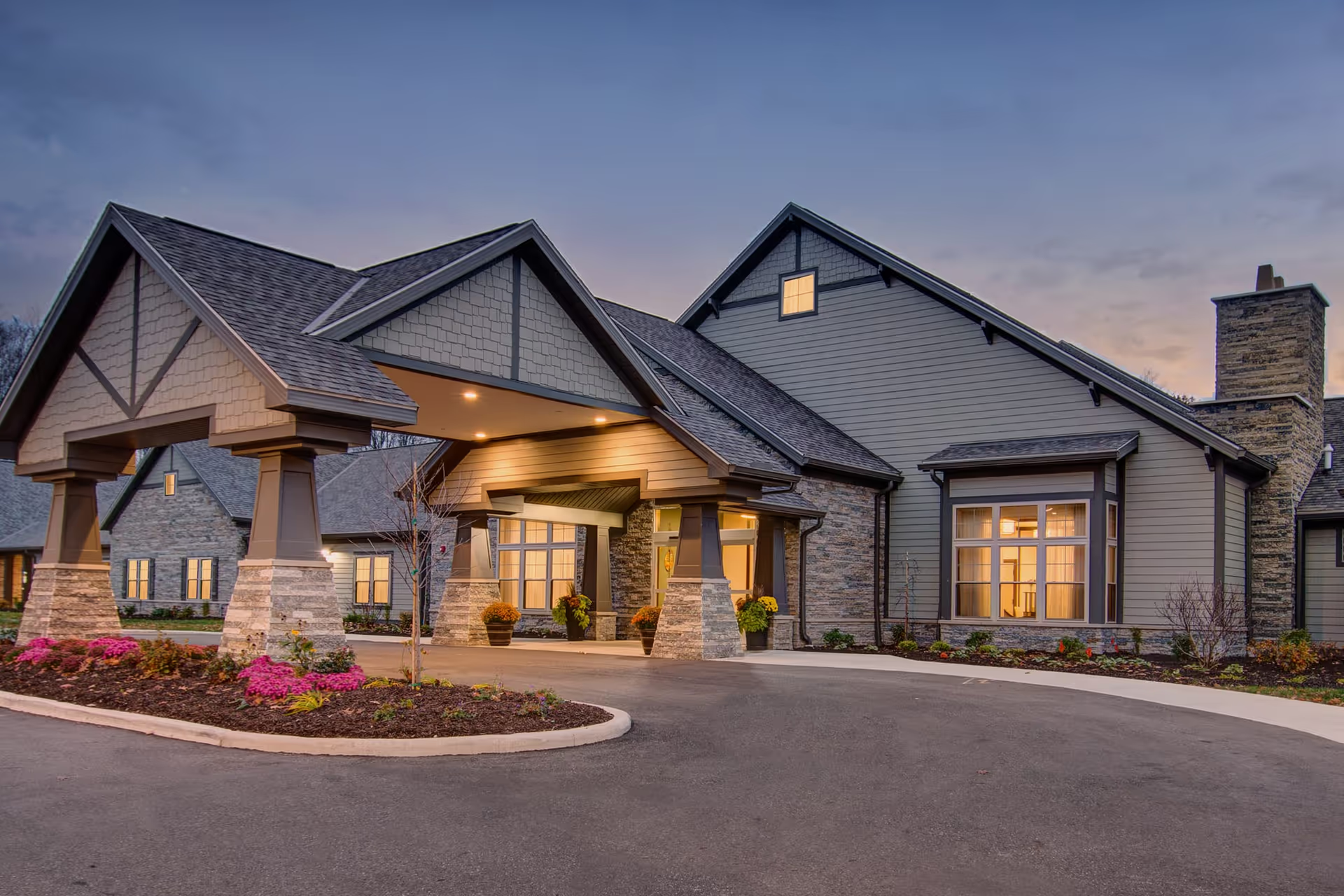
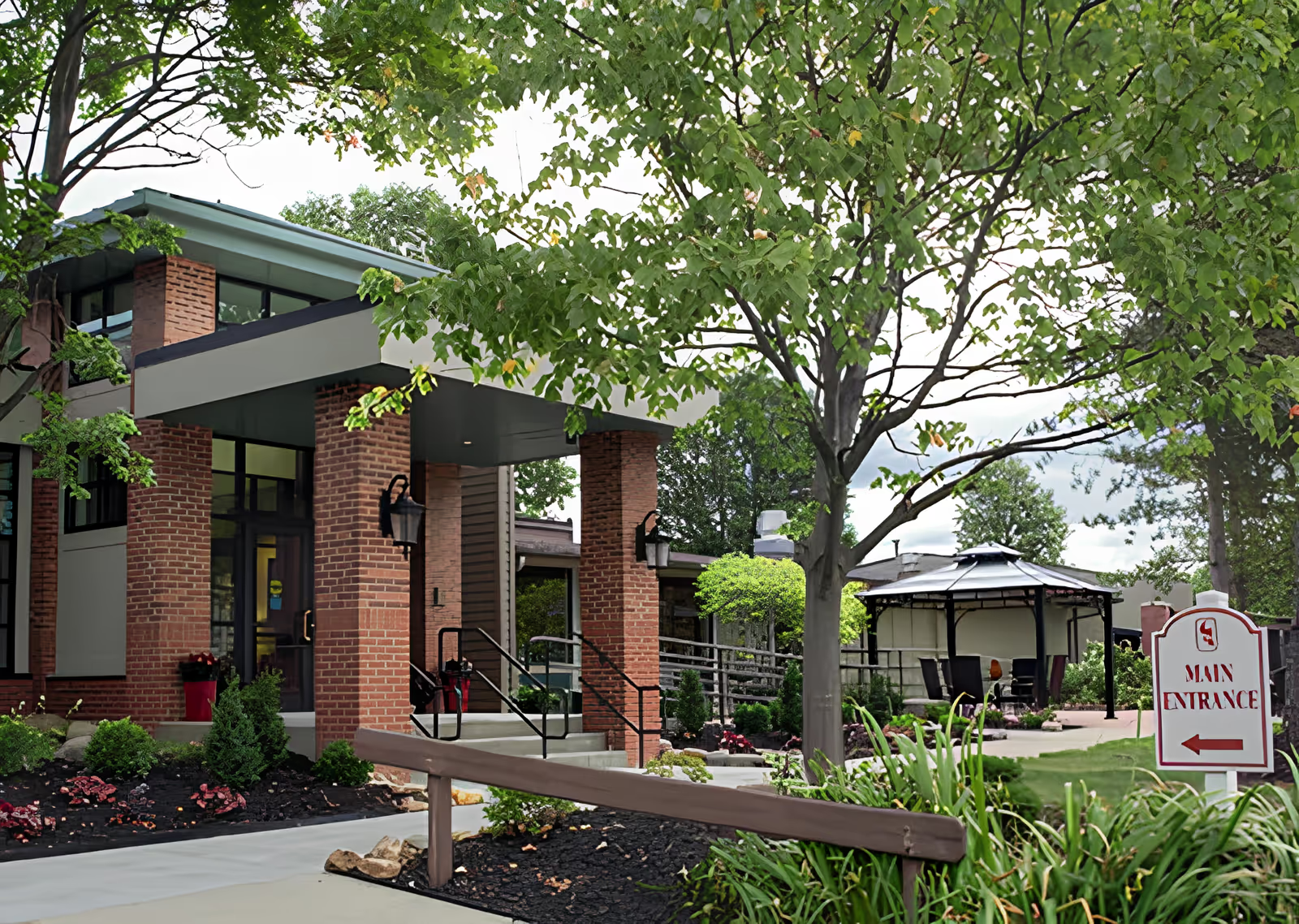
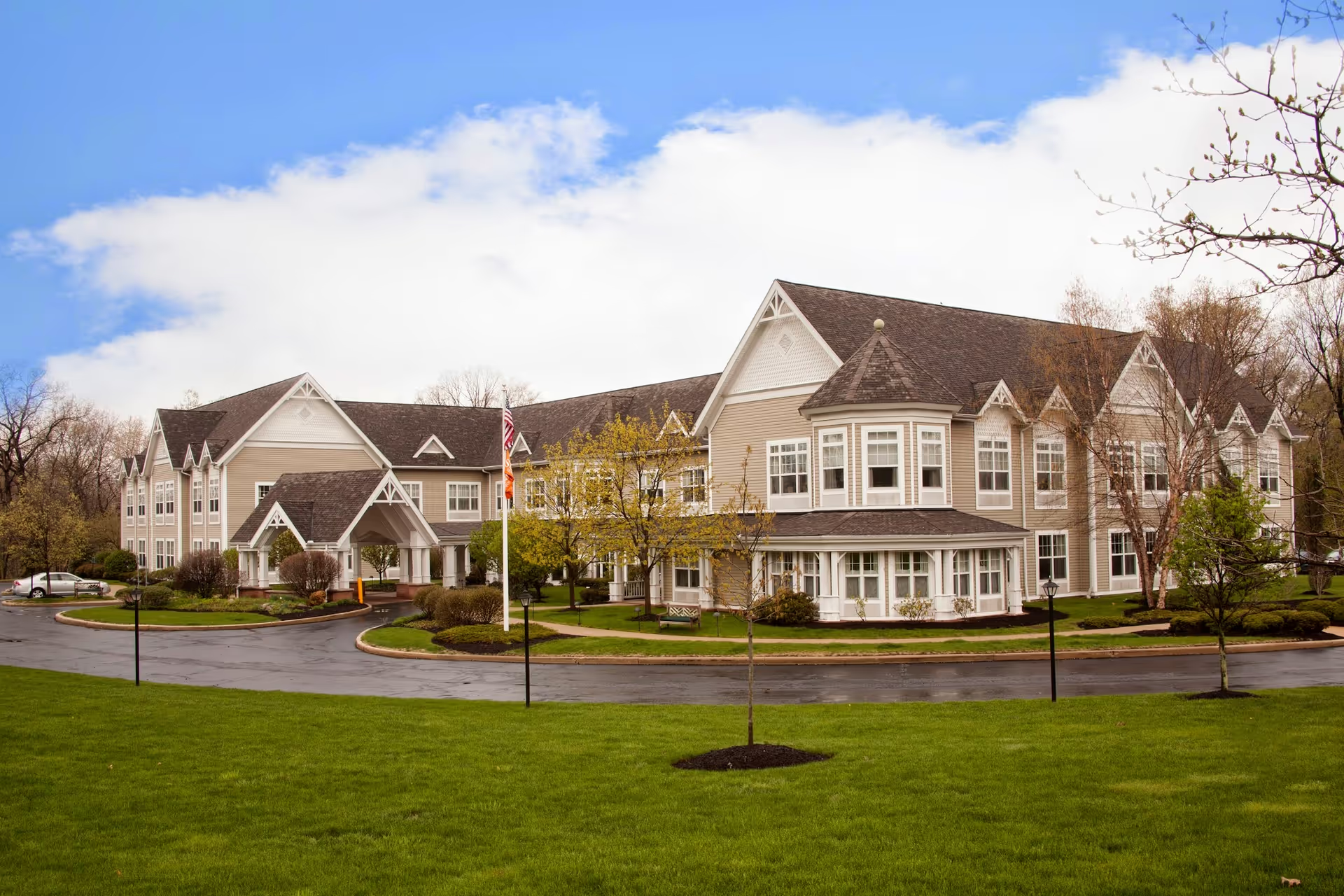
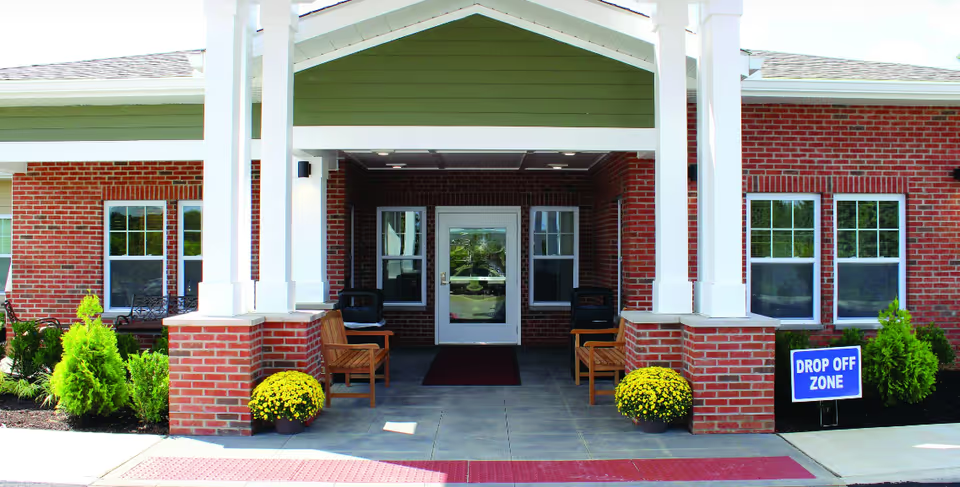
Facility amenities and operations are likewise a source of approval for many: the building is often described as modern and attractive, with a pleasant courtyard, clean common areas, welcoming reception, reliable in‑house laundry, and an accommodating kitchen that can provide dietary alternatives. Housekeeping and day‑to‑day maintenance receive positive comments in numerous accounts, and transportation services and front‑line staff (aides, drivers) earn repeated praise for punctuality and helpfulness.
However, a consistent pattern of operational weaknesses emerges across reviews. Staffing levels and shift coverage appear uneven, producing delays in call‑light responses, restroom/assistance timing, and bathing or ADL support. Several families described long waits for pain medication and other prescriptions, and there are repeated references to missed or forgotten meals and inconsistent meal quality. These issues are frequently clustered with concerns about transfer and fall‑prevention practices and occasional equipment or supply shortages, which families say have required them to bring items from home.
Cleanliness and sanitation experiences are inconsistent: while many describe an immaculate, odor‑free environment, others report lapses in room and bathroom upkeep and maintenance problems. Communication and administrative follow‑through also vary—some reviewers praise accessible administrators and responsive clinicians, while others describe poor discharge planning, abrupt packing of belongings after a resident’s death, or a management tone perceived as prioritizing operations over family concerns. Staff conduct is similarly variable: numerous individual caregivers are described as compassionate and exemplary, yet there are multiple accounts of impatient or dismissive interactions and inconsistent professionalism on some shifts.
Taken together, the pattern suggests that Bath Creek Estates can deliver high‑quality clinical care, strong therapy outcomes, and an engaging resident environment when staffing and management systems are functioning well. Families considering the facility should weigh the reported strengths in nursing, therapy, activities, and amenities against the operational risks tied to staffing variability, response times, medication and discharge processes, and occasional sanitation or supply issues. Prospective residents and families may find the best outcomes when they maintain active communication with the care team, confirm specific staffing and discharge plans in writing, and assess unit‑level conditions during visits (including observing shift change and meal times).