Overview This collection of reviews shows a polarized pattern: substantial praise for direct-care staff and therapy services exists alongside recurring operational and regulatory concerns. Several families describe compassionate, skilled nurses, attentive aides, and strong rehabilitation/physical-therapy performance. At the same time, reviews raise persistent questions about staffing stability, management consistency, sanitation, communication systems, and regulatory compliance.
Care and clinical quality Positive accounts emphasize individualized, respectful care from many front-line caregivers and therapists, with multiple endorsements of the facility's rehabilitation program. However, a number of reviews outline clinical gaps: missed or delayed medications, coordination failures for respiratory equipment (for example CPAP), inconsistent response to call-buttons, falls and other safety events, and concerns about monitoring of higher-acuity residents. These descriptions point to variability in nursing execution and handoff processes rather than uniformly poor clinical competence.
Staffing and workplace culture A consistent theme is staffing instability: frequent use of agency aides, high turnover among executive and administrative roles, and weekend or night staffing shortages. Reviewers cite heavy workloads and uneven supervision at nurses' stations. Several reviews describe problematic workplace culture elements — favoritism, poor tone from some managers, and, in at least one account, allegations of racial harassment that involved law-enforcement interaction. These elements are associated with lower morale and contribute to inconsistent resident experience.
Dining and nutrition Dining impressions are mixed. Some reviewers note improvements in meal service and a pleasant dining area, while others describe inconsistent meal quality and failures to honor special diets (low-sodium, lactose intolerance) or to accommodate individual nutrition needs. Families should verify current dining menus and processes for dietary accommodations during a visit.
Activities and amenities Activity programming and transportation services receive positive mentions, including well-planned activities and assistance with medical appointments. Housing options such as small studio apartments are noted as convenient for some residents. Limitations include limited single-room availability and reports that the memory-care unit's resident mix may not suit individuals with milder dementia who may be emotionally impacted by more advanced cases.
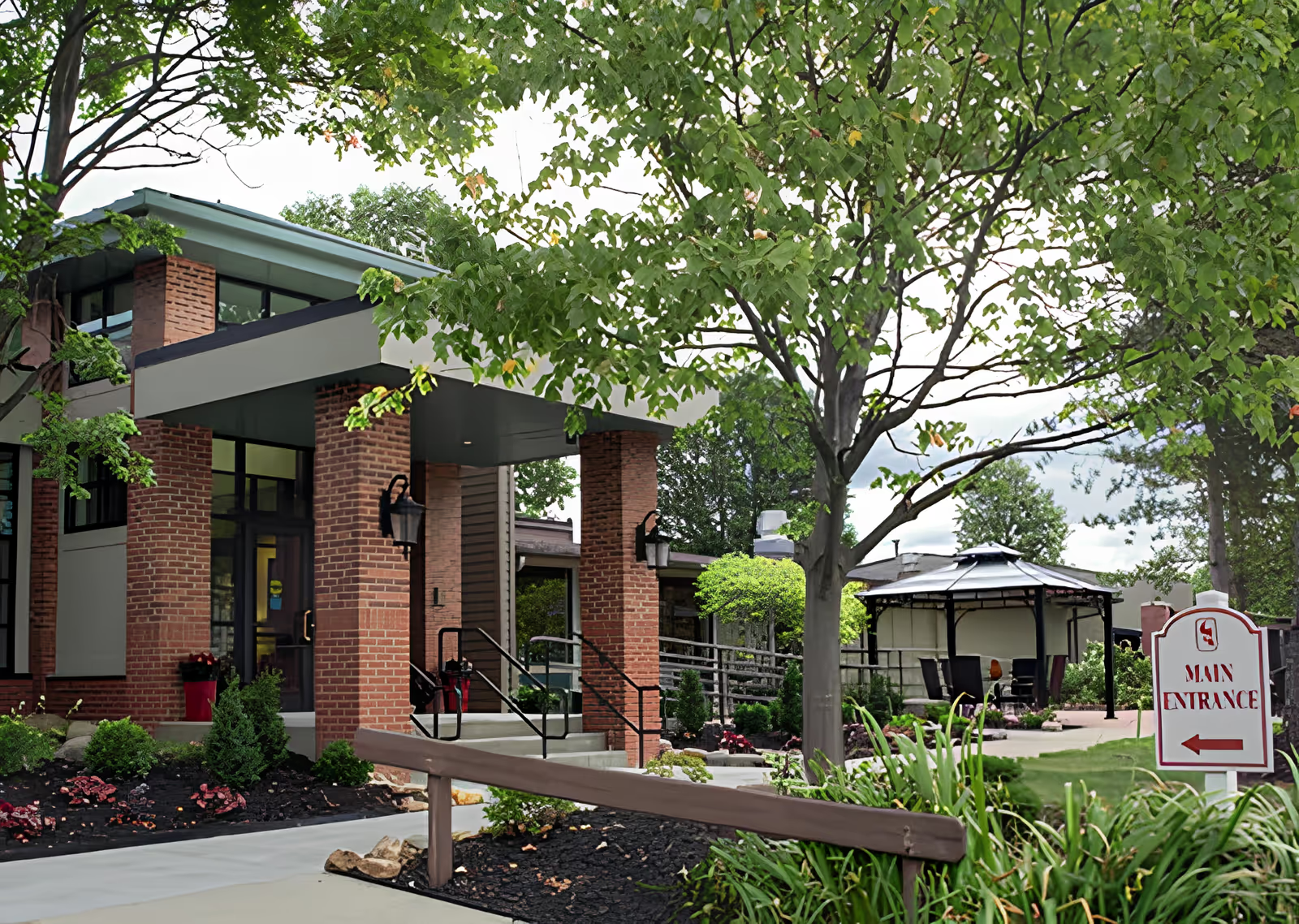
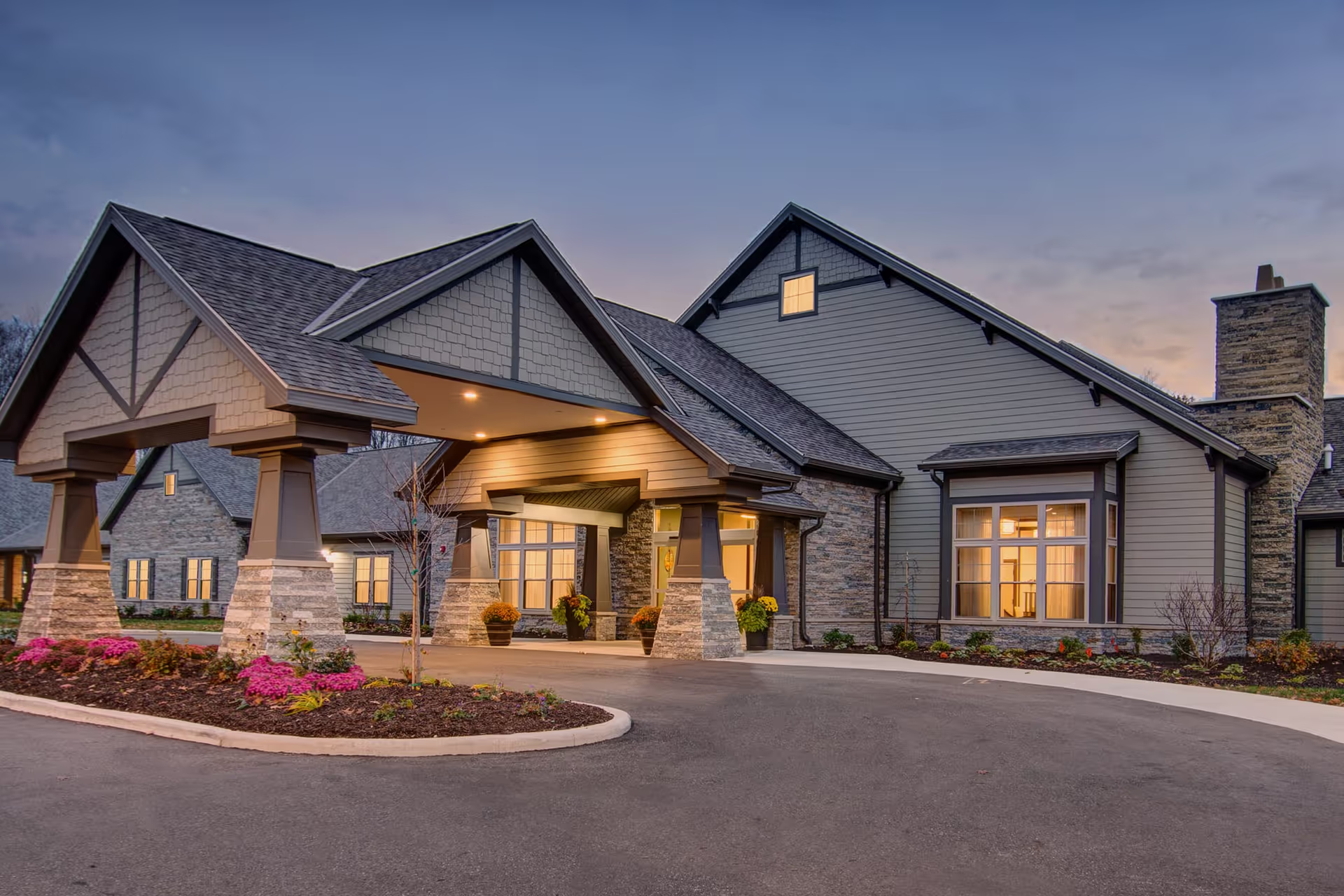
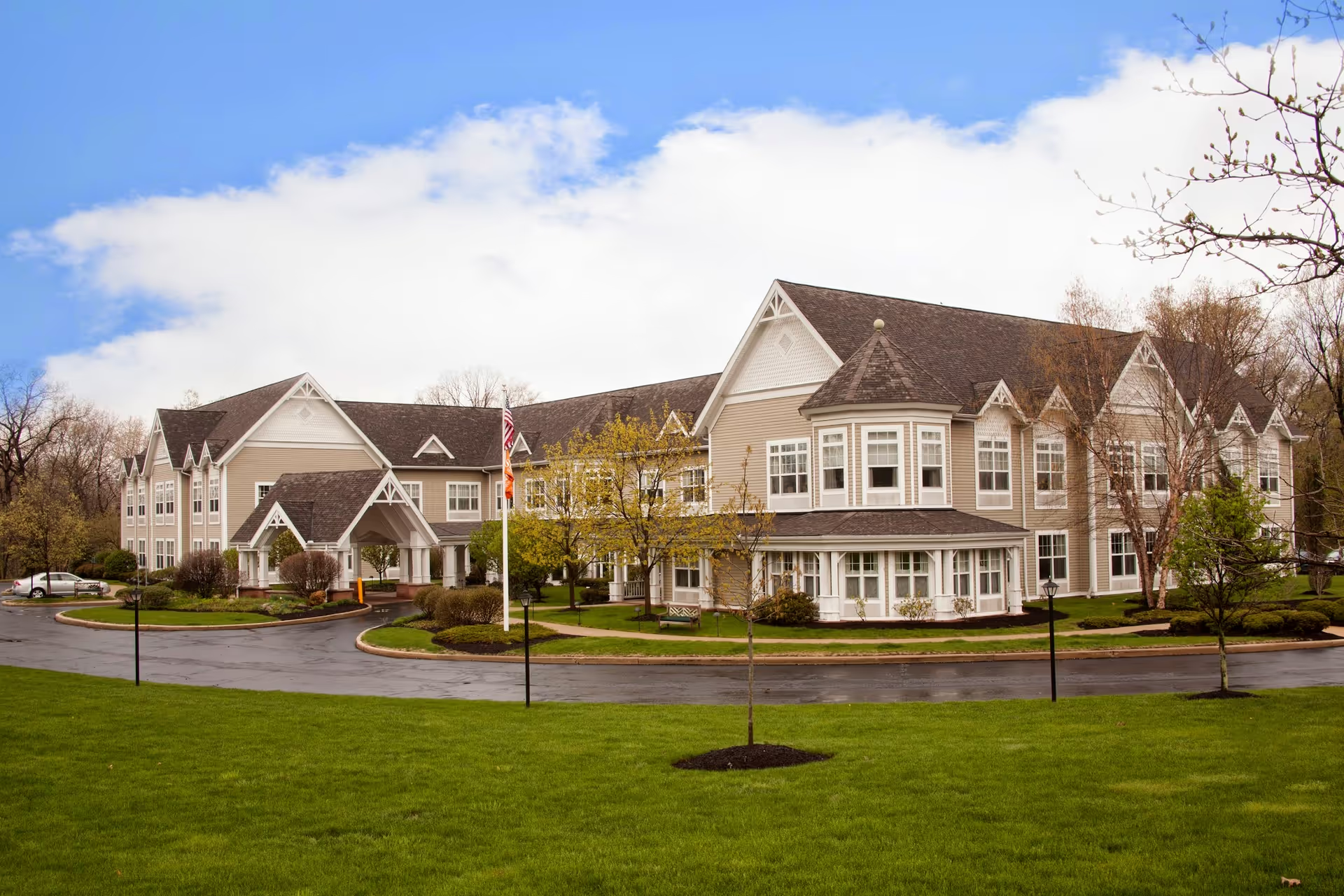
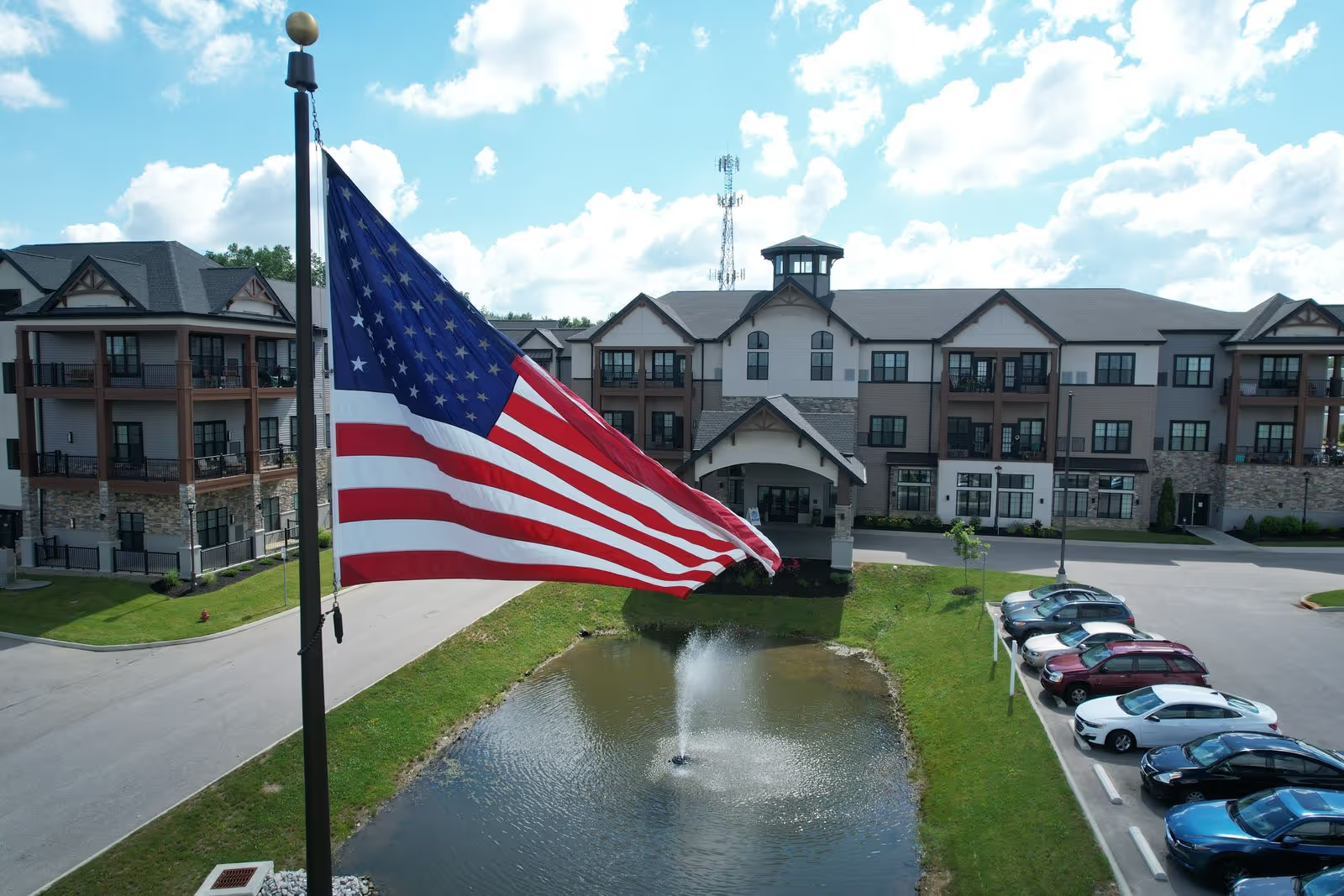
Facilities, cleanliness, and pest control Facility reports are mixed: some describe clean, welcoming common areas and improved dining spaces; others identify sanitation and in-room hygiene concerns, odor issues in specific areas, ineffective pest-control measures, and periods when bathing or housekeeping appeared inconsistent. Maintenance responsiveness is singled out positively in some reviews, but the overall pattern indicates variability across units and shifts.
Management, administration, and regulatory patterns Multiple reviews cite frequent leadership changes, administrative instability, problems with phone systems and family communications, and concerns about financial or property controls (including allegations of missing funds and misplaced resident belongings). There are references to state survey findings and a noted set of violations; a subset of reviewers indicate the facility has been the subject of regulatory scrutiny. Conversely, some reviews indicate meaningful improvements after ownership or management changes.
Notable patterns and advice for families Key recurring operational risks are inconsistent staffing (especially reliance on agency aides), communication failures (phone and call-button reliability), sanitation and in-room hygiene variability, and medication/coordination gaps. At the same time, direct-care staff, therapy services, activities, and some rehabilitative outcomes are strengths highlighted by families. Given the mixed feedback and evidence of regulatory attention in some periods, prospective residents and families should conduct an on-site visit, review the most recent state survey and staffing ratios, ask about current turnover and agency staffing use, confirm protocols for medication and equipment coordination, inquire about pest-control and housekeeping schedules, and request references from current families. Observing care during a shift change and asking for a tour of memory-care and rehab spaces can help determine whether the facility's current operations match recent positive reports or unresolved concerns.