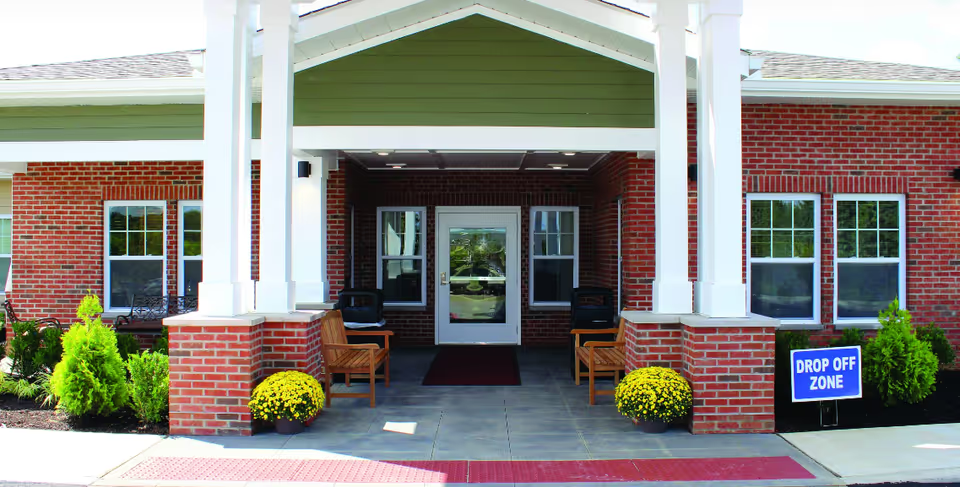
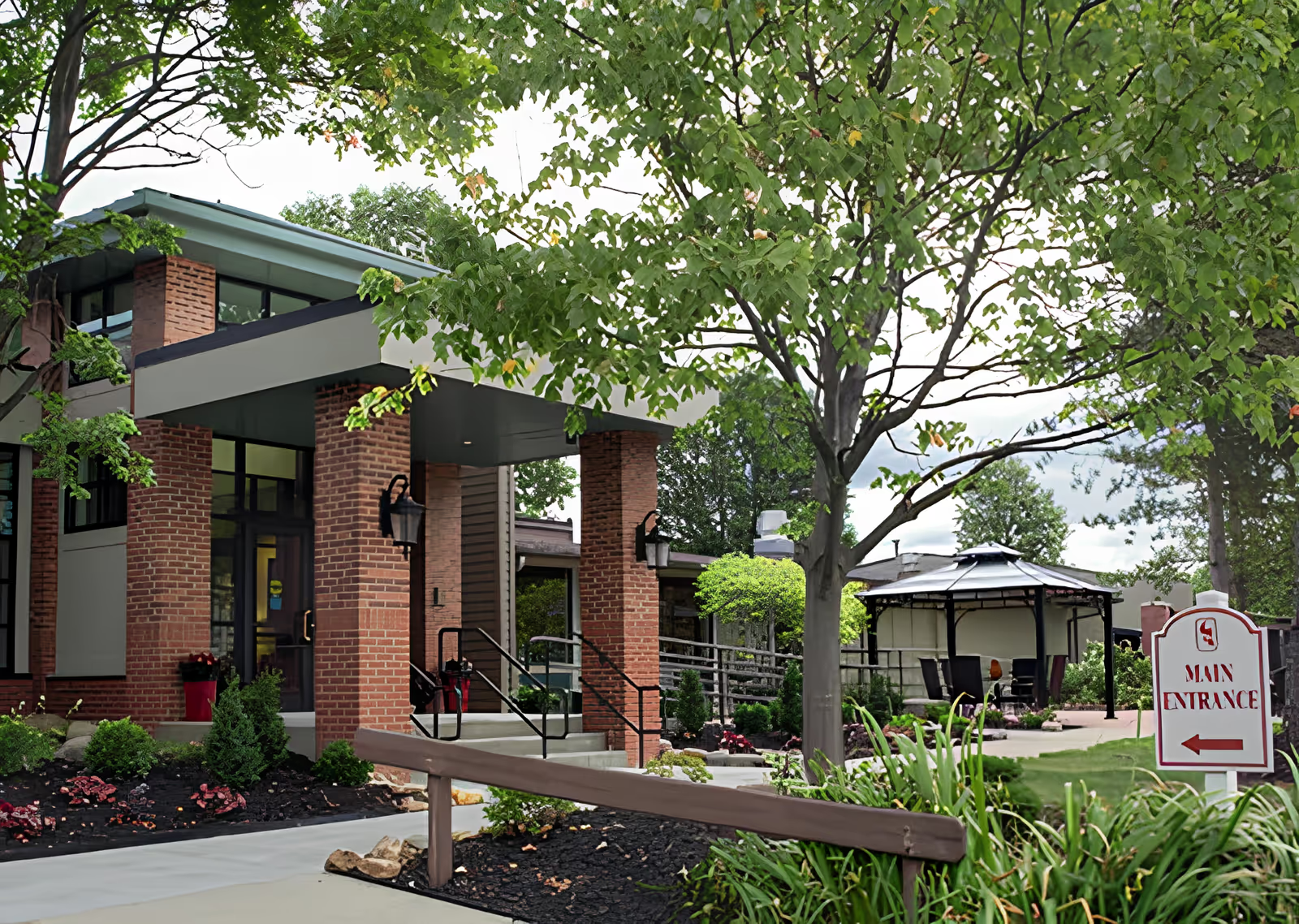
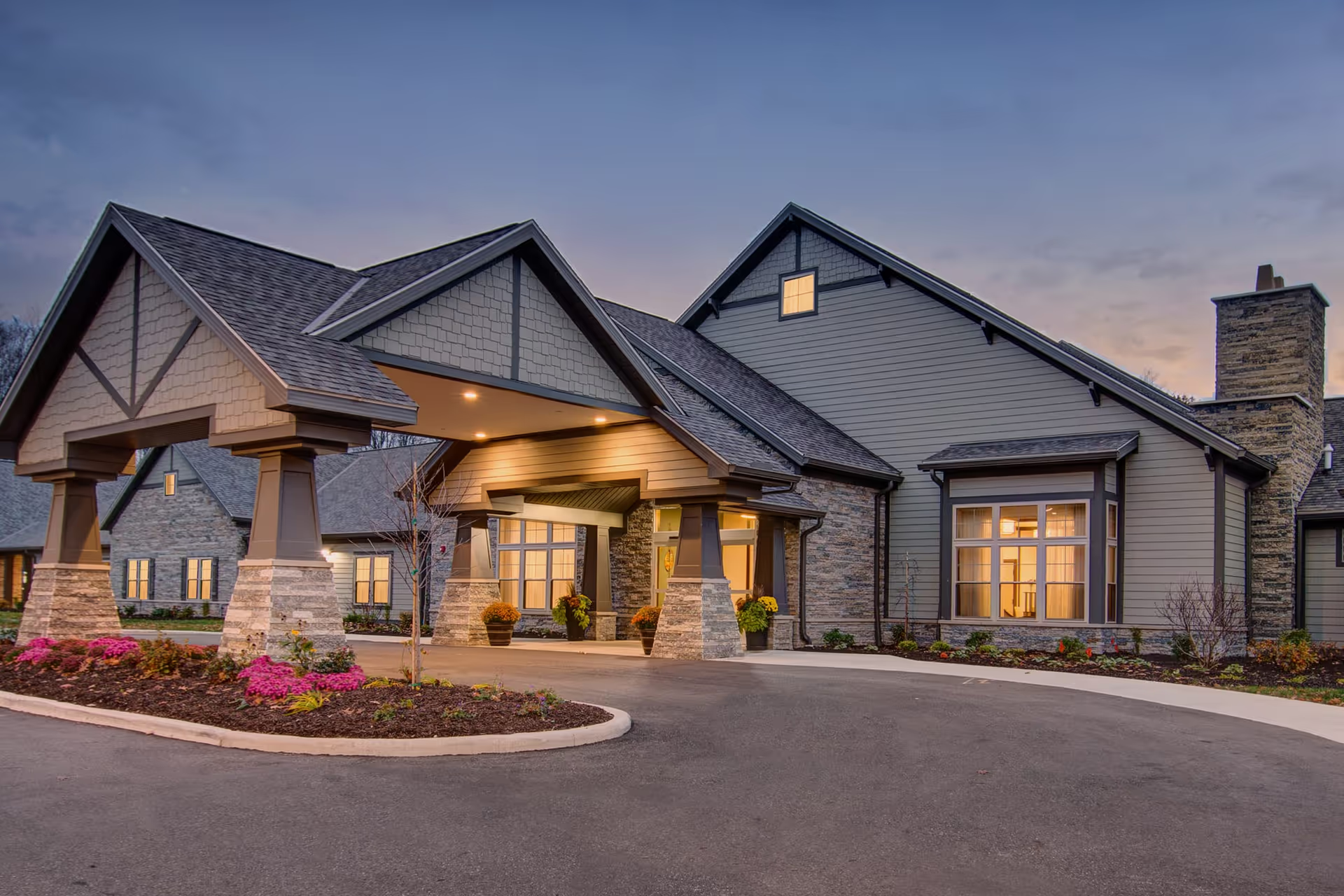
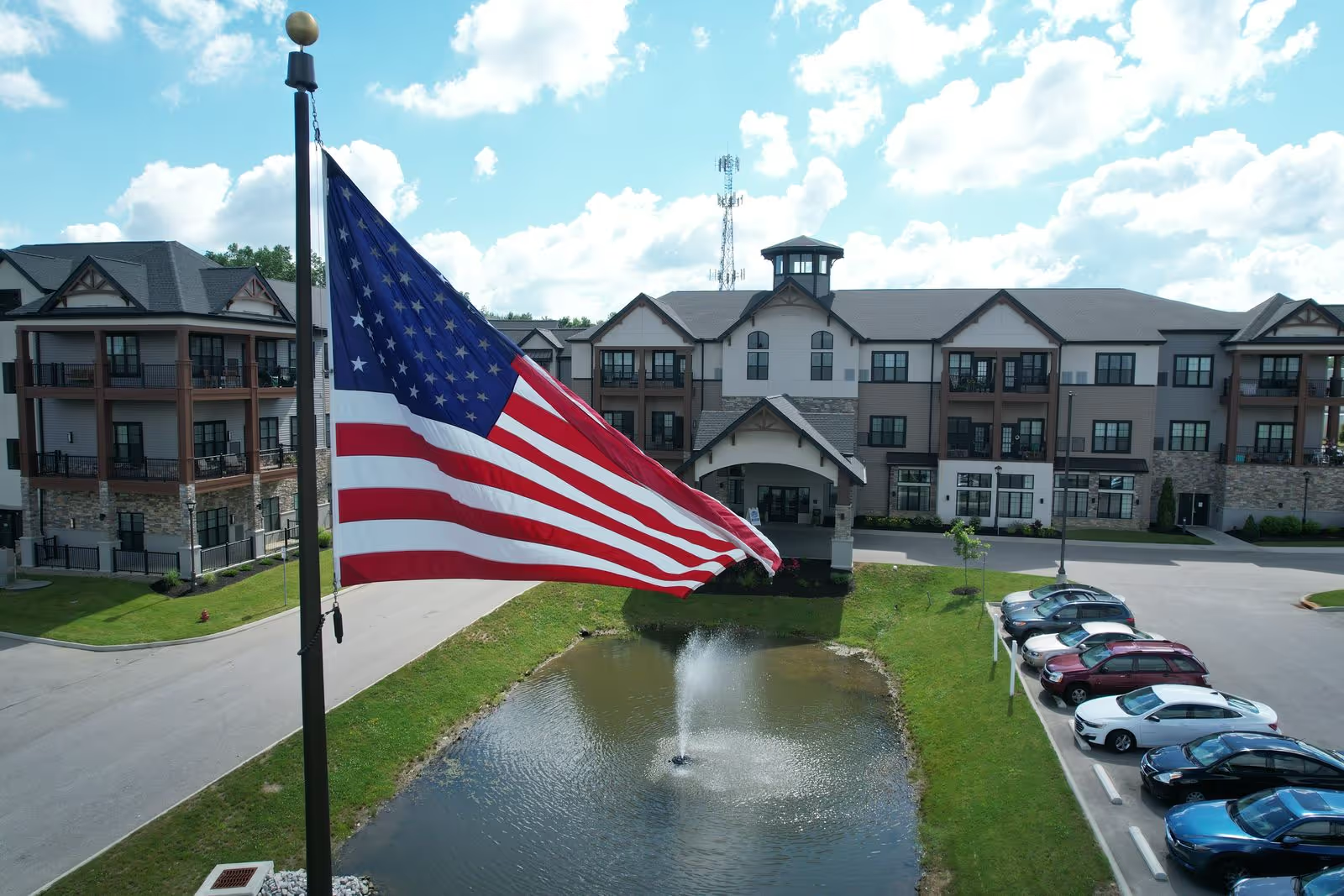
The reviews for Falls Village Skilled Nursing & Rehabilitation describe a facility with pronounced strengths alongside recurring operational weaknesses. Positive comments emphasize clinical resources and successful short-term rehabilitations: many families praised the on-site dialysis capability, attentive nurses and aides, and skilled physical and occupational therapists who supported residents' return home. Social work and care-liaison staff also received consistent recognition for assistance with insurance, discharge planning, and patient-family coordination. Numerous reviewers highlighted clean, spacious private rooms and well-maintained common areas, and several noted reliable daily therapy schedules and activity programs.
Care quality and clinical safety are described unevenly. Several accounts describe attentive, responsive care and targeted therapy that achieved measurable recovery, while other accounts raise concerns about staffing levels, delayed assistance, and medication or monitoring lapses that contributed to serious clinical events. The presence of on-site dialysis and capable therapy teams is a clear asset, yet there are repeated notes of gaps in clinical monitoring, delays in medication administration, and inconsistent incontinence care. These issues appear to cluster around periods or units with limited staff coverage and high workload.
Staffing and communication are central themes. Reviewers repeatedly reference chronic understaffing, slow call‑light responses, and periods when nursing stations were unattended. At the same time many individual employees—nurses, STNAs, therapists, and front-desk liaisons—were singled out for compassionate, above-and-beyond care. This creates a polarized picture: strong individual caregivers operating within a system challenged by staffing, morale, and coordination problems. Family-facing functions such as phone responsiveness, interdisciplinary updates, and timely documentation for insurance were frequently described as inconsistent; several families experienced frustration with unreturned calls or delayed discharge paperwork.
Dining, activities, and the physical plant show mixed performance. Some residents found meals accommodating and enjoyed activities and therapy programming; others described poor meal palatability, extended pureed diets, or meal-tray continuity issues. Facility descriptors vary from "very clean, bright" to "dated with limited natural light," with specific sanitation and odor concerns cited in some bathrooms and shared spaces. Parking and grounds maintenance—especially icy conditions—were noted as safety concerns in at least one account. Phone-system reliability and occasional administrative inconsistencies (policy communication, incentive representations, and staffing assignments) were also raised.
Taken together, the pattern is one of variability: Falls Village can deliver high-quality, compassionate skilled nursing and rehabilitation for some residents—particularly where staffing and coordination are adequate—but families should be aware of persistent operational weaknesses that have impacted care continuity and safety for others. Prospective residents and families would benefit from targeted questions during a tour and intake: current staffing ratios and typical call‑light response times on the prospective unit; weekend therapy availability and expected session frequency; medication-administration and monitoring protocols; how social work will support insurance/documentation timelines; and current plans for any outstanding maintenance or sanitation issues. Those inquiries can help identify whether the facility’s strengths are in place for an individual resident’s needs on the day of admission.