Reviews for Aventura at Carriage Inn describe a facility with several notable strengths alongside recurrent operational concerns. Strengths most commonly cited include a cohort of attentive, compassionate nurse aides and an experienced rehabilitation team; many families praised physical and occupational therapy for producing measurable improvement during short-term stays. Reviewers also highlighted conscientious wound-care nursing, helpful admissions staff, an approachable administration, and a generally clean, well-maintained campus with active programming such as bingo and other activities that contribute to a family-like atmosphere.
Care quality descriptions are mixed. Numerous accounts praise hands-on aides and therapists for prompt assistance and effective rehab. At the same time, there are consistent concerns about clinical oversight: reviewers described delays in escalation of care, documentation inconsistencies, and questions about medication administration and monitoring. These issues manifest as variable nurse performance and an uneven experience when agency staff are used. Taken together, the pattern suggests reliable day‑to‑day assistance from aides and therapy staff but inconsistent clinical processes and supervision in some cases.
Dining and activities are similarly mixed. Several reviewers enjoyed seasoned, adequately portioned meals and valued the availability of kitchen service and social programming. Conversely, others described inconsistent meal quality and presentation. Activity programming and therapy are frequently identified as positive contributors to residents' quality of life, and therapy staff received multiple commendations for effectiveness and supportive interactions.
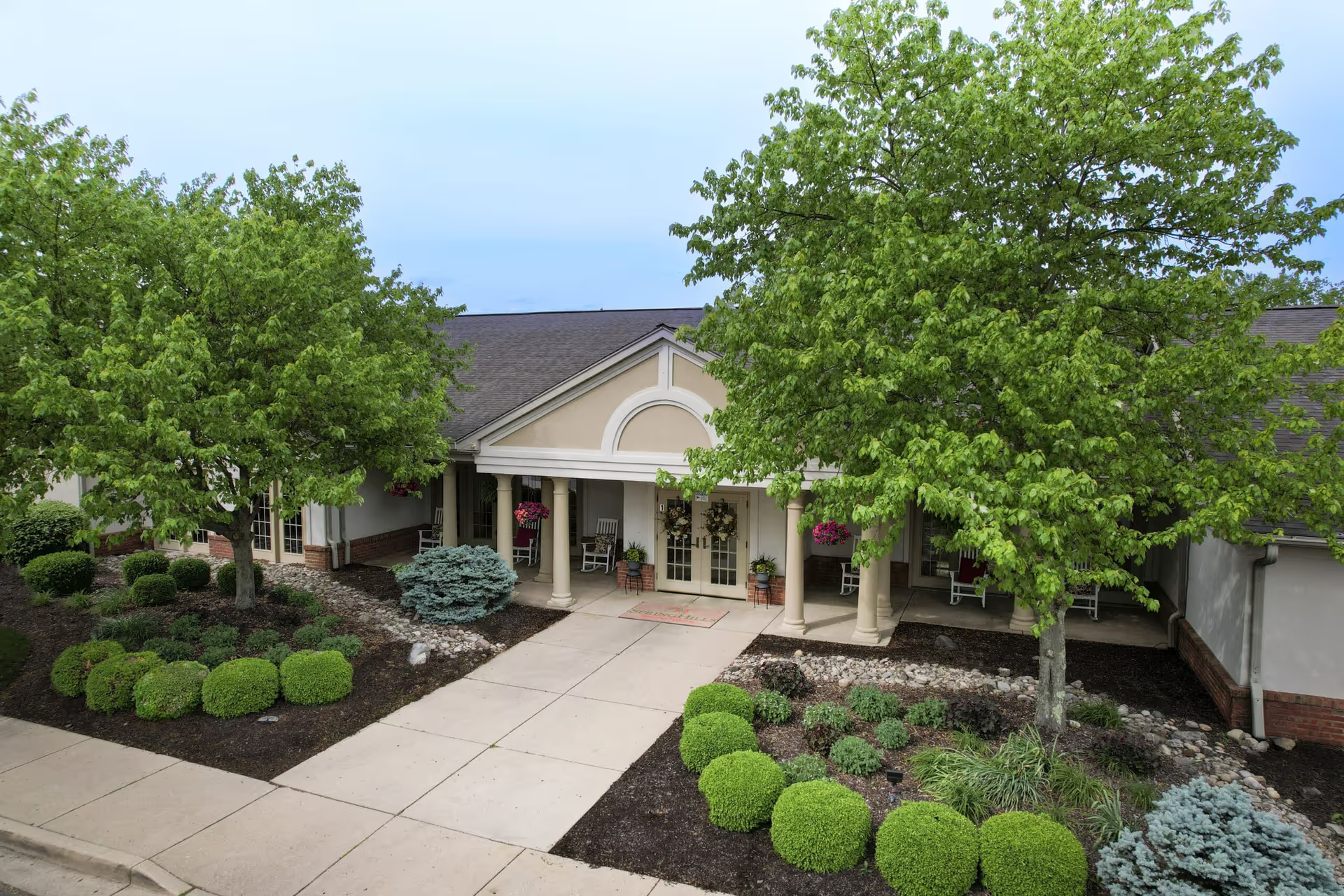
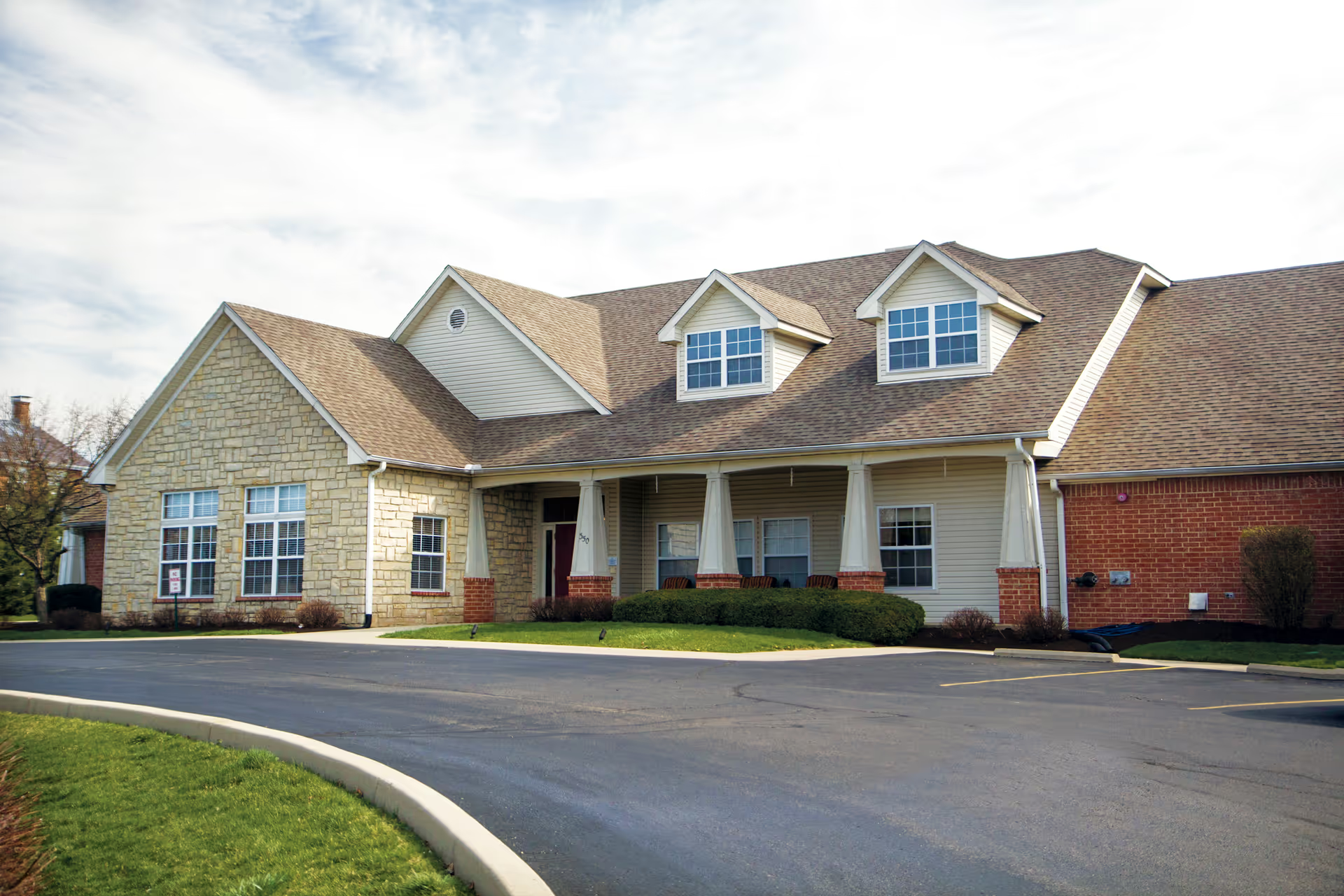
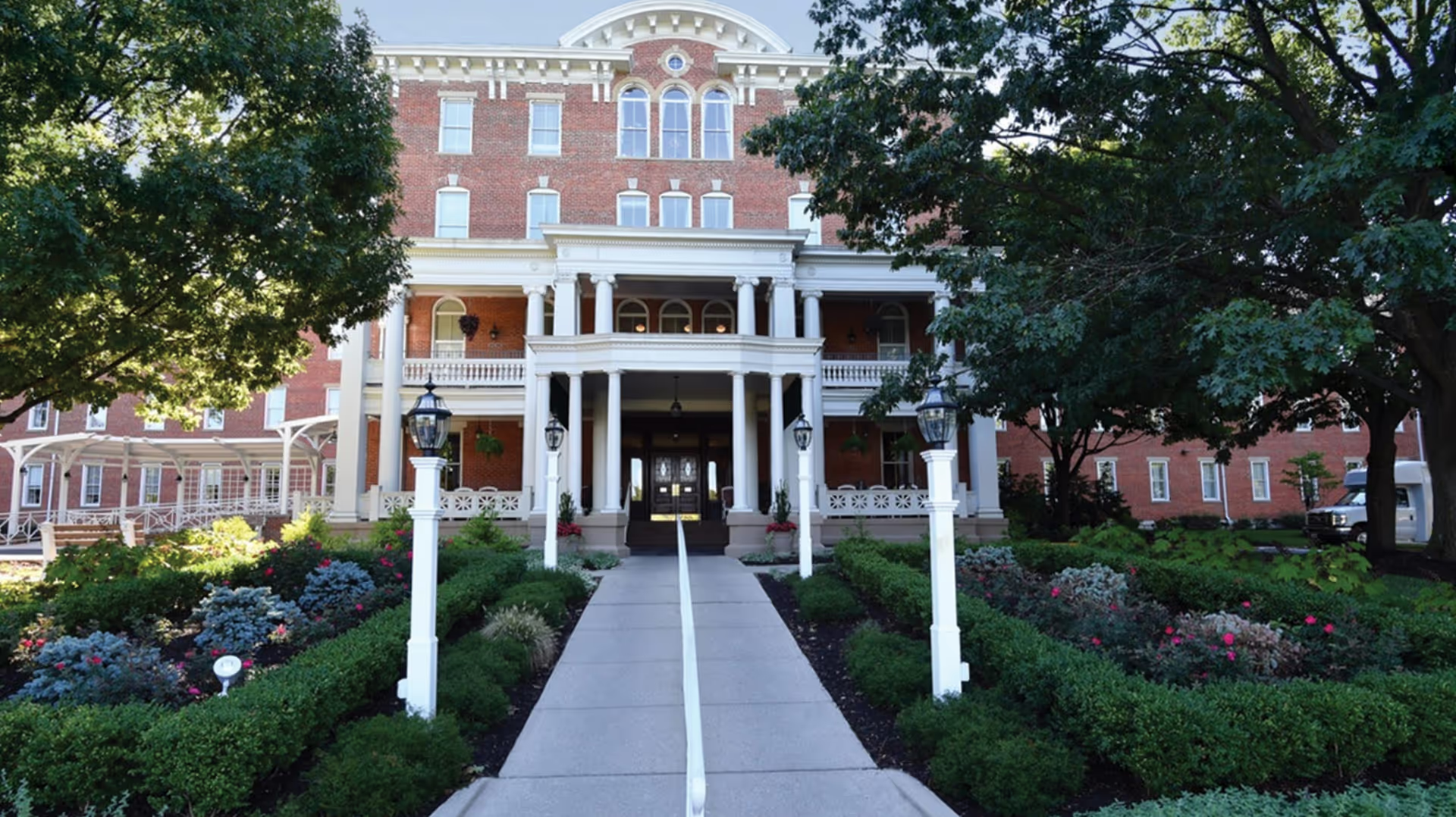
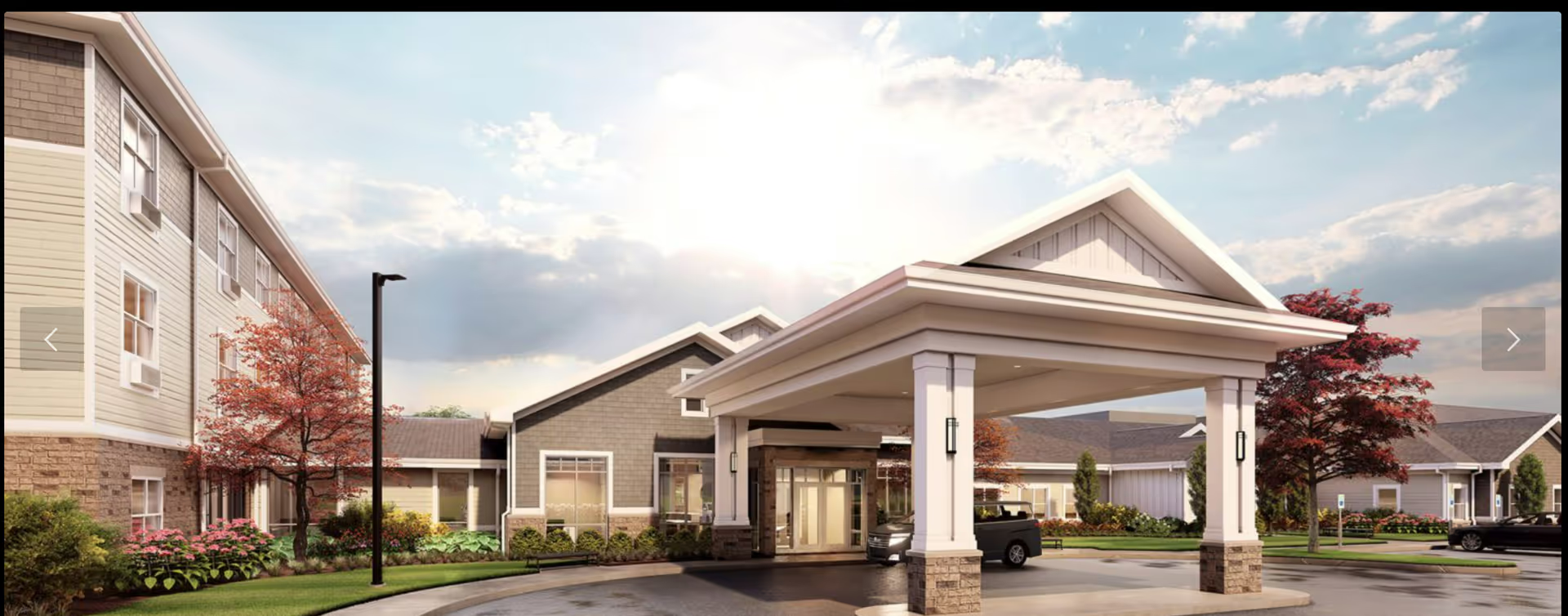
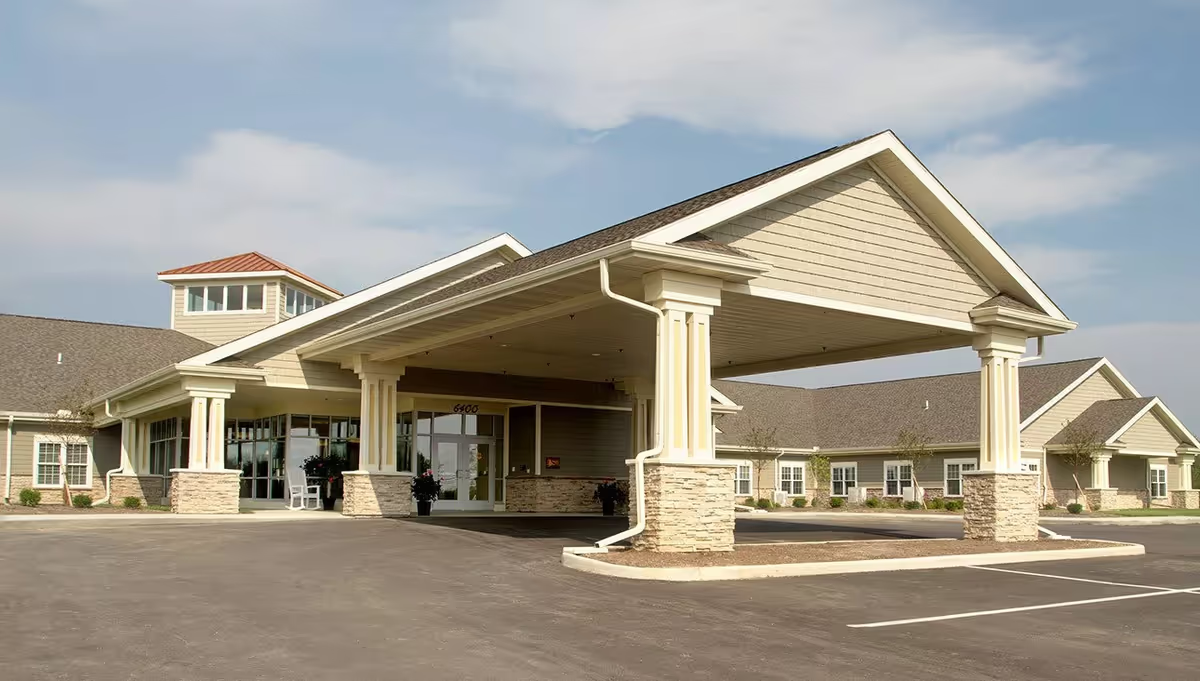
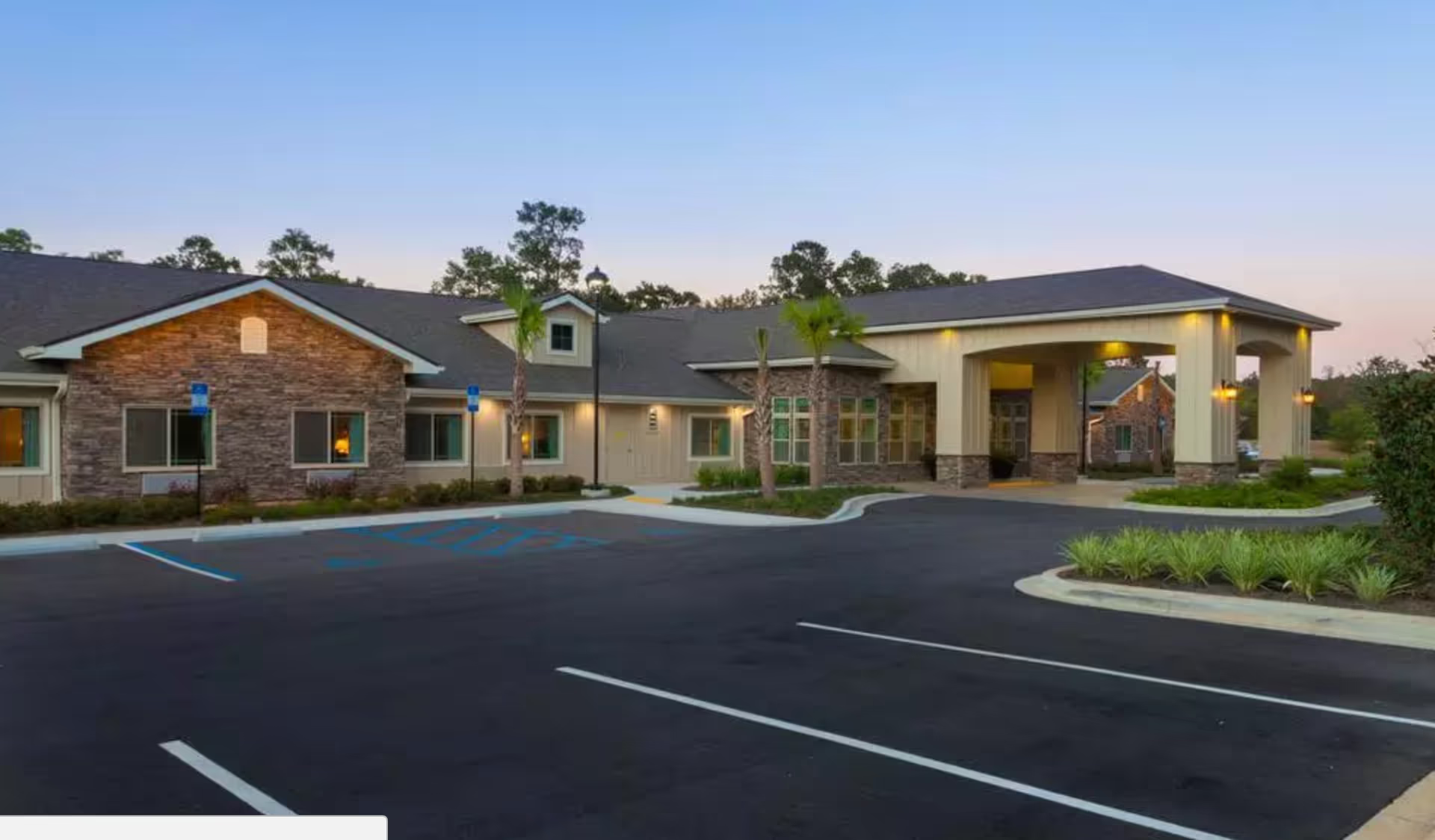
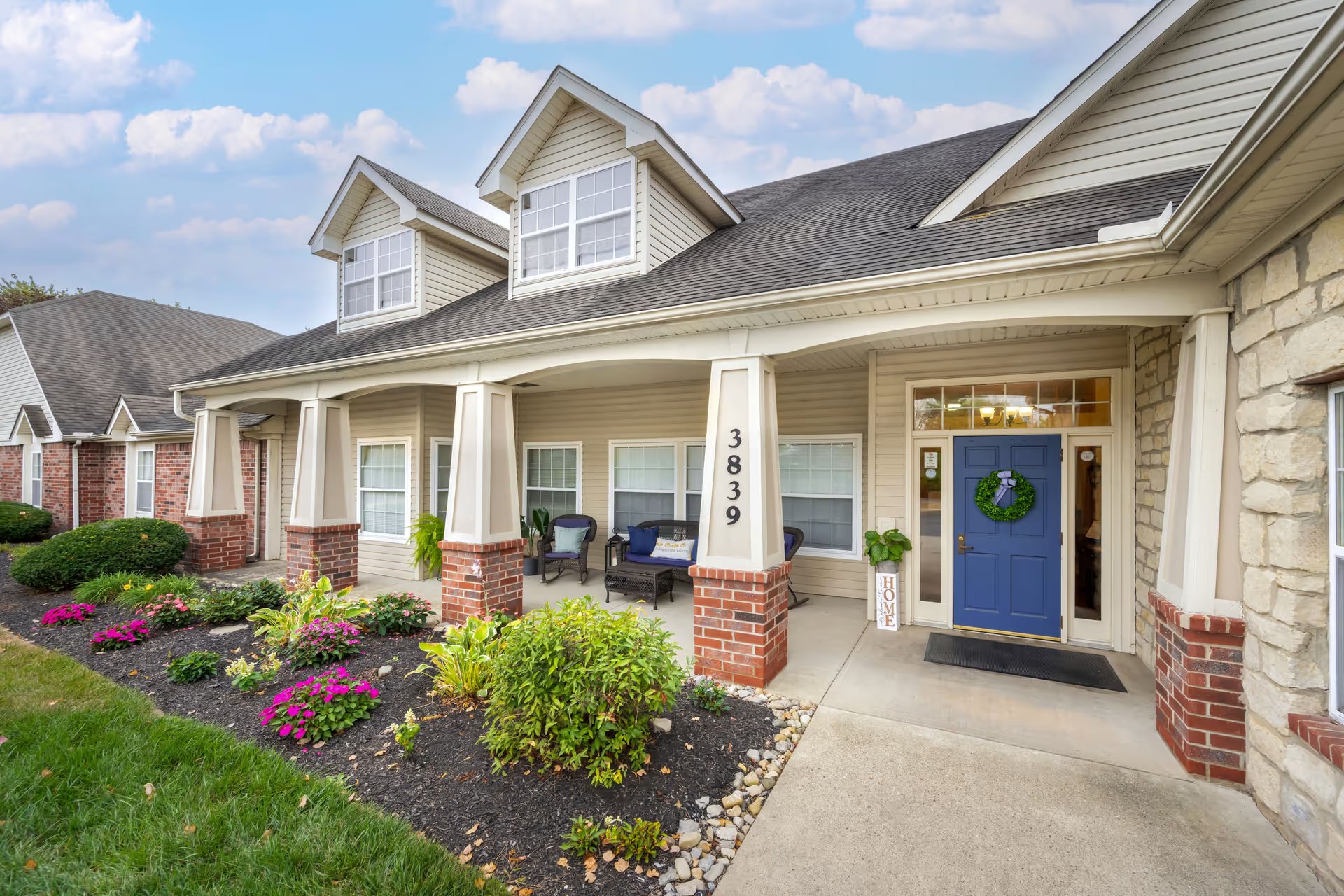
Facility upkeep and environment receive generally favorable comments: many families found the building clean, odor‑free, and well cared for, with pleasant grounds. However, some reviewers reported sanitation and room-cleaning issues, lapses such as delayed showers, and intermittent room‑level cleanliness concerns. Noise control and enforcement of quiet hours were also identified as uneven.
Management and communication show a similar split. Several reviewers named specific staff (administrators, social workers, and owners) as approachable and responsive, and some praised proactive family communication. Other accounts point to communication breakdowns, paperwork failures, and concerns about personal-property controls and financial transparency; a few serious allegations (including property loss and a contested clinical outcome) were raised and warrant direct follow-up. There are also consistent remarks about variability when agency staff cover shifts versus in-house staff.
Notable patterns: (1) strong rehabilitation and supportive aide-level care; (2) variability in nursing oversight, medication management, and incident escalation; (3) generally positive facility maintenance with intermittent room-level sanitation complaints; and (4) communication and administrative processes that are sometimes effective and sometimes inconsistent. Prospective residents and families who prioritize short-term rehab and active therapy may find Carriage Inn a good fit, but those for whom consistent clinical oversight, medication management, and documentation are critical should ask targeted questions about staffing ratios, agency-staff use, medication protocols, incident escalation pathways, property controls, and recent regulatory or inspection records before deciding.