Cottages of Clayton presents a mixed but textured picture. Many families praise the caregiving staff as compassionate and resident-focused, with several reviewers highlighting standout memory-care expertise and named clinical leaders who are perceived as engaged and effective. Multiple comments applaud a welcoming admissions team, visible nursing leadership, and instances of attentive clinical management for medically complex residents. At its best the community is described as home-like and family-oriented, with staff who go above and beyond and provide meaningful social connection for residents.
Dining and activities are frequently cited as strengths. The kitchen team and specific cooks receive positive mentions and many families describe enjoyable, well-prepared meals and special community dining events (holiday dinners, BBQs, themed parties). The community also offers a broad activity program and regular outings, bus rides, and on-campus events that support social engagement and resident wellbeing.
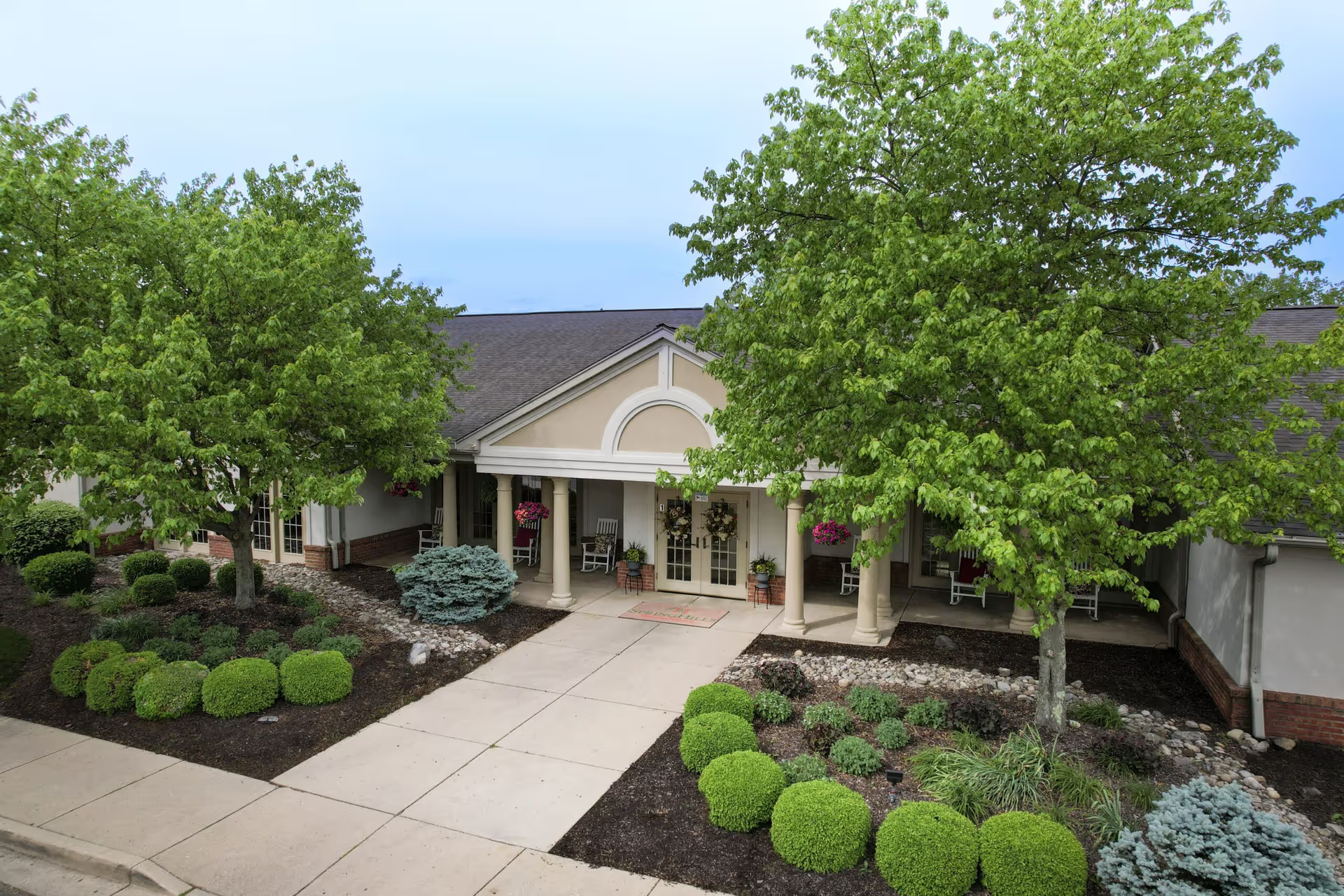
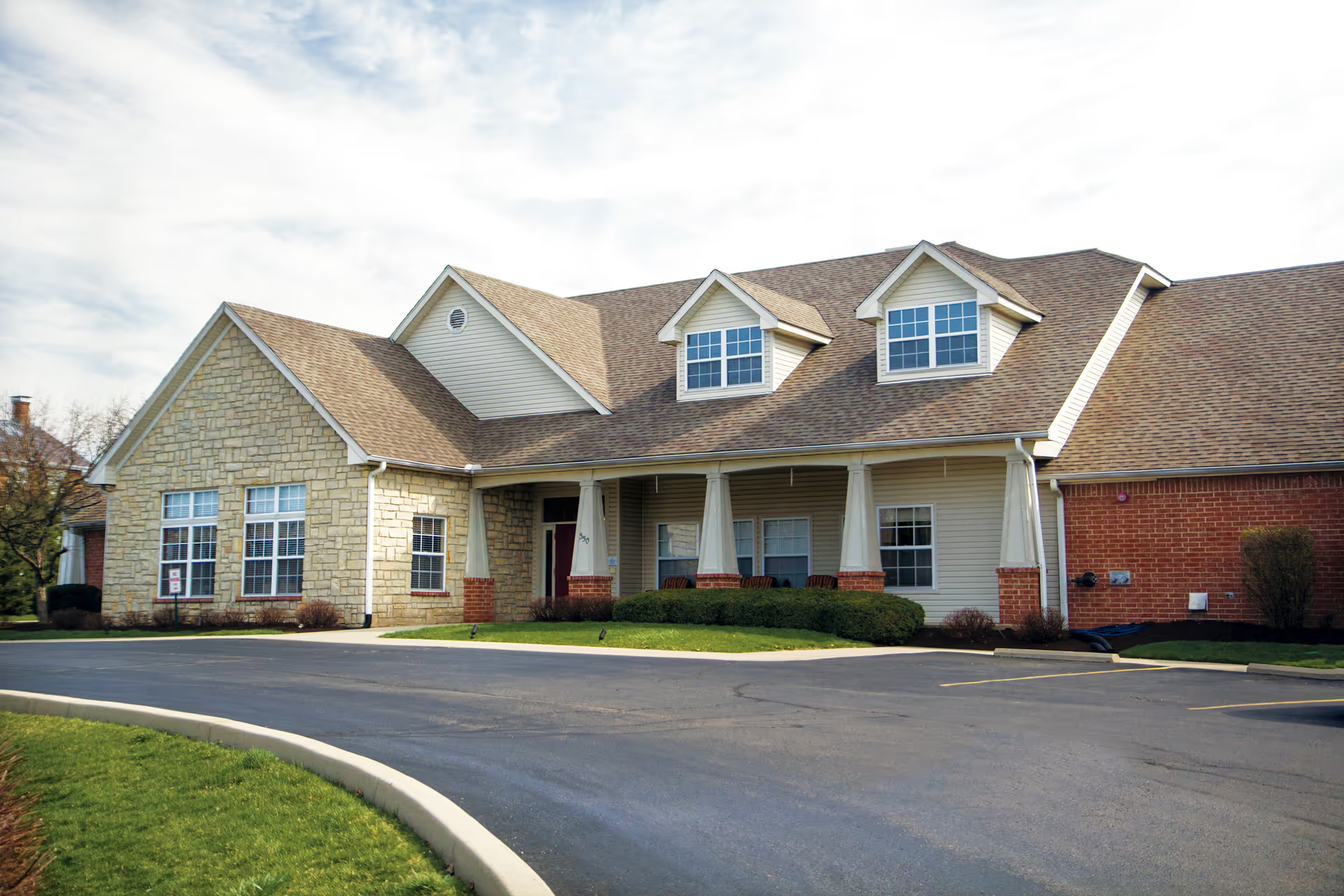
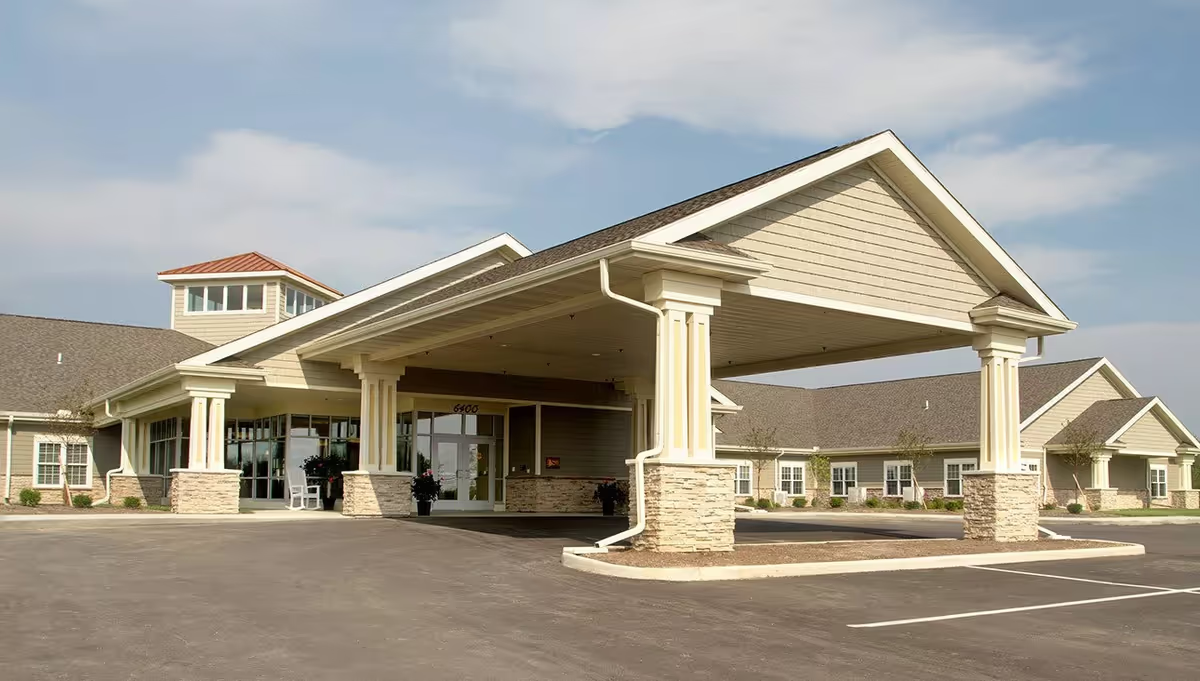
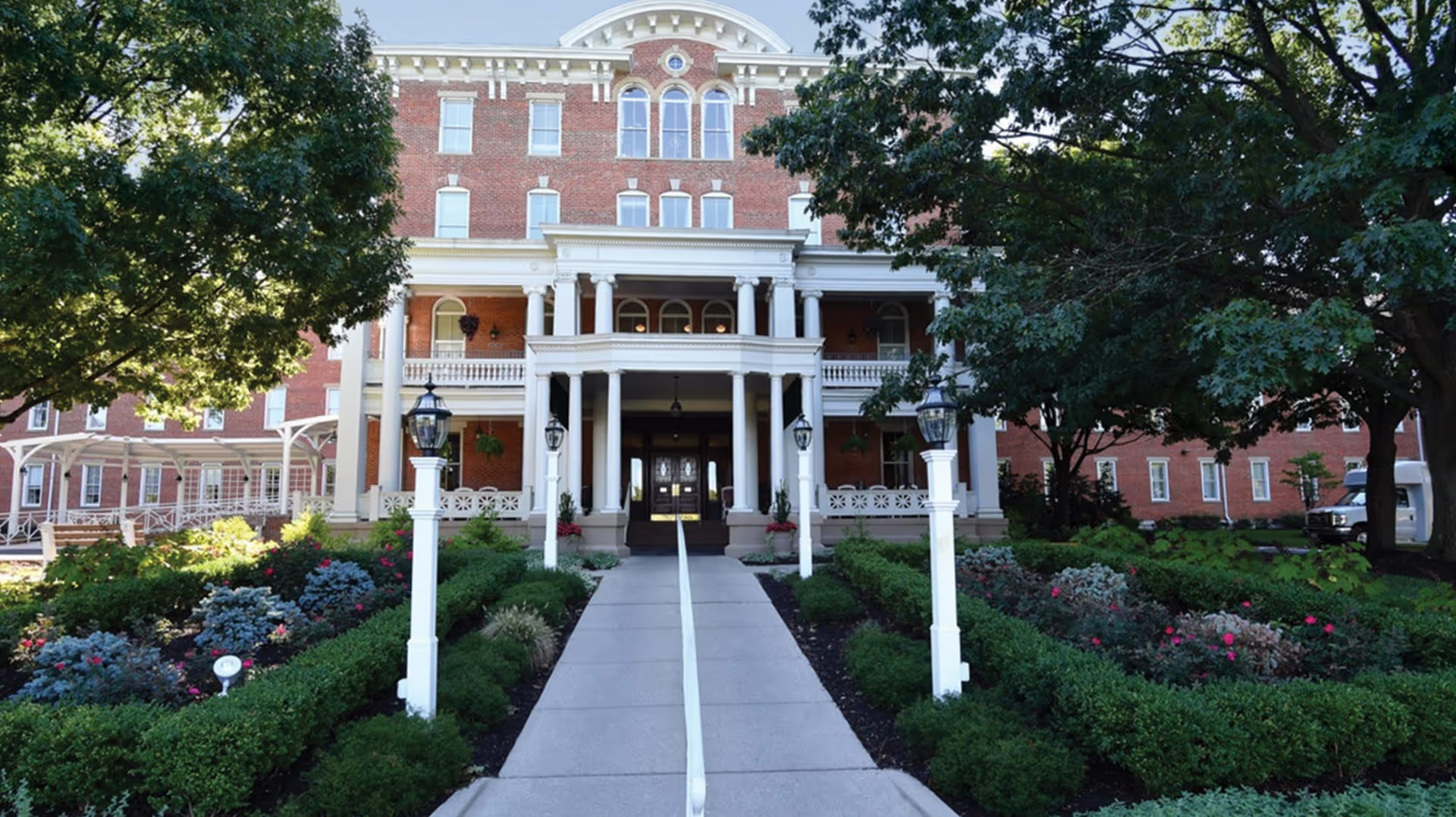
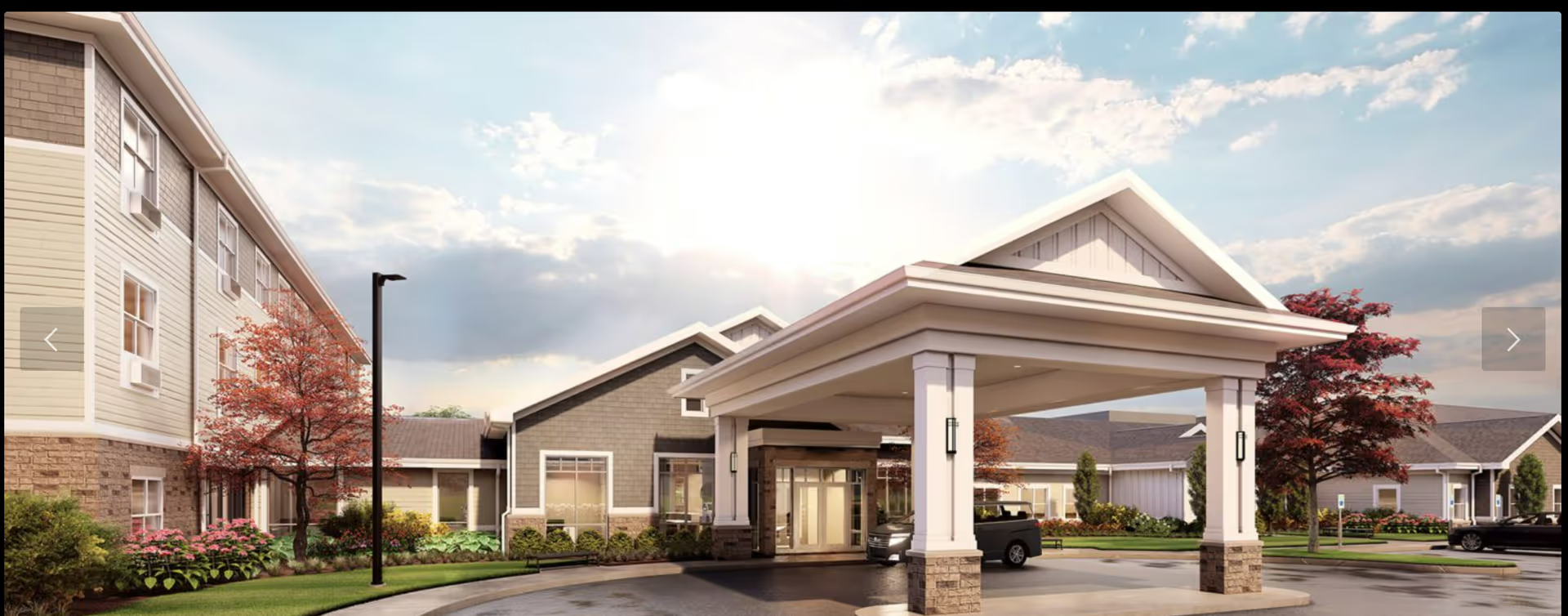
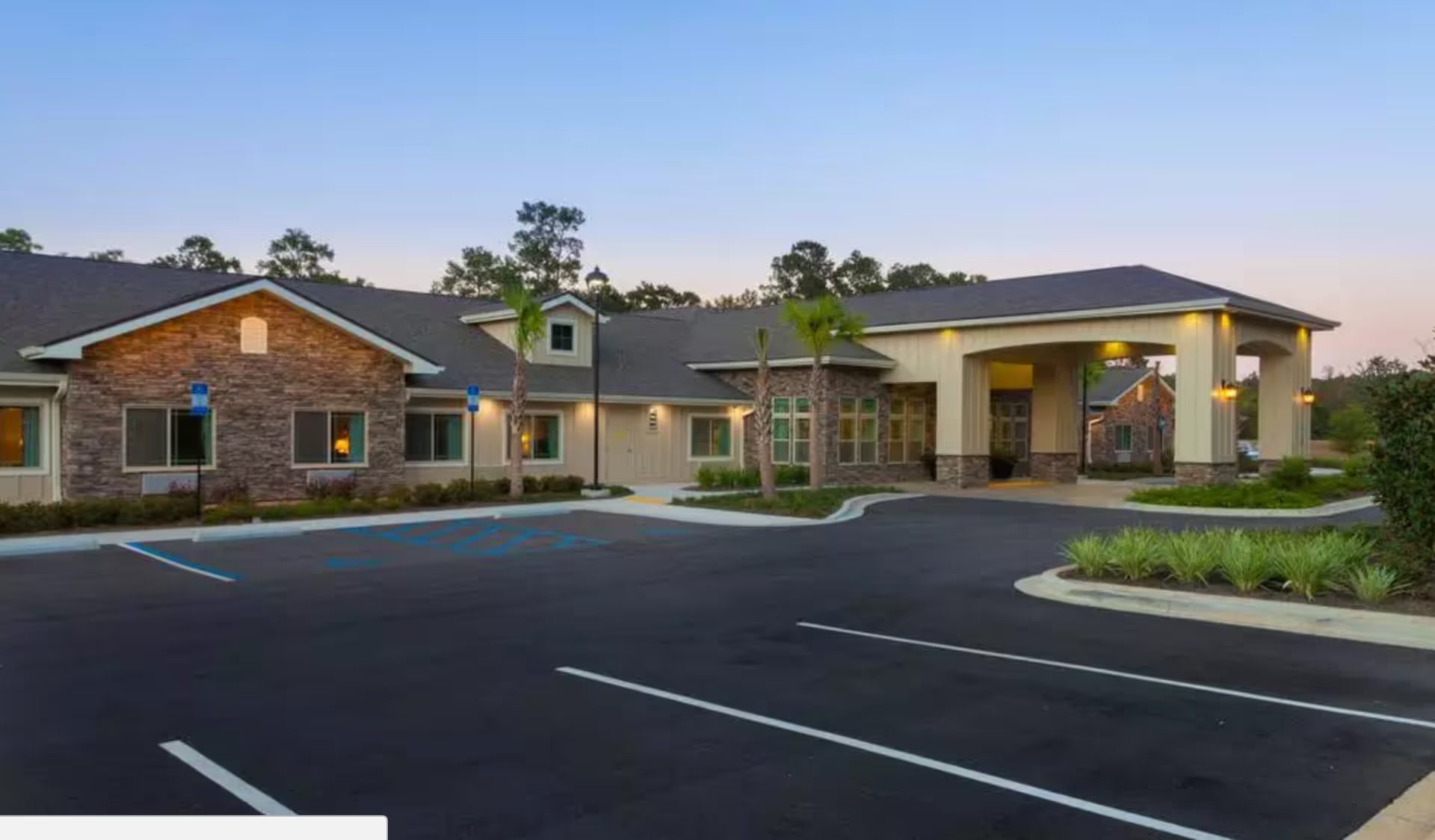
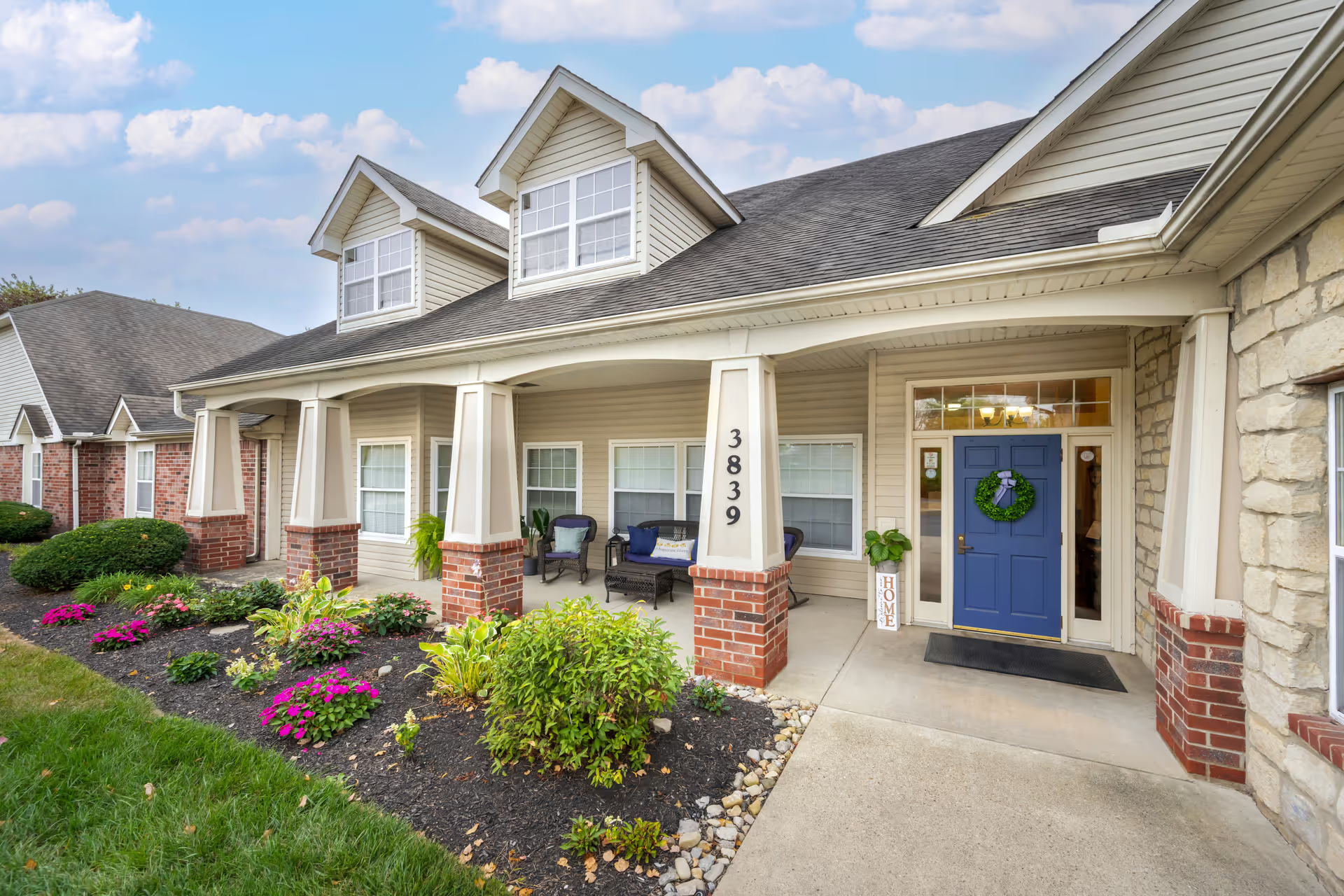
Facility features attract positive attention as well: reviewers note spacious private rooms with ensuite bathrooms, comfortable common areas, sunlight and outdoor seating, walking paths and a gazebo. Several families found the physical environment pleasant and well-kept, and transportation to appointments and other logistical supports are commonly reported as reliable.
However, there are recurrent operational concerns that prospective families should weigh carefully. Staffing instability and shortages are a frequent theme and are linked to several downstream issues: inconsistent medication administration and timing, delays in responding to call systems, and uneven support for personal care and incontinence management. These staffing pressures are also described as producing overworked aides who must multitask, which some families connected to gaps in routine care and to an increased reliance on family members to fill care needs.
Cleanliness and maintenance comments are mixed. While many report clean, pleasant common spaces, others describe sanitation and odor concerns in specific rooms and bathrooms, as well as dated decor and variable building upkeep. Communication and coordination between staff and families appear inconsistent: examples include difficulty locating staff, problems reaching residents, and sporadic follow-up on clinical issues. There are also a small number of serious concerns raised about missing personal items and security processes, and some families perceive differential treatment based on payer status.
In summary, Cottages of Clayton shows clear strengths in relational care, social programming, dining, and on-campus amenities, supported by identified clinical leaders and engaged front-line staff in many cases. At the same time, persistent operational weaknesses — chiefly staffing instability, inconsistent medication/timeliness and responsiveness, variable sanitation and facility maintenance, and communication gaps — create variability in the resident experience. Families considering this community should verify current staffing levels and on-site nursing coverage, tour multiple cottages/units, ask about policies for medication management, personal-care schedules, room-move practices, and security of personal belongings, and seek recent references from current residents or families to assess whether the operational concerns have been addressed.