Care quality: Reviews indicate a mixed clinical picture. Several families described medication-administration errors, delayed or withheld medications, and gaps in treatment follow-up (including missed or canceled appointments and inconsistently delivered therapies). There are accounts of residents being sent to emergency care following clinical declines; these accounts point to uneven clinical oversight and deficiencies in incident response and documentation. A small number of reports reference concerns following a resident's death and a pending external review, which should be checked against official regulatory records for details.
Staff and culture: Staffing appears inconsistent in both performance and professionalism. Multiple accounts praise individual caregivers and nursing staff for empathy and attentiveness, while other accounts describe aides who were unresponsive to calls for assistance, prioritized noncare tasks during shifts, or demonstrated unprofessional conduct. Concerns about staff conduct in nonclinical settings and potential substance-use behaviors were raised by families. These mixed descriptions suggest variability in staff training, supervision, and task prioritization.
Dining and nutrition: Reviewers reported irregularities in meal service and diet management. Complaints include missed or late meals, failure to provide prescribed therapeutic diets (notably diabetic diets), cold or poorly prepared food, and inconsistent portioning of beverages. Conversely, some residents experienced appropriate portions and weight maintenance. These patterns suggest inconsistent meal-service processes and gaps in diet-order adherence.
Activities and resident life: The activities program and the activities director received consistent positive mention; long-term residents and families highlighted engagement and regular programming as strengths. This area appears to be one of the more reliable aspects of daily life for residents based on available feedback.
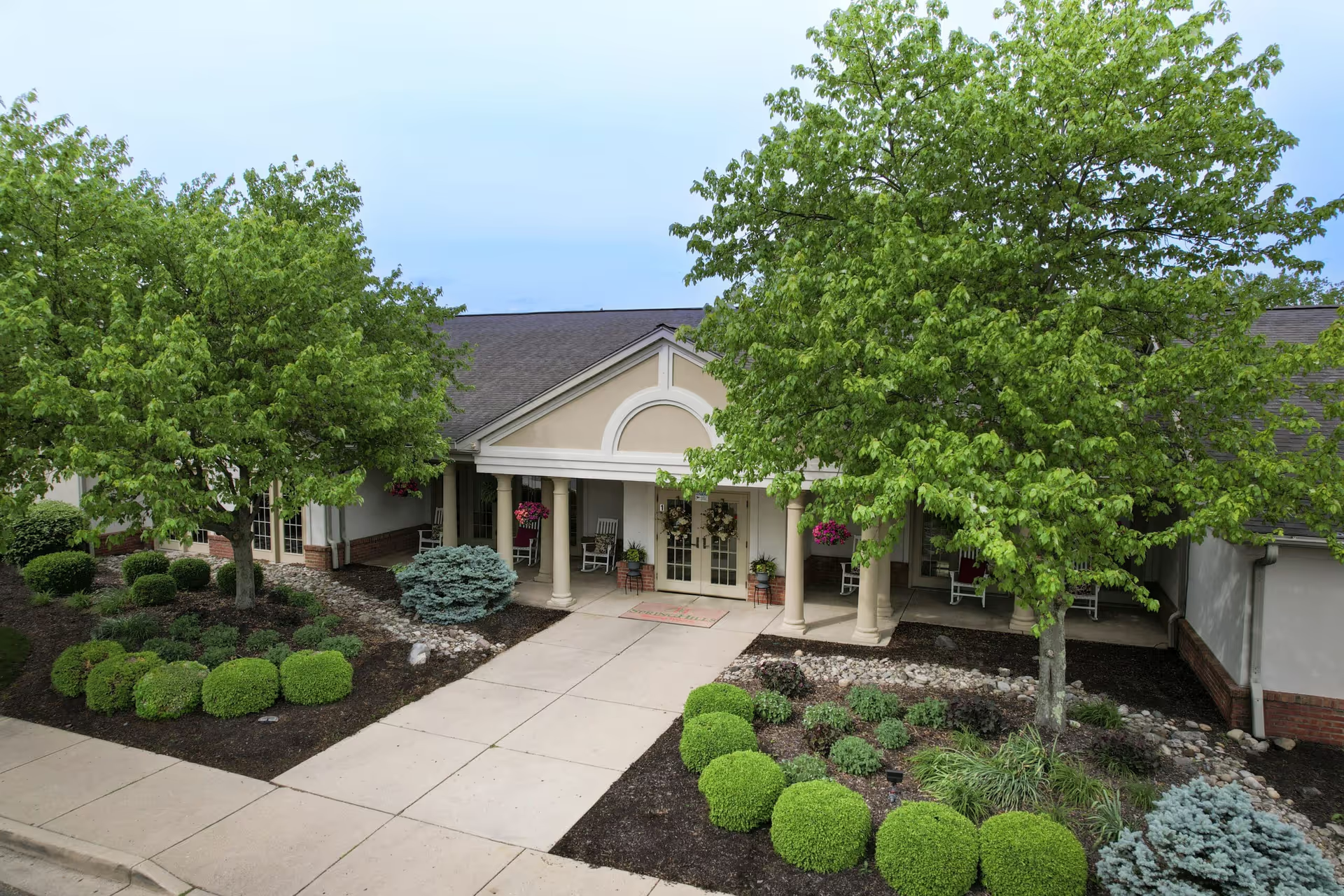
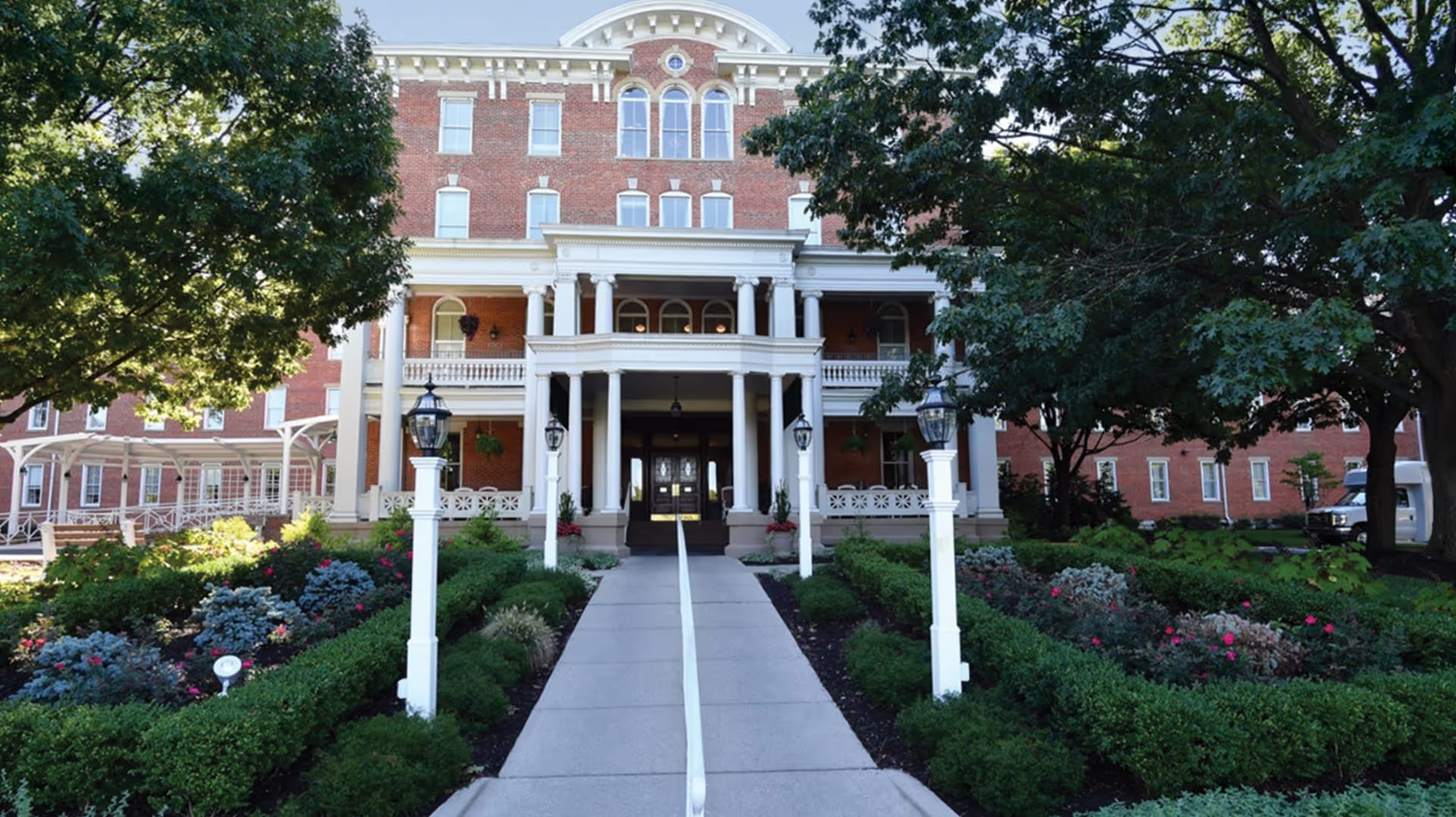
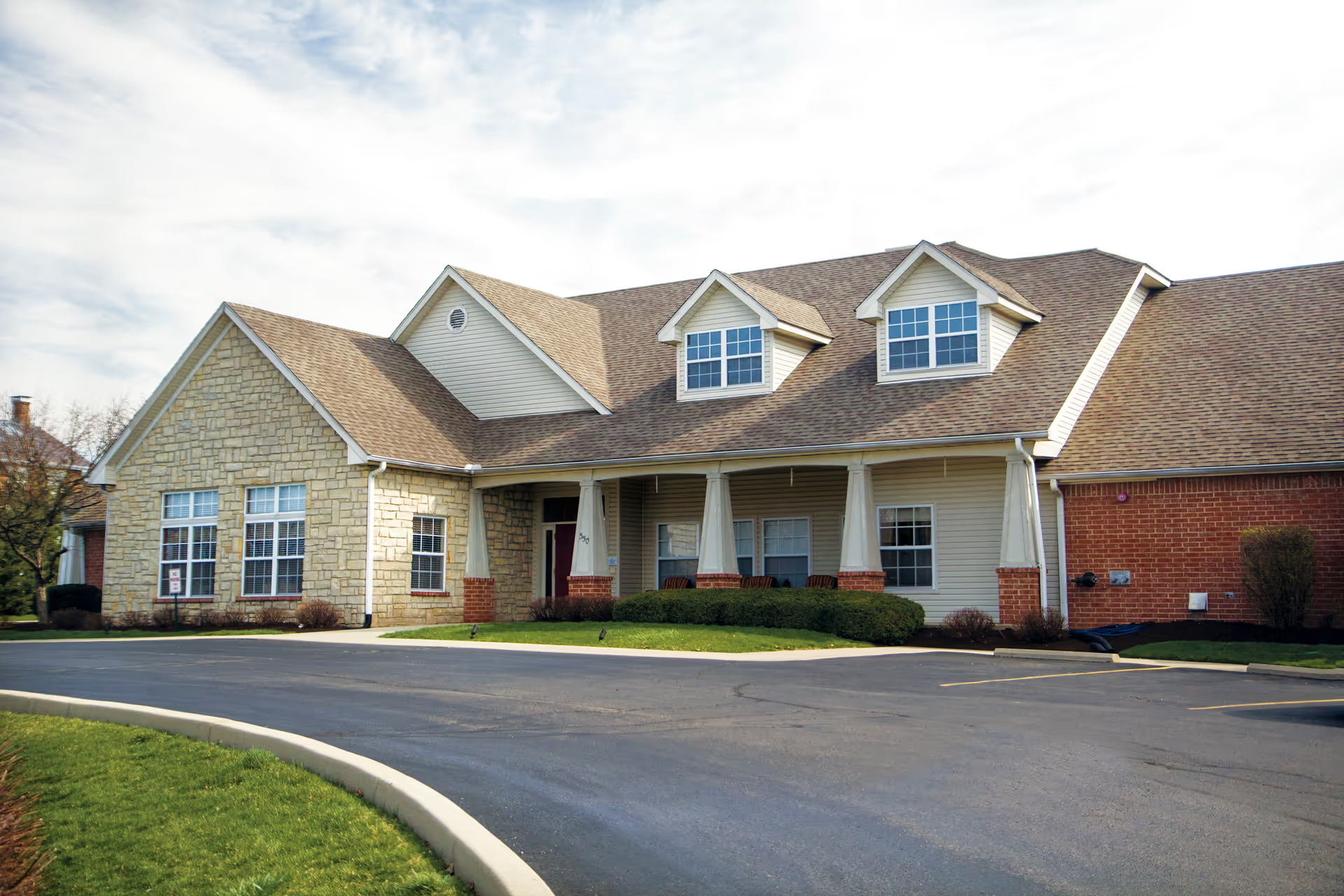
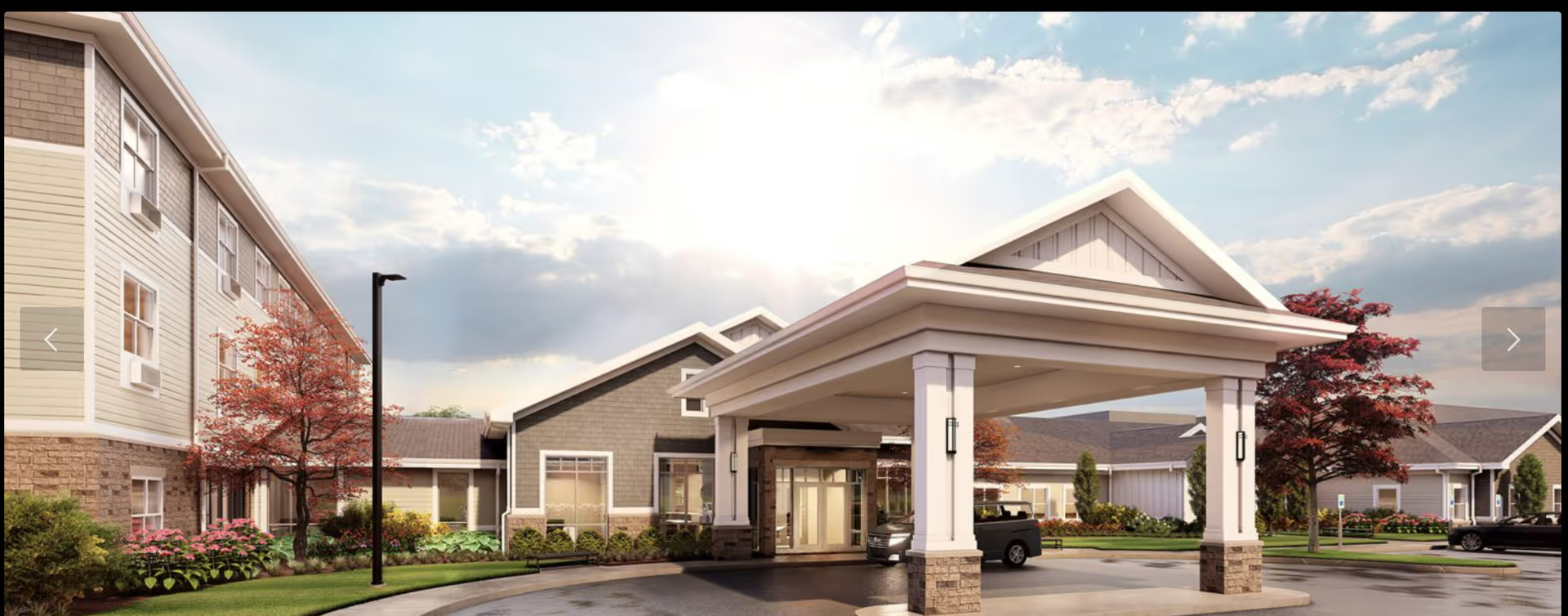
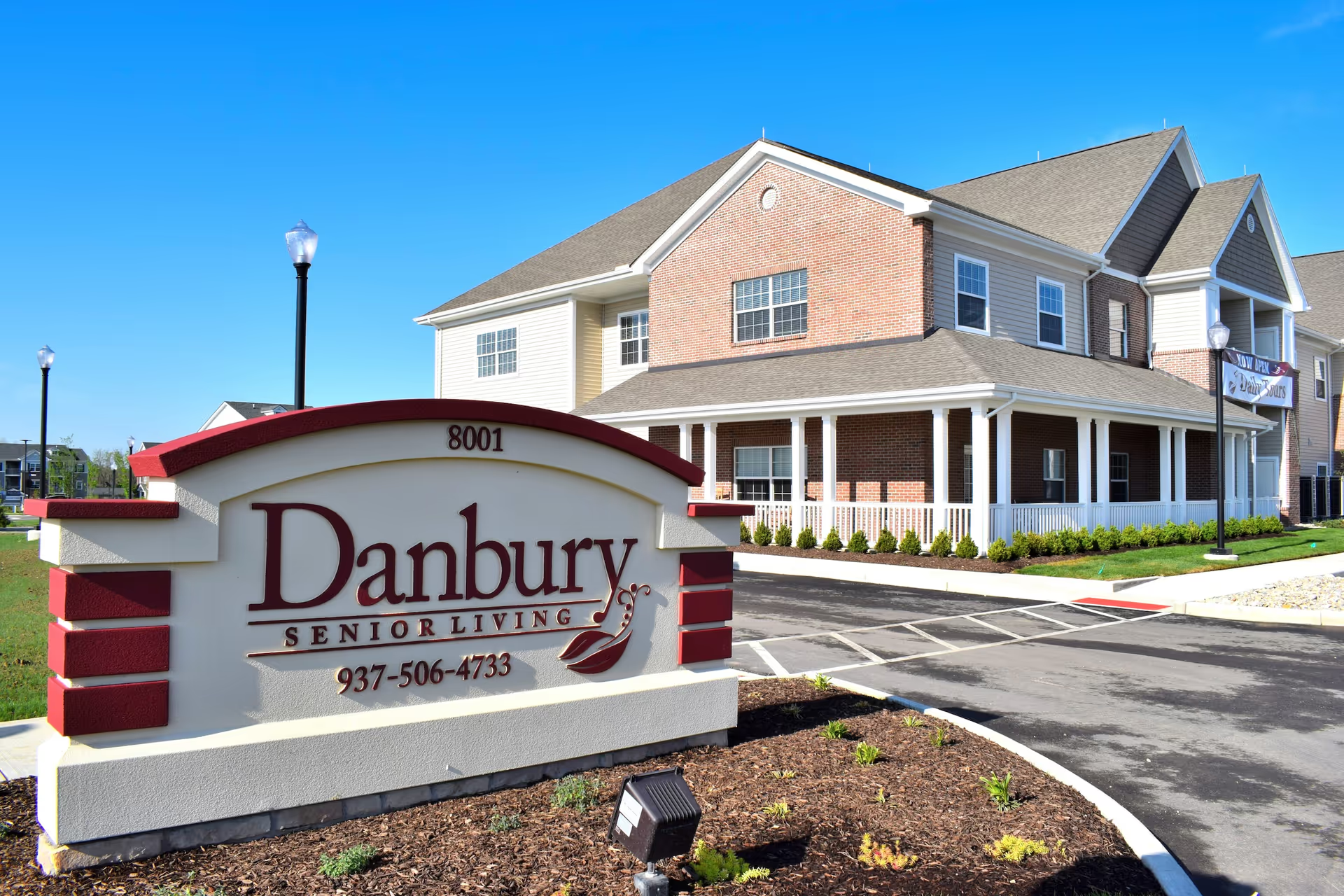
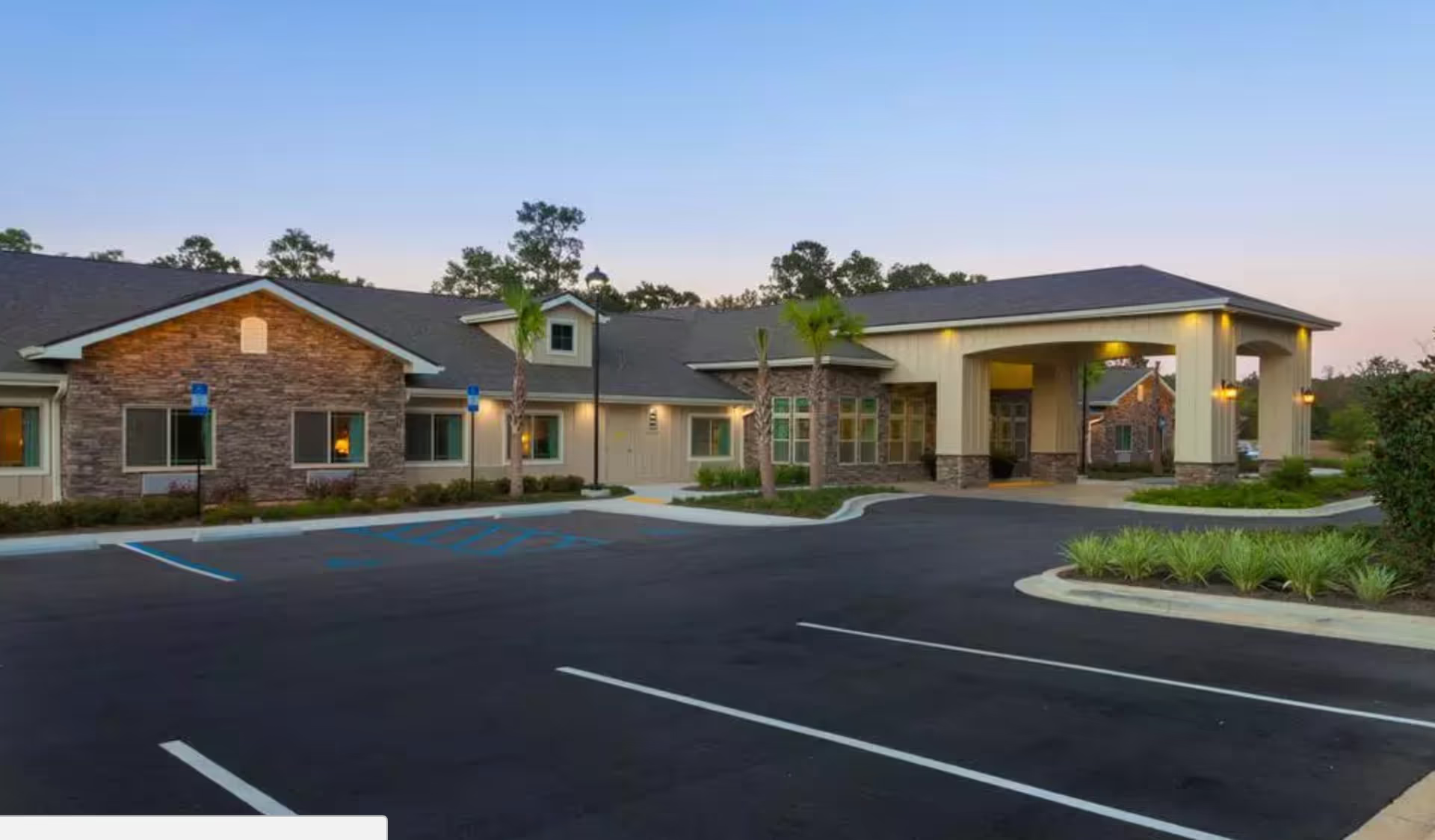
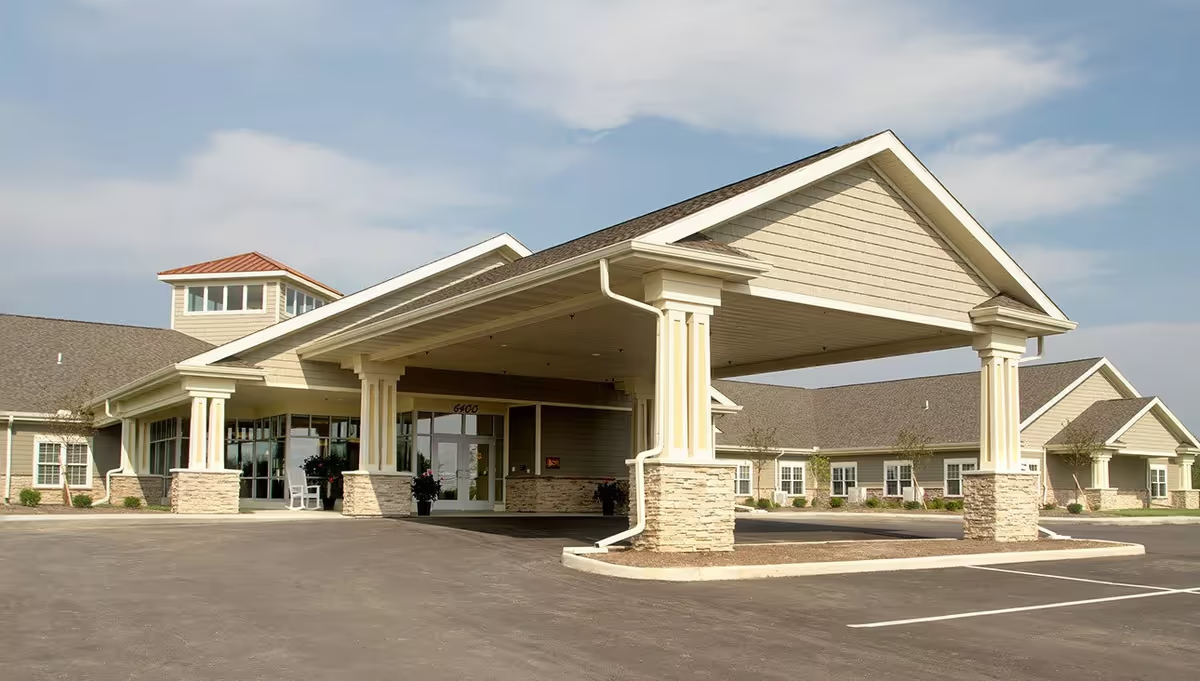
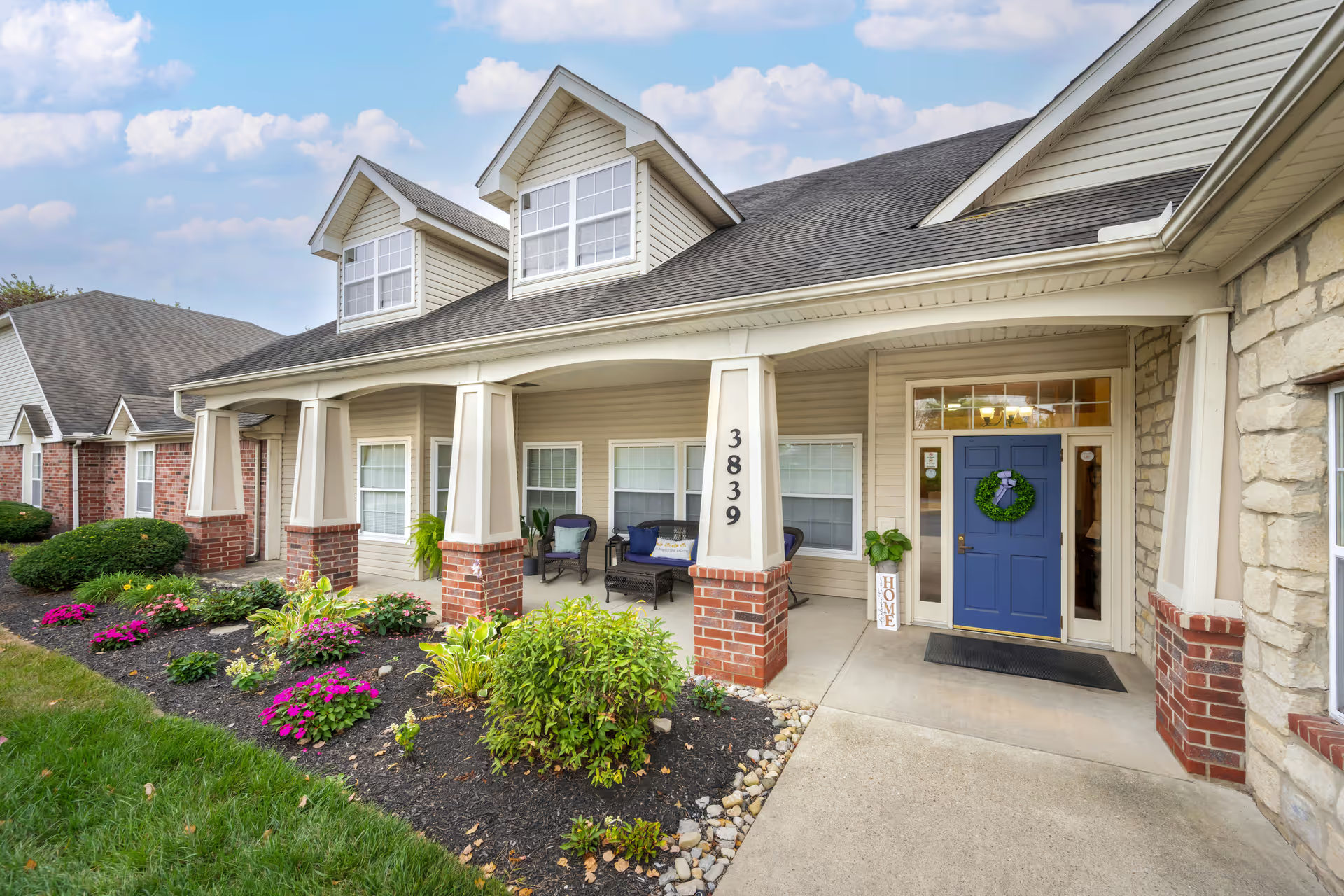
Facilities and housekeeping: Initial impressions of a clean, bright reception area were noted, but other comments describe sanitation concerns in resident rooms, common areas, and assistive equipment. Reports of inconsistent housekeeping, odor concerns in areas, and equipment cleanliness variability indicate uneven maintenance and infection-control practices across the facility.
Management, communication, and safety: Families described problems with communication—delayed or absent notifications about clinical changes, abrupt or unhelpful responses from administrative staff, and a perceived lack of follow-through on complaints. Safety-related themes include supervision lapses (falls and unattended residents), transfer- and overnight-care vulnerabilities, and medication-tracking deficiencies. There are also allegations of theft and financial irregularities; these are serious assertions that warrant verification through regulatory and legal records.
Notable patterns and guidance: The overall pattern is one of variability — some families encountered attentive, caring staff and meaningful activities, while others experienced operational weaknesses that affected clinical care, nutrition, sanitation, and communication. Prospective residents and families should perform an in-person assessment, review state inspection reports and any ongoing investigations, and ask targeted questions about medication-administration protocols, staffing ratios and turnover, therapeutic-diet procedures, housekeeping schedules, incident reporting, family notification practices, and property-security safeguards before making placement decisions.