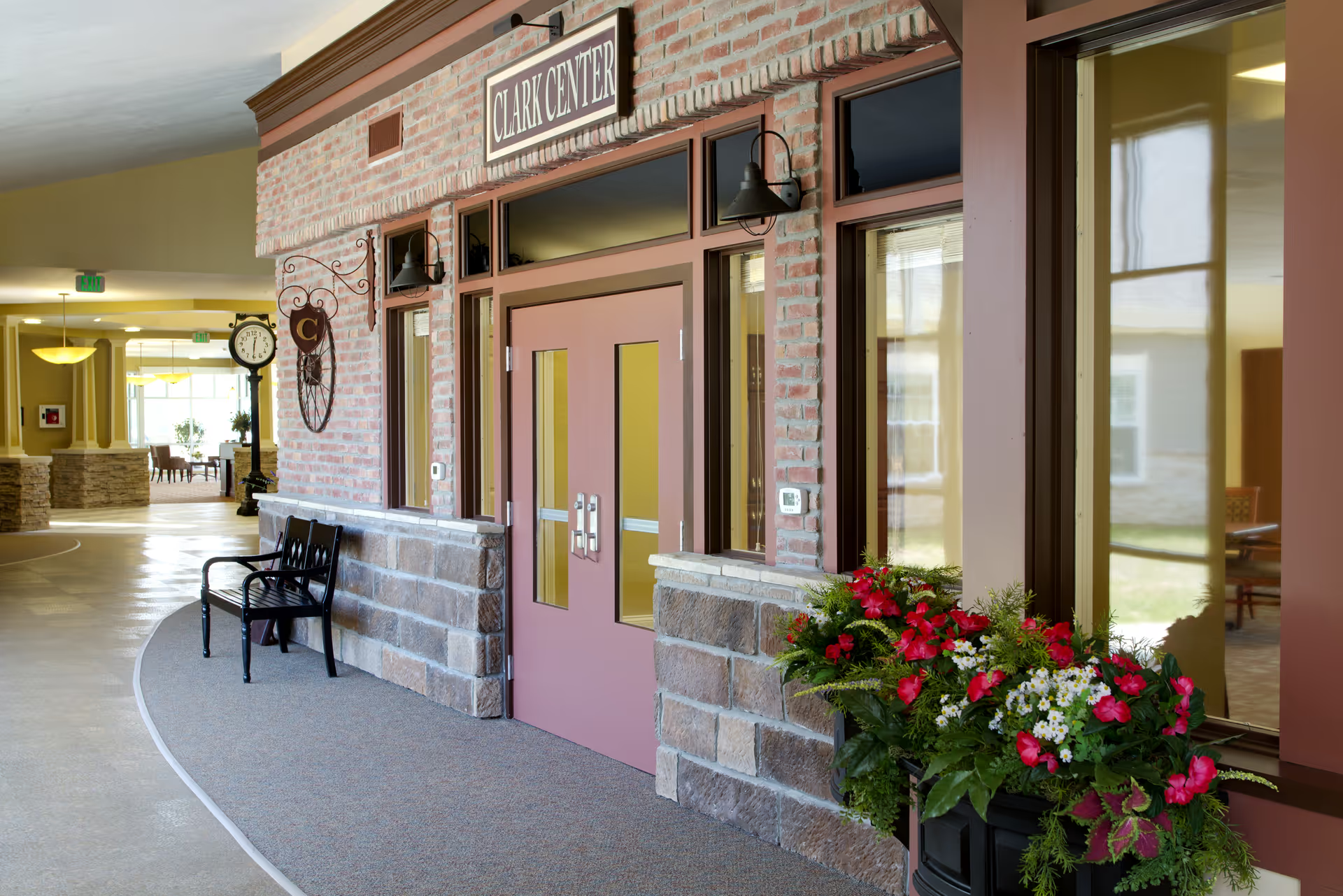
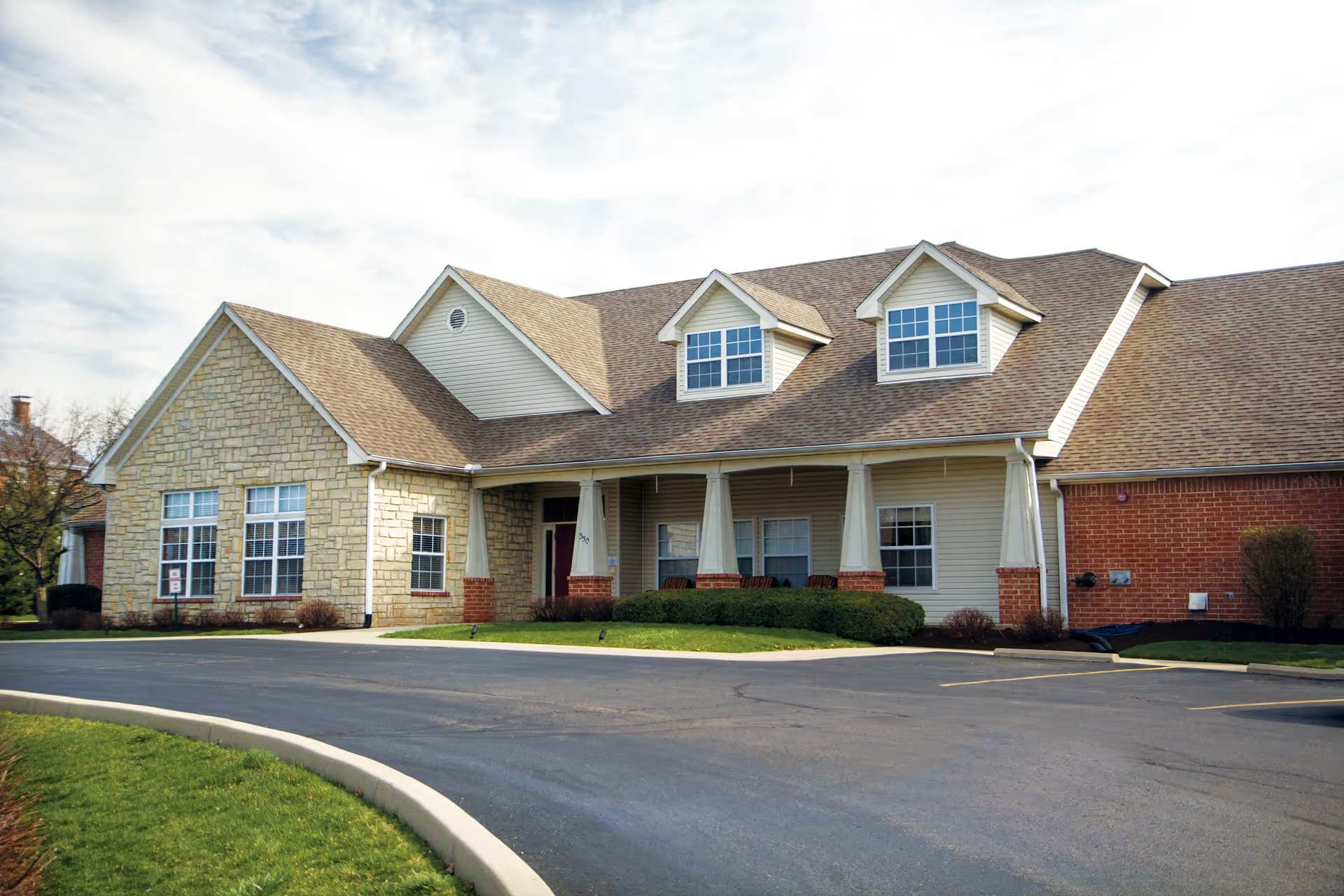
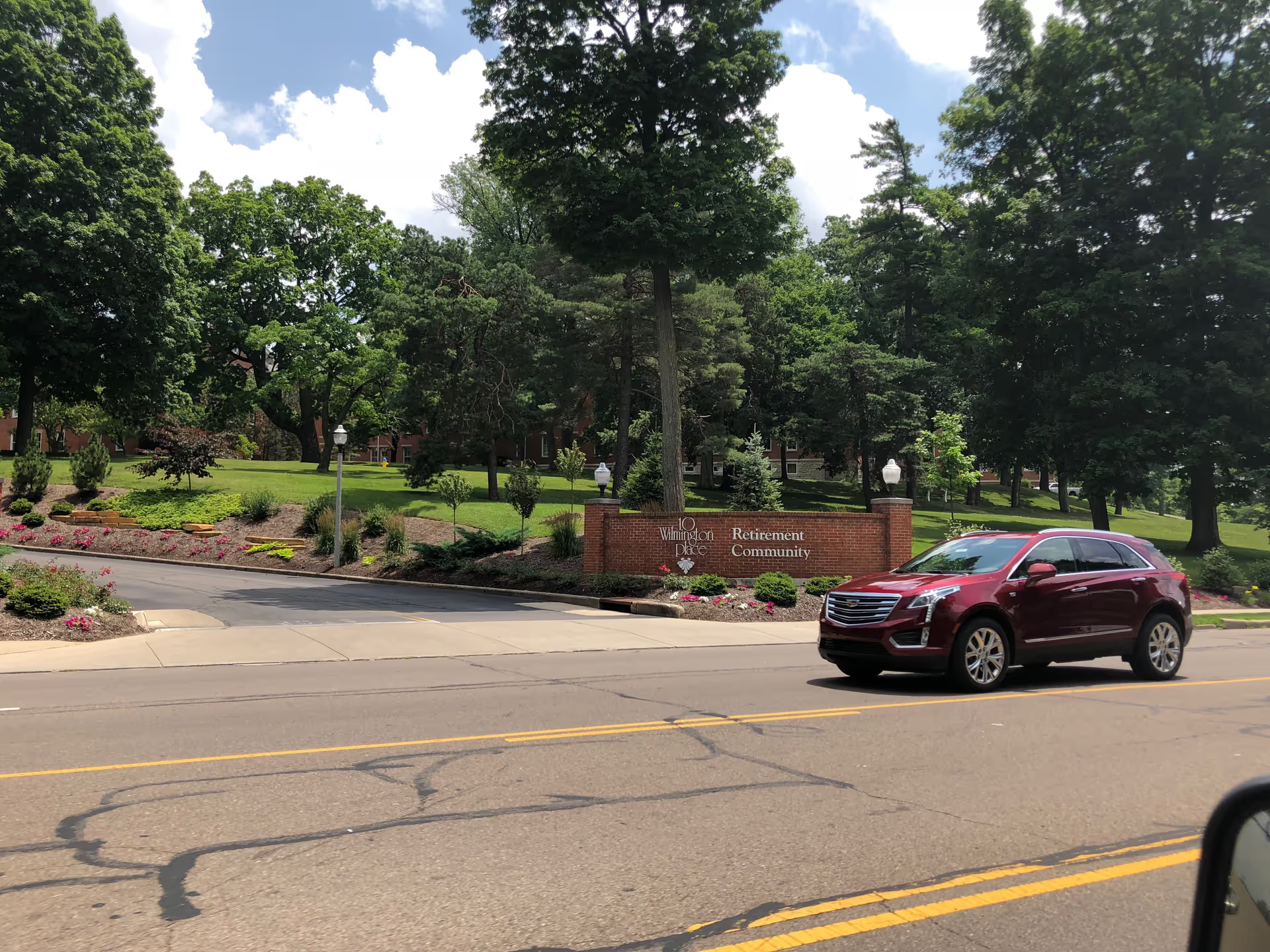
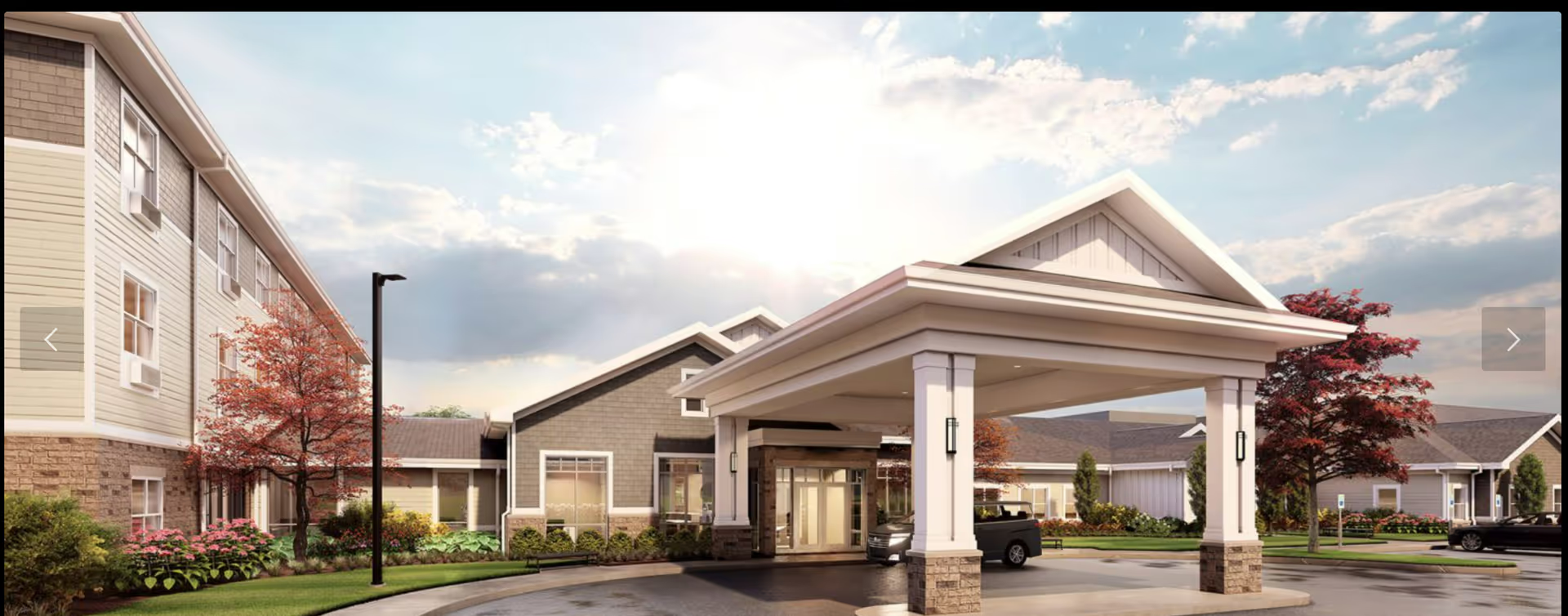
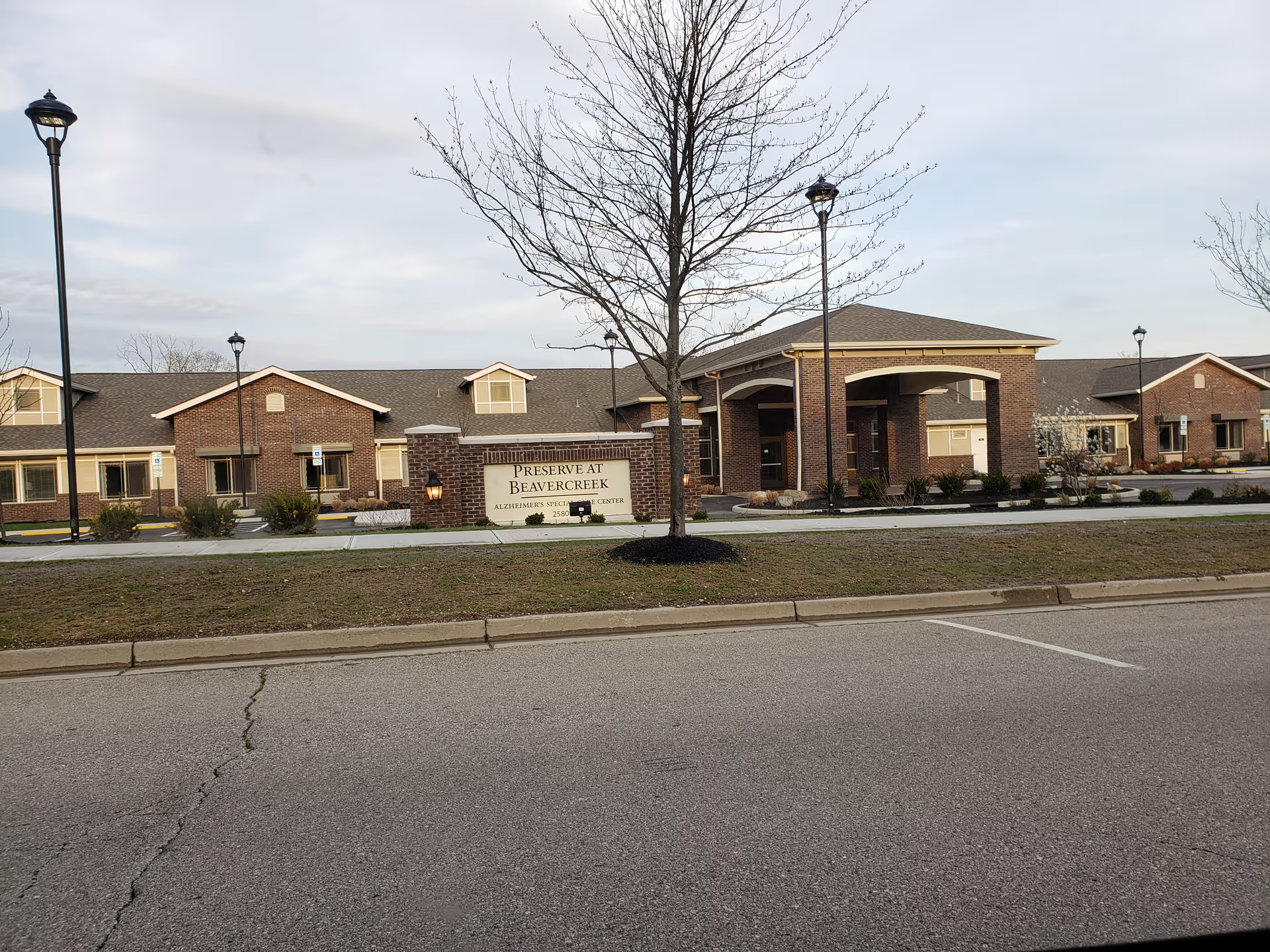
Stonespring Skilled Nursing Facility elicits widely divergent impressions. Many families and patients praised the facility’s rehabilitation services, therapy teams, and several individual staff members who provided attentive, recovery-focused care. The campus, interior design, and amenities — including landscaped grounds, spacious semi-private rooms, a chapel and community spaces — were frequently described as attractive and comfortable. Dining quality and activity programming also received positive comments, with families noting engaging social events and generally good meals and communal spaces.
Despite those strengths, a clear pattern of operational inconsistencies emerges across reviews. Clinical-care quality appears variable: some residents received strong, individualized nursing and therapy, while others experienced gaps in medication management, wound and post-operative care, and monitoring. Multiple accounts point to slow or unreliable call-light responses and limited night and weekend coverage, which families associated with delayed assistance and worsened outcomes in individual cases. Understaffing and uneven staff skill levels were common themes linked to these delays.
Staff quality is described as uneven. Reviewers consistently identify standout clinicians and aides who provide compassionate, professional care; at the same time, other shifts or individuals were characterized as inattentive, uncommunicative, or task-focused. Communication with families is another mixed area: some families praised clear, respectful updates and helpful admissions staff, while others described difficulty obtaining timely information, unresolved billing questions, and poor coordination around transfers or discharge planning.
Facility operations and housekeeping likewise show contrast. The building, public areas, and therapy spaces were often described as clean and well-maintained, but several reviews referenced sanitation and housekeeping inconsistencies in resident rooms, laundry problems, and lapses in personal-item handling. Meal service is generally viewed positively for quality and menu variety, yet reviewers also documented issues with late trays, insufficient feeding assistance for residents who need help, and occasional mismatches between diet orders and delivery.
Management and systems-level issues appear to drive many negative experiences. Reviews suggest weaknesses in transfer/discharge logistics, billing transparency, and infection-control consistency. There are also repeated mentions that the facility is not ideally suited for residents with advanced dementia or high supervision needs; families of such residents reported requiring much closer oversight or choosing alternate placements. While management intervened successfully in some cases, other families found administration slow to respond or unwilling to acknowledge systemic problems.
In summary, Stonespring offers strong rehabilitation programming, appealing facilities, and several highly regarded staff members, making it a good fit for patients seeking therapy-focused, short-term recovery in an attractive setting. Prospective residents and families should explicitly assess current staffing levels and shift coverage, confirm wound-care and medication-consent procedures, verify dementia-care capabilities if relevant, and request clear plans for family communication, transfers, and laundry/personal-item handling before admission. These steps can help align expectations with the facility’s variable operational performance described across reviews.