Overall impression: Reviews present a mixed picture. Many families and residents describe strong, compassionate day‑to‑day caregiving, an effective therapy department, and a small, community‑oriented environment. At the same time, a set of operational weaknesses—chiefly around staffing stability, communication, and certain safety and sanitation processes—recurs across accounts and has materially affected some residents' experiences.
Care and staff: The facility receives frequent positive comments for its hands‑on caregivers, long‑tenured staff, and a robust rehabilitation program. Several families specifically praised therapists and named clinicians who provided motivating, outcome‑focused rehab. However, others noted variability in staff performance: understaffing, heavier reliance on agency staff, and uneven responsiveness to call lights and requests. Reviews indicate a split between consistently praised caregivers and instances where responsiveness, conduct, or clinical follow‑through fell short of expectations.
Dining: Descriptions of food and dining are inconsistent. Multiple accounts highlight a pleasant dining room, enjoyable meals, and good dining support, while other accounts describe a notable decline in meal quality and interruptions in meal service after ownership or management changes. Prospective residents should sample menus and ask about current kitchen staffing and meal schedules.
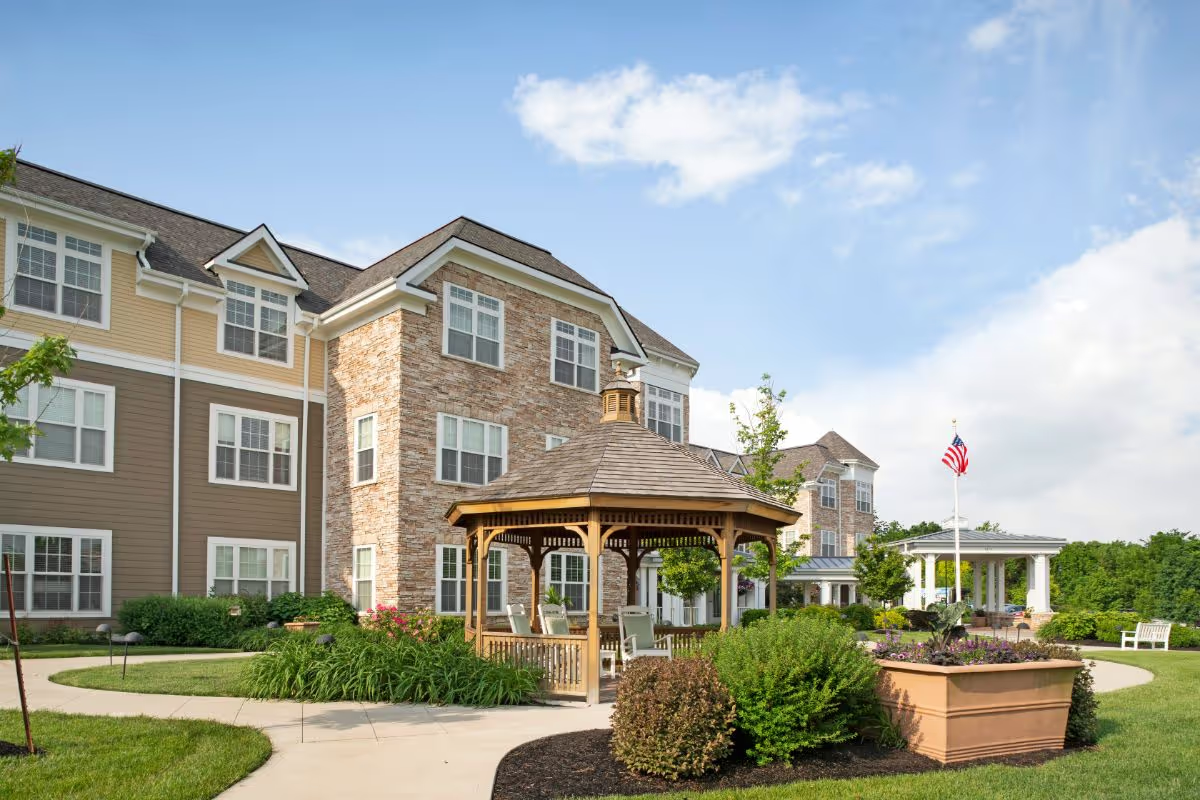
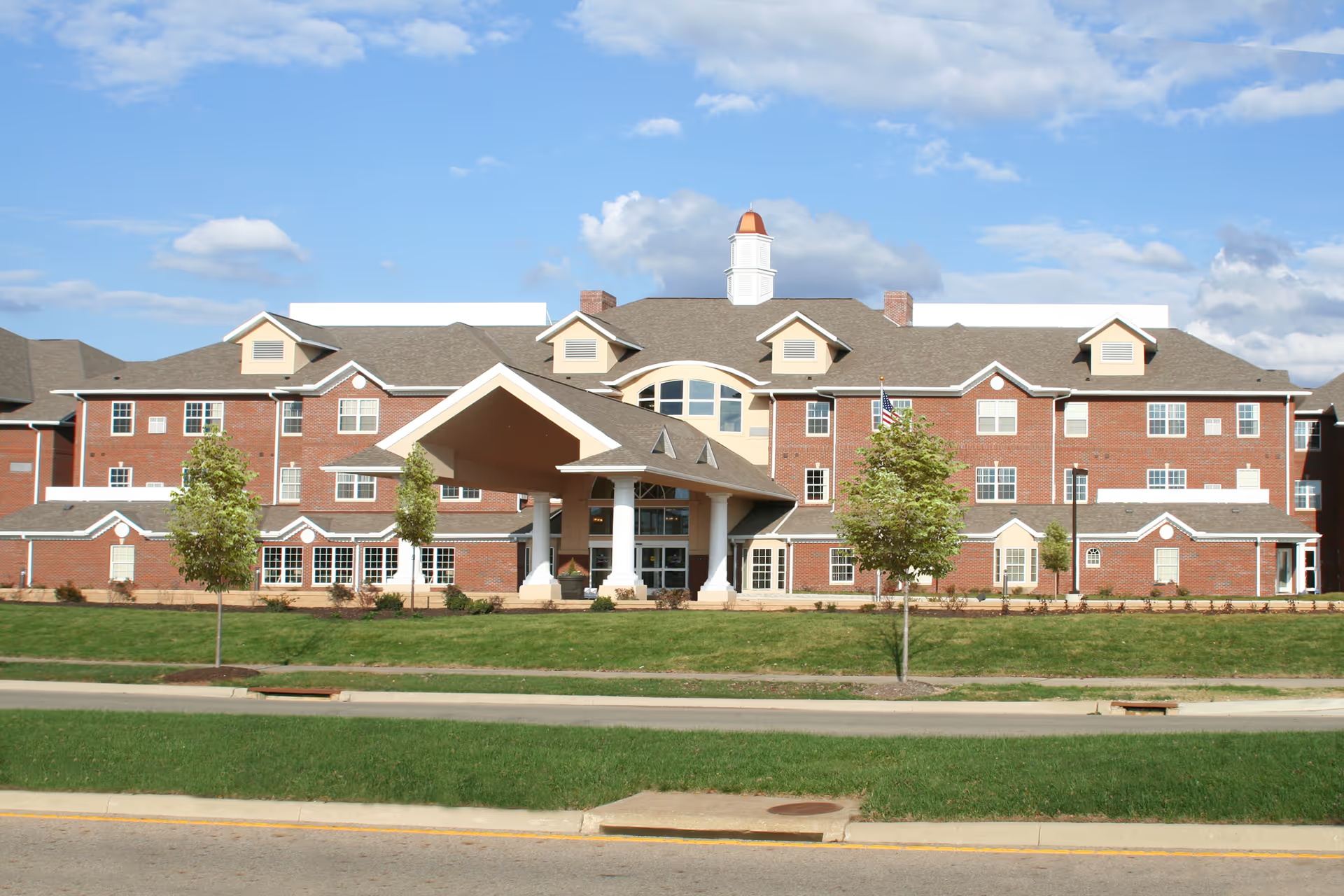
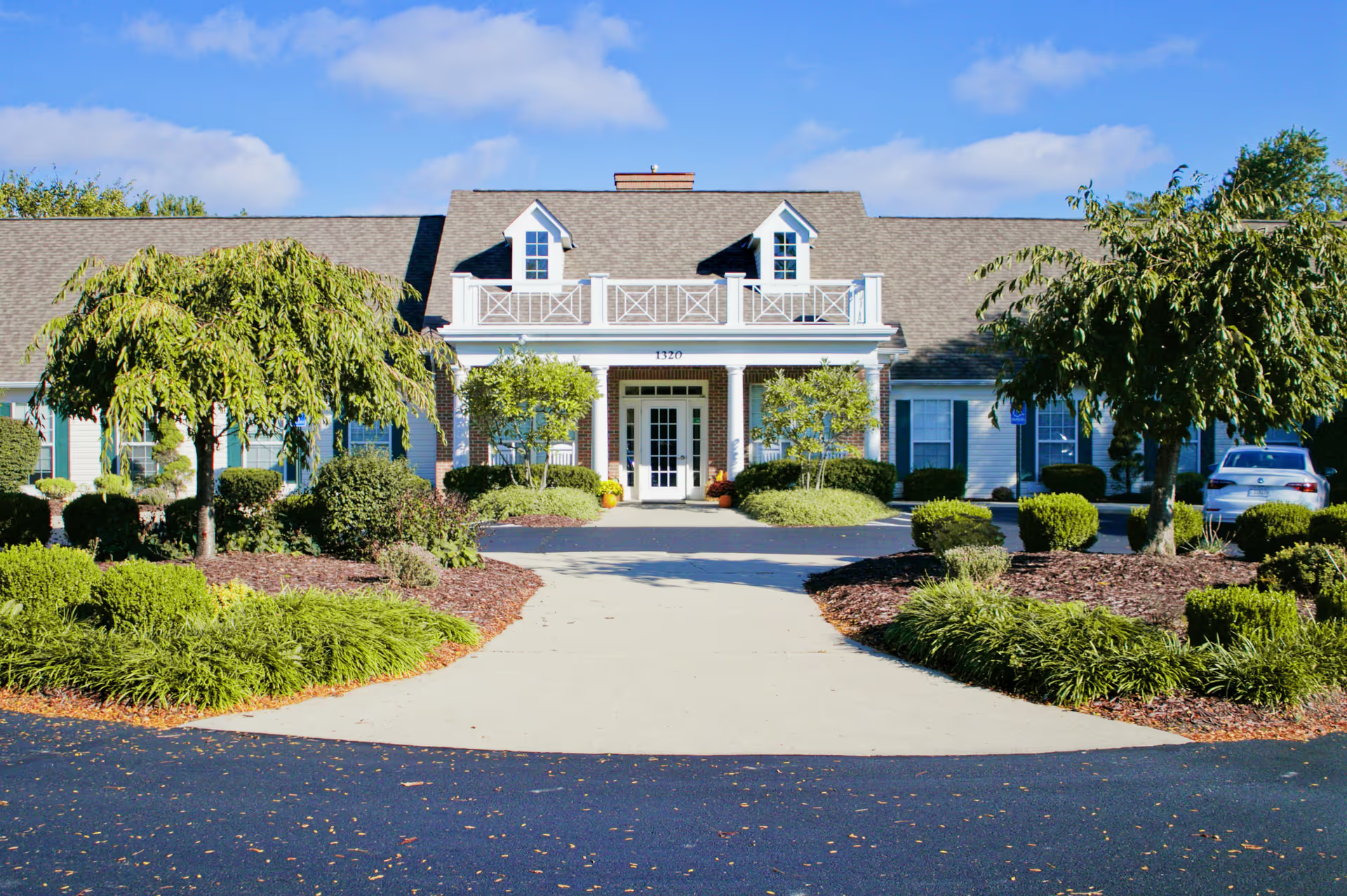
Activities and environment: The facility is frequently described as cozy and community‑oriented with an active calendar—bingo, trivia, choral groups, animal visits, and an engaged social director were mentioned positively. Rooms are commonly described as comfortable and apartment‑style with conveniences such as microwaves and refrigerators. Outdoor areas and views are also seen as a plus for resident quality of life.
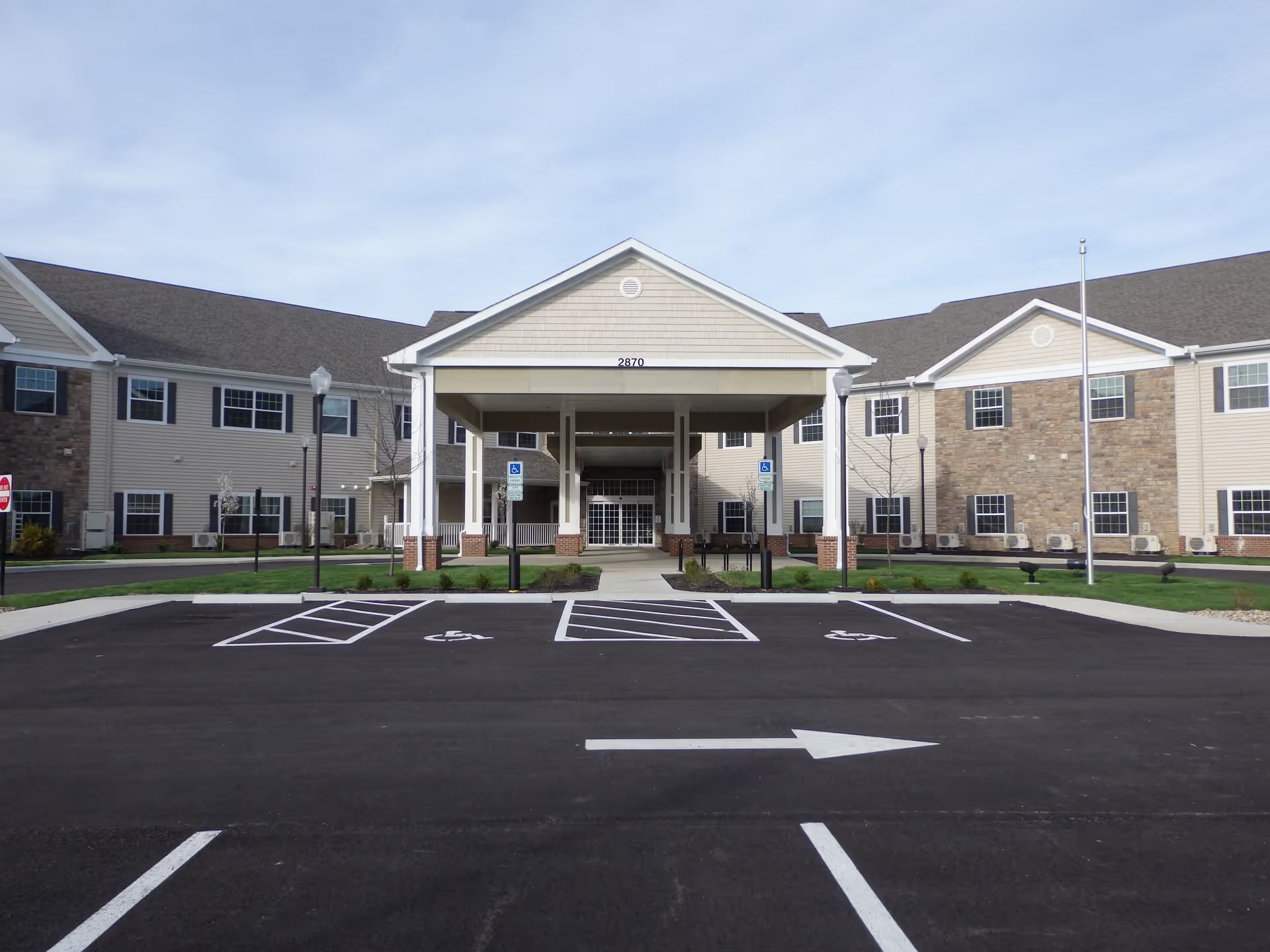
Facilities, safety, and cleanliness: Many reviewers praised cleanliness and housekeeping; others raised sanitation and odor concerns in particular areas and cited inconsistent cleaning or maintenance. Safety concerns include descriptions of delayed responses to falls and an older or outdated emergency call/notification system that may contribute to slower assistance and ambulance coordination. These suggest variability in environmental maintenance and emergency readiness rather than uniform facility‑wide performance.
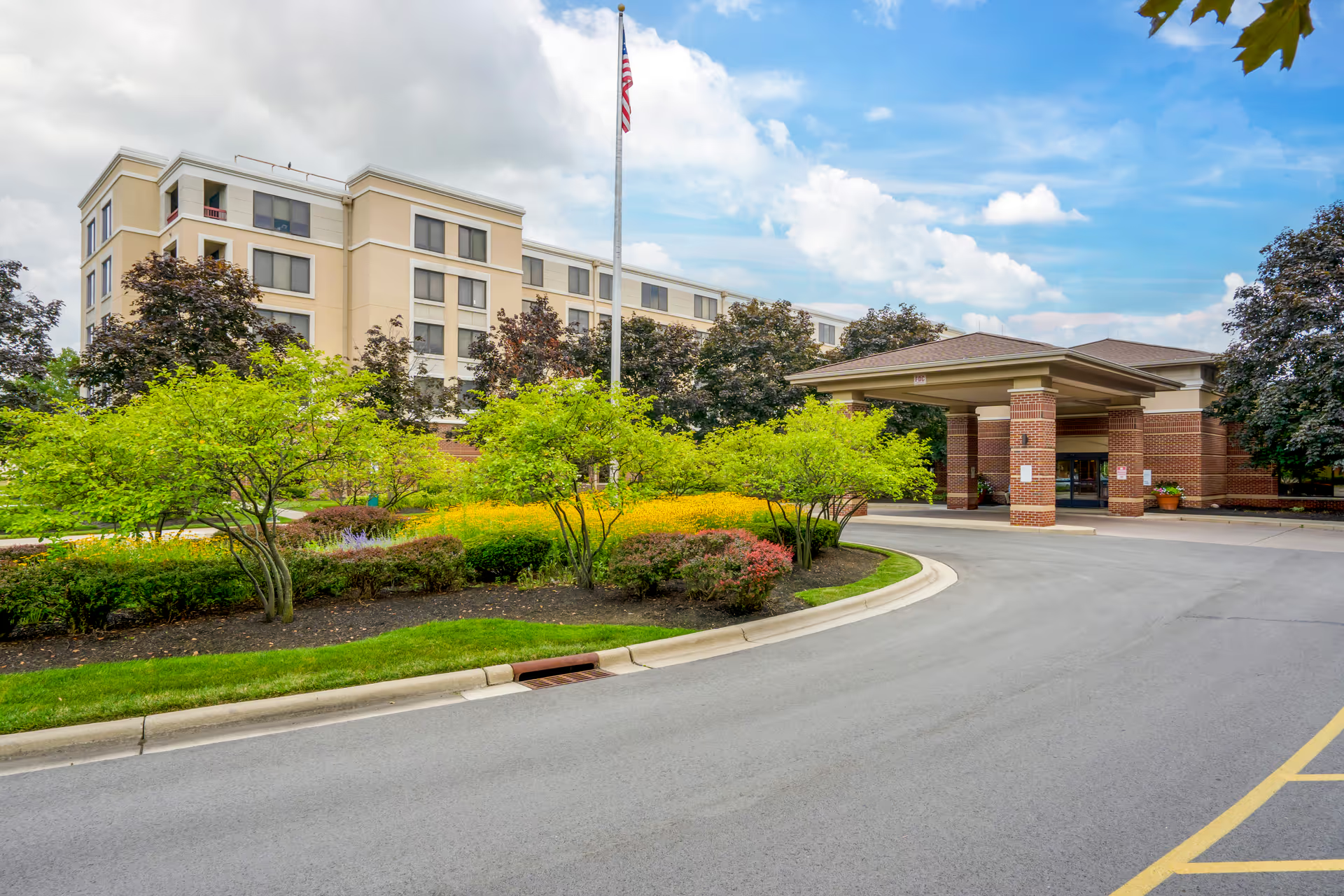
Management and communication: Several reviewers point to communication and coordination gaps between clinical teams, front‑office staff, and families. Entrance/access confusion, inconsistent receptionist behavior, and perceived gaps between administrative goals and on‑the‑ground implementation were cited. Ownership and management changes were associated in some accounts with operational instability, staffing reductions, and a change in culture; this appears to be a salient context for several negative observations.
Notable patterns and guidance: The dominant pattern is one of contrasts—strong therapy outcomes, compassionate long‑term caregivers, and a warm, small‑community feel versus intermittent operational lapses in staffing, communication, and certain safety/cleaning practices. There are also serious clinical concerns mentioned by families, including incidents that followed a resident's death; prospective families should review facility inspection records and ask for clarifications on such high‑severity items.
Recommendations for prospective residents and families: Arrange in‑person visits during mealtimes and activity periods; observe staffing levels and call‑light responsiveness; request current staffing ratios and agency‑staff usage; ask about physician coverage and clinical oversight; inquire about call‑bell technology, fall‑prevention protocols, and cleaning schedules; and review recent inspection and complaint records. These targeted questions can help assess whether the facility’s strengths meet your needs and whether the operational concerns described in some accounts have been addressed.