Overall impression: Reviews convey a polarized set of experiences at Maple Gardens Rehabilitation and Nursing Center. Many families and former residents describe a clean, attractive environment and staff who demonstrate genuine commitment to resident well-being, particularly in rehabilitation and social engagement. At the same time, other accounts highlight operational and clinical inconsistencies that create variability in the quality of care.
Care and clinical services: Rehabilitation services receive consistent praise for improving mobility and promoting independence; reviewers specifically noted therapy guidance and successful outcomes such as standing and reaching abilities. Discharge planning and post-discharge follow-up calls are described positively in a number of accounts. However, serious operational gaps are also reported: shortcomings in medication management (including discharge medication continuity), limited access to appropriate physicians, and delays in clinical responsiveness following incidents. Several reviews referenced a resident death and raised questions about the timeliness and clarity of the facility's clinical response and family notification.
Staff and conduct: Many reviewers emphasize compassionate, family-style interactions, staff pride, and personnel who treat residents like family. Conversely, other accounts describe variable interpersonal conduct, including allegations of rough handling, perceived rudeness, and inconsistent attention to residents' needs. This creates a pattern of unpredictable staff behavior: some families experience highly attentive care while others report delays in response and deficiencies in bedside conduct. Communication tone and responsiveness to families appear to vary by shift and department.
Dining, activities, and social environment: Dining receives generally favorable comments for food quality, and the facility is described as having an active social atmosphere with residents engaging in music and communal activities. The presence of on-site smoking accommodation and a small-town, close-knit culture are viewed positively by some residents. At the same time, reviewers mentioned operational issues such as occasional supply shortages and interruptions to meal service that could affect daily routines.
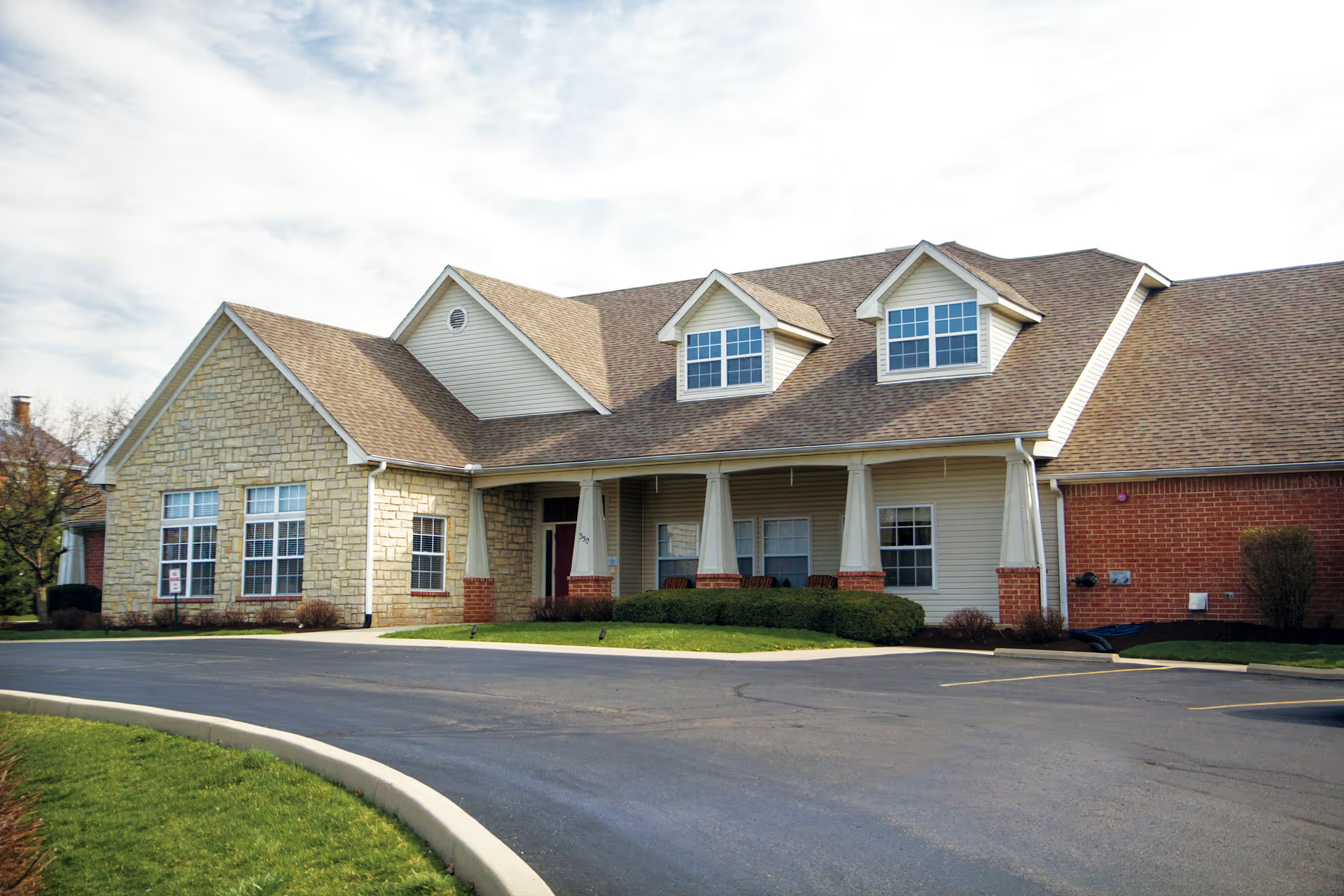
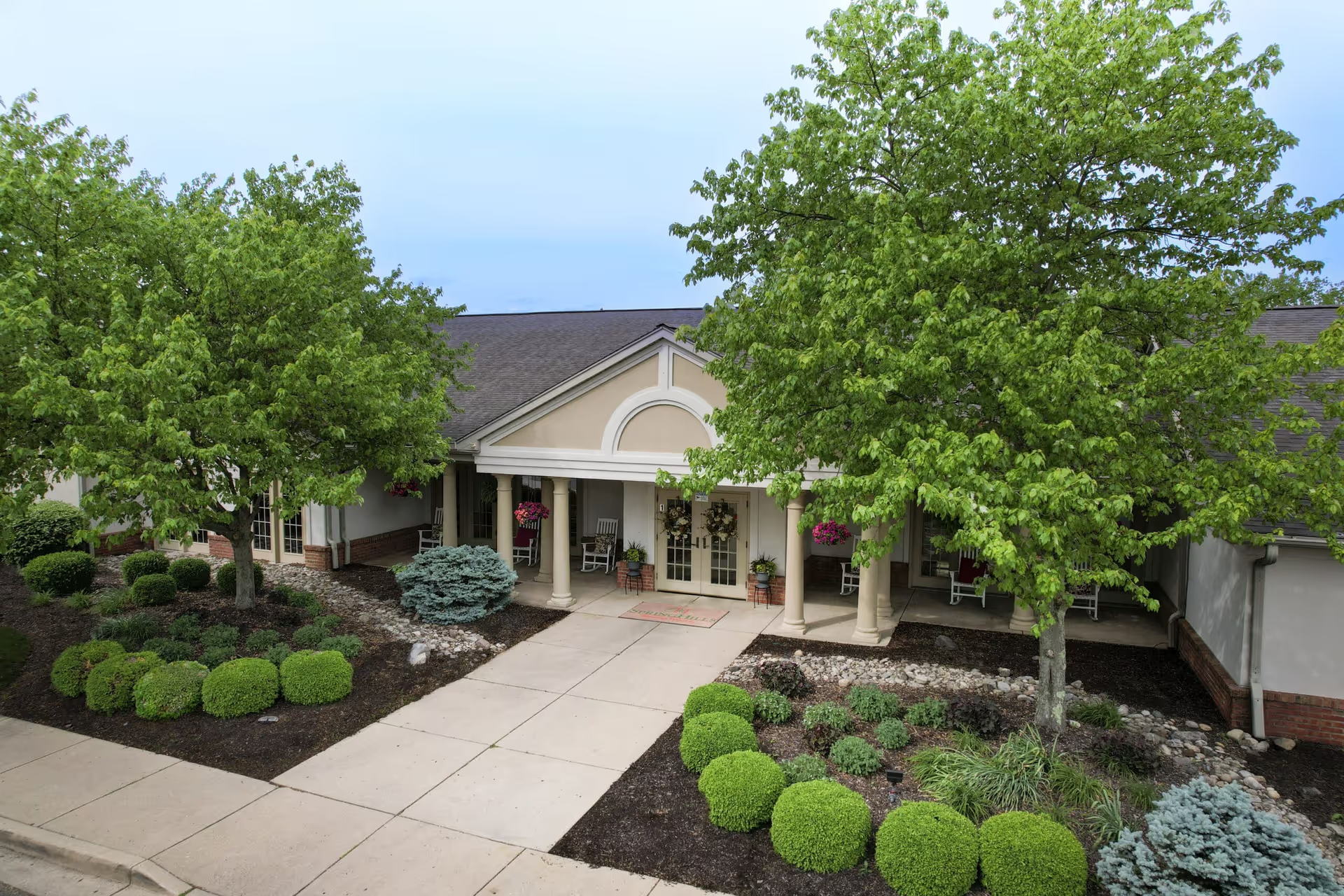
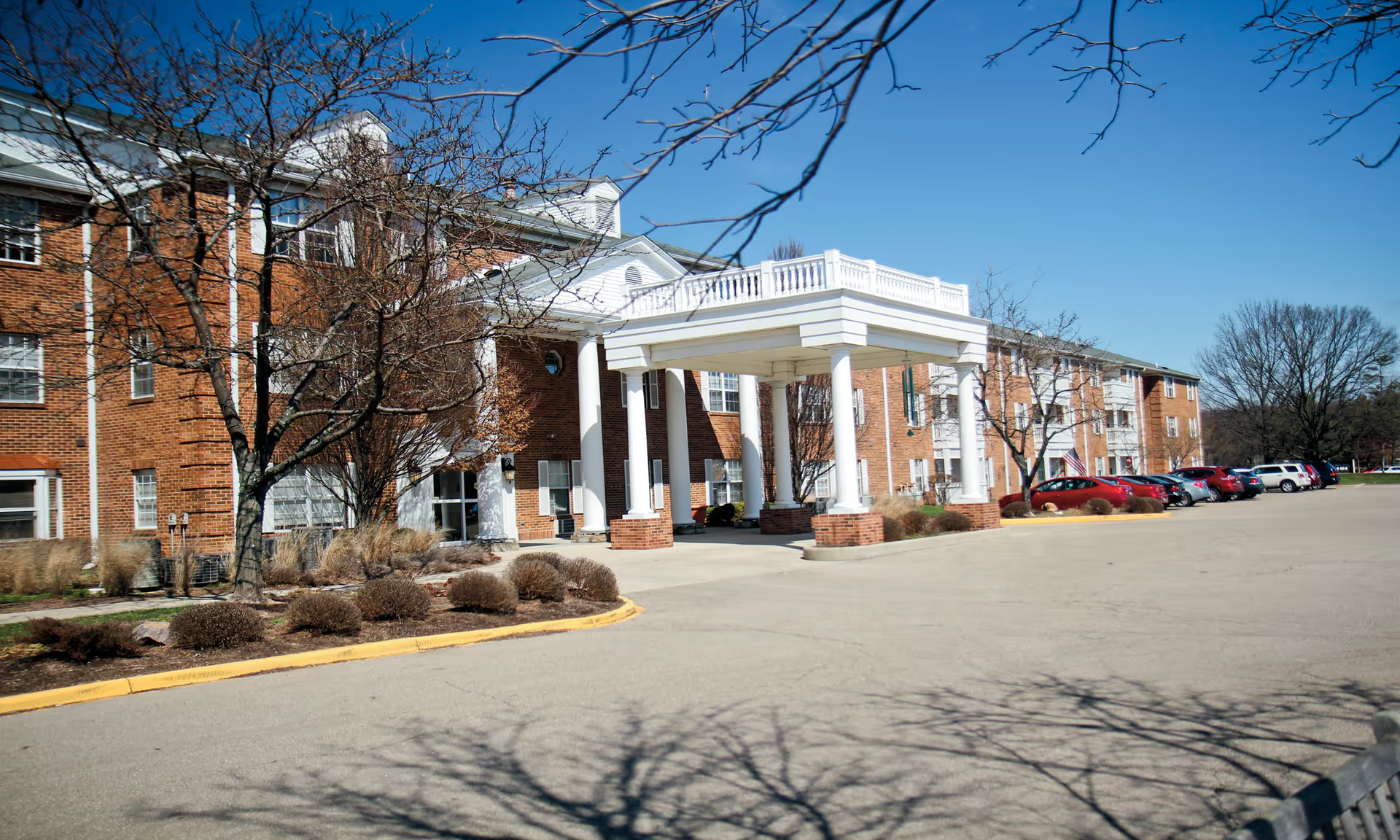
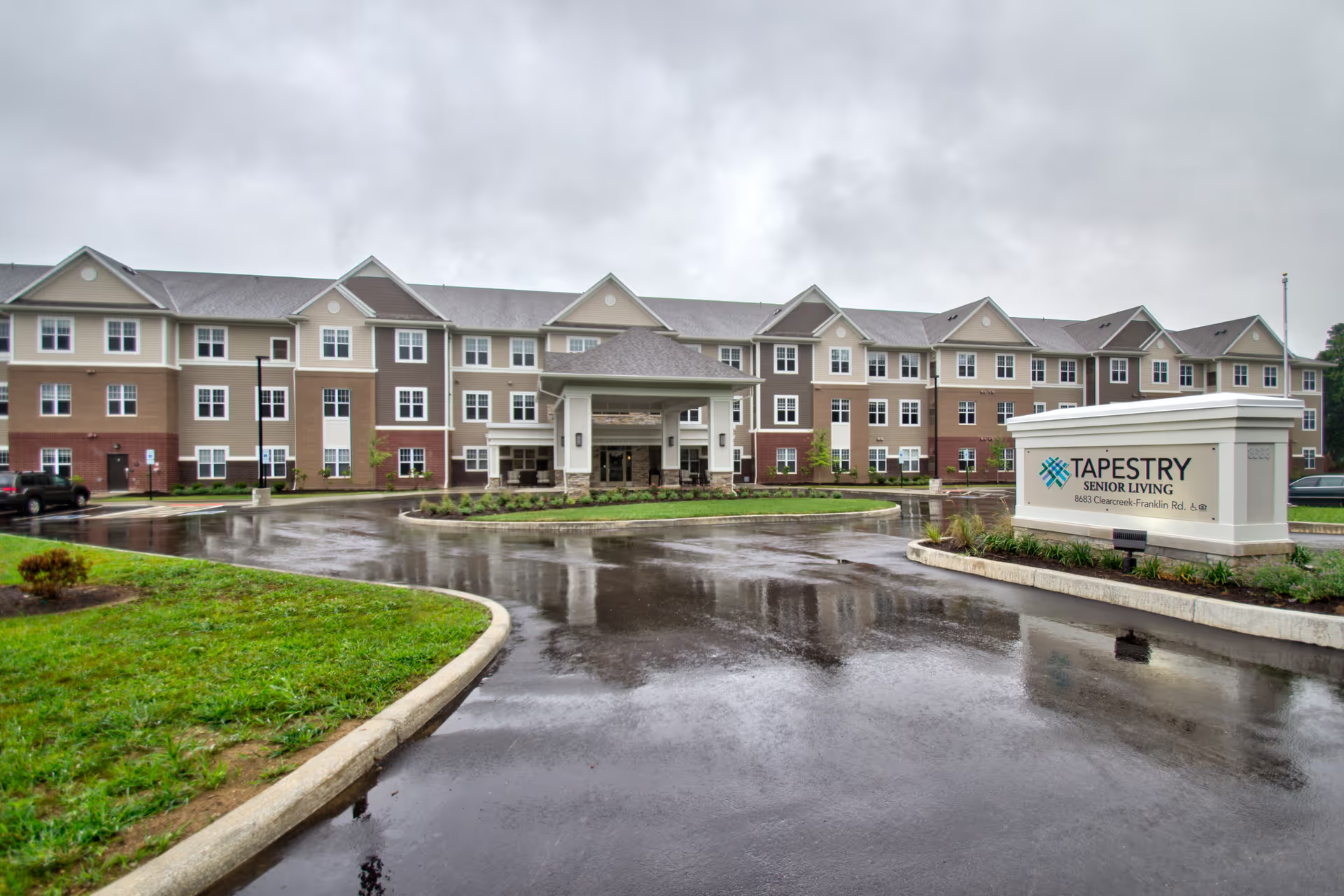
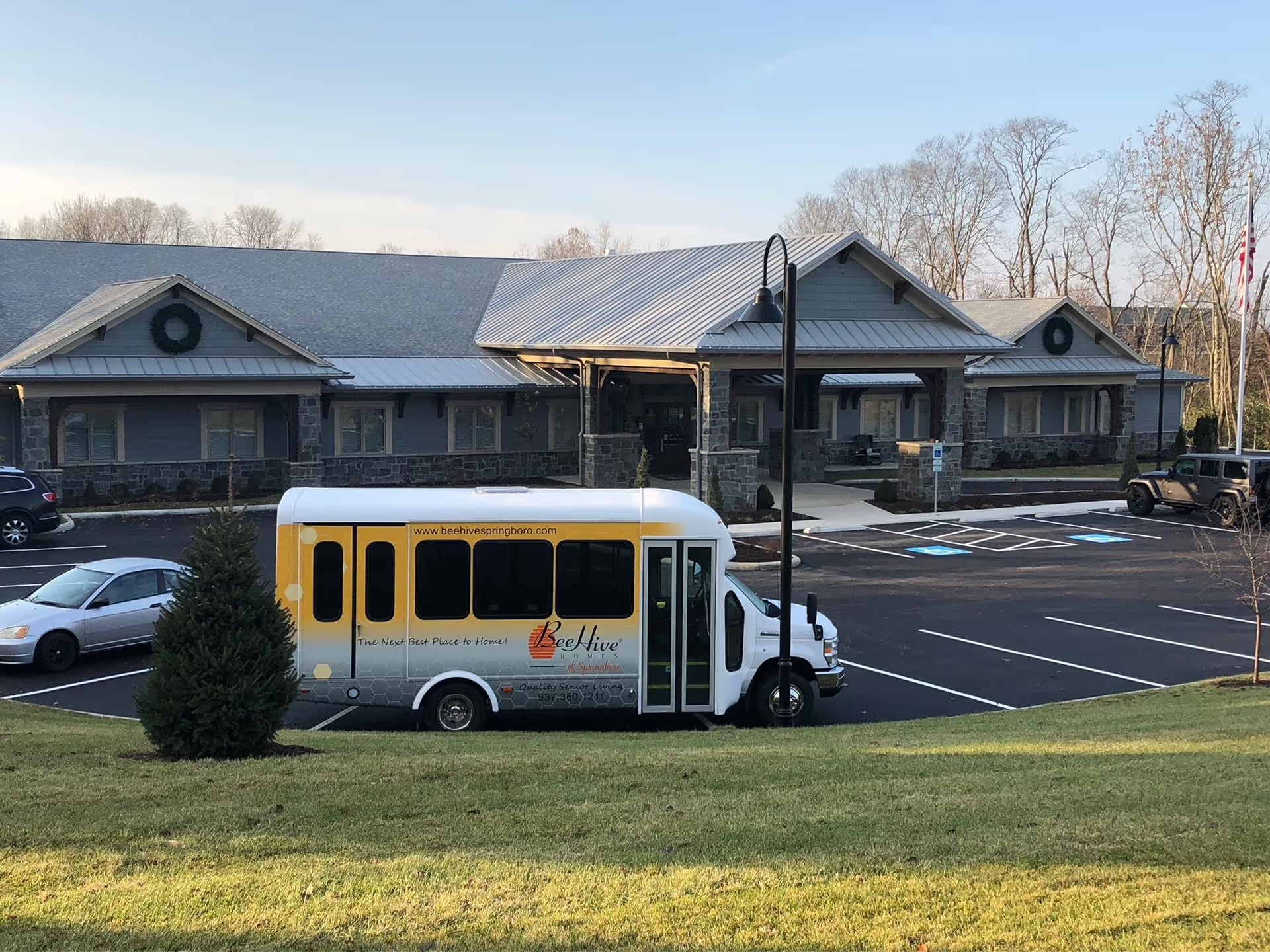
Facilities and maintenance: Physical plant impressions are largely positive — reviewers describe clean, attractive, and well-maintained common areas and private rooms, with some recent room upgrades. Contrasting reports cite maintenance and housekeeping lapses in certain areas (lights, showering facilities, and stock of routine supplies), indicating inconsistency across units or shifts.
Management and governance: Staff dedication and pride are recurrent themes, yet reviewers also point to management and ownership changes that appear to have affected consistency of care. There are also serious allegations raised about financial exploitation and privacy violations; these claims are significant and would warrant follow-up with facility leadership and regulators for verification. Communication and incident-management processes are another recurrent concern — families seeking timely, clear updates after clinical events have sometimes found those processes inadequate.
Bottom line: Maple Gardens appears capable of providing high-quality rehabilitation and compassionate daily care for many residents, particularly when staffing and supervision are consistent. Prospective residents and families should weigh the facility's strong rehabilitation outcomes, social environment, and cleanliness against reported variability in staff conduct, medication and discharge processes, and communication after incidents. Visiting the unit, speaking directly with clinical leadership about medication protocols, fall-prevention and family-notification procedures, and asking for references from recent families are practical steps to assess whether the facility's current operations meet an individual resident's needs.