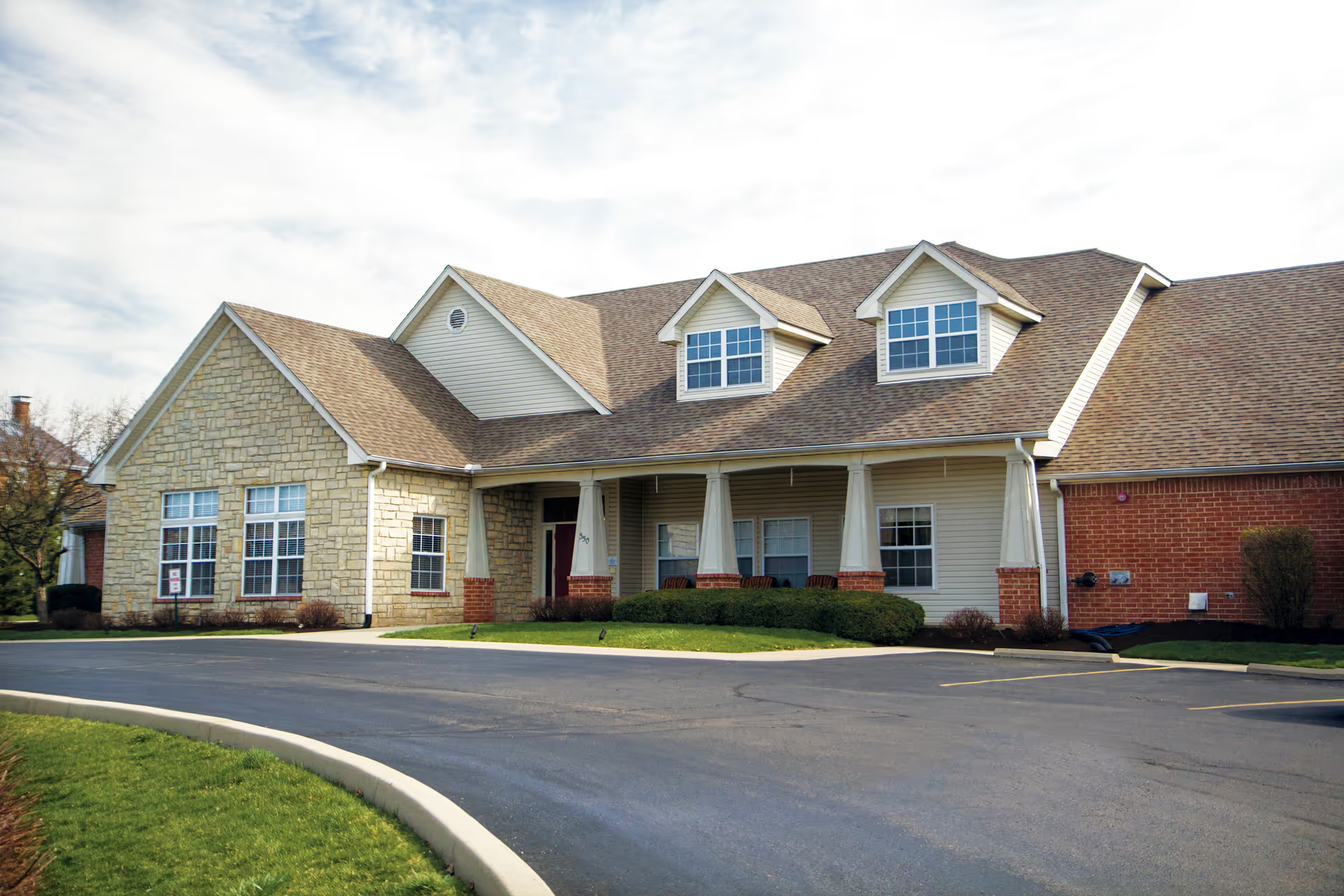
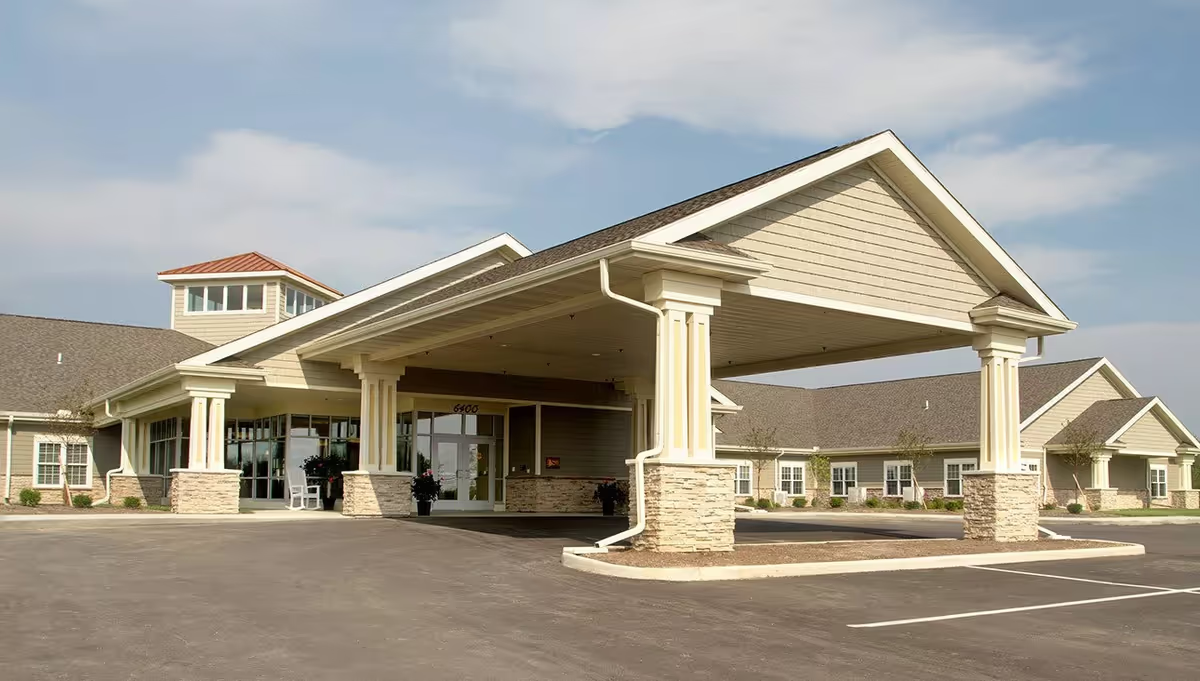
The reviews for Englewood Health and Rehab are highly polarized: a number of families and residents describe a supportive, therapy-focused environment with caring staff, while a substantial set of reviews raises operational and clinical concerns. Positive feedback highlights attentive nurses, skilled therapists, a strong activities program (often calling out the activities director), helpful admissions staff, private rooms, and well-kept grounds. These accounts credit individual caregivers and certain leaders for delivering compassionate, effective care and for contributing to a home-like atmosphere in parts of the facility.
Conversely, a recurring theme is workforce strain. Multiple accounts suggest chronic understaffing and high turnover that manifest as long waits for assistance, slow call responses, reduced nurse hours, and a perception that staff are overworked. That staffing pressure is linked to practical care inconsistencies: irregular bathing and incontinence-care scheduling, missed or delayed medication administration, gaps in blood-sugar monitoring and dietary accommodation, and reports of pressure-injury and infection-control challenges. Several families described hospital transfers or acute care needs that they attributed to these lapses.
Dining and nutrition surface as an area of mixed experience. Many reviewers describe cold or low-quality meals, menus that are not consistently adjusted for therapeutic diets, and operational issues such as missing trays, utensils, or delivery inconsistency. At the same time, some families appreciate rehabilitation meal support during therapy-driven stays. Laundry and personal-item management is another problem area: loss or delayed return of clothing and personal belongings was cited repeatedly, suggesting weaknesses in inventory and linen processes.
Staff conduct and leadership receive both praise and criticism. Numerous reviewers commend individual caregivers, therapists, and some managers for compassion and responsiveness; others report rude or unprofessional interactions and cite isolated incidents involving conflict resolution and requests for law-enforcement involvement. There are also multiple references to management and ownership transitions, inconsistent oversight, supply shortages, billing and insurance communication problems, and occasional allegations of documentation irregularities — all of which contribute to a sense of instability for families.
Facility condition and operations are described inconsistently. Some reviewers note clean, attractive common areas, well-maintained grounds, and improvements under new teams. Others cite sanitation and maintenance shortcomings, missing supplies, broken fixtures, and pest-control concerns. Given the variance in experiences, the pattern suggests that quality may differ by unit, by time-period, and by the specific staffing or leadership team on duty.
Taken together, the feedback indicates clear strengths in therapy, individualized caregiving, and certain leadership pockets, alongside systemic operational weaknesses tied to staffing, clinical consistency, dining services, laundry/personal-item controls, and communication with families. Prospective residents and families should prioritize questions about current staffing ratios, recent leadership or ownership changes, medication- and wound-care protocols, dietary accommodations for medical needs, laundry and inventory procedures, and how the facility documents and communicates incidents. A focused tour and conversations with clinical leadership and current residents can help clarify whether the facility’s current operations align with an individual’s care needs.