The review set for Majestic Care of Fairfield is highly polarized, with distinct clusters of positive and negative experiences. Positive comments emphasize individual staff members and teams who deliver compassionate, personalized care, successful short-term rehabilitation, engaging social activities, and attentive social work and unit management. Negative comments describe recurring operational weaknesses that affect care consistency, safety perception, and family communication.
Care quality shows considerable variability. Many accounts praise specific nurses, therapists and social workers for responsive, dignified care and effective rehab outcomes; these strengths appear strongest during short-term stays and in particular units. Conversely, a recurring pattern of clinical concerns includes inconsistent medication management, delays in responding to call lights and falls, intermittent wound and hygiene-care gaps, and limited on-site physician availability. There are also several accounts raising serious allegations about theft and interference with room cameras; these are singled out by families and merit follow-up with the provider and regulators.
Staffing and workforce issues are central to the negative themes. Reviews repeatedly cite chronic understaffing, high turnover, and inconsistent caregiver assignments. Where staffing is adequate, reviewers describe attentive, affectionate interactions and strong family engagement; where it is not, reviewers describe long waits for assistance, limited bathing and toileting support, and reduced supervision of residents with cognitive impairment. These staffing patterns appear linked to variability in clinical responsiveness and the facility’s ability to follow through on care-plan items raised in family conferences.
Dining and activities are similarly mixed. Activities programming (including special events and evening snacks) and occasional praise for dietary accommodations and specific menu items are reported. At the same time, there are frequent complaints about unappetizing or inconsistently served meals, cold food delivery, and interruptions to meal-service continuity. Prospective families should ask about current kitchen operations and meal-service protocols during visits.
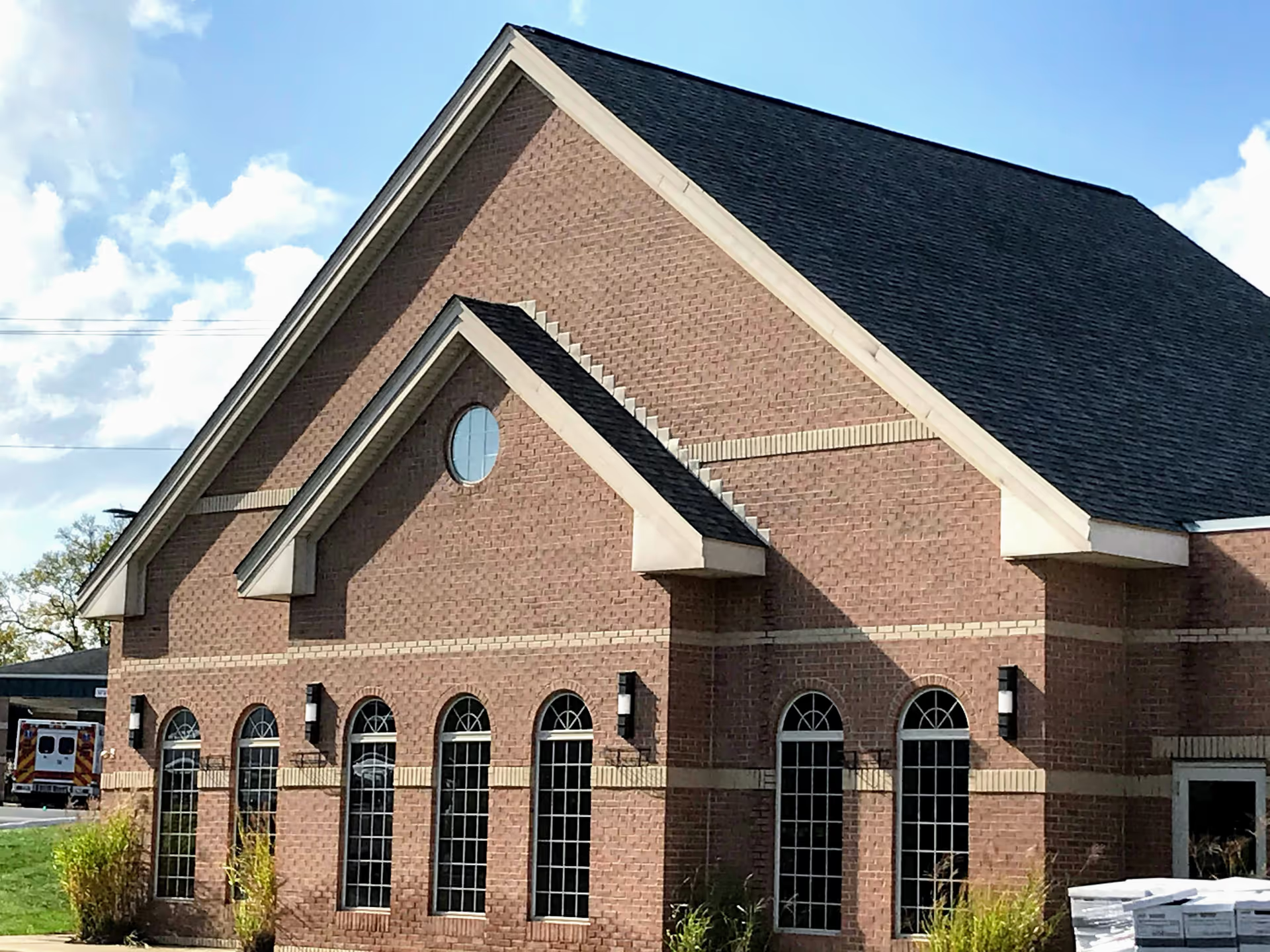
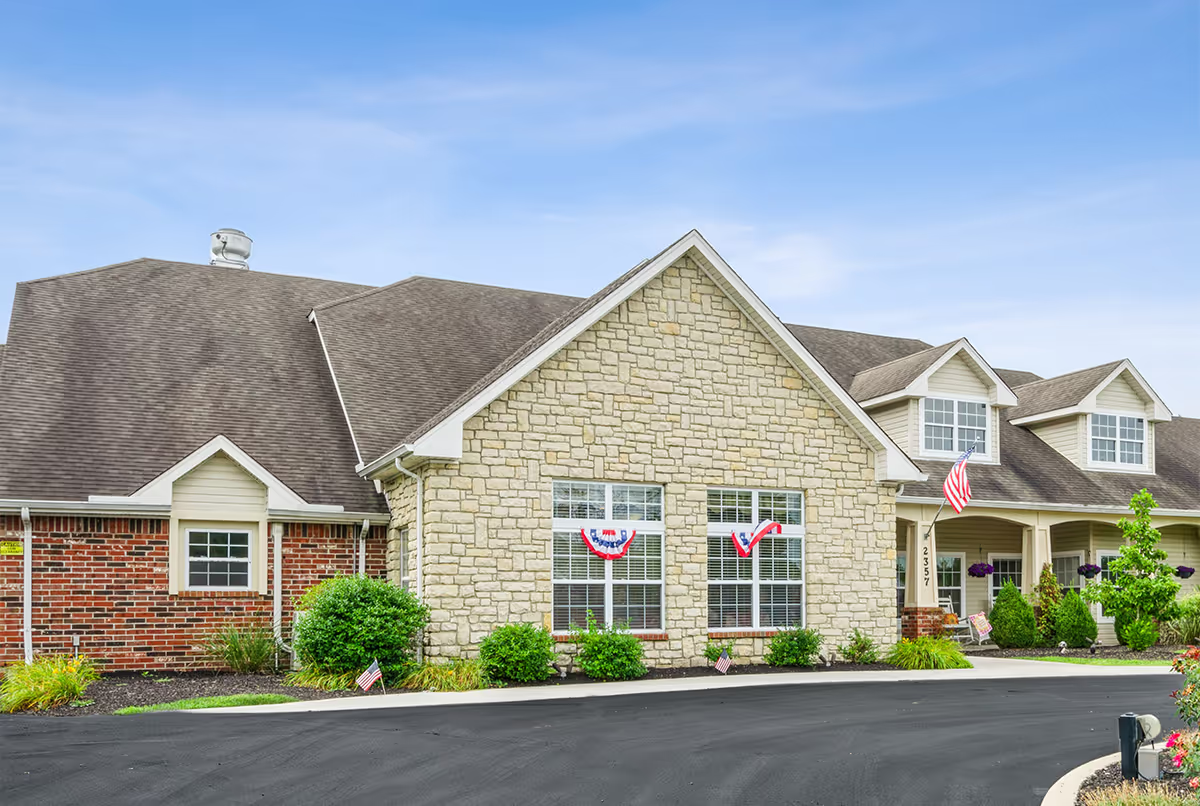
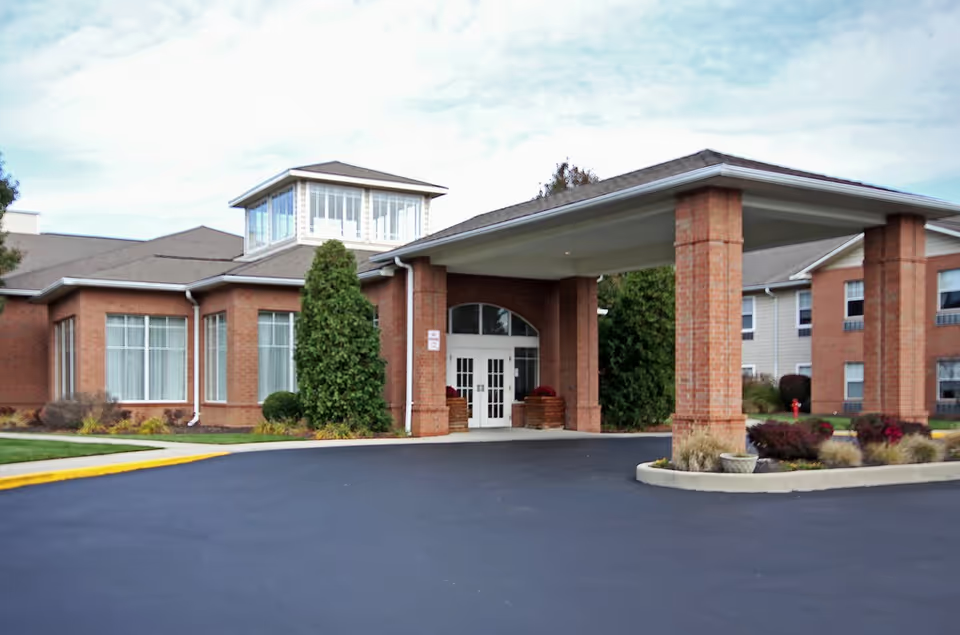
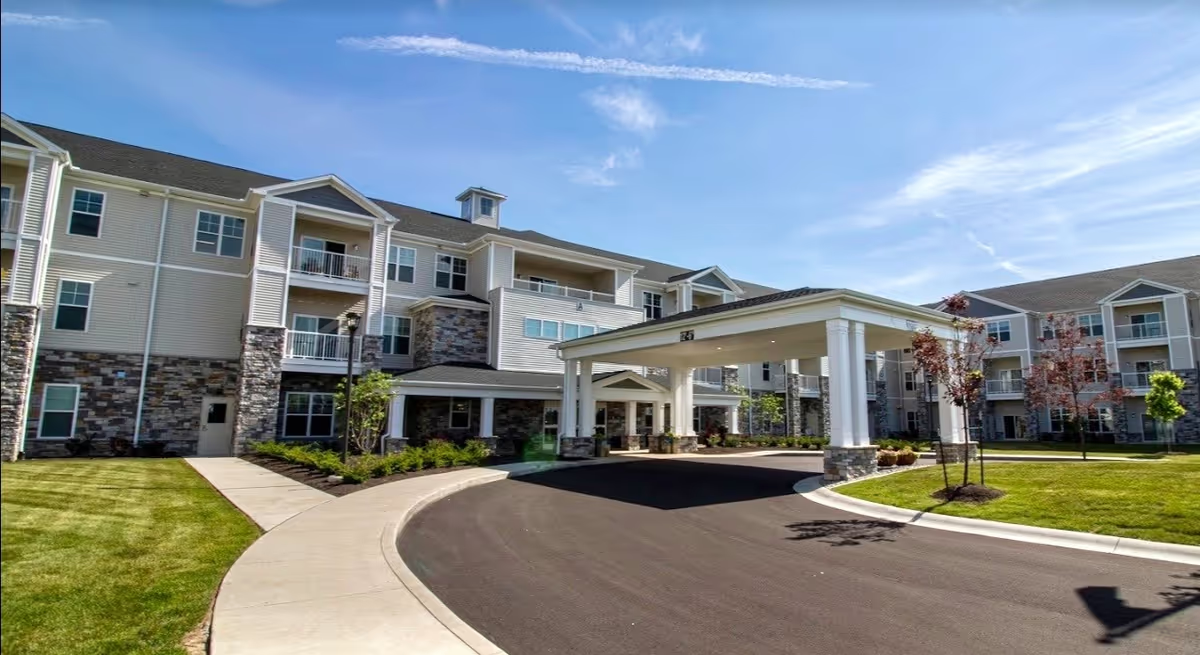
Facility condition and operations show a dual picture: some reviewers describe clean, comfortable rooms and well-maintained common areas, while others note maintenance lapses (fixture and equipment defects, intermittent hot-water outages, and general cleanliness and sanitation concerns). Security and administrative operations are also flagged—examples include locked doors without clear notice, missing receptionist coverage, broken or unavailable phones, and concerns about belongings management. These operational gaps contribute to family anxiety about resident safety and property security.
Management and communication emerge as consistent themes. Positive references to engaged managers and social workers attest to the impact of individual leadership. However, there are also repeated concerns about poor transparency around medication changes, discharge timing, billing/eligibility decisions, and slow/no responses to family inquiries. Ownership and leadership turnover is mentioned as a factor that some families associate with declines in consistency and quality over time.
Notable patterns for prospective families: (1) experiences are highly dependent on unit, shift, and individual staff—strong caregivers can produce excellent experiences even amid system-wide problems; (2) staffing instability correlates with most operational failures cited (timeliness, personal-care tasks, medication control); and (3) serious allegations around theft and camera interference have been raised and should be investigated further by any prospective family.
Practical steps for families considering this facility include direct questions about current staffing ratios and turnover, medication-administration and supply controls, fall-response protocols, visitor and camera policies, incident reporting and follow-up processes, recent state survey results, and specific references from recent families. A focused tour that includes the specific unit, a conversation with the unit manager, and requests for written policies on medication, security, and family communication will help clarify whether the facility’s strengths match a prospective resident’s needs.