The reviews present a mixed picture of care at this facility, with multiple families describing consistently positive experiences while others raised serious operational concerns. Strengths cited include engaged leadership, a welcoming atmosphere, and individual caregivers who provide compassionate bedside attention. The building layout and many rooms with natural light are seen as favorable for resident comfort, and several accounts highlight successful therapy outcomes, an orderly admissions process, and well-maintained common areas.
Care quality appears to vary across shifts and cases. Positive accounts emphasize attentive nursing, successful rehabilitation, and helpful therapy staff. Conversely, there are substantive concerns about medication management, delays in clinical updates, inconsistent wound-care practices, and episodes that led to hospitalization. Reviewers referenced concerns following a resident's death and other serious clinical outcomes, indicating a need for assurance about clinical oversight, escalation protocols, and physician availability.
Staffing and responsiveness are recurring themes. Many reviews praise individual staff members for professionalism and kindness and single out strong director-level leadership. At the same time, other accounts describe staffing shortages, delayed responses to call systems, and inconsistent follow-up with families. These patterns suggest variability in staff coverage and in-the-moment responsiveness rather than uniform performance across the facility.
Dining and daily-life experiences also show divergence. Some families find the dining area pleasant and report good appetites and competent feeding assistance. Others describe limited menu variety, reliance on prepared or frozen items, and meal-service lapses such as missing beverages or unattended meals. Noise control and sleep disruption—loud televisions and vocalizations—were noted as contributors to disturbed rest for some residents.
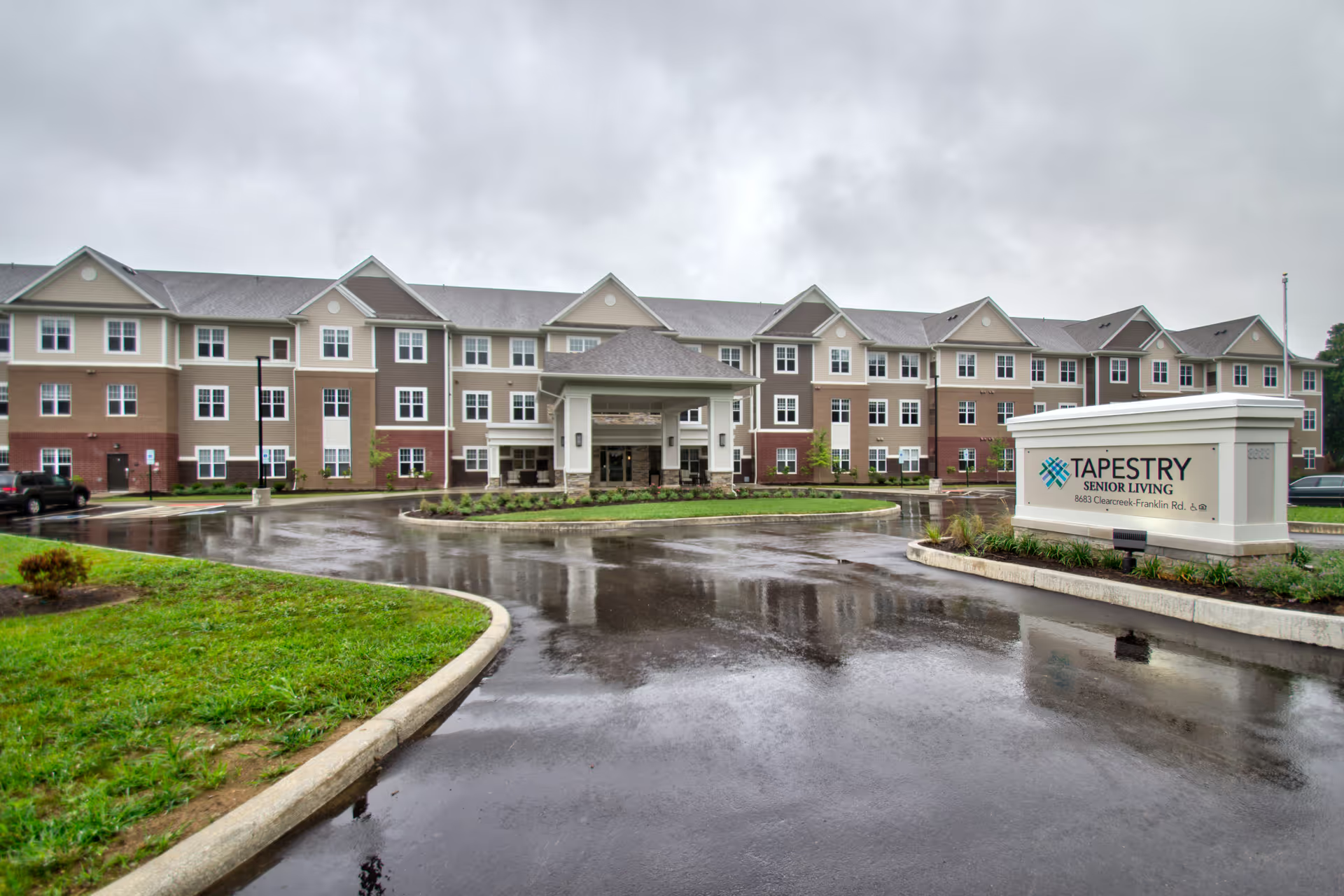
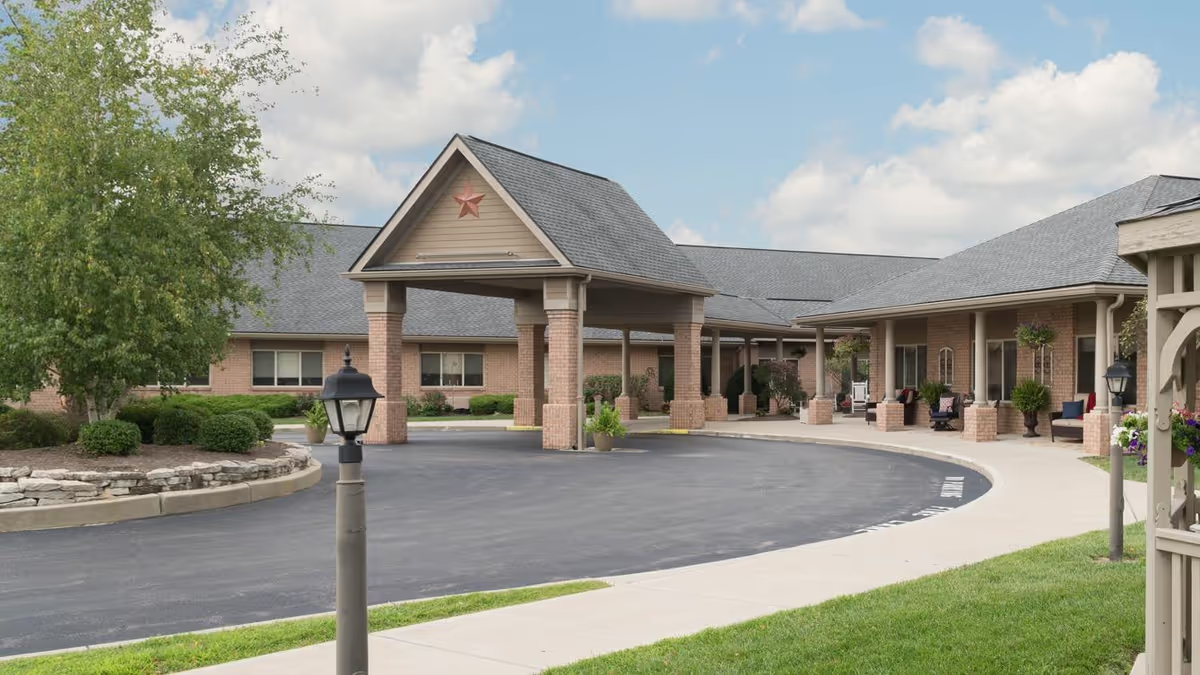
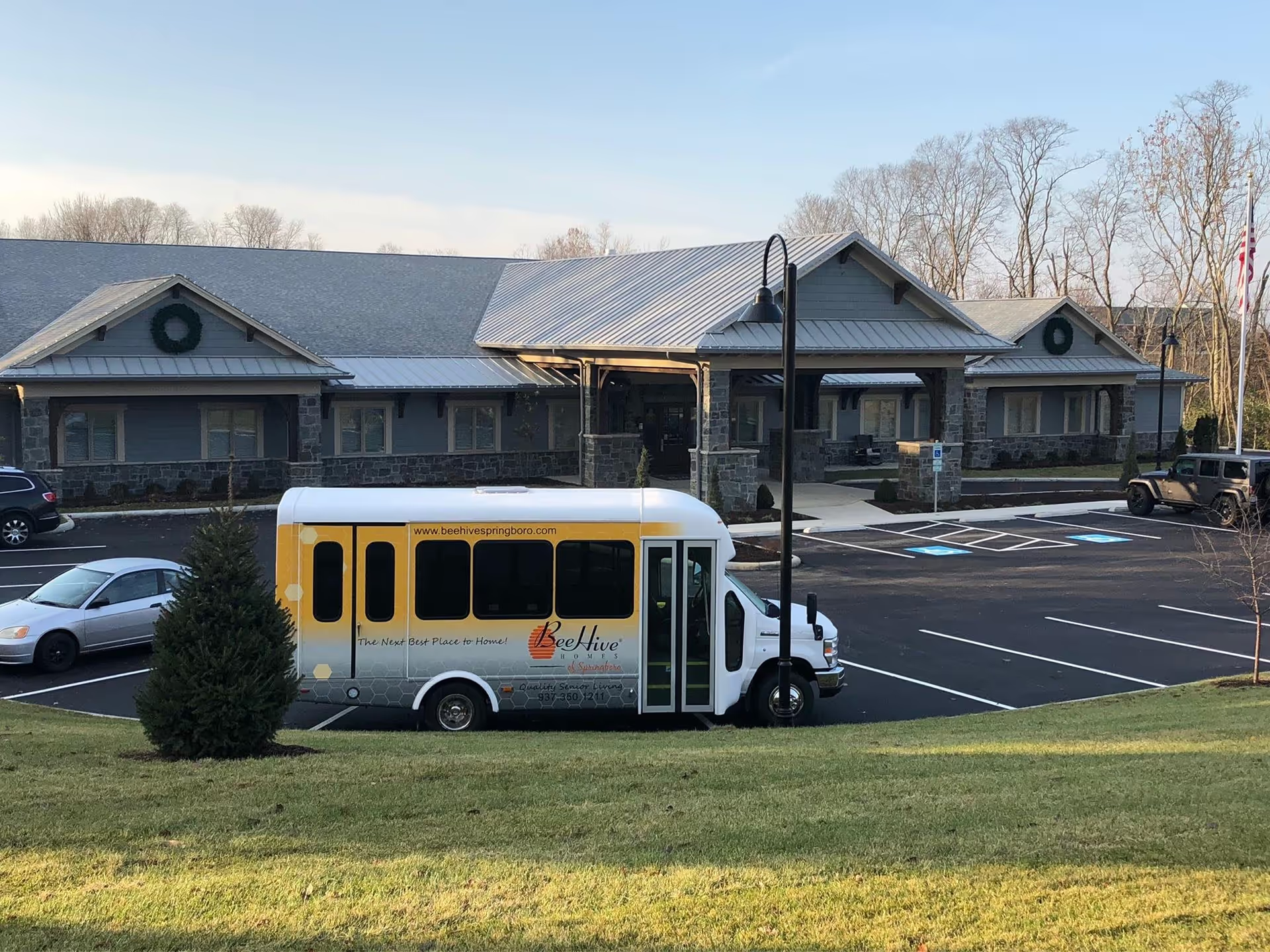
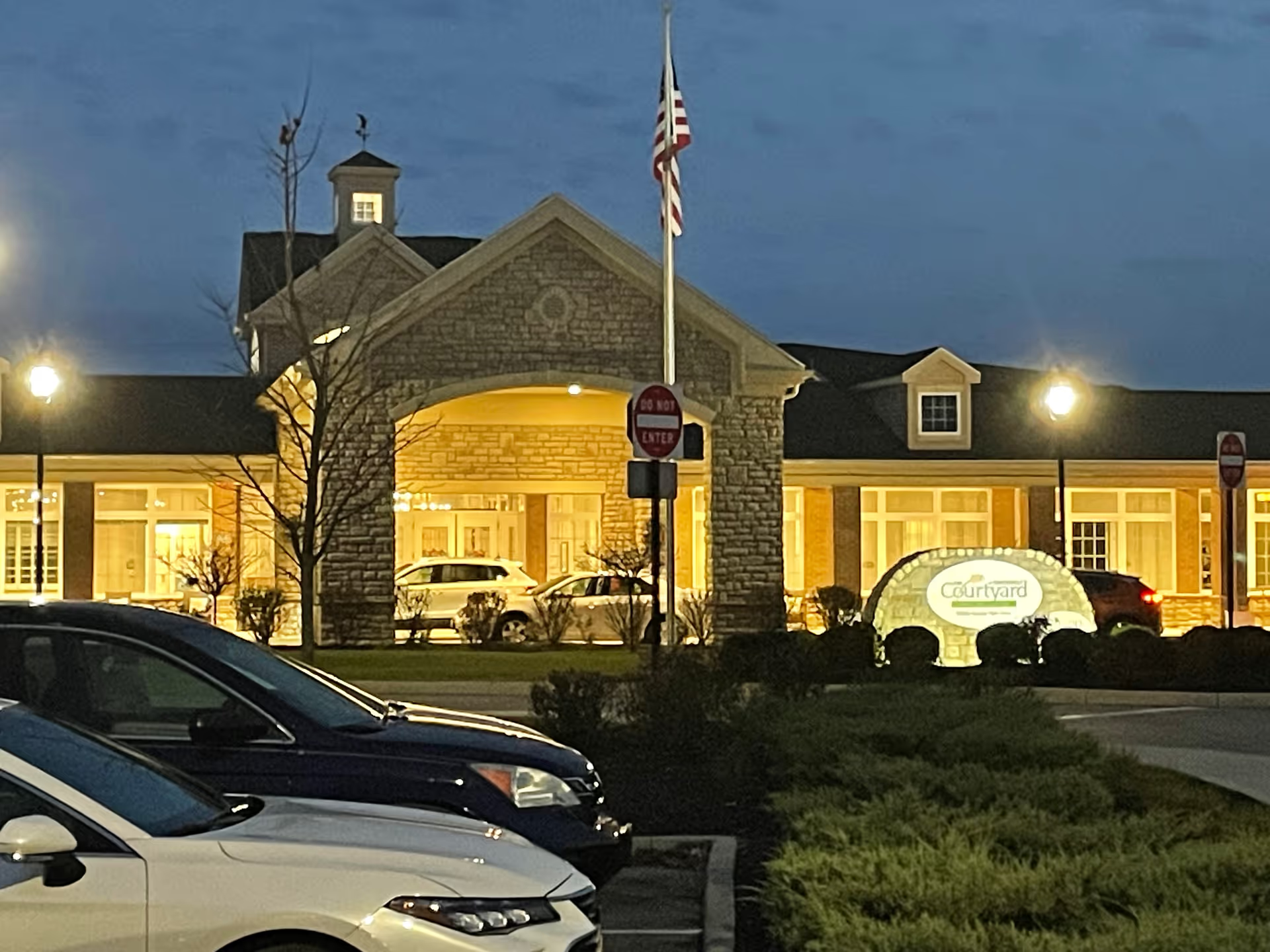
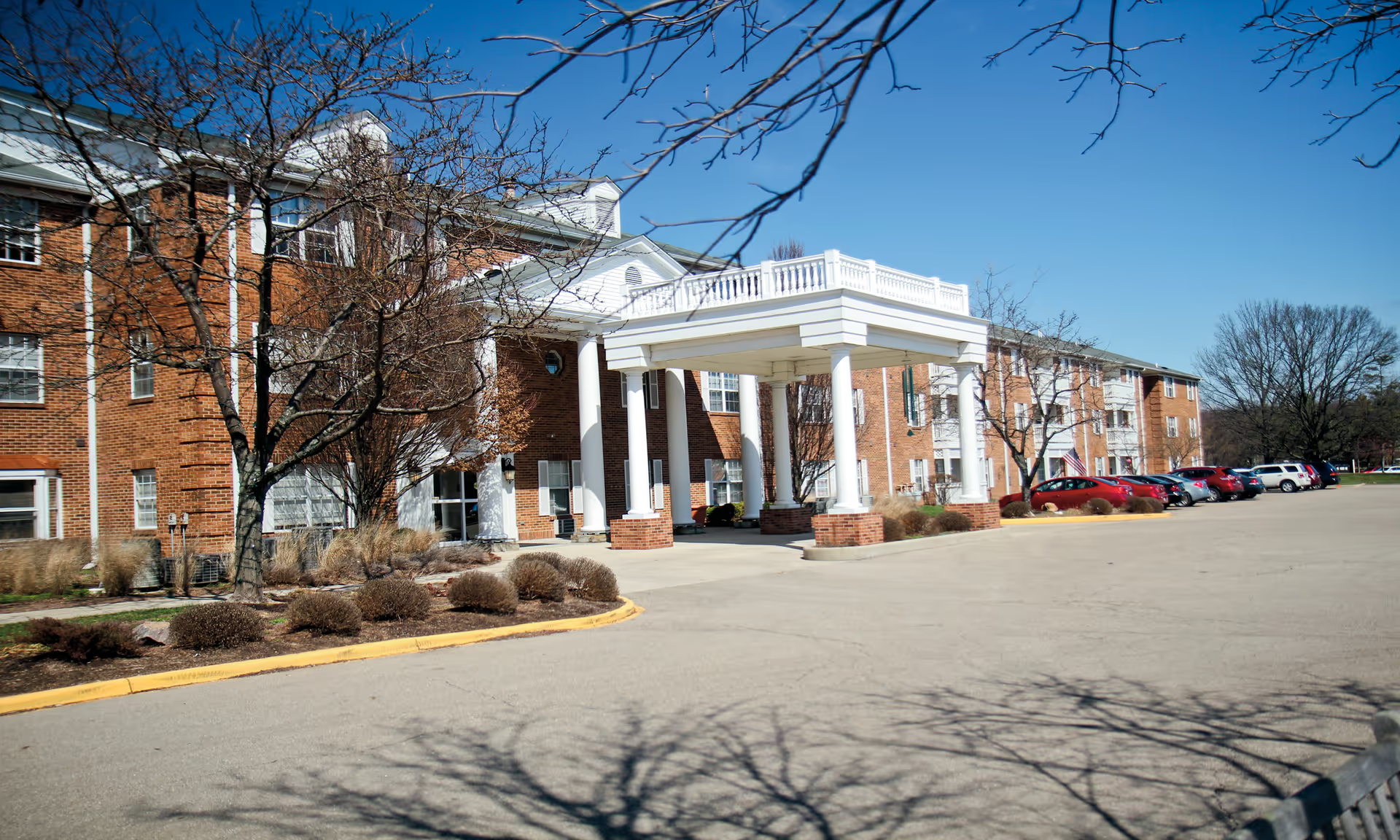
Facility condition observations are similarly mixed. Positive notes include roomy, single-level floorplans and bright common spaces. Negative observations point to maintenance needs in parts of the building and sanitation concerns in specific areas or incidents. Prospective families should inspect resident rooms and common areas in person and ask about ongoing maintenance and housekeeping protocols.
Management and administrative issues emerge as another important pattern. While some reviewers commend efficient operations and coordinated vendor relationships, others raise serious concerns about billing transparency, delayed refunds, upfront-payment policies, and handling of resident belongings. A formal complaint and requests for state review were mentioned in the material reviewed, indicating that financial and property-handling questions deserve particular scrutiny during any decision-making process.
Recommendation for prospective families: conduct an unannounced visit, observe multiple shifts if possible, review medication-administration protocols, ask about staffing ratios and on-site physician coverage, inspect cleanliness and maintenance practices, sample or observe a meal service, and obtain clear written terms about payments and refund policies. Request references from current families and ask how the facility documents and communicates incidents, hospital transfers, and end-of-life care. These actions can help clarify whether the facility’s strengths align with a specific resident’s clinical and personal needs and whether identified operational concerns have been addressed.