Reviews of Otterbein Gahanna SeniorLife Neighborhood present a strongly polarized picture: several families describe a warm, home-like small-house model with compassionate aides, skilled therapists, and effective short-term rehabilitation, while others cite persistent operational weaknesses that affected clinical care, communication, and daily living services.
Care quality and clinical oversight draw mixed commentary. Positive experiences highlight attentive aides and nursing staff, successful PT/OT programs, and documented mobility and functional improvements during rehab stays. Conversely, other accounts raise concerns about gaps in nursing coverage, delayed responses to clinical needs (including toileting and personal care requests), inconsistent medication administration, and cases where wound care and incident response required escalation to hospital-based care. These patterns point to variability in clinical oversight and handoff processes across shifts and between permanent and agency staff.
Staffing and conduct are recurring themes. Many reviews praise individual caregivers, therapists, and onsite leaders for compassion and responsiveness; however, reviewers frequently reported inconsistent staffing levels, especially on weekends and off shifts, that led to longer wait times and uneven service delivery. Communication tone and timeliness also varied: some families found management accessible and collaborative, while others described slow or unhelpful administrative communication, difficulties reaching staff by phone, and challenges resolving billing or discharge-process issues.
Dining, housekeeping, and personal-property management show similar variability. Strengths include home-cooked meal offerings, in-cottage kitchens, and pleasant dining spaces; yet other reports describe inconsistent meal temperature, limited accommodation for therapeutic diets (for example, low-sodium or diabetic needs), and a reliance on processed items at times. Housekeeping and laundry services were praised in many stays, but other accounts noted inconsistent room upkeep, sanitation concerns in certain areas, and incidents of missing clothing or poorly handled room packing during discharge.
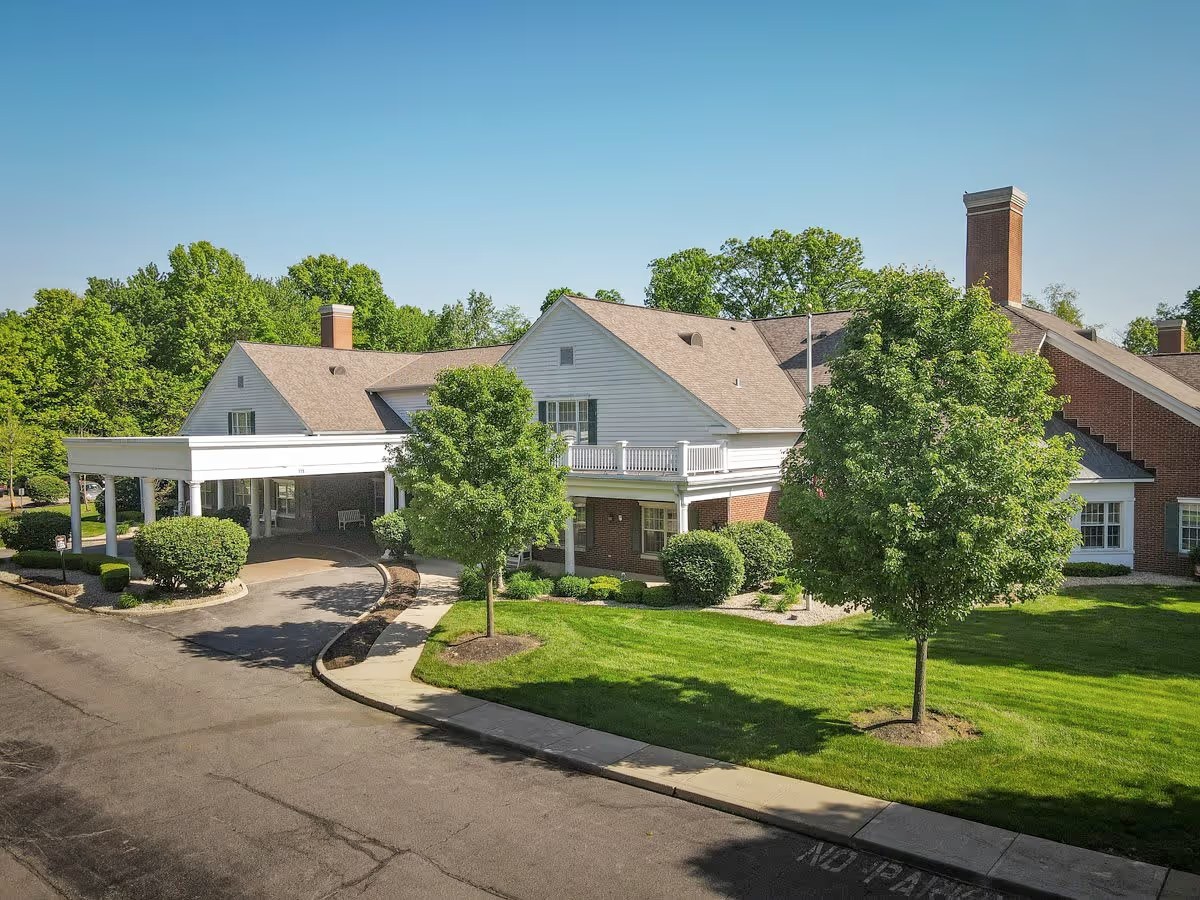
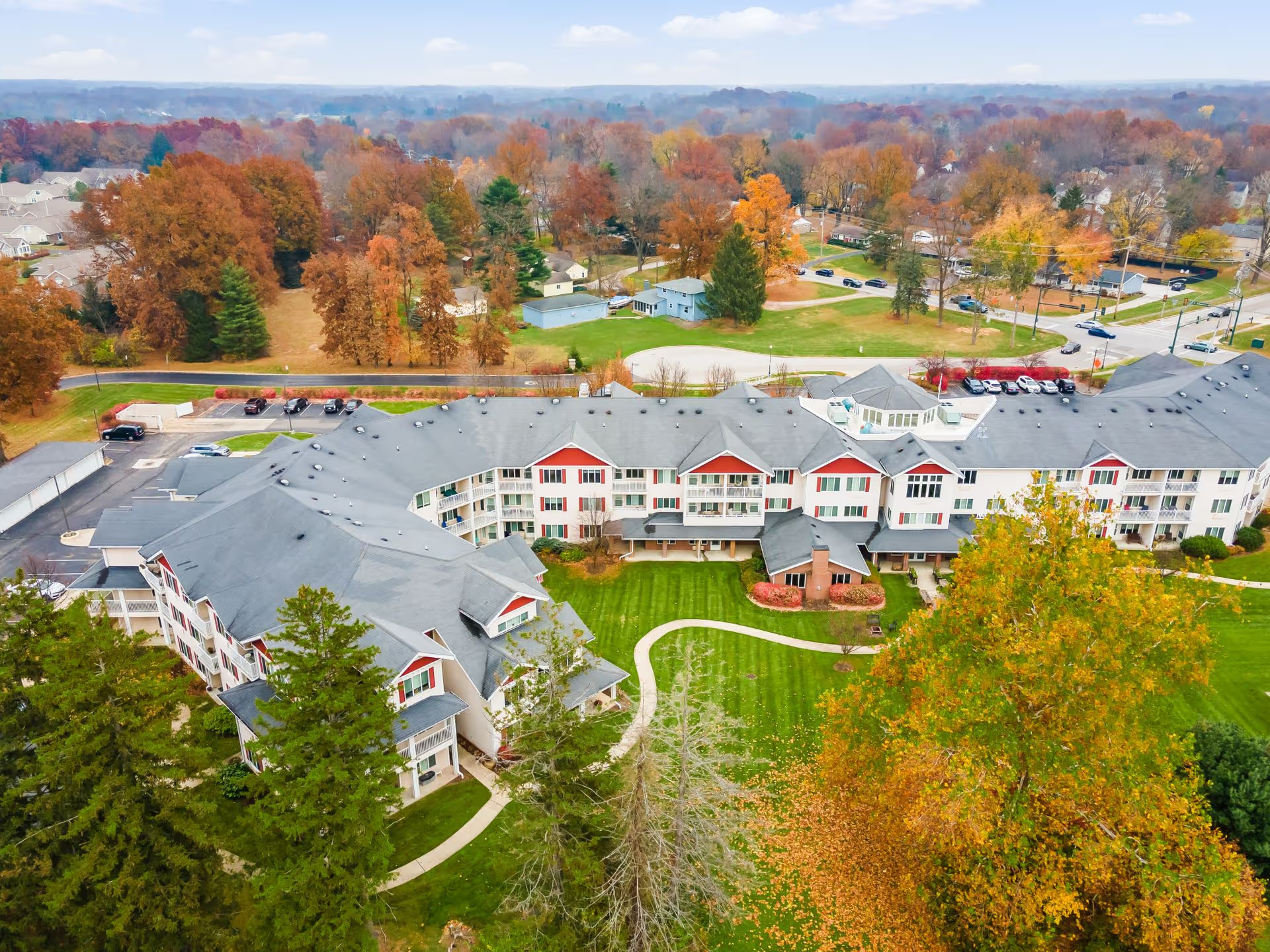
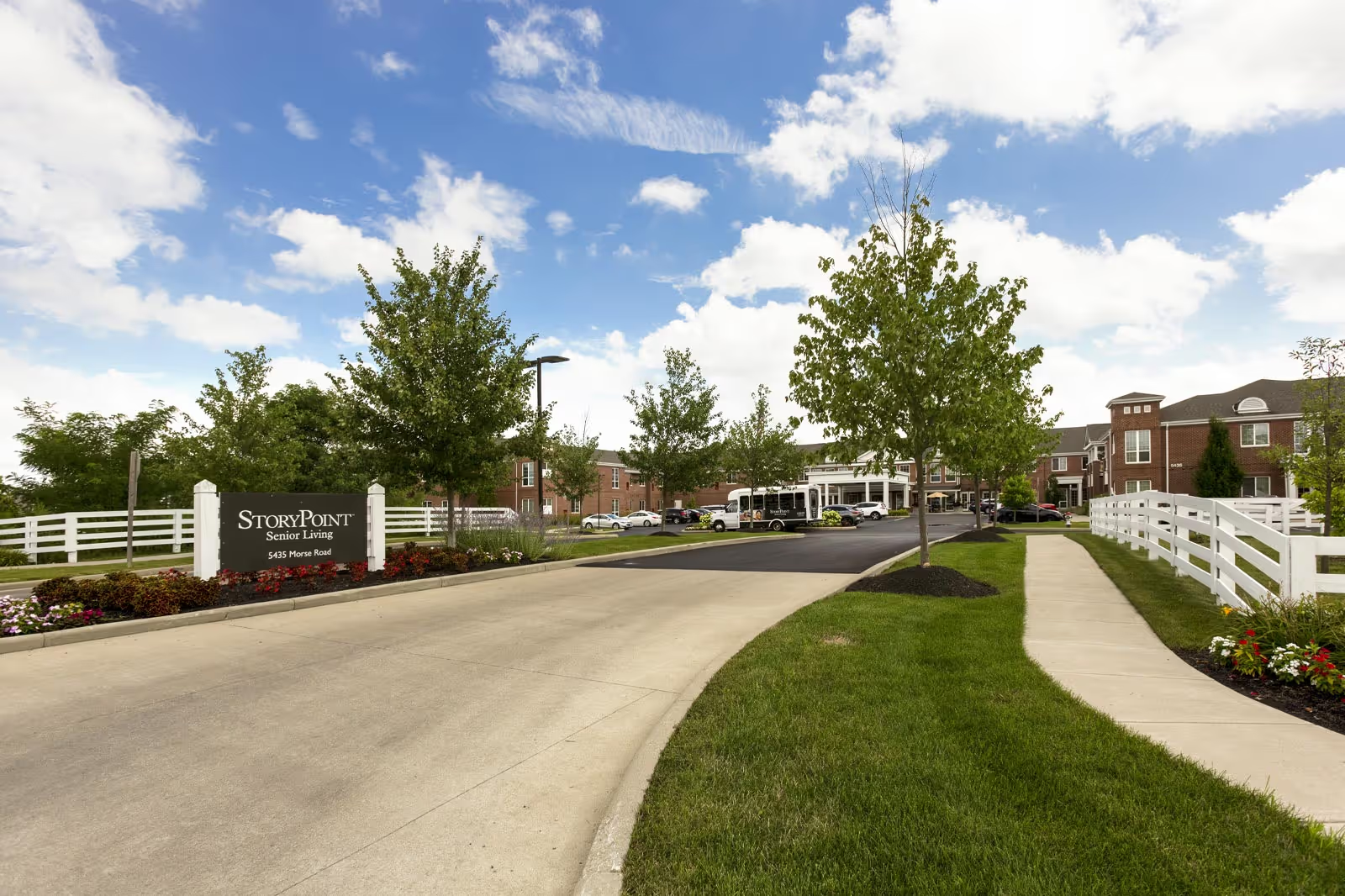
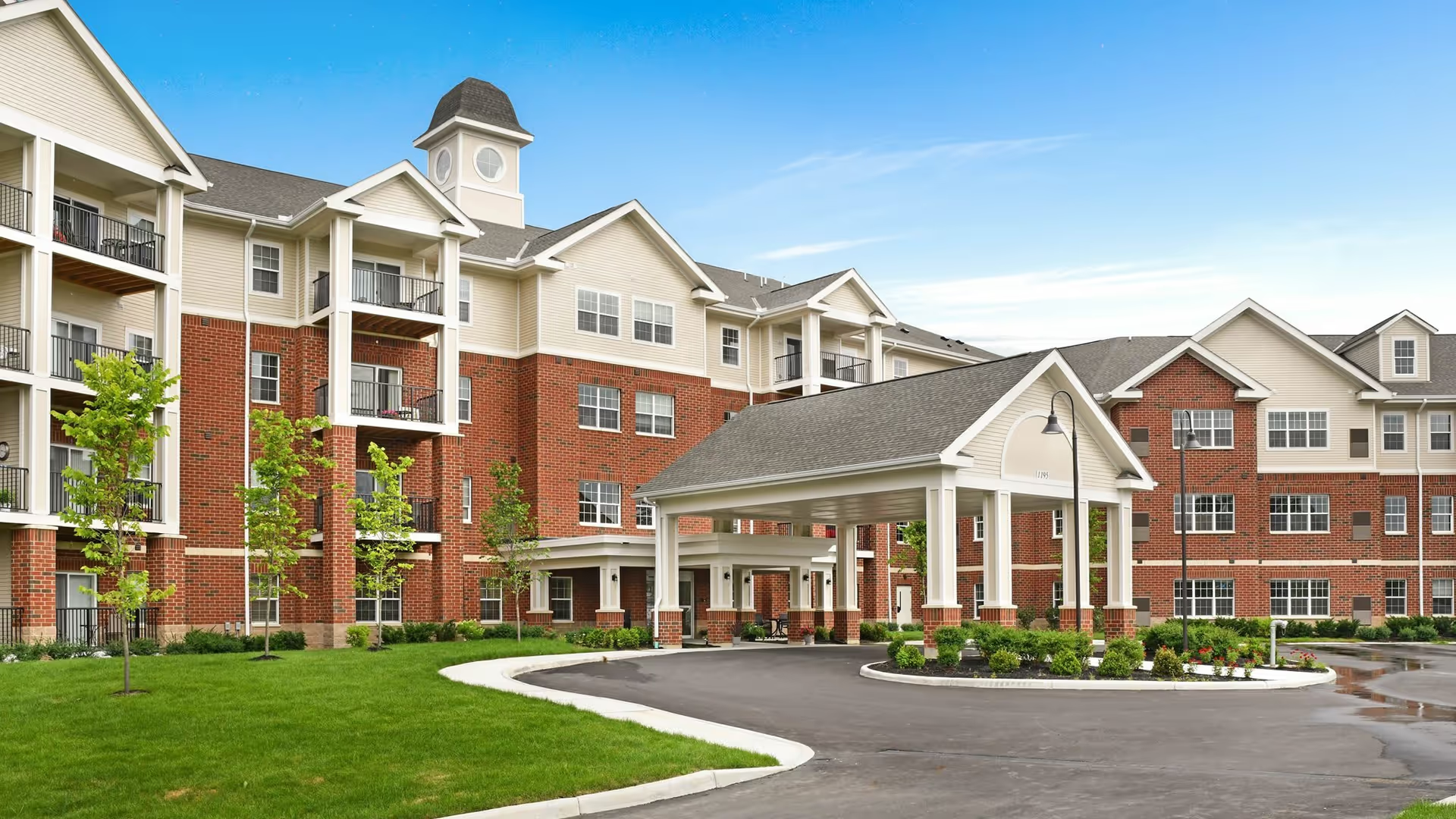
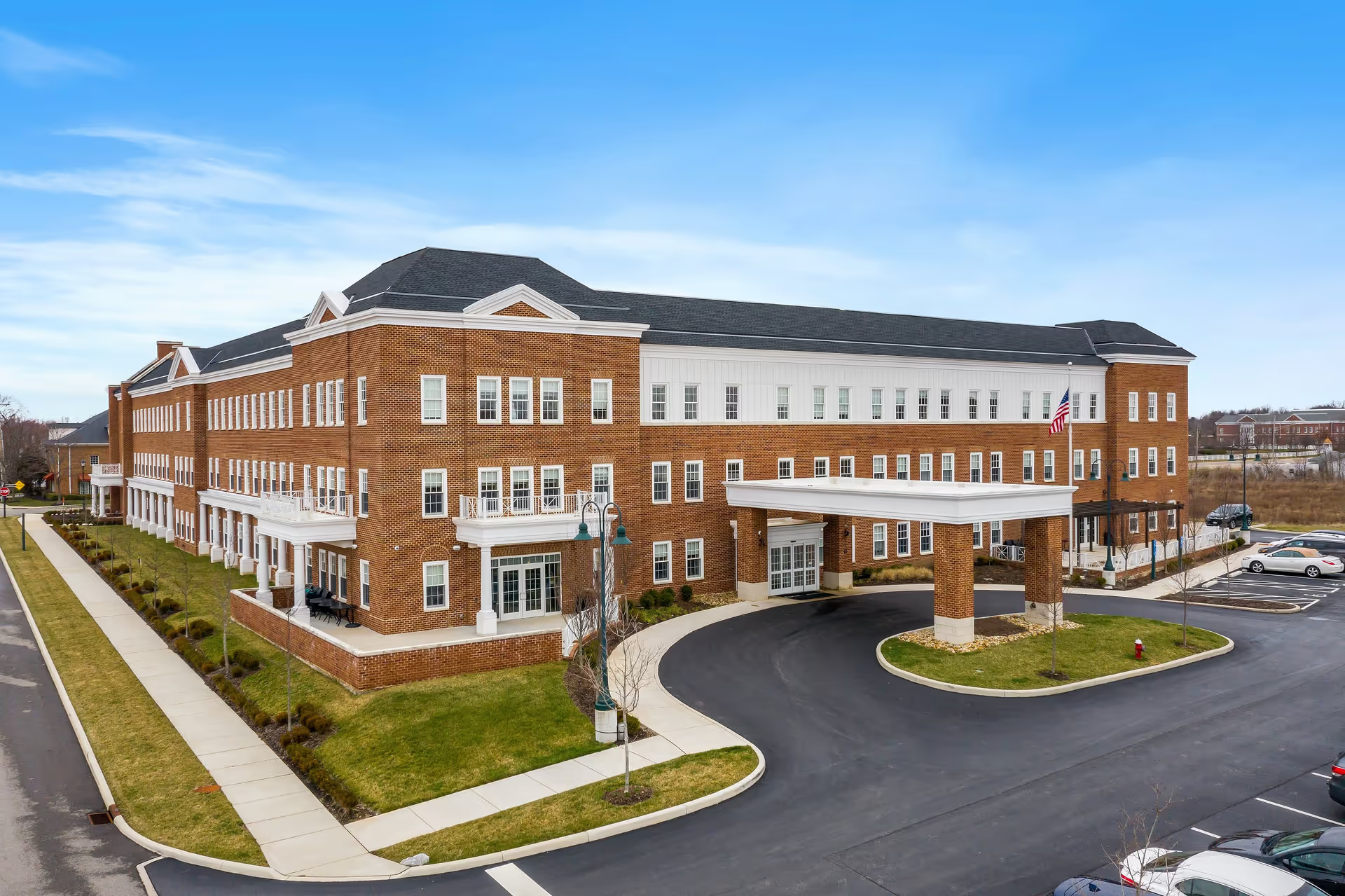
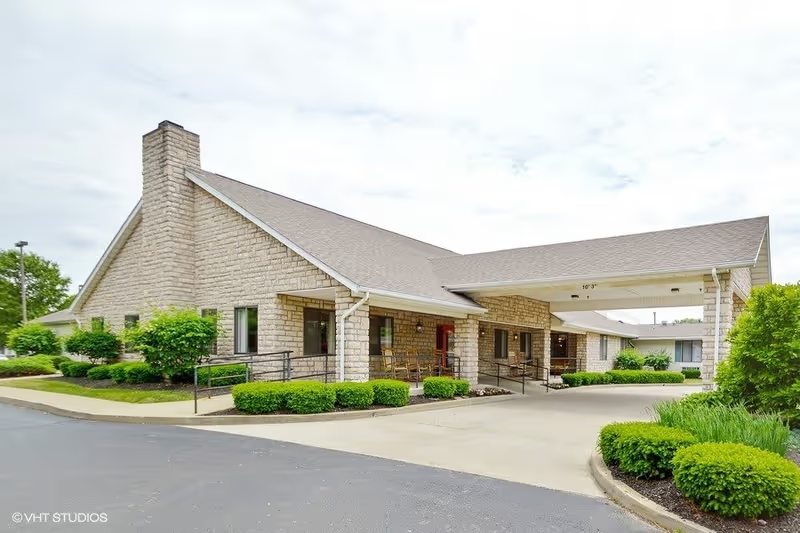
Facilities and activities are generally viewed positively when the small-house model is operating as intended: private, apartment-like rooms, inviting common areas, and organized activities and outings contribute to a family-centered atmosphere. At the same time, reviewers identified variability in cleanliness and maintenance across units and emphasized that the facility appearance can differ between exterior presentation and particular interiors.
For prospective families: consider an in-person tour during mealtimes and a weekday plus weekend visit to assess staffing and service consistency. Ask specific questions about weekend and off-shift staffing ratios, the facility’s medication-administration and wound-care protocols, contingency plans for clinical escalation, infection-control and testing procedures, and written policies for laundry, personal-property handling, discharge billing, and family communication. Many families experienced excellent therapy-driven recoveries and compassionate day-to-day care; however, the documented inconsistencies suggest it is important to confirm operational details and monitor care-plan implementation closely after admission.