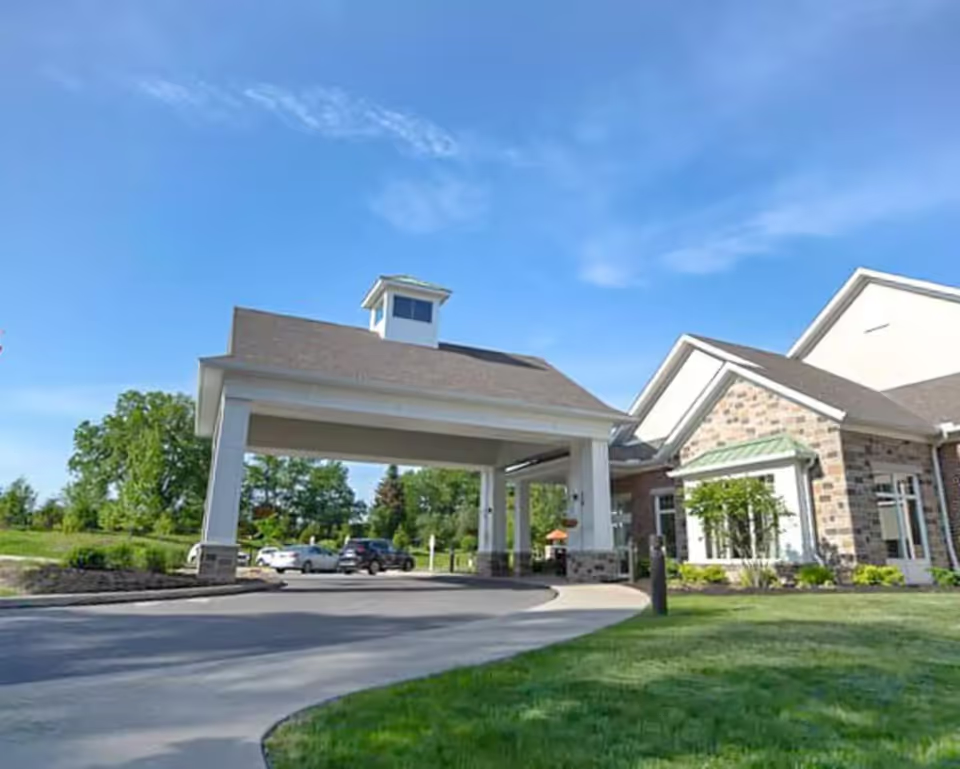
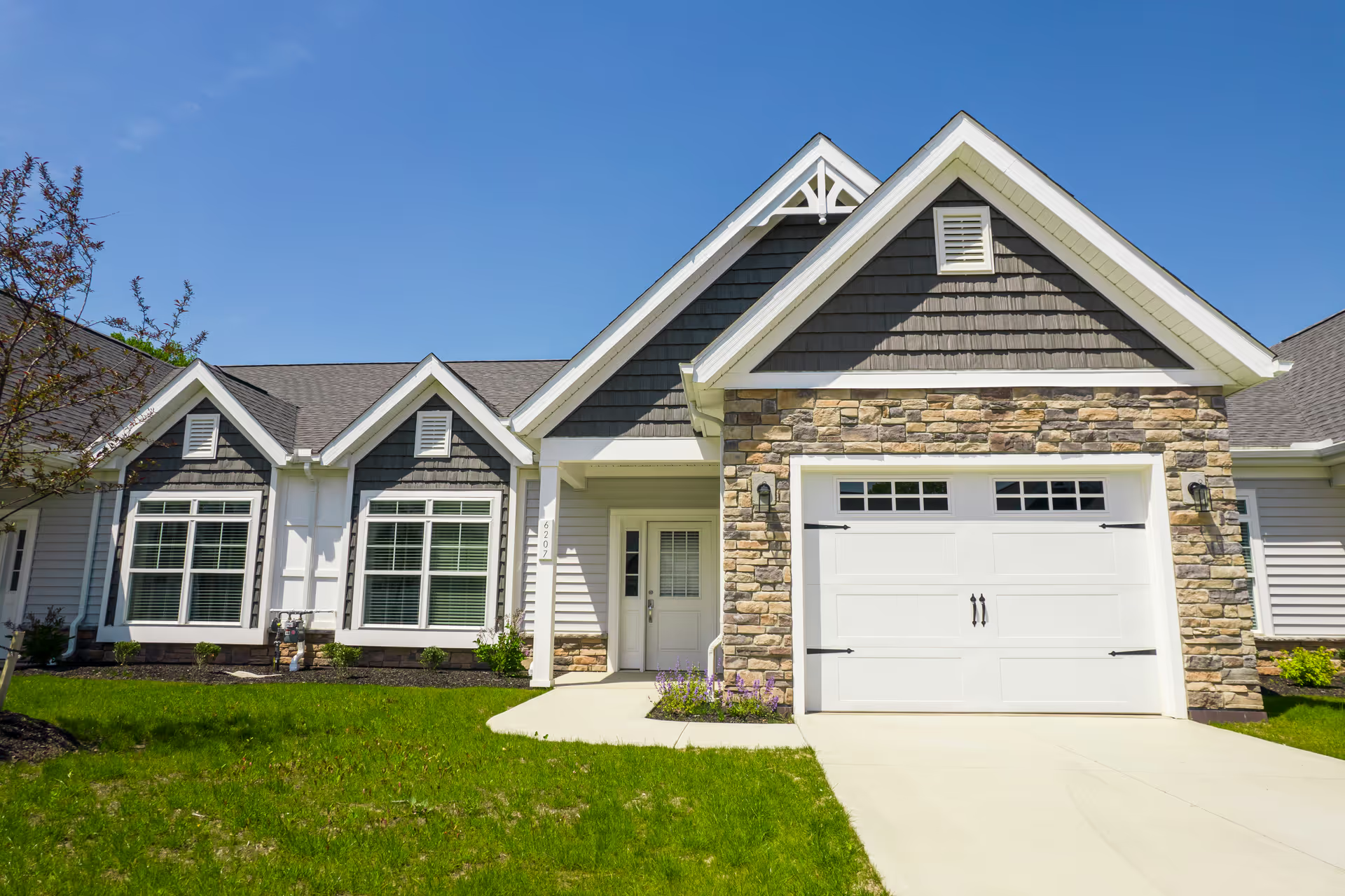
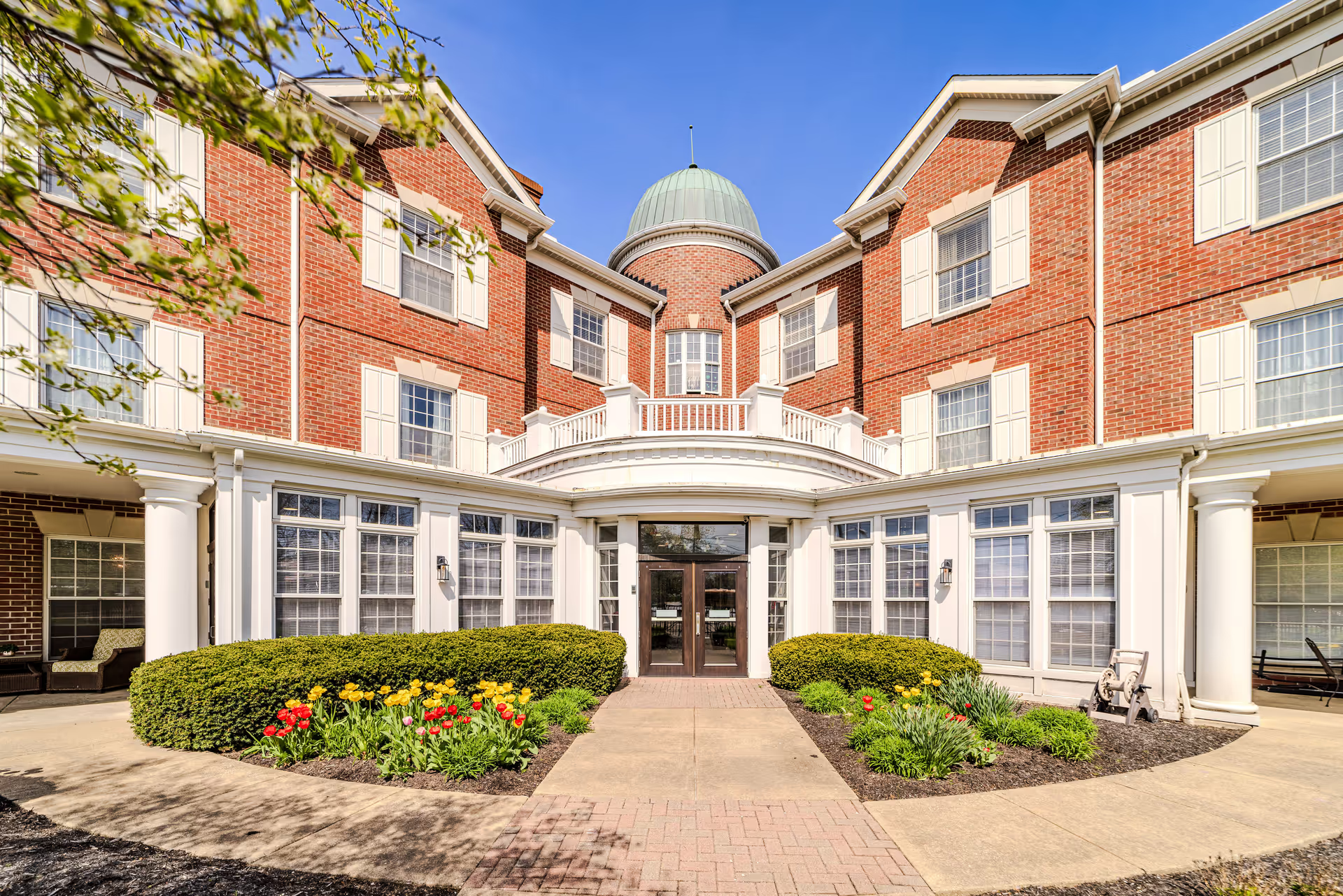
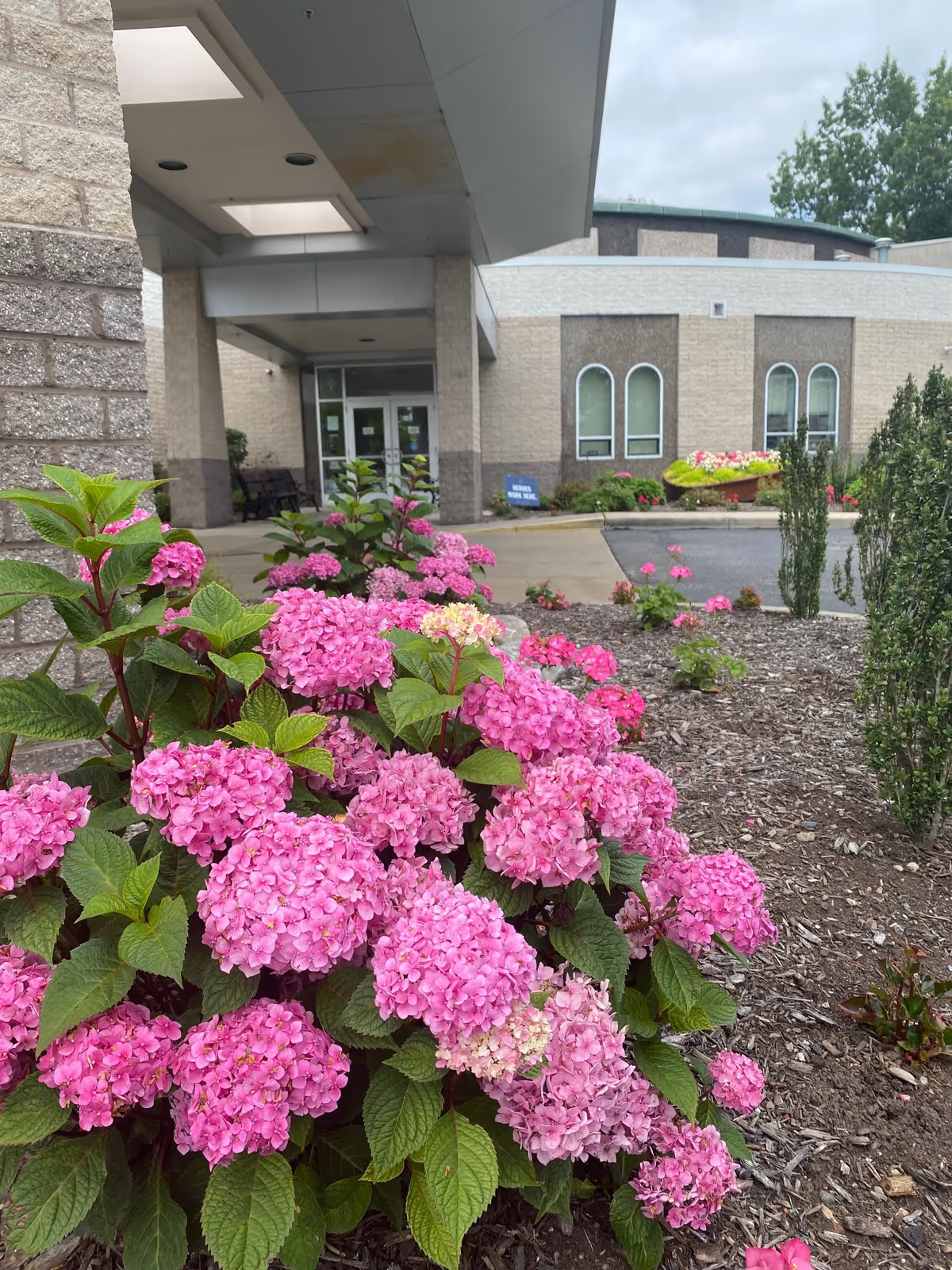
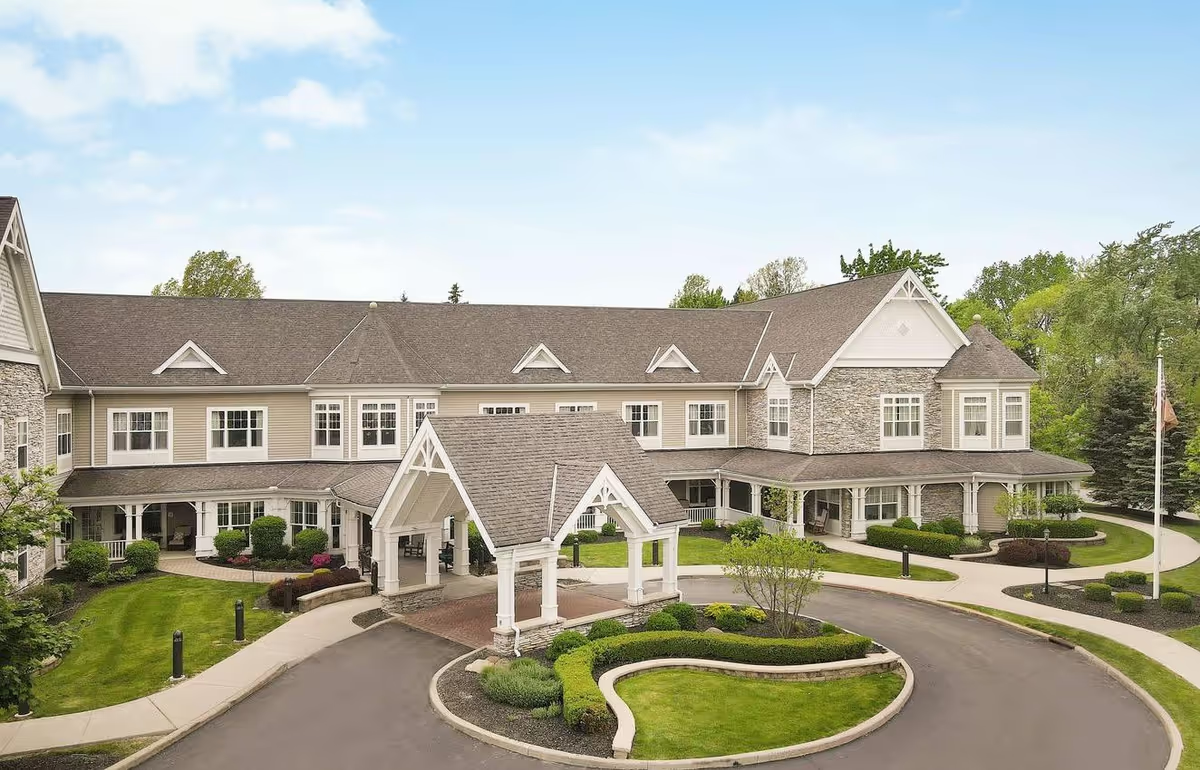
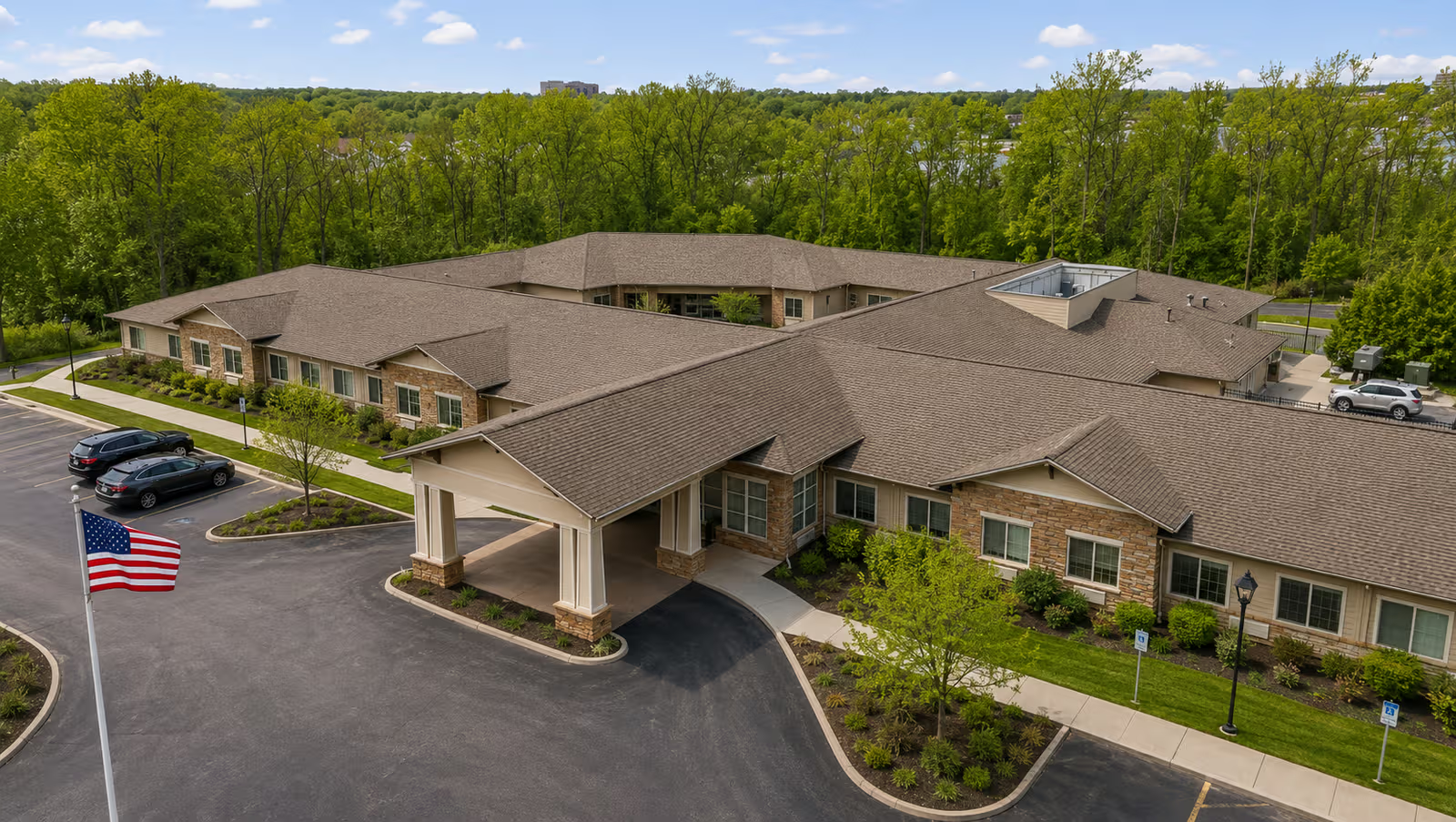
Jennings Assisted Living elicits a mixed but informative set of impressions. Many families and visitors highlight compassionate, personal attention from individual caregivers, nurses, and hospice personnel; these staff are frequently described as warm, knowledgeable, and helpful during transitions. The community offers a range of on-site services — including a wellness center, rehabilitation program, and beauty salon — and private apartments or single rooms that allow personal furnishings. Common areas are often characterized as clean, bright, and pleasant, with an accessible courtyard and sunny dining room that contribute positively to residents' day-to-day experience.
Activities programming is a consistent strength: reviewers note a variety of social, recreational, and intergenerational offerings and multiple opportunities for engagement. Dining is generally described as accommodating, with flexible meal requests and positive comments about food quality from several families. The facility’s proximity to medical services and a hospital is seen as convenient by many, and some families emphasize strong transitional support from social work and wellness teams when moving a loved one in.
However, recurring operational concerns temper those positives. Staffing consistency and sufficiency are recurring themes: families describe long waits for assistance, perceived understaffing on some units, and variability in aide responsiveness. Linked to staffing, communication gaps are frequently noted — particularly delayed notification to families about incidents and inconsistent follow-through on clinical recommendations. Reviewers also describe uneven coordination with hospice providers and intermittent confusion around clinical tasks such as oxygen management, suggesting room for clearer clinical integration and protocols.
Facility operations and management practices are another area of concern. Multiple accounts point to slow maintenance responses (for example, heating or equipment repairs), front-desk and voicemail responsiveness problems, and occasional menu or activity cancellations. Several families express frustration that management discussions did not produce visible improvements, contributing to a perception that the monthly cost does not always match care consistency. Infection-control practices and outbreak management drew attention in a handful of accounts, and there is at least one serious allegation of staff misconduct that families reported, which raises questions about oversight and incident follow-up.
In deciding whether Jennings is a fit, prospective residents and families should weigh the strong individual-level caregiving and amenities against the facility-level operational risks. The community offers attractive physical spaces, private accommodations, therapeutic services, and active programming, and many staff members are cited for compassionate care. Conversely, prepare to ask detailed questions about staffing ratios and schedules, family-notification protocols, hospice coordination, maintenance response times, security practices for higher-acuity units, and how management tracks and resolves recurring concerns. These targeted inquiries will help determine whether the facility’s strengths align with a particular resident’s clinical and safety needs.