The reviews present a polarized picture of The Villa at Marymount, with consistent praise for therapy services, some clinical staff, and programming, alongside repeated operational and safety concerns. Therapy—particularly physical and occupational therapy—is frequently cited as a major strength: reviewers describe effective rehab outcomes, attentive therapists, and a strong short-term rehabilitation program. Activity staff and social programming are commonly characterized as lively and engaging, contributing to social opportunities and a positive daily experience for many residents. Several comments also highlight helpful admissions and social work staff, a friendly reception presence, and timely post-discharge follow-up.
Clinical care impressions are mixed. Many families compliment individual nurses, aides, and named leaders for compassionate, professional care and good bedside manner. However, a recurring pattern of medication-management issues appears across reviews: missed or delayed doses, instances of incorrect medication administration, unsecured medication carts, and broader concerns about medication oversight and documentation. Pain management timing is another frequent theme, with evenings and weekends noted as times when delays are more likely. There are also multiple references to possible infection-related outcomes (for example, urinary tract infections) and sterilization or hygiene inconsistencies that interviewees linked to clinical complications.
Staffing and responsiveness are central operational concerns. Reviewers describe inconsistent staffing levels, frequent turnover, and a reliance on contracted personnel, all of which are associated with variable responsiveness to call lights, lapses in toileting and bathing assistance, and uneven supervision—particularly on evenings and weekends. These staffing patterns are reported to affect basic care tasks, timely assistance, and fall-prevention practices. Alongside these service gaps, reviewers note variable professionalism and communication tone among staff, and several comments point to management and HR shortcomings, including limited responsiveness to family concerns and a perception of inadequate oversight.
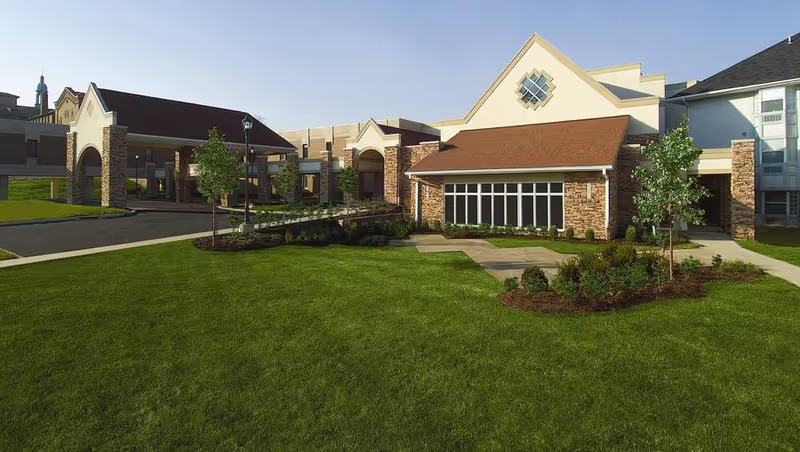
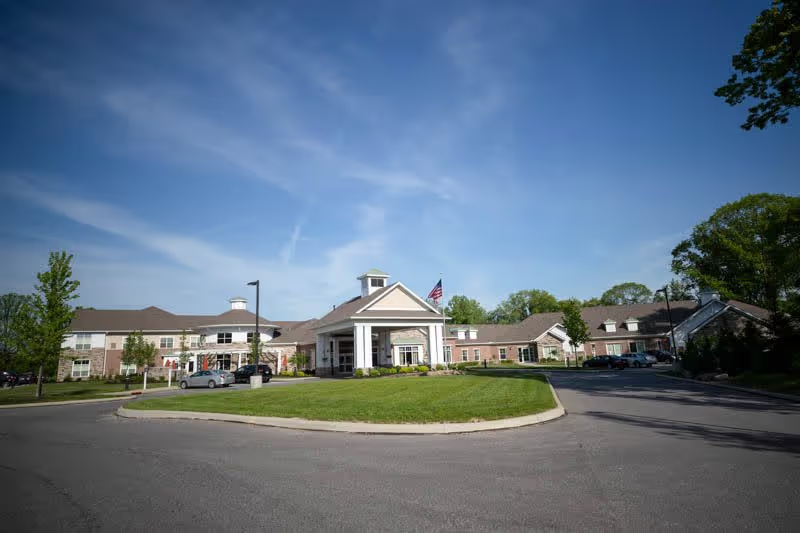
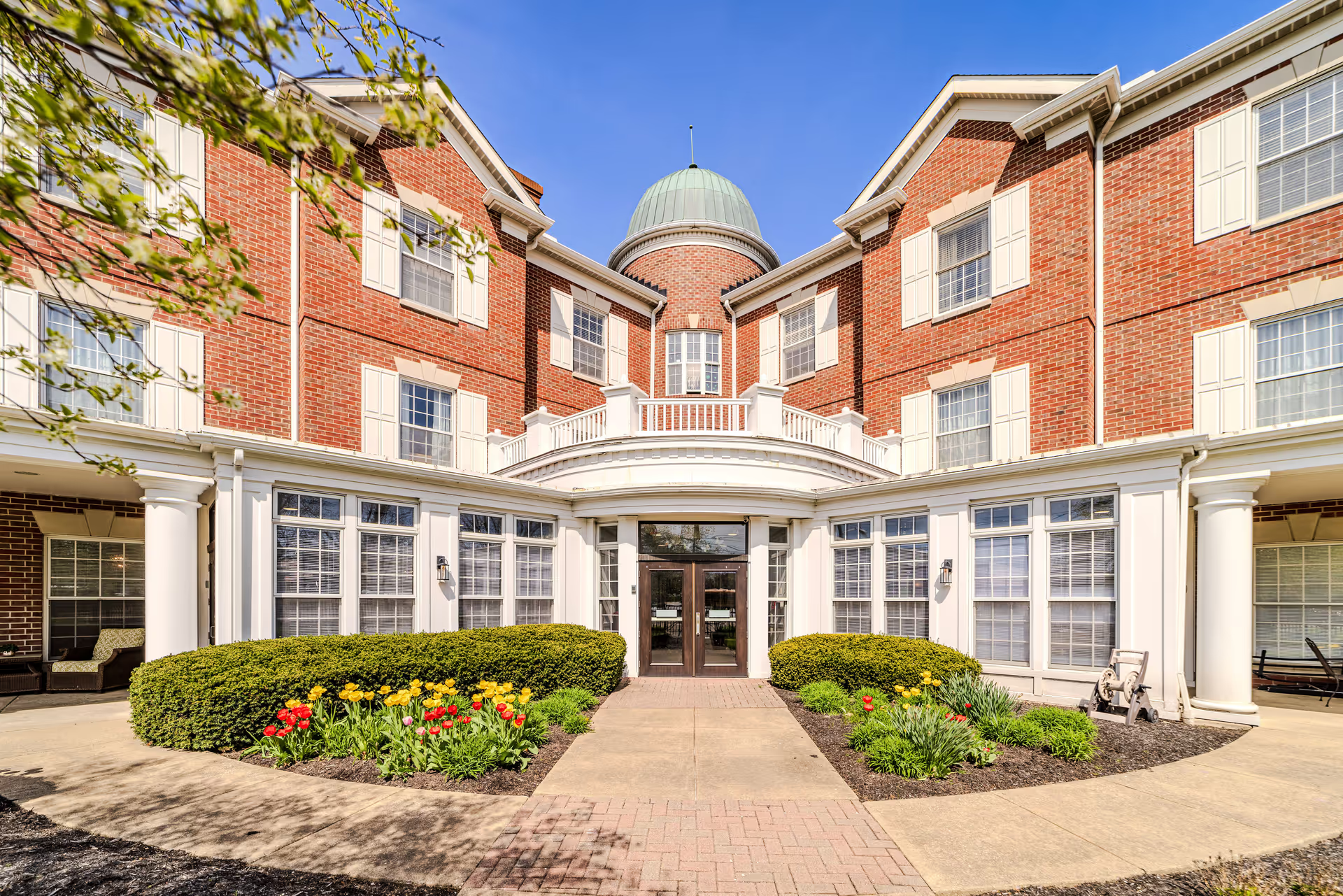
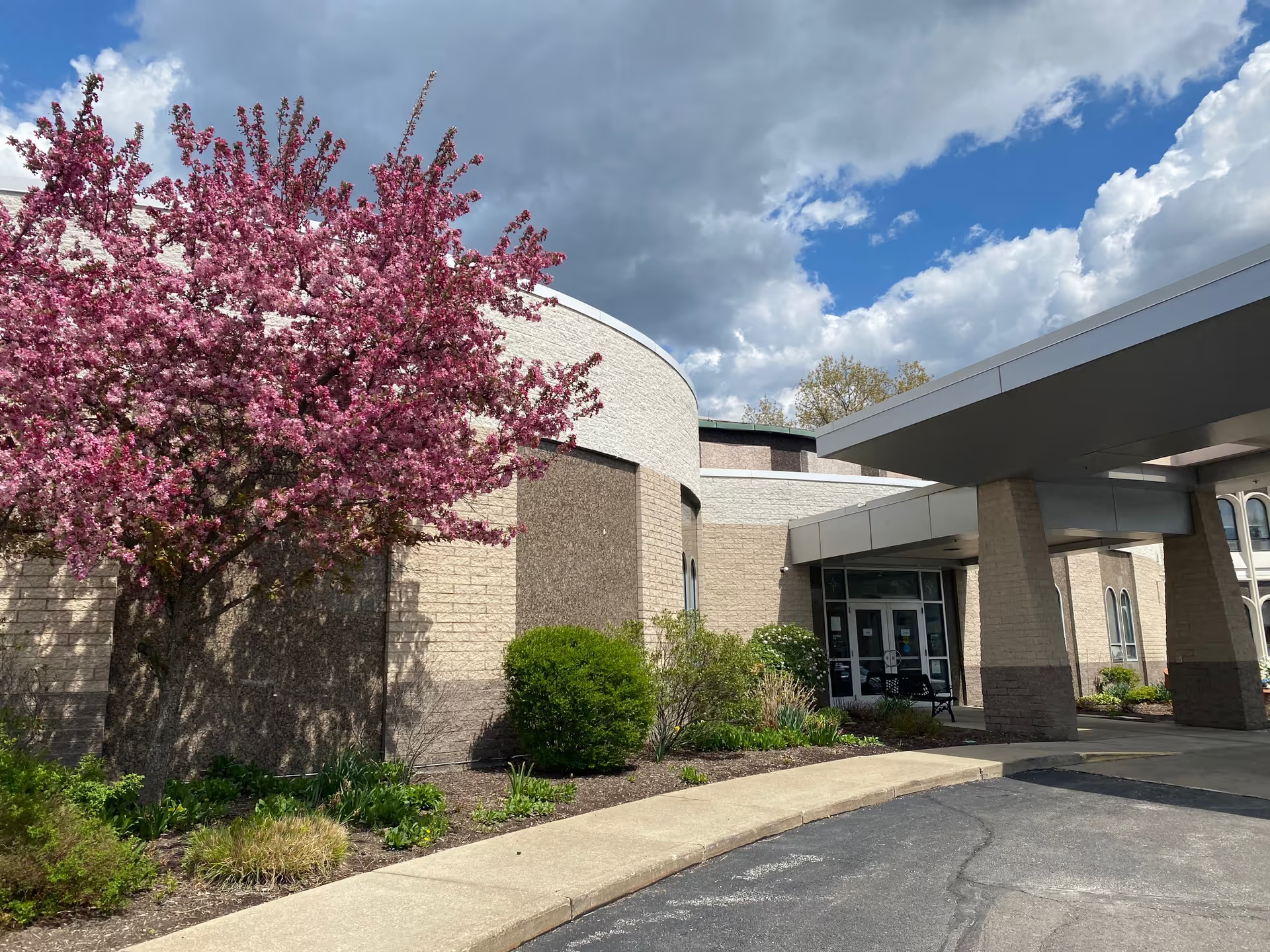
Dining, facilities, and sanitation present a mixed picture. Positive remarks include a rotating monthly menu, on-time meal delivery for many residents, welcoming common areas, and well-maintained grounds. Conversely, there are repeated sanitation and housekeeping concerns focused on resident rooms and bathrooms, inconsistent cleaning schedules, supply shortages (for example, hygiene supplies and briefs), and occasional dietary tray mismatches with specified restrictions. A limited number of reviewers raised concerns about odor or smoking-use controls near entrances, suggesting inconsistency in enforcement of facility policies.
Notable patterns: experiences appear highly variable depending on shift, unit, and individual staff members. Several reviewers describe an overall respectful, well-run experience with strong leadership and staff who go above and beyond; others describe serious lapses in basic care, safety monitoring, medication processes, and communication. A few reviews reference very serious adverse outcomes and concerns following a resident's death; such accounts underscore the importance of verifying current performance and oversight. Given the divergence in reported experiences, prospective residents and families should ask targeted questions about current staffing ratios, medication management protocols, infection-control practices, recent ownership or leadership changes, weekend/overnight supervision, and documented quality-improvement activities. An in-person visit during different shifts, review of recent inspection and staffing records, and direct discussion with nursing leadership can help clarify which of these patterns apply to the unit or level of care under consideration.