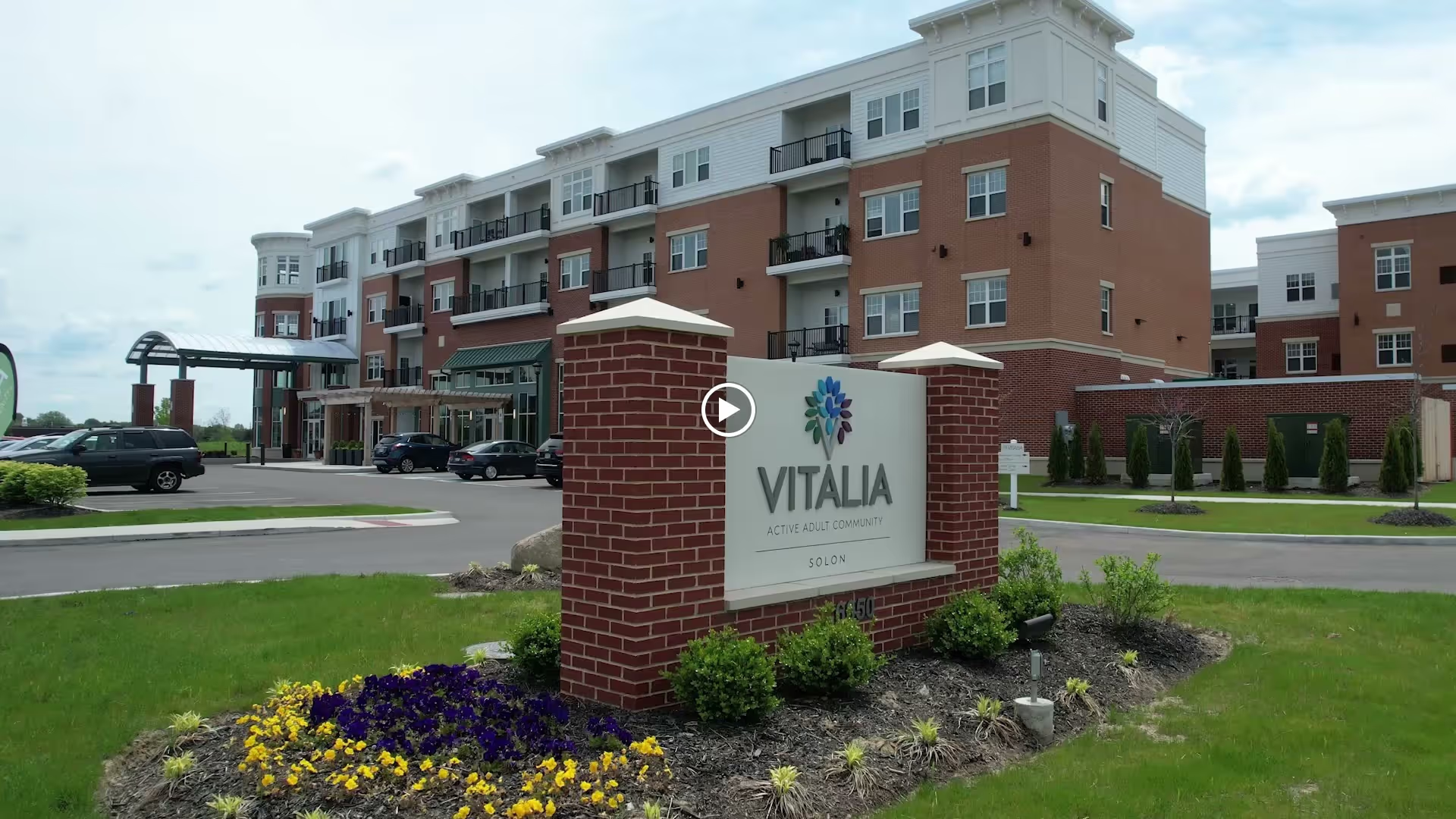
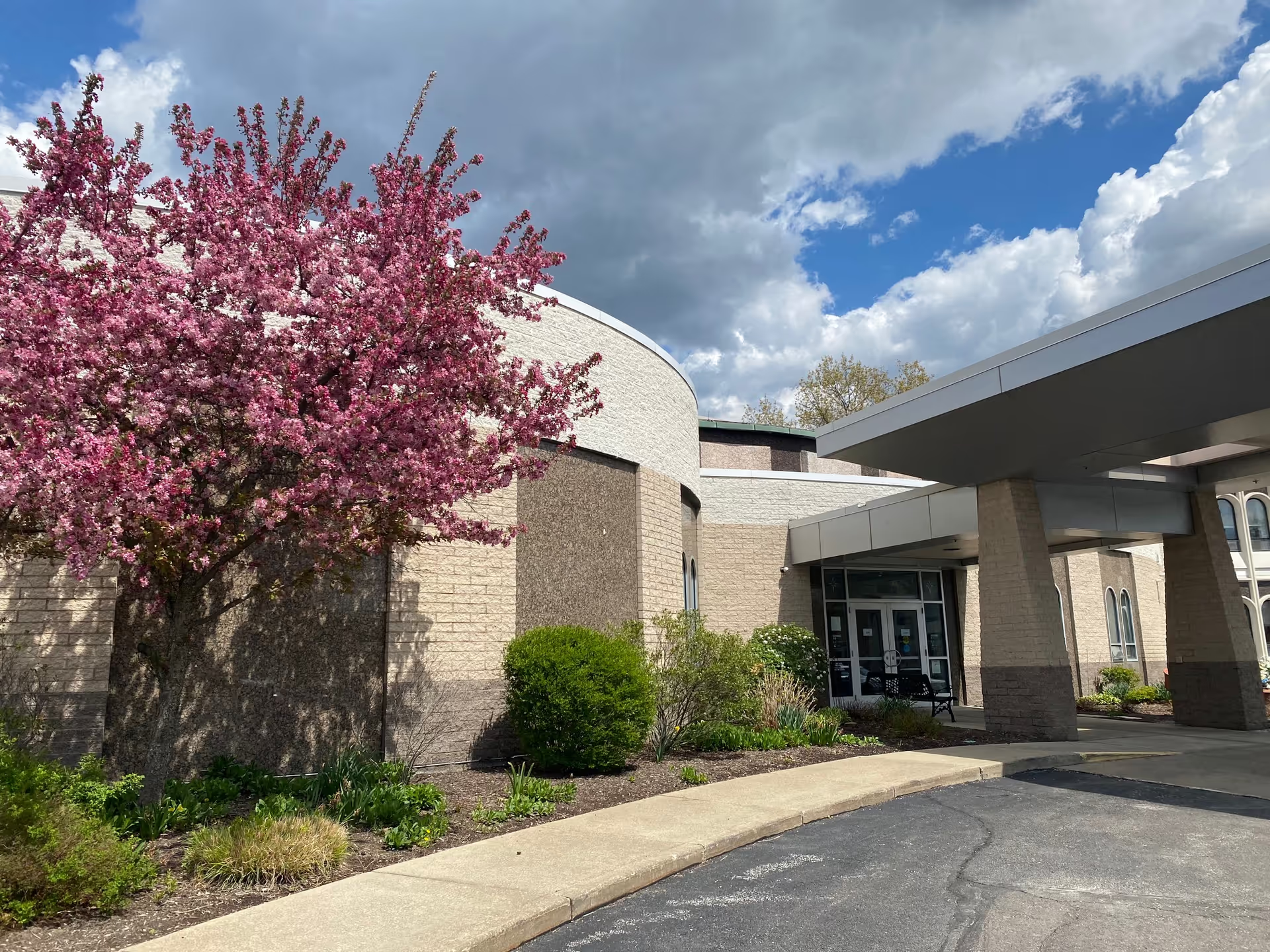
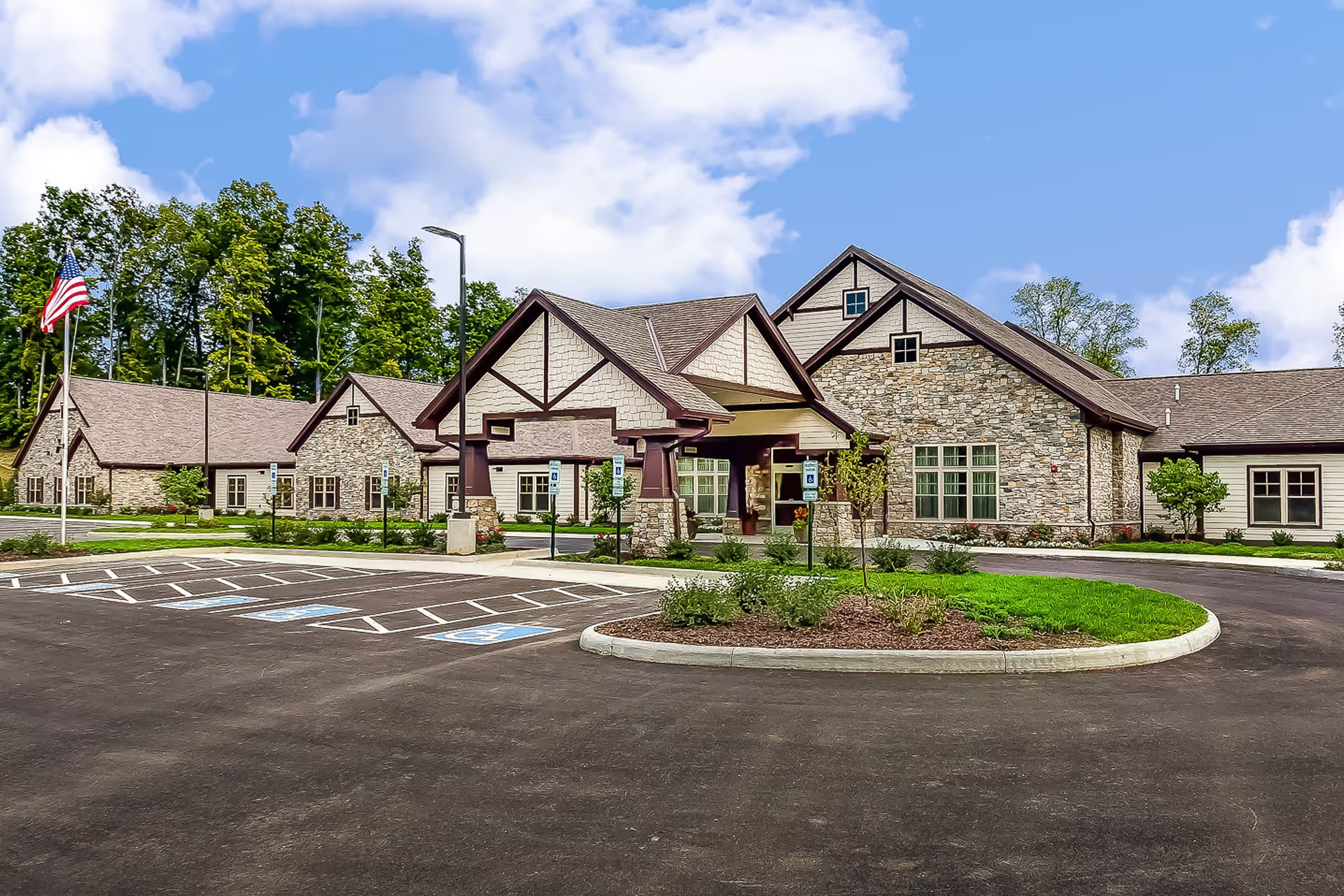
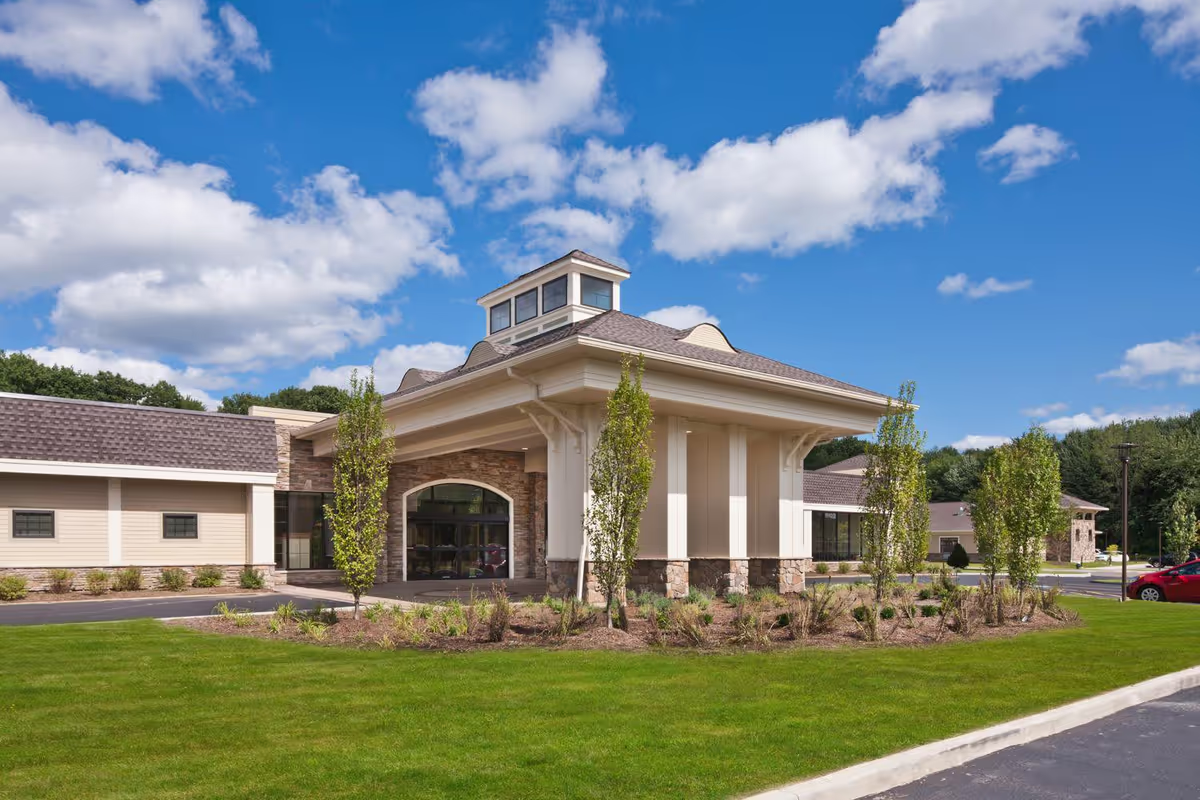
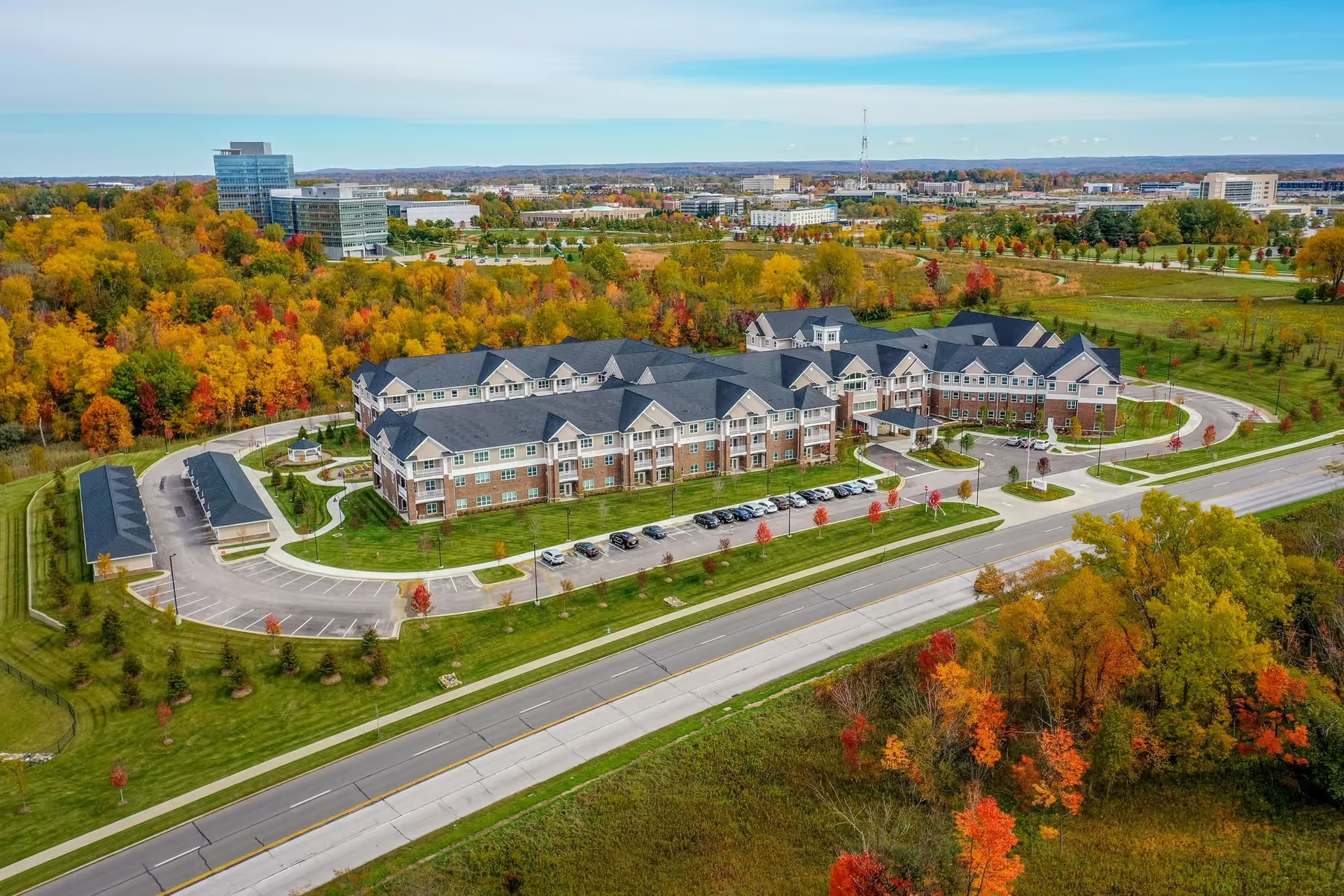
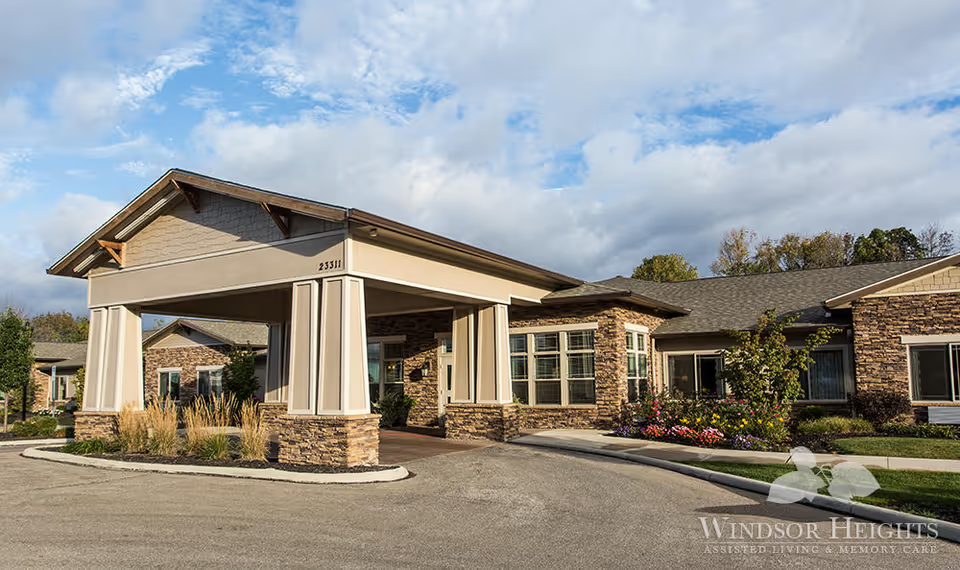
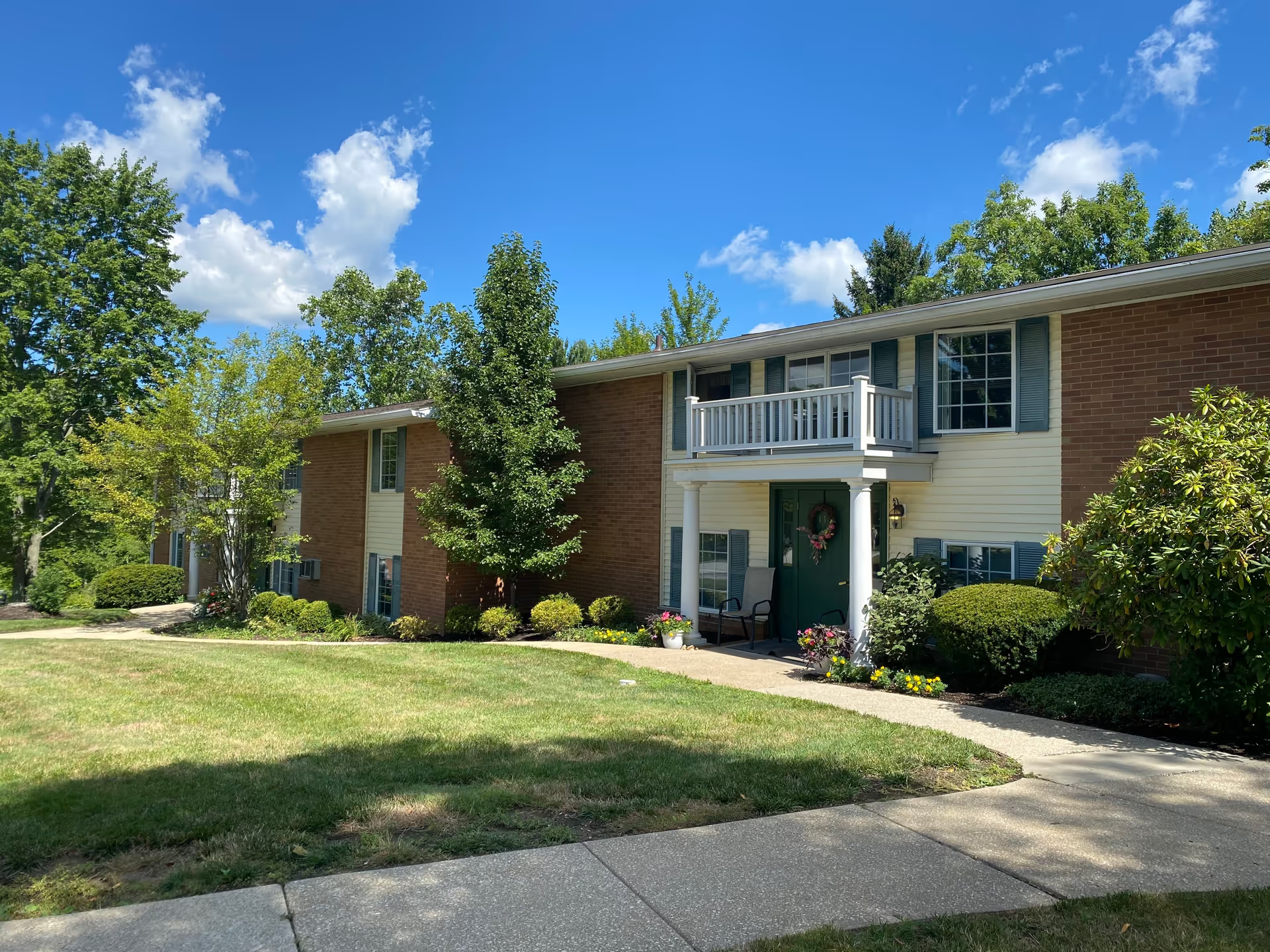
Overall impression is highly mixed: many families and short-term residents praise the staff, therapy, and campus environment, while others describe persistent operational problems that materially affect care. The facility presents as a well-appointed continuing-care campus with attractive grounds, a bright dining room and café, and rooms that residents may personalize. Rehabilitation and therapy services receive consistent positive feedback, and maintenance and housekeeping are often described as responsive. At the same time, reviewers identify recurring deficiencies in core nursing and assistive care that undermine confidence for long-term memory-care residents.
Care quality varies by unit and by shift. Rehabilitation and short-stay therapy services are commonly described as effective and attentive, helping residents return home. Conversely, long-term assisted- and memory-care experiences are inconsistent: there are repeated accounts of medication-administration errors, documentation gaps, and delays in providing pain relief and toileting assistance. Several reviewers specifically noted inadequate nurse coverage in the memory-care unit and staffing levels insufficient to meet scheduled and unscheduled care needs. Safety-practice concerns were raised around transfers and lift procedures that require two-person assistance.
Staff-related observations are polarized. Many reviewers emphasize compassionate, friendly, and helpful front-line staff, nurses, aides, and therapists; specific employees and the therapy department received praise. However, chronic staff turnover and short staffing are recurring themes that reviewers link to slower responsiveness, missed rounds, and variability in individual caregiver competency. Communication with families is cited as uneven: some families report clear, supportive interactions while others describe limited transparency and delayed or incomplete updates.
Dining and activities show similar variability. Multiple reviewers describe good to excellent meals, appealing presentation, and adequate portions in a pleasant dining room environment; others call out unappealing meals or perceived nutritional shortcomings. Activity programming exists but is described as limited for certain populations: programming is perceived as biased toward female preferences, and an intensive therapy schedule can restrict participation in recreational activities for some residents. Management has indicated efforts to broaden activities for male residents.
Facility and management issues are significant considerations. The campus and common areas receive positive remarks for cleanliness and aesthetics, but operational concerns include inconsistent transport coordination, inaccurate transport and medical visit records, and alleged problems with financial transparency and money handling. There are also mentions of regulatory intervention and temporary resident relocations, which prospective families should investigate further. These management and documentation weaknesses appear linked in reviews to the broader staffing and oversight problems.
For prospective residents and families: weigh the facility's strong rehabilitation services, pleasant environment, and individually praised staff against repeated accounts of understaffing, uneven clinical oversight (especially in memory care), medication- and documentation-related issues, and management/transparency concerns. Recommended steps before making a placement decision include asking for current staffing ratios by unit and shift, nurse coverage details for memory care, documentation and medication-administration protocols, transport procedures, recent inspection or licensing actions, and an opportunity for a short trial/observation stay (for rehab or respite) to assess fit. Those factors will help determine whether the facility's strengths align with an individual resident's level-of-care needs and risk tolerance.