Overall impression: Sunrise of Hamilton elicits strongly mixed impressions. Many families describe warm, engaged staff, well‑kept common areas, robust activity and dining programs, and private apartment options; others raise persistent operational concerns that affect care reliability. The result is a polarized pattern in which residents experience either steady, family‑style support or episodic breakdowns in routine care and communication.
Care and staff: Reviews indicate a core strength in staff demeanor—caregivers, activities staff, and some nursing personnel are frequently described as compassionate, personable, and responsive. Small memory‑care neighborhoods and a family atmosphere are repeatedly cited as positive factors for residents with dementia. At the same time, there are consistent complaints about understaffing, high aide turnover, and aides being stretched across many responsibilities. These staffing pressures are linked to inconsistencies in personal‑care delivery (for example, inconsistent bathing and clothing changes), delays in routine checks, and variable clinical oversight. Several families also described lapses in medication or nursing follow‑up and delays in communicating after clinical incidents, indicating gaps in escalation and family notification processes.
Dining and activities: Dining is commonly praised for variety, alternatives, and pleasant dining spaces; multiple reviewers mentioned that residents enjoy meals, themed offerings, and social dining. However, there are intermittent complaints about meal timing, cold food, and portion inconsistencies. Activities programming is a clear asset in the assisted‑living areas—outings, exercise classes, crafts, music, an ice‑cream parlor, and guest events are frequently noted. Memory‑care programming appears more variable: some families report active, appropriate engagement, while others describe limited or repetitive offerings and reduced staff interaction in those neighborhoods.
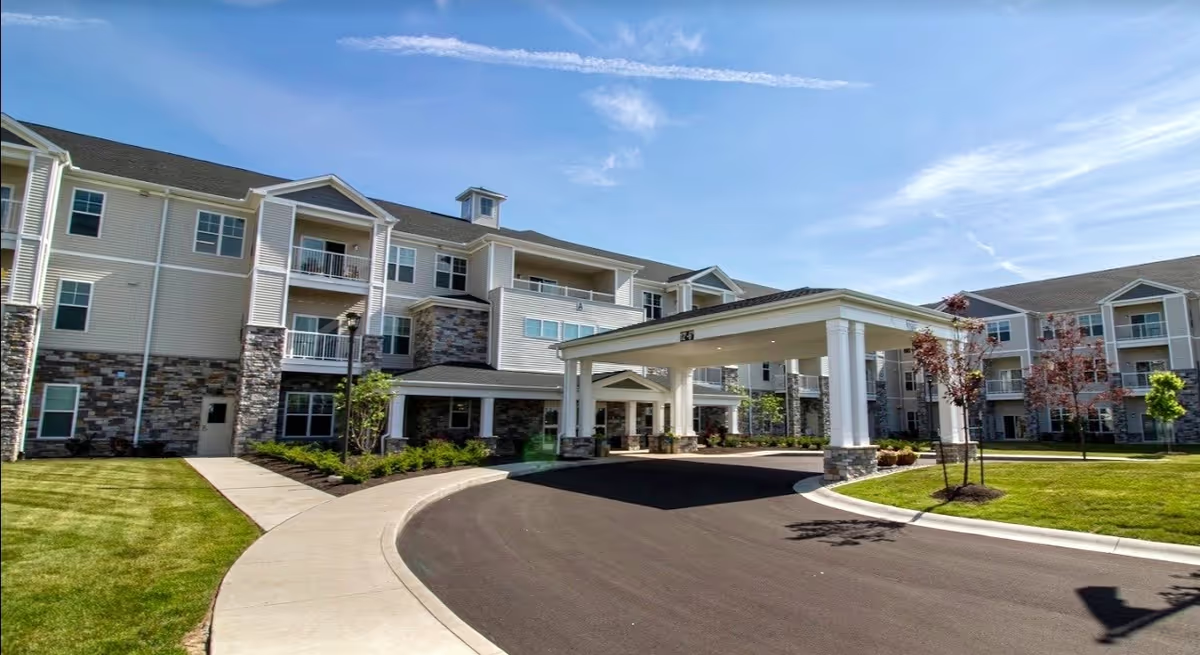
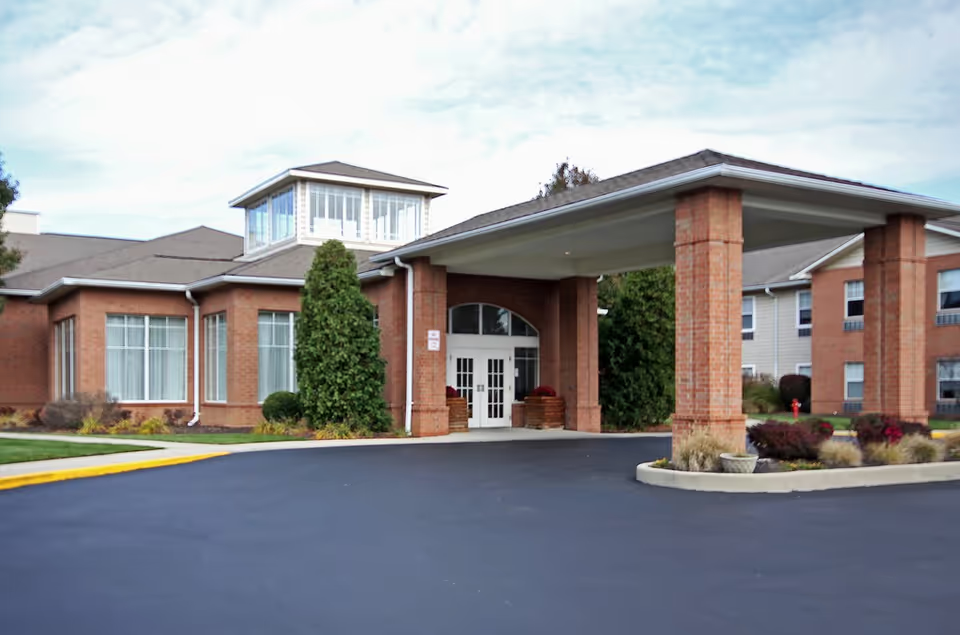
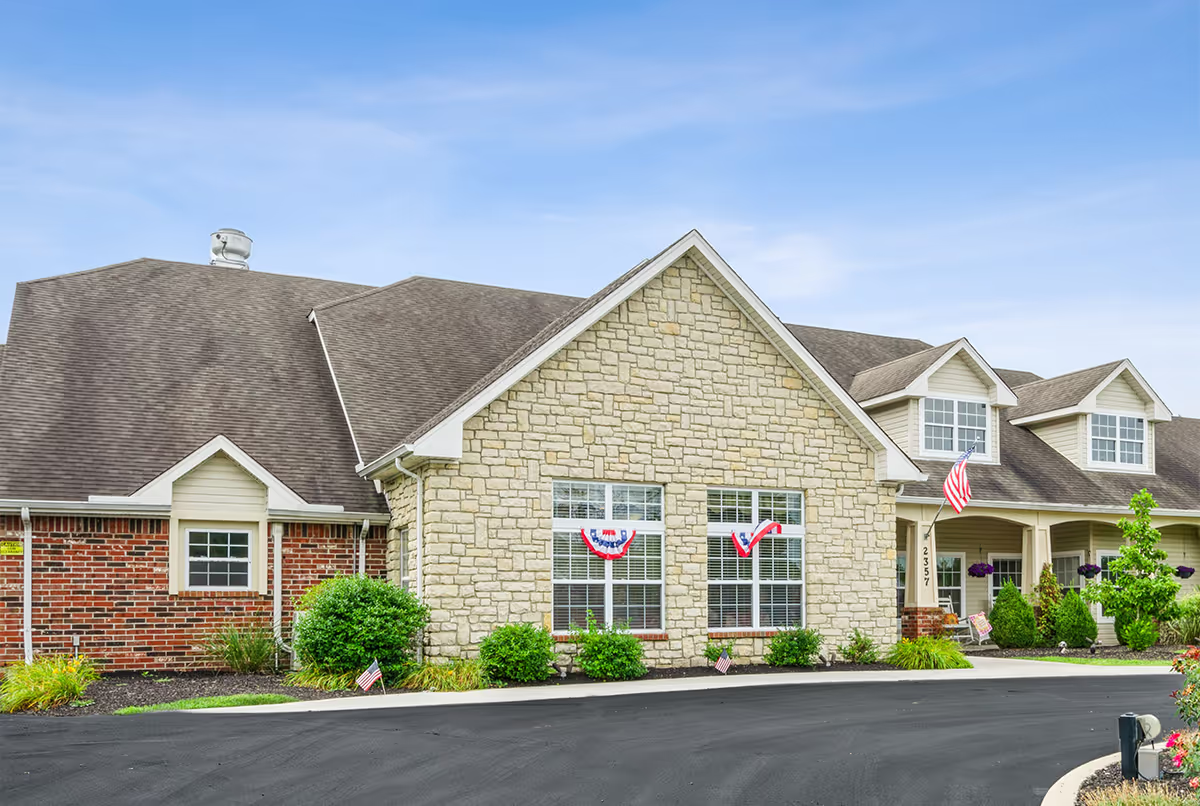
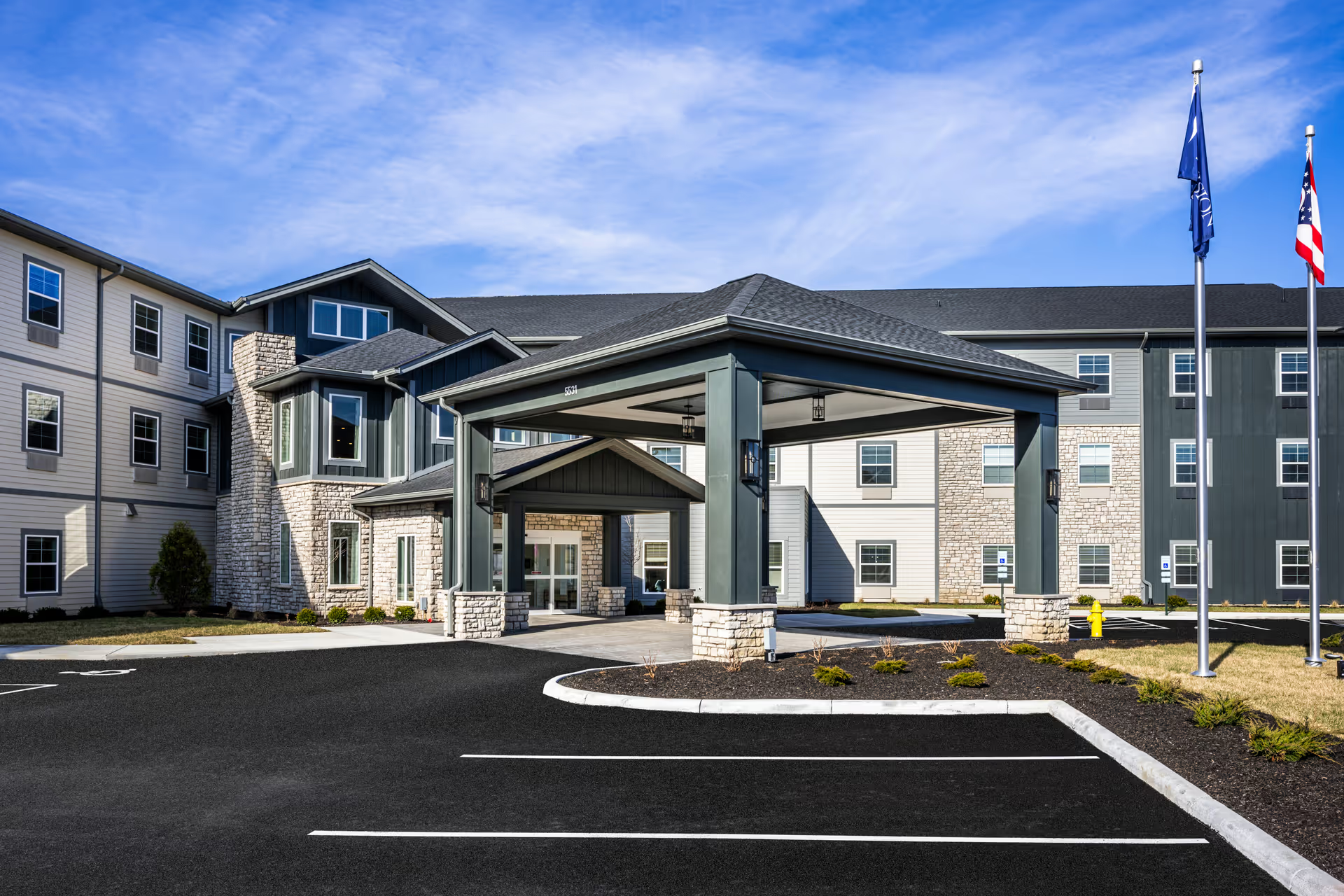
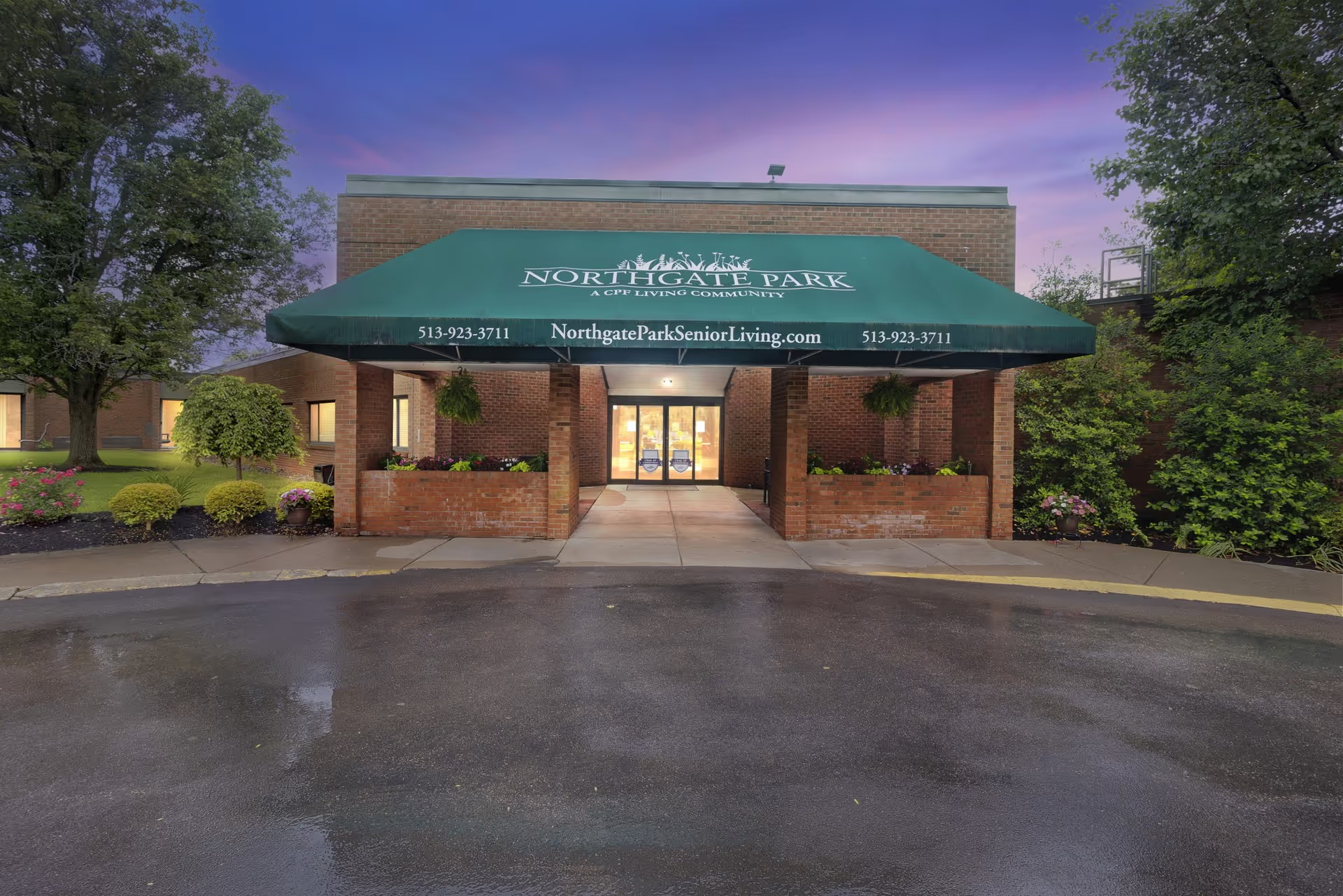
Facilities and maintenance: The facility is generally described as clean, single‑level, and well‑appointed with multiple communal spaces and outdoor areas. Multiple reviewers praised private apartments, courtyards, and specialty rooms. Counterbalancing this, other reviews identify maintenance follow‑through problems and isolated sanitation and pest‑control concerns; these operational issues have interrupted resident comfort and required management attention. Laundry and resident‑property handling processes are also an area of concern, with instances that suggest weaknesses in property controls and tracking.
Management and policies: Management experience is uneven in reviewers' accounts. Some families commend admissions staff, billing, and individual directors for clear, supportive coordination, including hospice transitions. Others report slow responsiveness from management or HR, contract and deposit disputes, and perceived disengagement when addressing incidents. There are also noted gaps in privacy policies around in‑room monitoring and mixed experiences with incident transparency. Isolated allegations of legal or billing disputes were reported and reflect the need for careful contract review prior to move‑in.
Notable patterns and considerations for families: The dominant pattern is variability tied to staffing and operational controls. Positive outcomes correlate with stable, well‑staffed shifts and engaged leadership; negative experiences correlate with staffing shortages, turnover, and lapses in laundry/property controls, pest management, and incident communication. Prospective families should evaluate evening and memory‑care staffing ratios, ask about laundry/property protocols and pest‑control plans, review incident‑notification procedures, and confirm billing and deposit policies. In summary, Sunrise of Hamilton offers many programmatic and environmental strengths but shows recurring operational weaknesses that can materially affect resident experience when staffing and systems are strained.