Altercare Hilliard presents a mixed profile in which a clearly strong rehabilitation program coexists with operational variability in nursing and frontline care. Therapy services — particularly physical and occupational therapy — receive consistently positive feedback for effectiveness, scheduling, and staff engagement. Multiple accounts highlight attentive, skilled therapists and structured family care-planning meetings, making the facility a reasonable option for short-term post-hospital rehabilitation and functional recovery.
Staffing and direct-care consistency are the primary areas of concern. Reviewers describe a high reliance on temporary or agency personnel and notable turnover among STNAs and aides, contributing to uneven continuity of care. Consequences described include delays in call-light responses, inconsistent bathing and incontinence-care schedules, and variability in the timeliness of medication administration. Several comments raise issues around medication practices and non-standard administration methods; these are serious items that warrant specific operational review.
Infection prevention, sanitation, and equipment provisioning emerged as recurrent operational weaknesses. Some reviewers describe gaps in glove use and other infection-prevention practices and request additional staff training. Housekeeping and room maintenance are otherwise often described as adequate, but there are repeated accounts of inconsistent cleaning, trash removal, and delayed provision or repair of essential equipment (walkers, wheelchairs, beds), which can affect resident safety and comfort.
Safety and clinical-incident response are areas with mixed reports. Positive experiences coexist with accounts of falls, transfer delays, and family concerns about the timeliness of clinical follow-up after changes in condition or diagnostic tests. These reports point to weaknesses in fall-prevention practices, transfer-safety procedures, and post-incident family communication. There are also repeated comments about limited capability to manage residents with advanced dementia or wandering behaviors; the facility does not appear to offer a locked, specialized memory-care program.
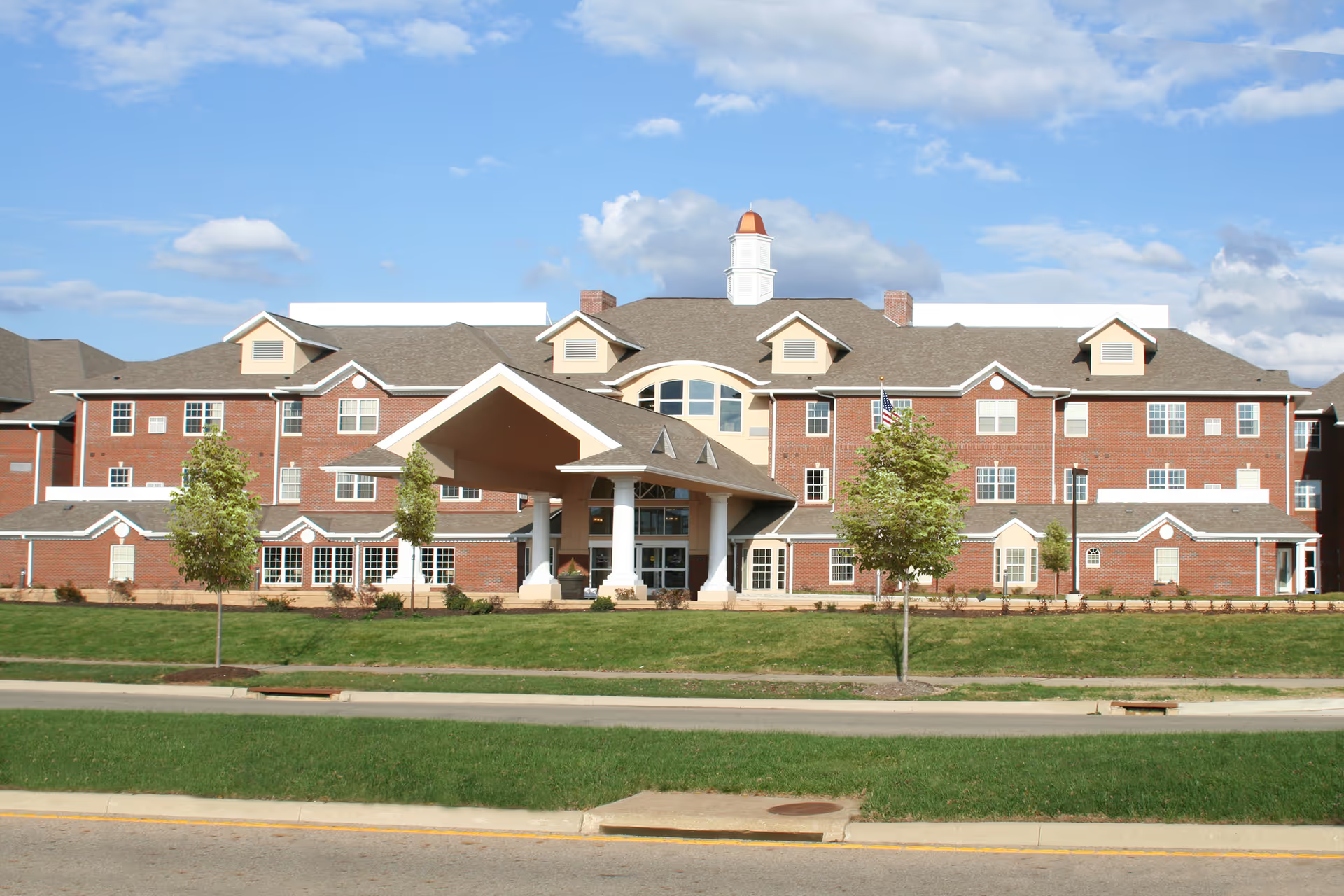
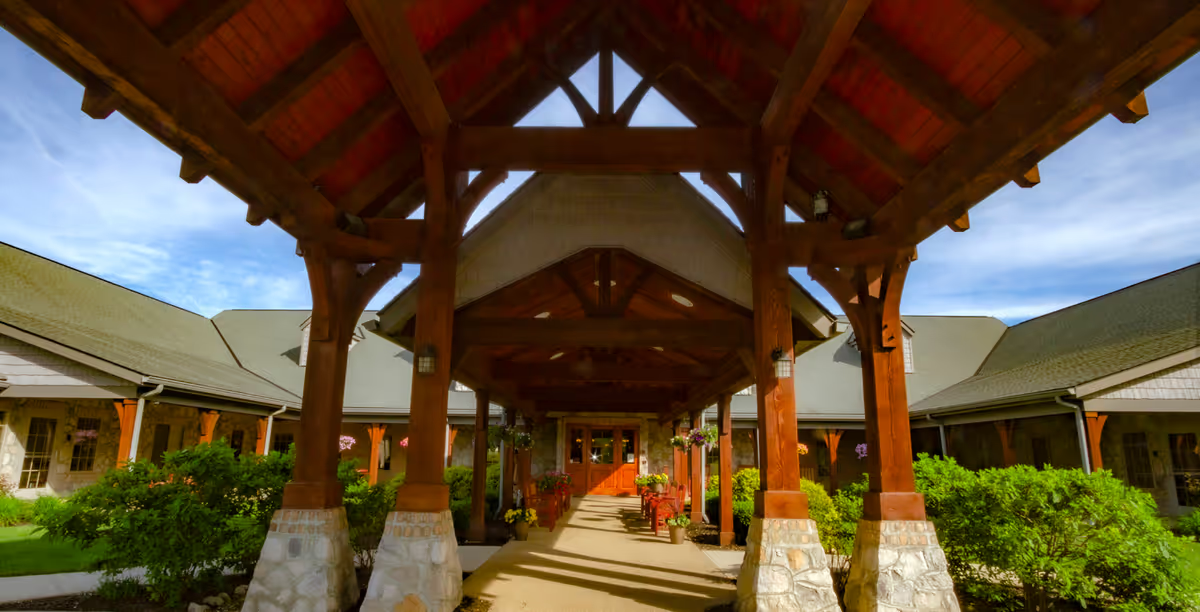
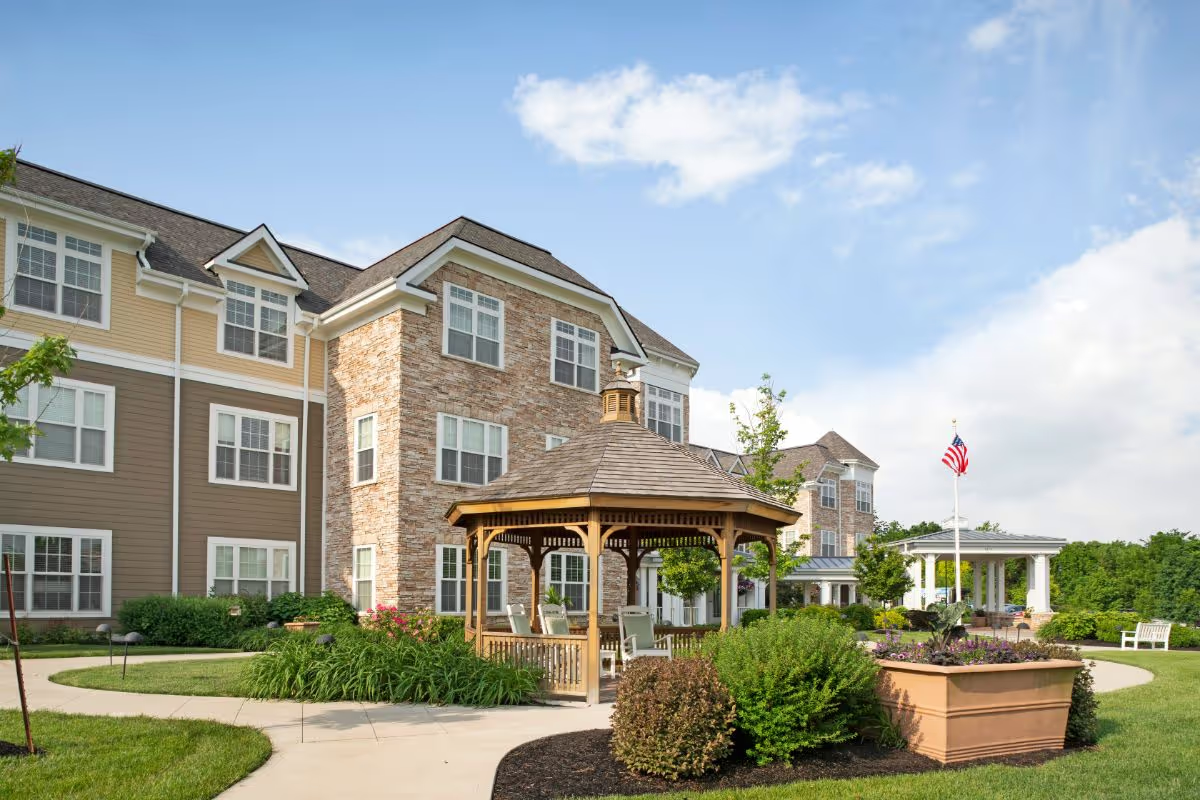
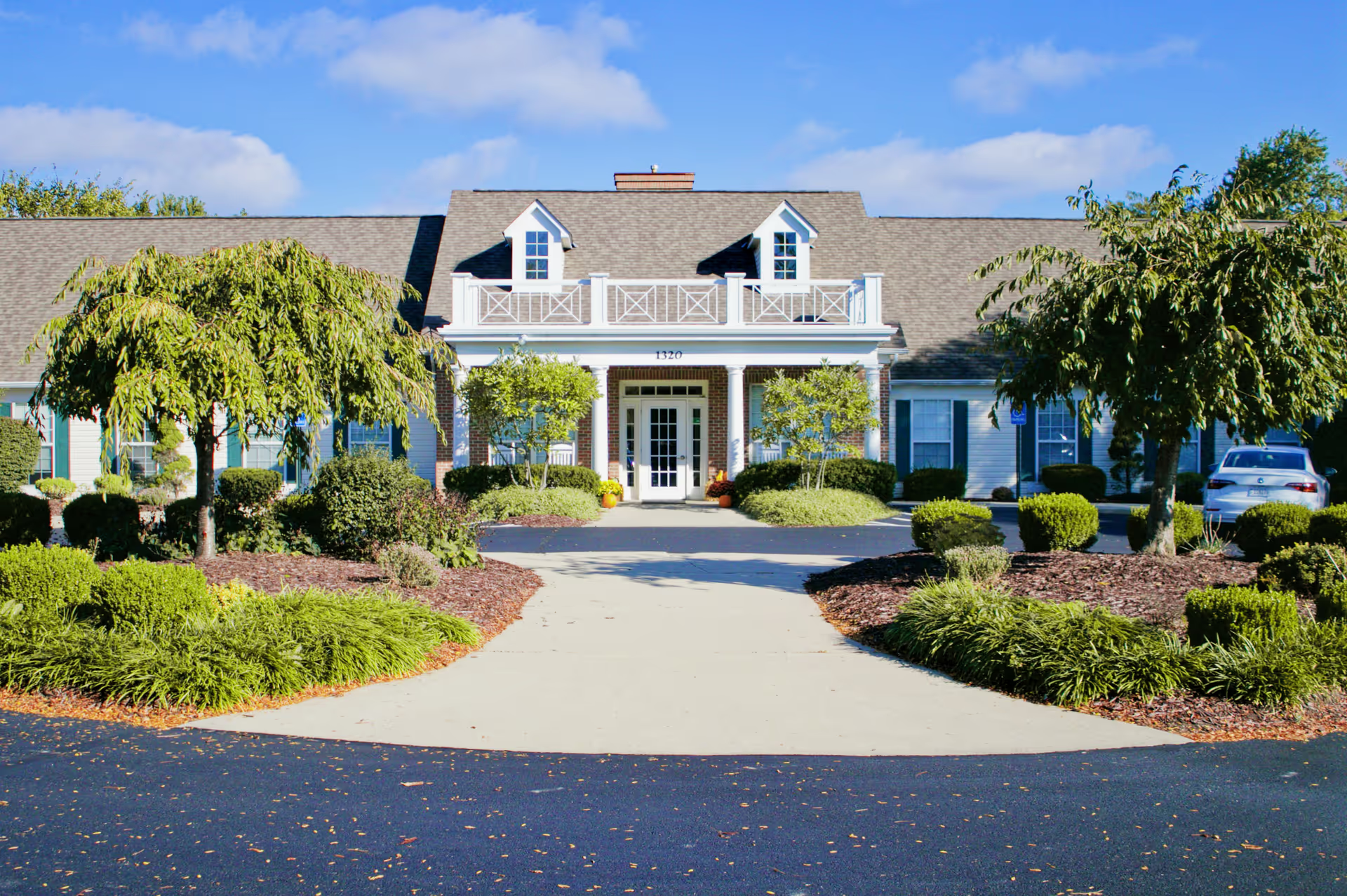
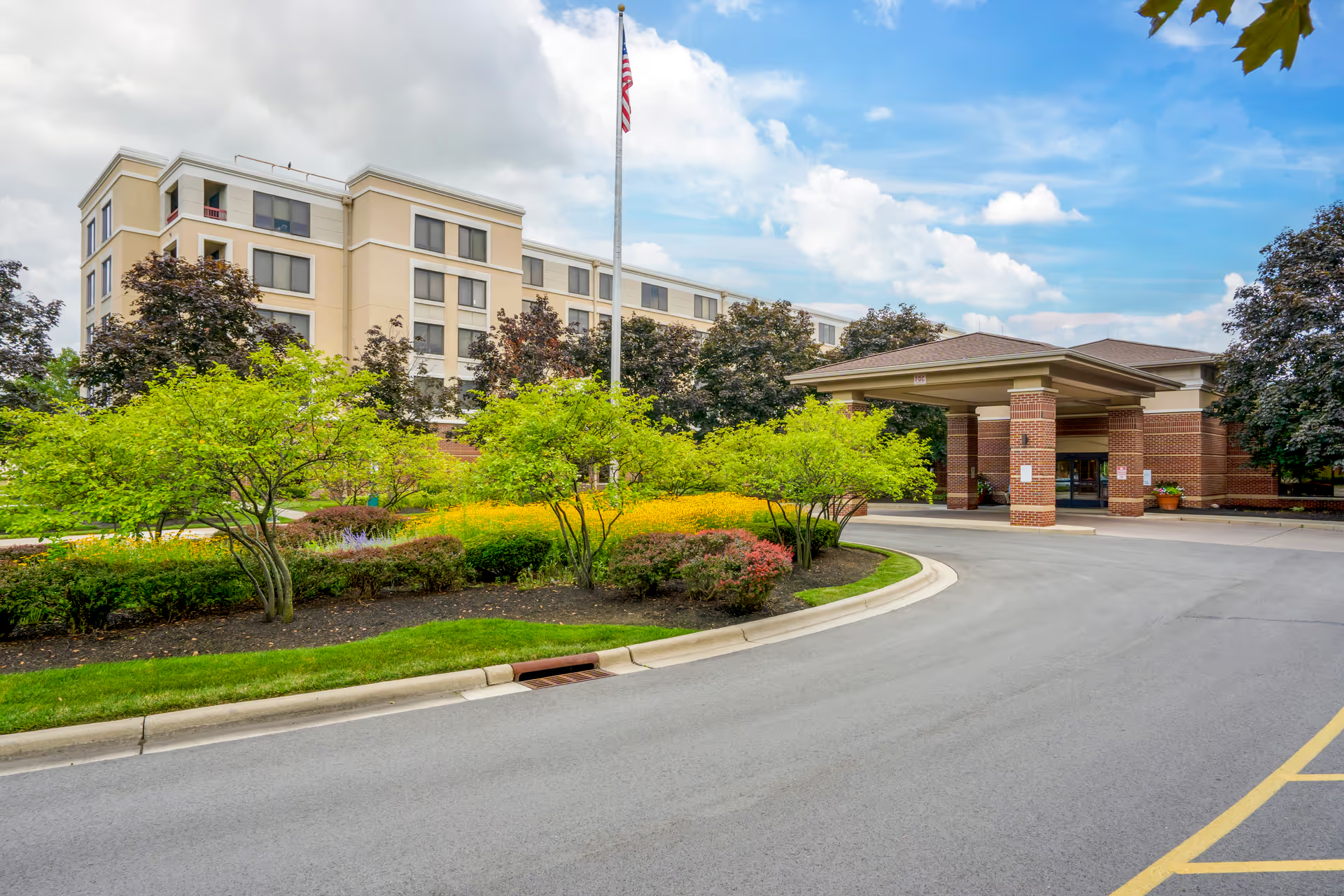
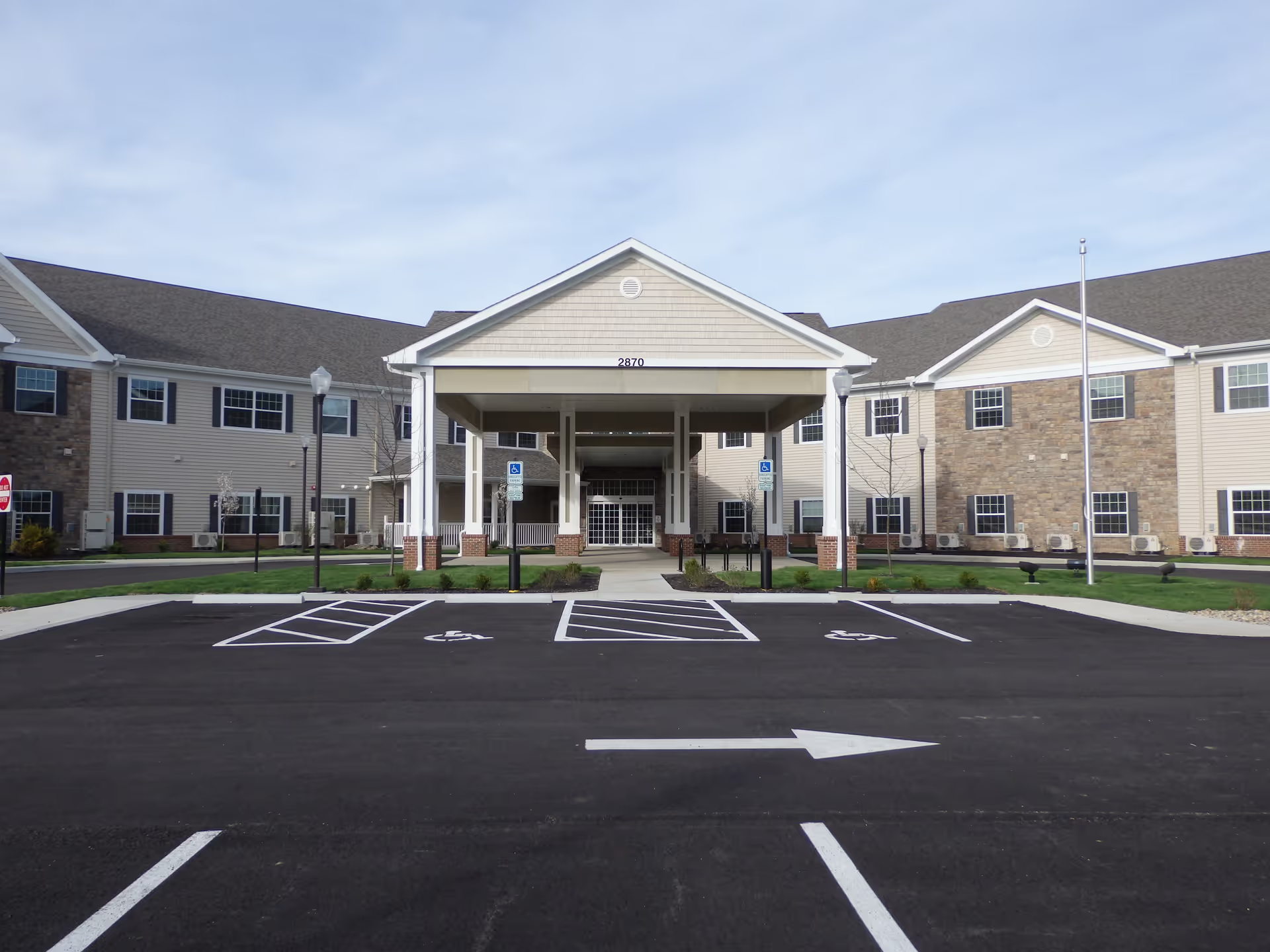
Dining, activities, and facility amenities are generally viewed positively but with variability. Food quality is described as fair to good with diet accommodations available; however, meal taste and consistency are uneven. The physical environment — private rehab rooms, comfortable common spaces, a pleasant walkway, and opportunities for couples to room together — is frequently praised. Activity programming is appreciated by some residents who report positive social interactions and outings.
Management and family communication receive mixed assessments. Several families commend individual staff members and social-work support for clear communication and advocacy; others describe administrative responses as slow, robotic, or insufficiently accountable when clinical concerns are raised. Financial and occupancy practices are mentioned as a perceived operational emphasis in a few accounts.
Overall, Altercare Hilliard appears to offer strong, reliable short-term rehabilitation driven by an able therapy team and several compassionate staff members, and the facility environment is often cited as clean and comfortable. Prospective residents and families should weigh these strengths against documented operational weaknesses: inconsistent nursing and direct-care staffing, gaps in infection prevention and equipment maintenance, variability in medication and personal-care practices, and limitations in memory-care capabilities. Those considering the facility for short-term, therapy-focused stays will likely find its therapy program and environment advantageous; families seeking long-term placement for residents with advanced dementia or highly complex nursing needs should seek clarification from administration about staffing models, infection-control training, medication protocols, and incident-response procedures before placement.