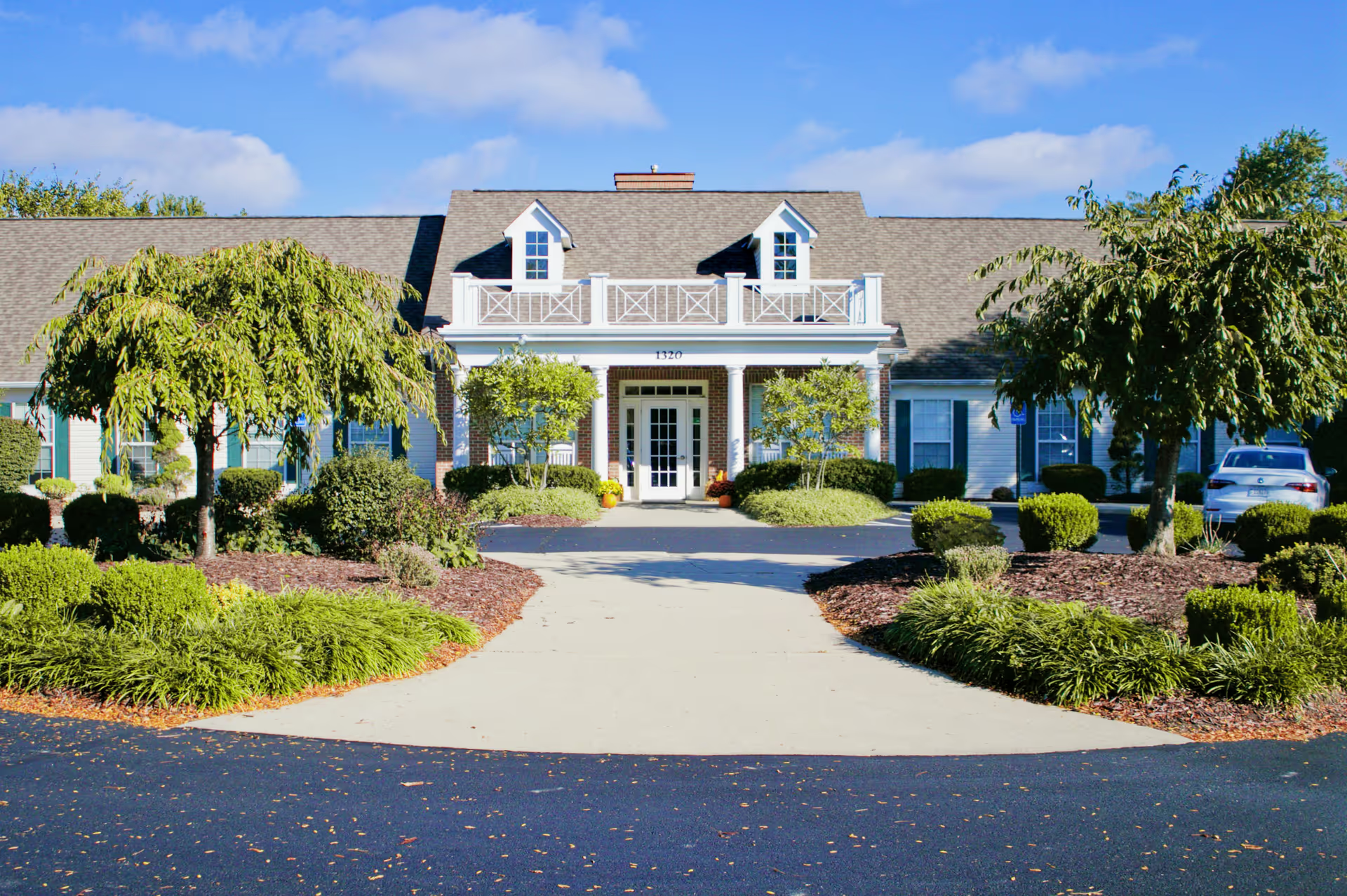
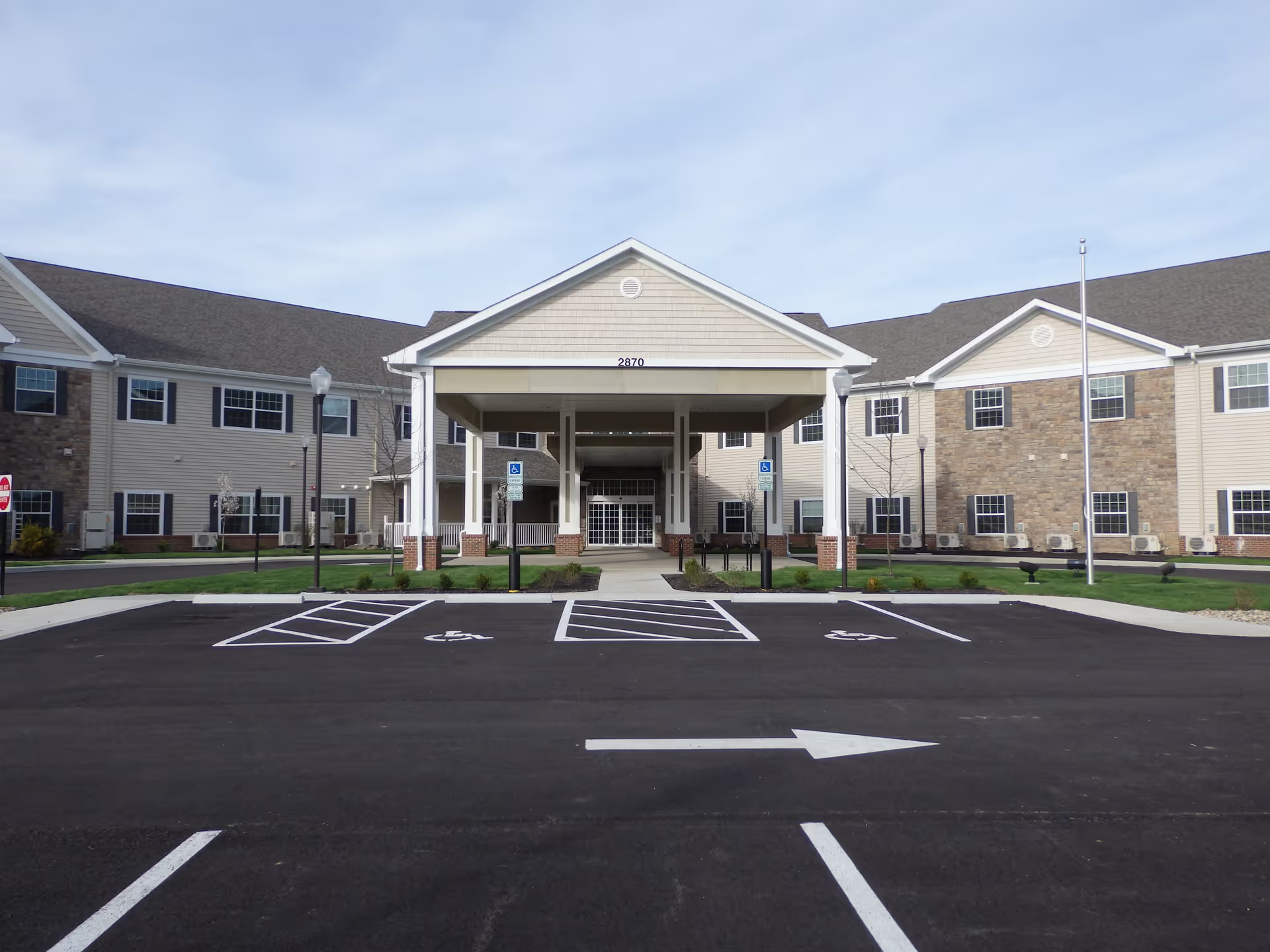
Overall impression: Reviews of Darby Glenn Nursing & Rehabilitation Center are highly polarized. Many families and former residents praise the facility’s modern building, roomy accommodations, strong rehabilitation services, and specific staff members who provide attentive, compassionate care. At the same time, a substantial number of accounts describe operational and clinical inconsistencies that significantly affect resident experience and safety. Prospective families should weigh the facility’s demonstrated strengths in therapy and certain clinical staff against recurrent operational weaknesses.
Care quality and clinical operations: Clinical performance is described as mixed. Numerous reviews highlight nurses and clinicians who consistently deliver timely pain and breathing treatments and who facilitate good rehabilitation outcomes. Conversely, reviewers also describe delayed or inconsistent medication administration, incomplete charting, and lapses in scheduled clinical tasks. Several accounts document delayed diagnostics, missed dialysis treatments, or other interruptions in medically indicated care; there are also serious isolated incidents that generated concerns following a resident’s death. These patterns suggest variability in clinical reliability that can be consequential for medically complex residents.
Staffing and staff conduct: Staffing emerges as a central theme. Many reviewers credit individual aides, nurses, therapists, and admissions personnel with professionalism and compassion. At the same time, frequent comments cite understaffing, long nurse-call response times, overworked PCAs, inconsistent aide competence, and concerns about staff communication tone. The result is an uneven day-to-day experience: some shifts and teams are described as highly attentive, while others are characterized by slow responses and lapses in routine care.
Dining, activities, and therapy: The rehabilitation/therapy program is one of the facility’s most consistently positive features; PT/OT teams receive repeated praise for helping residents regain strength and return home. Activities programming, including live entertainment and religious services, is frequently described as engaging and varied. Dining is more mixed: some reviews note warm, well-presented meals and multiple dining venues, while others describe frequent substitutions, cold or unpalatable trays, and failures to follow dietary restrictions. Families with strict dietary or allergy needs should verify menu and meal-handling procedures.
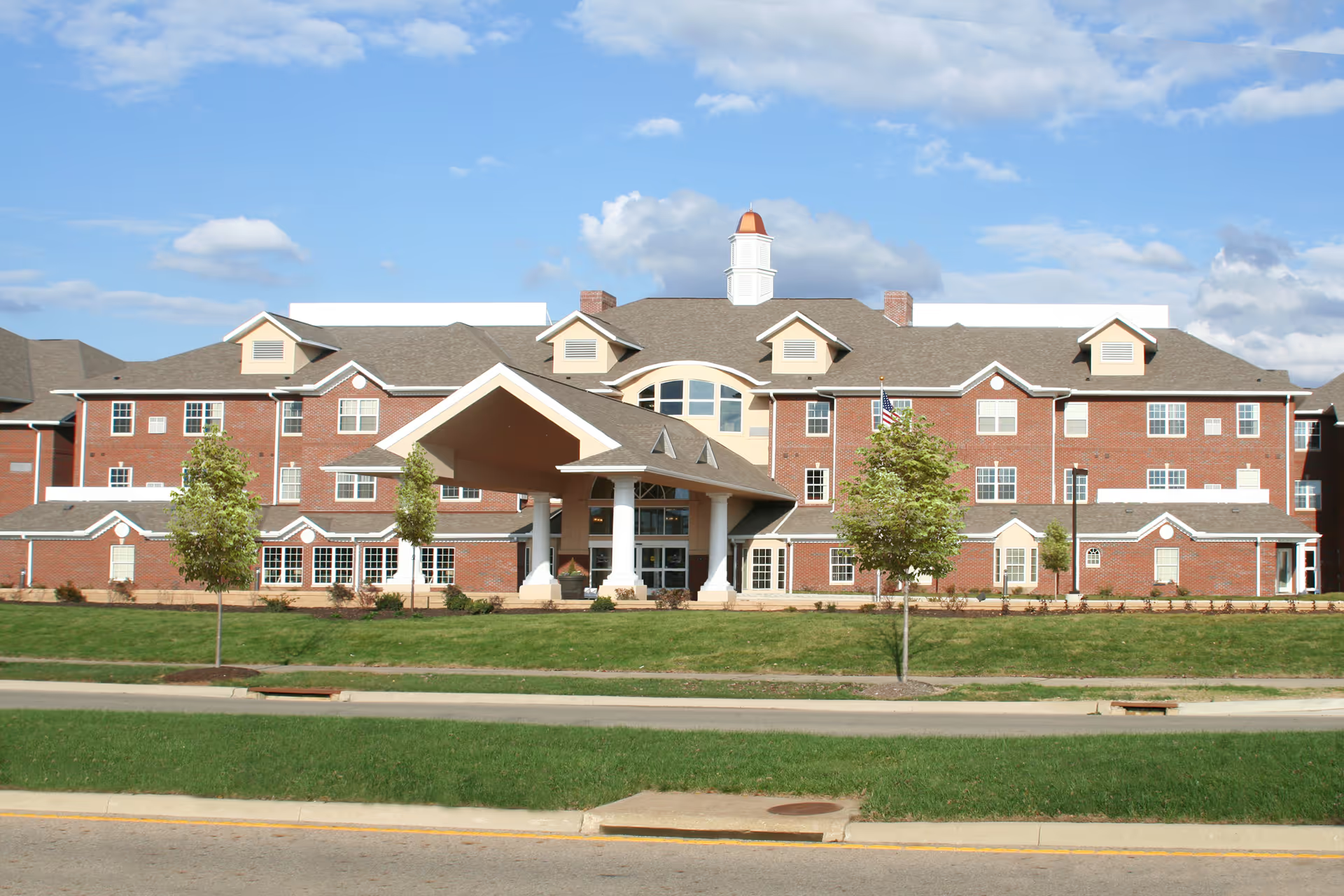
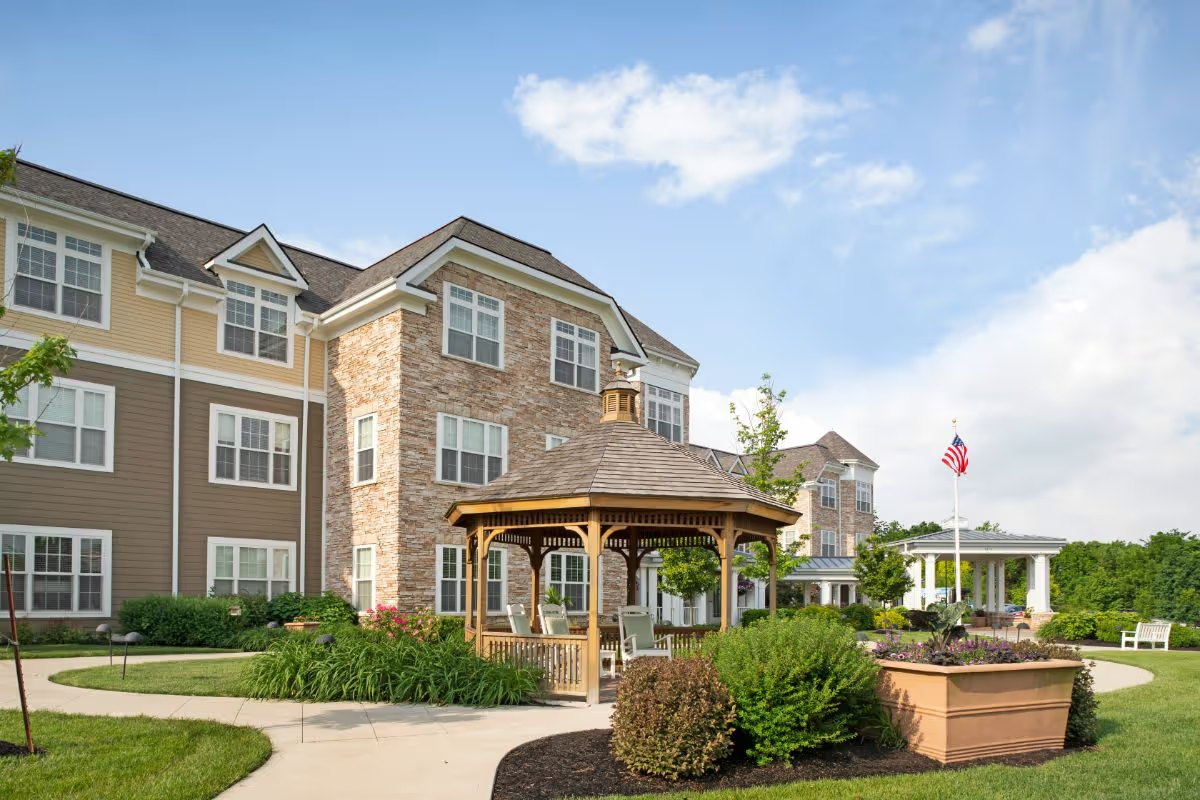
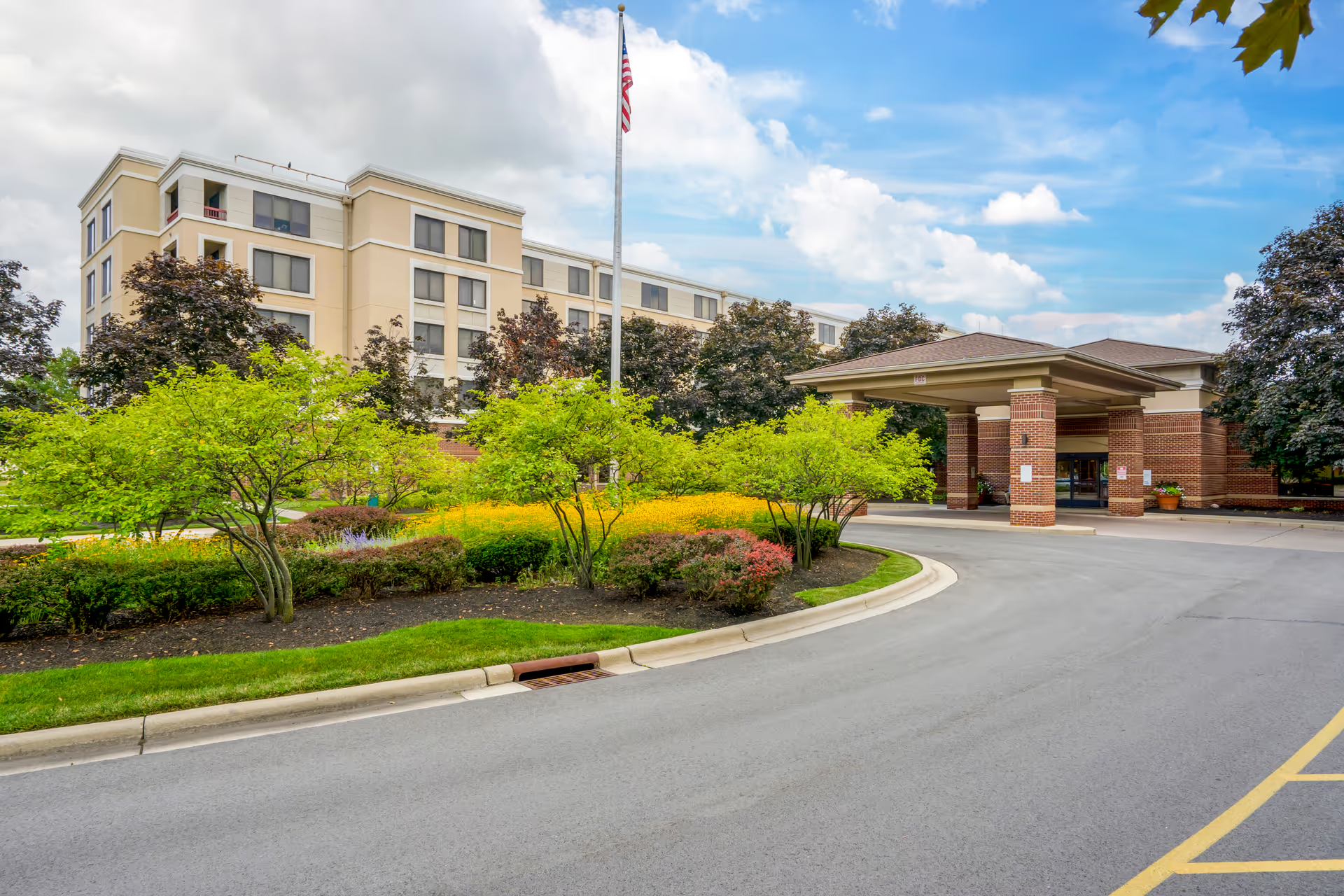
Facilities and sanitation: The center’s physical plant is often commended—newer construction, attractive grounds, large rooms with windows, and in-room amenities. However, multiple reviews raise sanitation concerns and inconsistencies in incontinence care, laundry, and room cleaning. These concerns appear to vary by unit and shift rather than being uniform across the campus. Infection-control practices and communication during outbreaks are also cited as areas needing improvement.
Management, communication, and liability concerns: Admissions staff and certain administrators receive positive remarks for clarity and compassion during the intake process. Conversely, a number of reviews describe uneven leadership responsiveness, recent leadership turnover, and poor follow-up after clinical incidents. There are also allegations relating to missing personal items and billing practices that warrant careful inquiry during admission. A small subset of reviews reference legal or regulatory actions; families should review inspection records and ask management about corrective actions and current oversight.
Notable patterns and practical guidance: The dataset shows a clear pattern of variability—high-quality, resident-centered care occurs alongside operational weaknesses that can affect safety and comfort. Strengths are particularly evident in rehabilitation outcomes and in the conduct of specific staff members and teams. Weaknesses concentrate around staffing levels, medication and clinical-task reliability, sanitation/incontinence practices, meal consistency, and management follow-through. For prospective residents, recommended due diligence includes touring multiple units at different times of day, asking for current staffing ratios and recent inspection reports, clarifying dietary and clinical protocols, confirming how the facility communicates about incidents and outbreaks, and monitoring care closely during the initial days of admission.