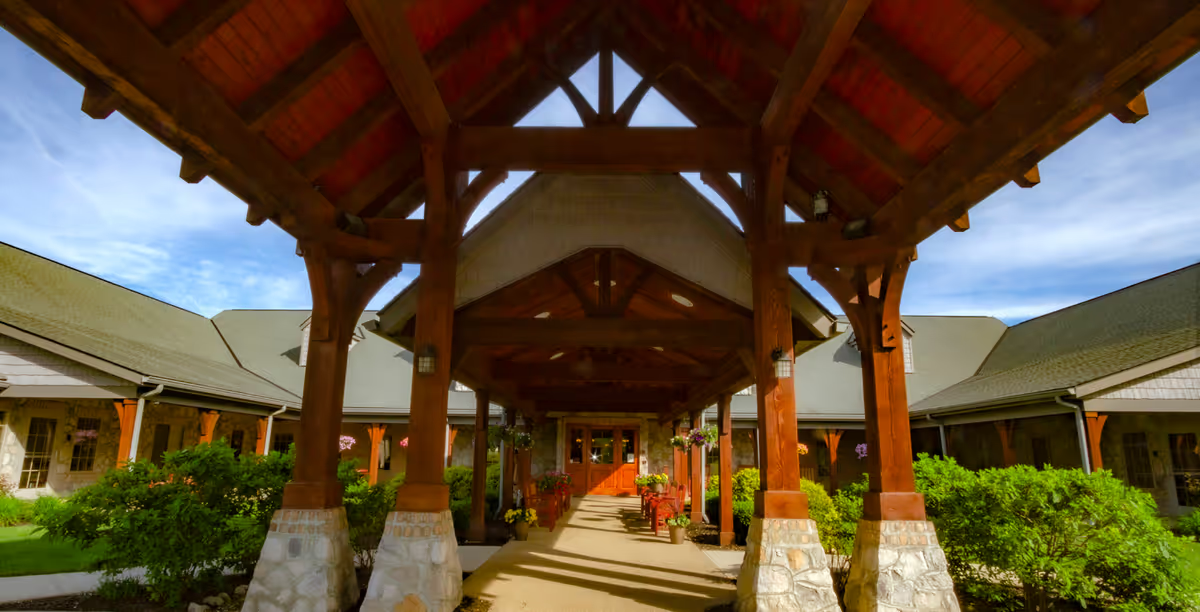
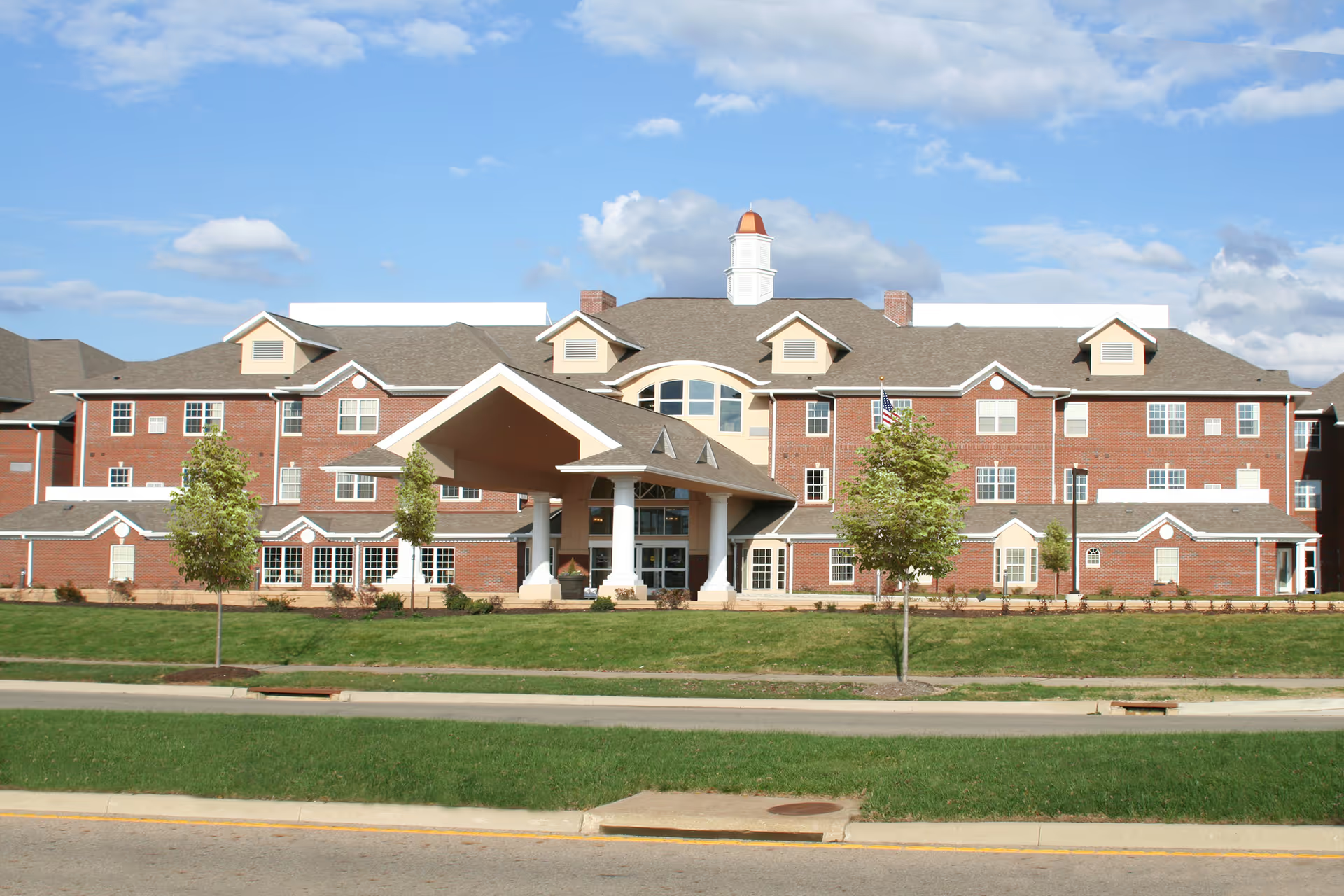
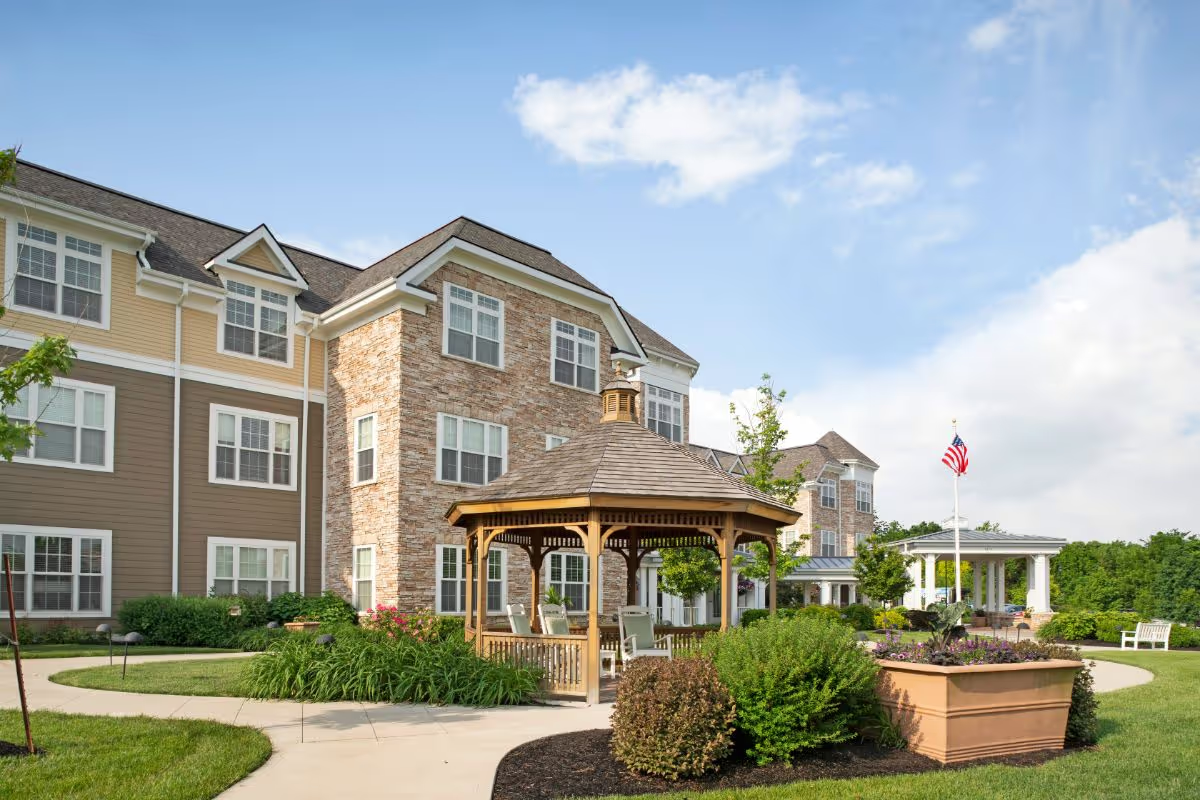
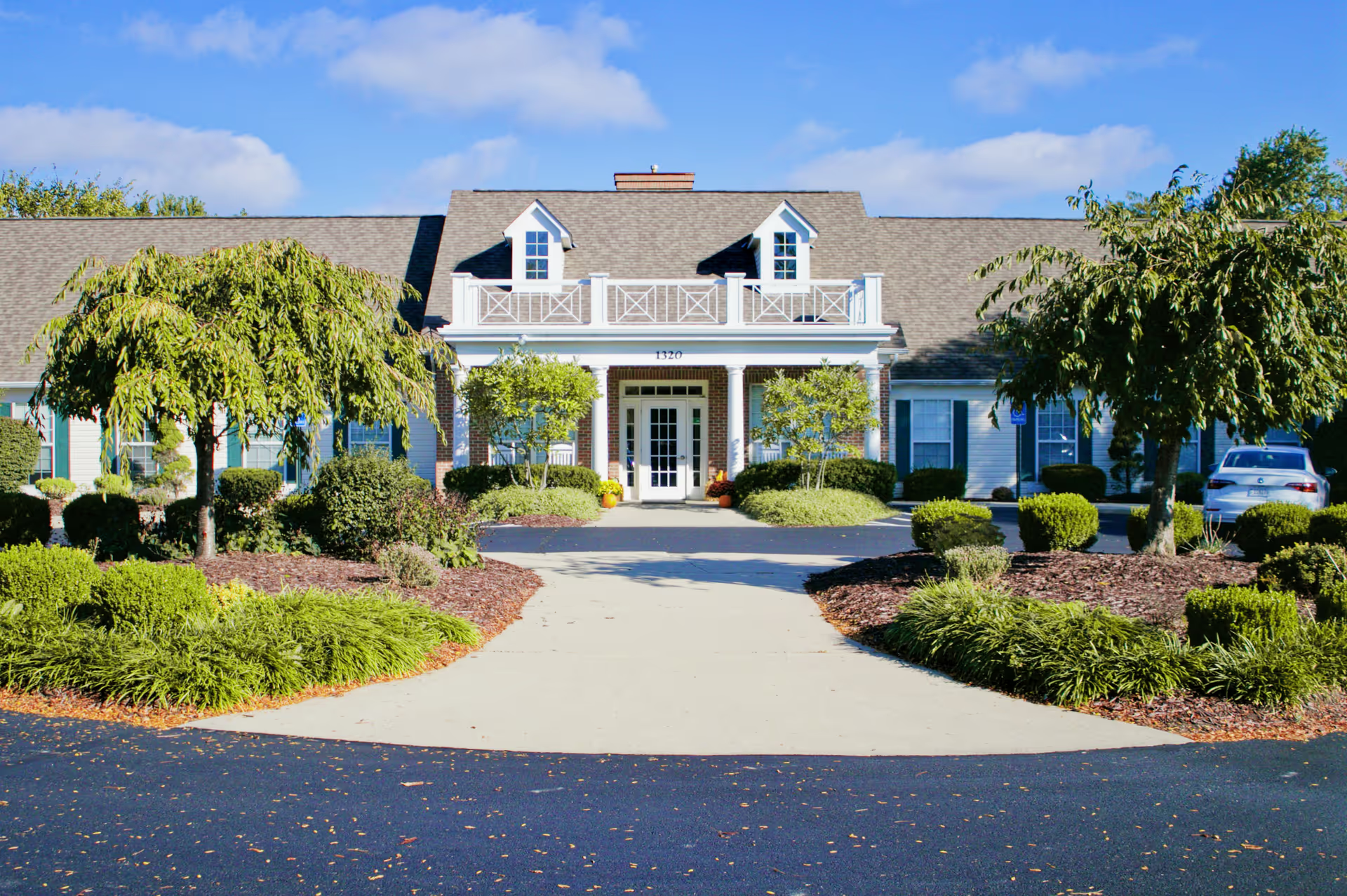
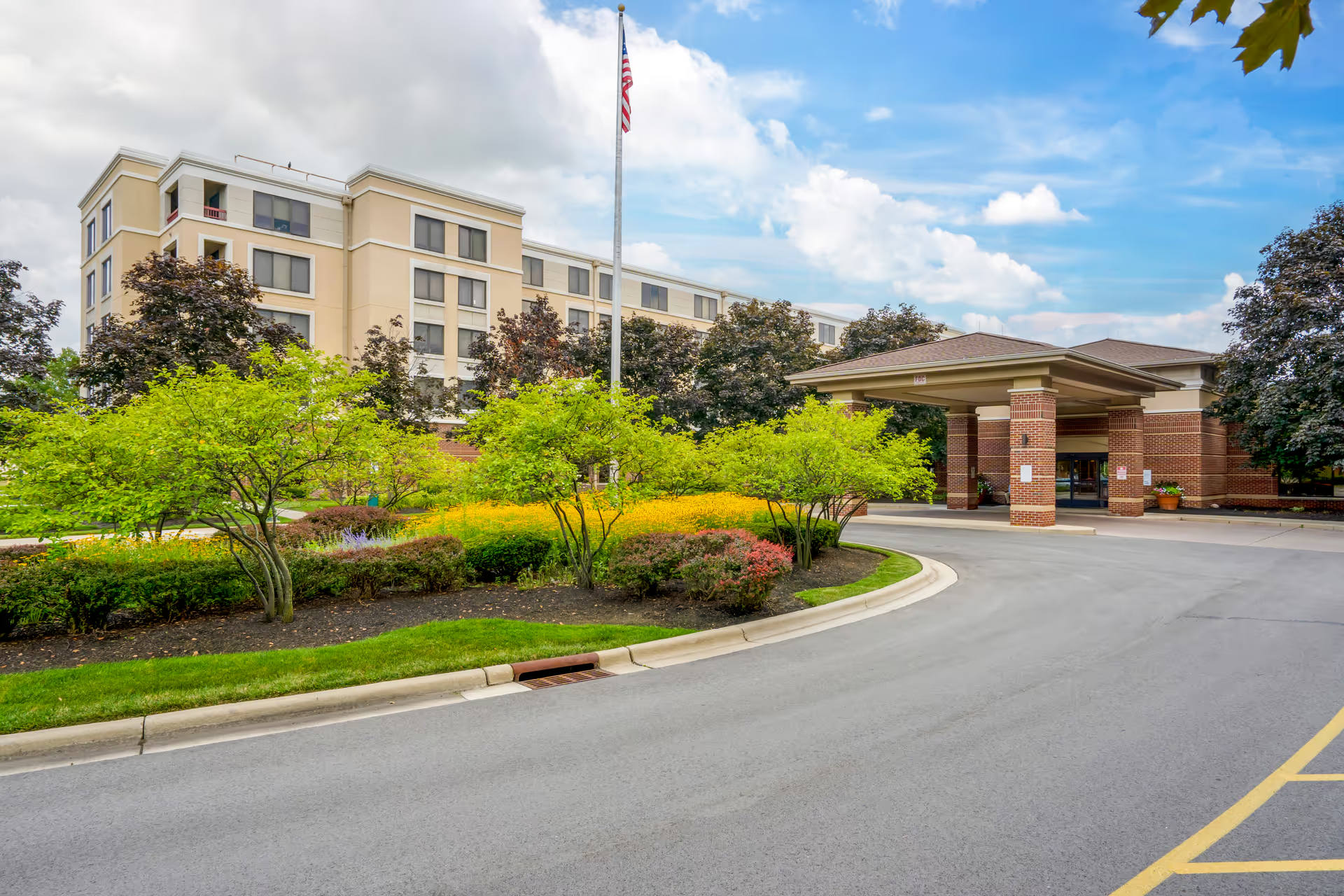
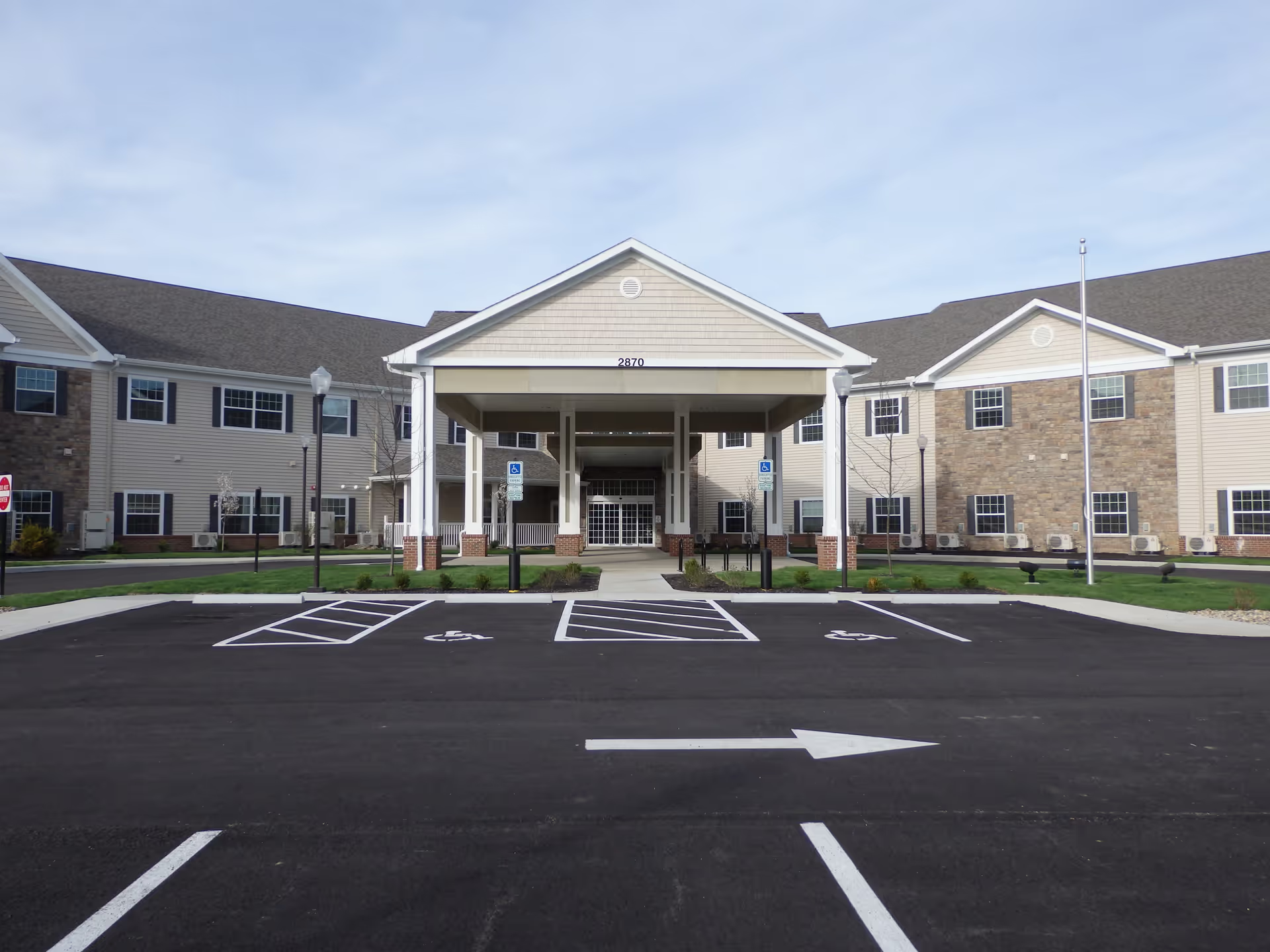
The Ashford at Sturbridge presents as a modern, attractive assisted‑living community with many commercial‑style amenities and an active social calendar. Reviewers frequently praised the facility’s new construction, tasteful decor, variety of common areas, and pleasant grounds. Apartment options (studios and one‑bedroom units) and included utilities/cable support an independent living feel for residents who require limited hands‑on assistance. Admissions and move‑in experiences are often described as smooth, with responsive maintenance and helpful marketing or admissions staff.
Staffing and direct care receive mixed but consistent commentary. Many families and residents describe caregivers as warm, compassionate, and engaged; clinically oriented staff and leadership are also praised by some for hands‑on involvement. However, an equally consistent pattern centers on staffing instability and response delays: understaffing, frequent turnover, and slow responses to call alerts were cited. These workforce issues relate to operational challenges in care continuity, including gaps in nursing oversight, inconsistent medication administration, and delayed attention for toileting or bathing needs. A number of accounts indicate that hospice or family intervention was used to bridge clinical gaps for higher‑need residents.
Dining and nutrition are another divided area. The community operates a restaurant‑style dining program with a varied menu and an on‑site chef who has been working to adapt offerings for older palates. Positive comments note menu variety and pleasant dining spaces. Counterbalancing this are recurring concerns about taste, portion sizes, early dinner times, and caloric adequacy for some residents; several families attributed weight loss or diminished appetite to these issues. Management has indicated efforts to improve the food program, and some reviews reflect improvement over time.
Activities and community life are commonly cited strengths. The calendar of programs, day trips, and social events (bingo, shopping outings, band visits, community gatherings) contributes to resident engagement and social well‑being. Some reviewers did note that programming could be better aligned to the preferences or abilities of particular residents, and that activity staffing was sometimes limited when caregivers were needed elsewhere.
Operational and administrative concerns cluster around communication, housekeeping, and billing. Families described inconsistent responses to emails and calls, variable housekeeping and laundry follow‑through, and occasional sanitation or incontinence‑care concerns in certain areas. Billing and collections practices were raised as a serious concern by some families, including difficulty with payment systems and aggressive collection communications; there are isolated allegations of theft and problematic financial handling that warrant careful consideration and, if applicable, follow‑up with facility management. Infection‑control events such as COVID were referenced but described as managed with remediation efforts in several accounts.
Overall, The Ashford at Sturbridge appears well suited to residents seeking a newer, amenity‑rich community with an active social program and a hotel‑like environment. Prospective residents and families should weigh that environment against recurrent operational themes: inconsistent staffing and clinical coverage for higher‑dependency needs, variable food quality for those with increased nutritional requirements, and administrative communication and billing issues. For individuals with primarily social or light‑support needs, the community’s physical plant, activities, and many staff strengths are compelling; families of residents who require reliable, higher‑acuity nursing oversight should seek detailed, written clarification of staffing patterns, response times, medication procedures, and billing policies before committing.