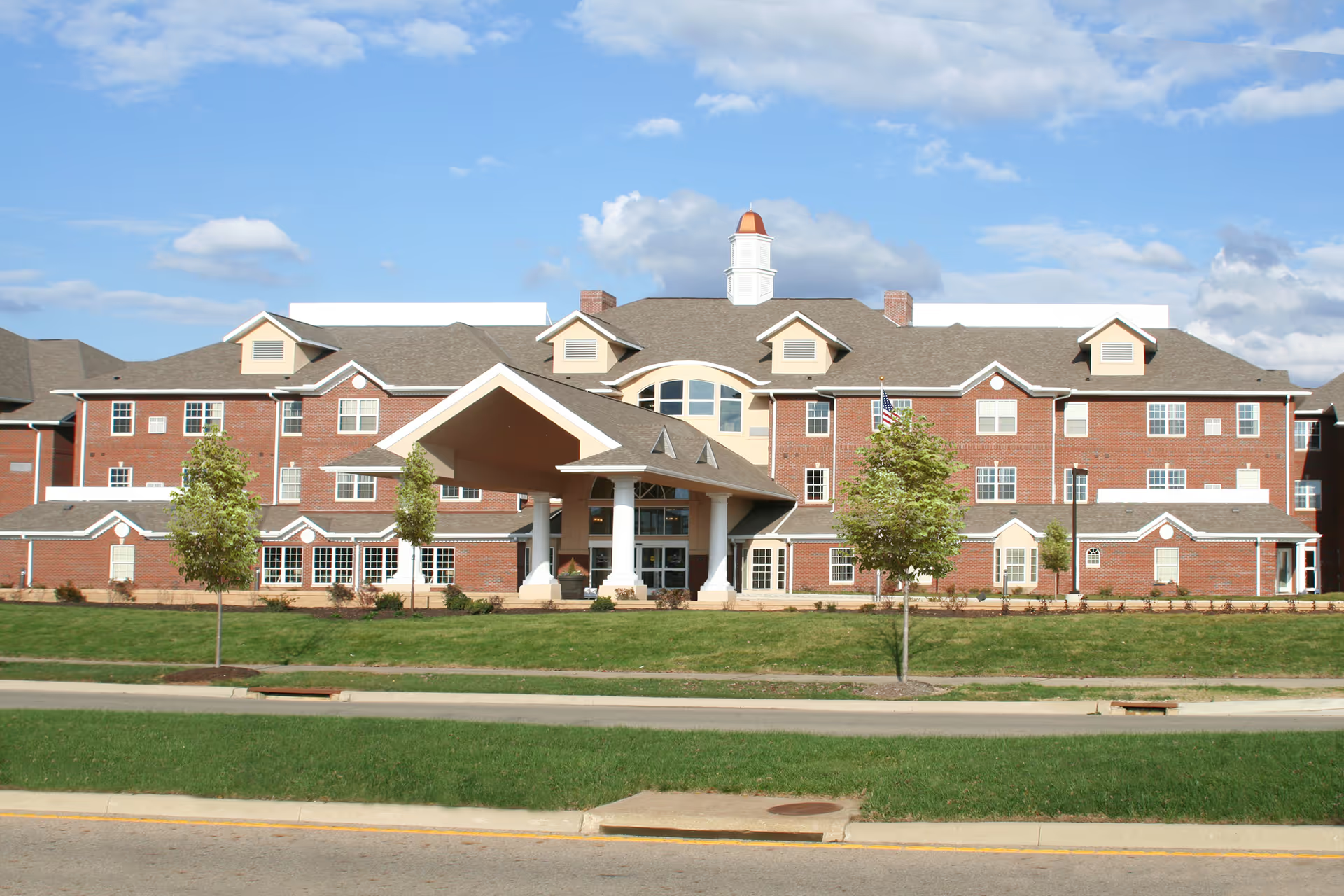
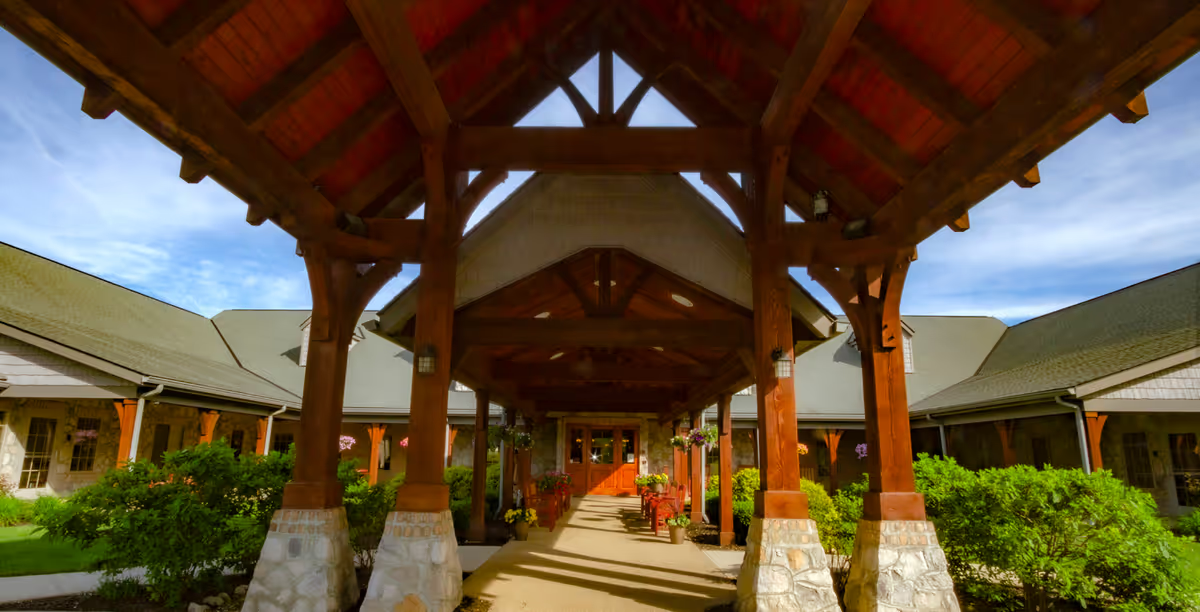
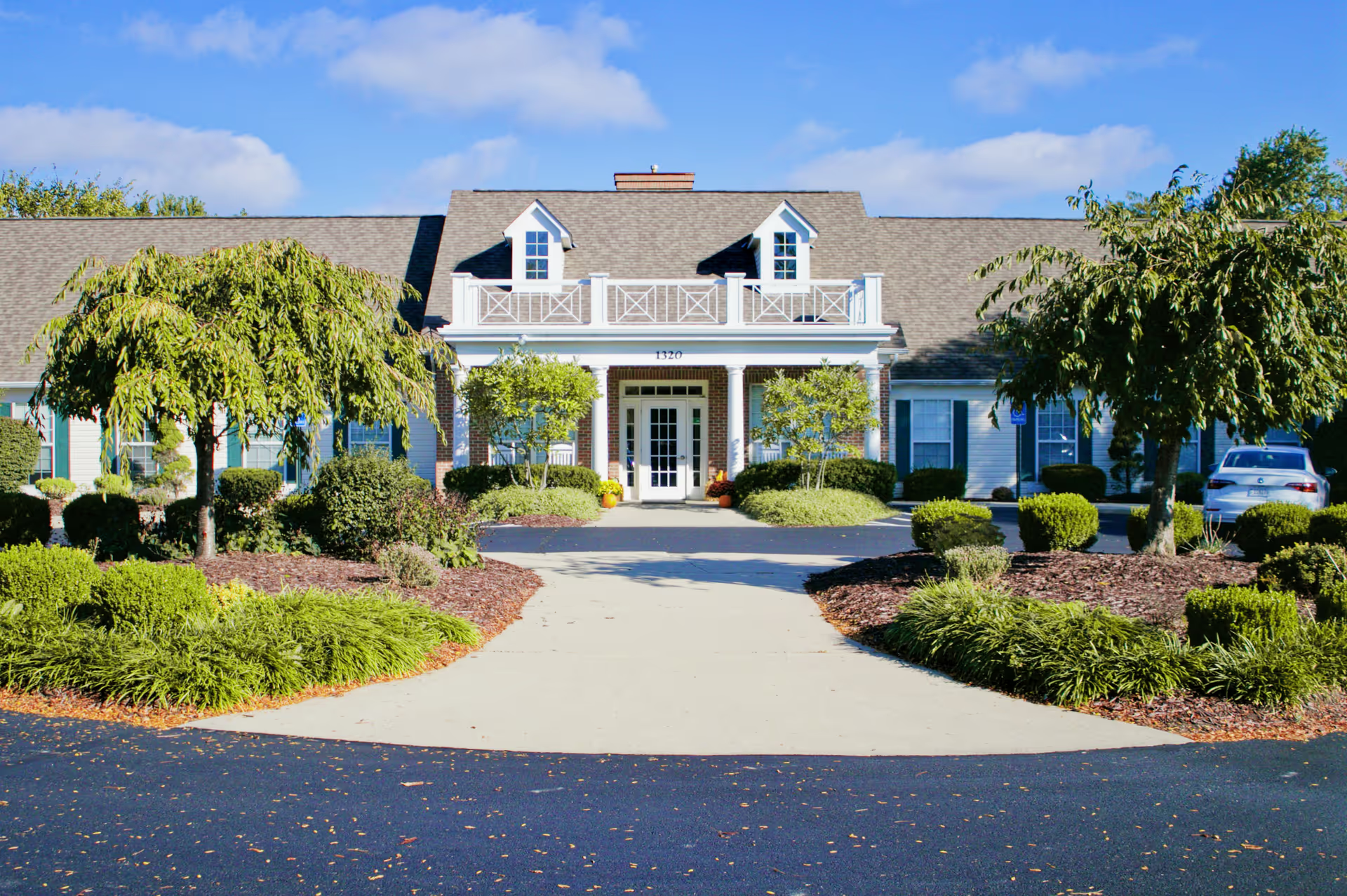
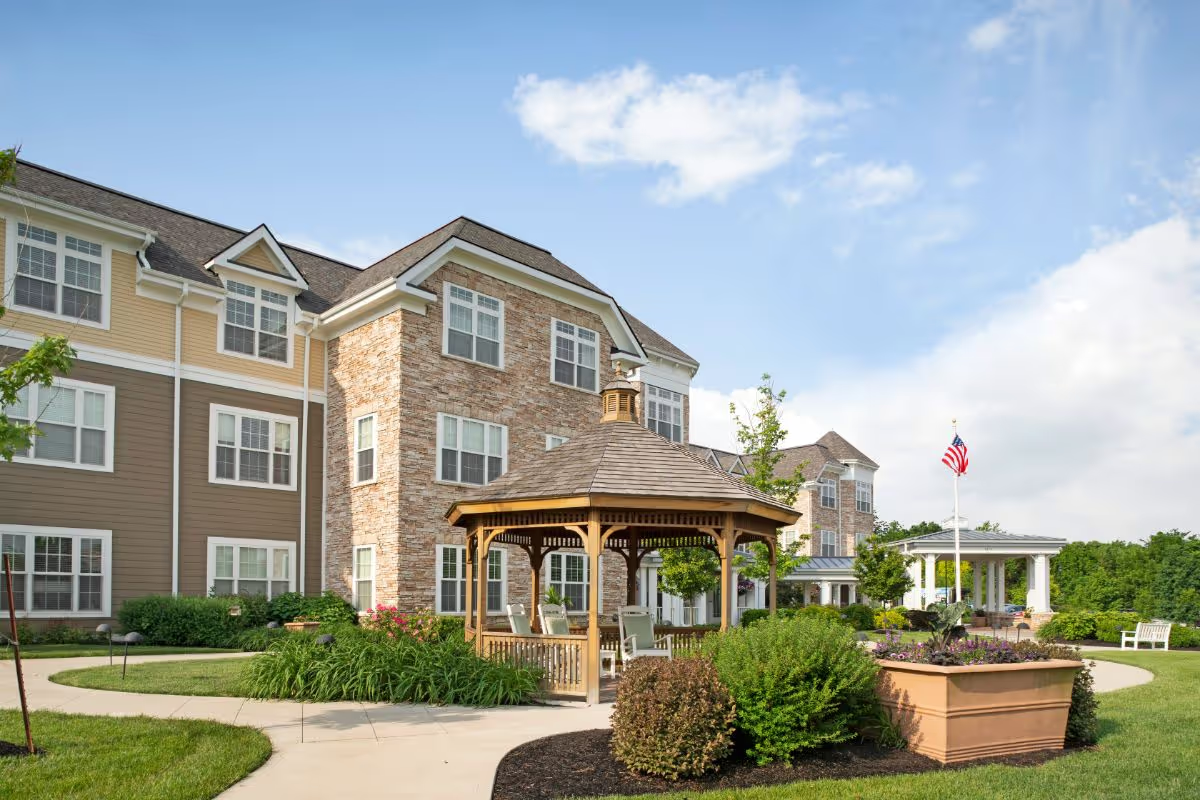
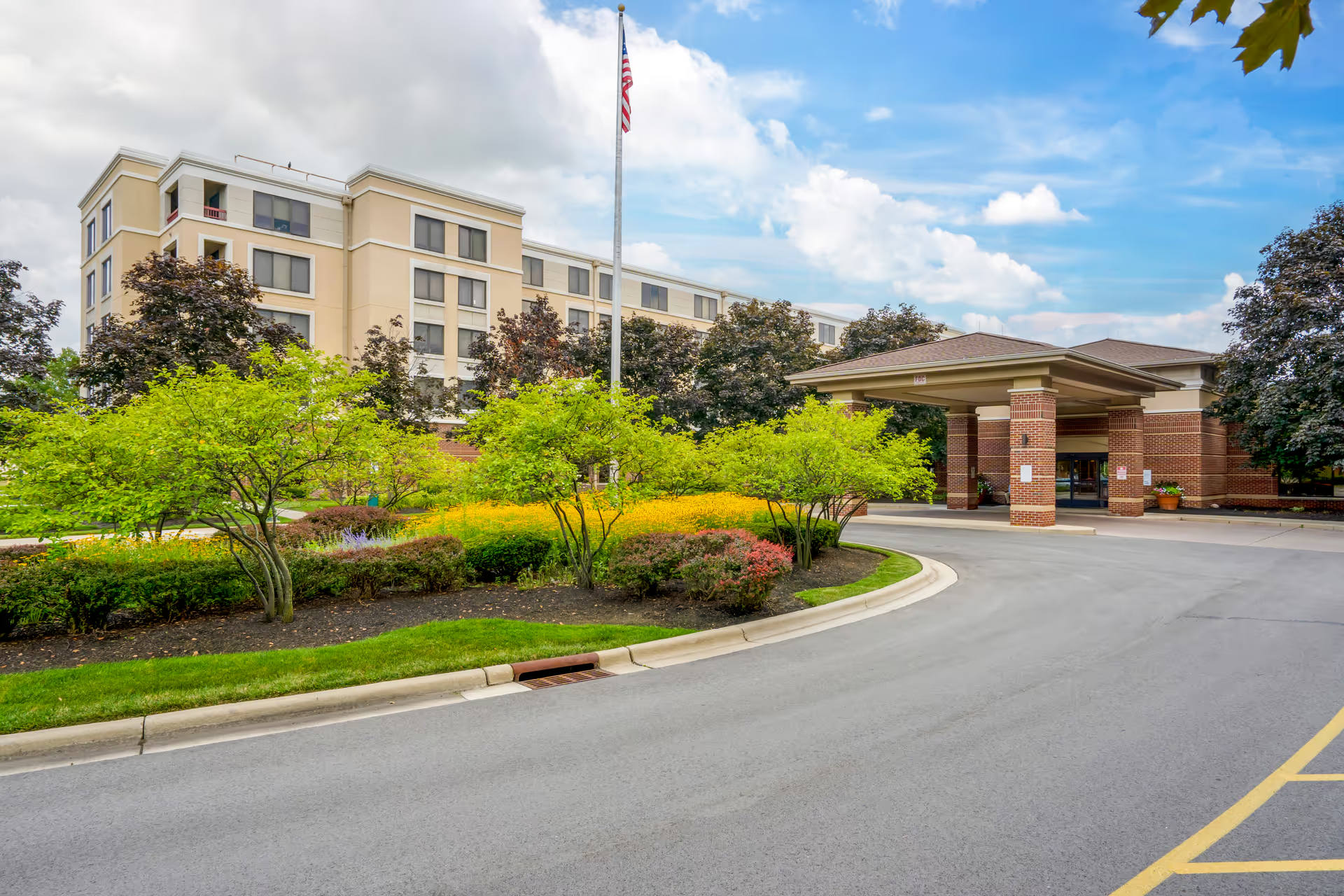
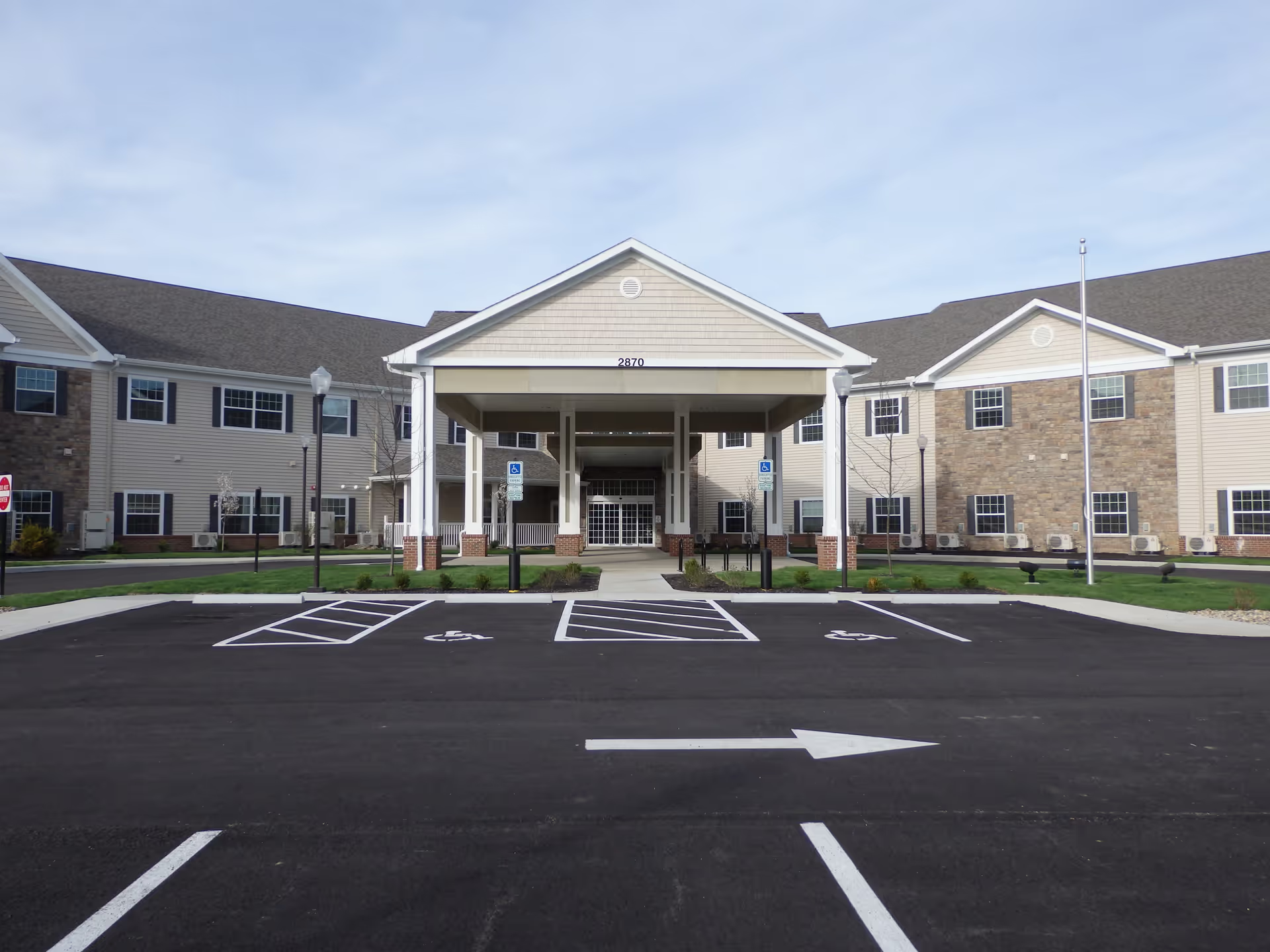
Traditions of Hilliard is frequently described as a bright, modern community with strong physical amenities and an active social program. The campus design, large public spaces, and contemporary decor are repeatedly praised; reviewers cite spacious, well-appointed apartments, multiple common areas (theater, bistro, fitness, salon), and pleasant outdoor spaces such as courtyards and a putting green. The community offers a continuum of services and conveniences—on-site therapy and medical staff, hospice services, in-room laundry options, regular transportation for shopping and outings, and pet-friendly policies—which appeals to families seeking long-term placement and an engaged lifestyle for residents.
Care and staff performance show a mixed but distinct pattern. Many families and residents describe compassionate, personable caregivers, attentive nursing and therapy staff, and a generally warm, home-like atmosphere. There are also repeated accounts of improvement under new clinical leadership, with some observers noting restored trust and better follow-through. However, a recurring operational theme is inconsistent staffing and coverage, especially on night shifts and during high-demand periods. That inconsistency has been associated with delayed responses to call buttons, inconsistent bathing and personal-care schedules, and occasional medication-administration gaps. Prospective families should weigh the community’s strong interpersonal culture against the variability in day-to-day caregiving reliability.
Dining and activities are overall strengths but show variability by neighborhood. Many reviewers compliment the variety of menu options, themed meals, and pleasant dining areas; activities programming—exercise classes, outings, theater events, and resident-led groups—receives consistent praise for engagement and variety. At the same time, reviewers note inconsistent dining execution in some areas (notably the memory-care neighborhood) and operational changes such as reduced dining hours or long service wait times that affect meal experience for some residents. Food preferences (sweet desserts, desire for more vegetables) are specific points of feedback rather than universal complaints.
Facility operations and administration present the clearest concerns. Multiple comments reference confusing or disorganized move-in and documentation processes, slow or disputed refunds, and billing or invoicing errors. Housekeeping and laundry services are described as uneven—cleanliness is generally good in public areas but some families experienced delayed or inconsistent room cleaning and laundry turnaround. Safety-related weaknesses were raised in a few accounts, including inadequate supervision of exits and concerns about transportation-driver conduct; there are also serious allegations involving theft and medication misappropriation that merit careful inquiry during a tour and review of the community’s incident history.
Overall impression: Traditions of Hilliard offers an attractive, amenity-rich environment with many demonstrable strengths in atmosphere, activities, and clinical supports such as therapy and hospice. Yet operational inconsistencies—staffing stability, medication and billing controls, housekeeping logistics, and certain safety and supervision practices—appear frequently enough to recommend targeted questions for prospective residents and families. Recommended pre-admission checks include asking about current staffing ratios and recent staffing changes, policies and audits for medication handling and valuables, housekeeping and laundry turnaround expectations, dining schedules for the specific care neighborhood, and financial/refund terms for short-term stays. These focused inquiries will help families balance the community’s evident strengths with the operational areas that have been the source of concern.