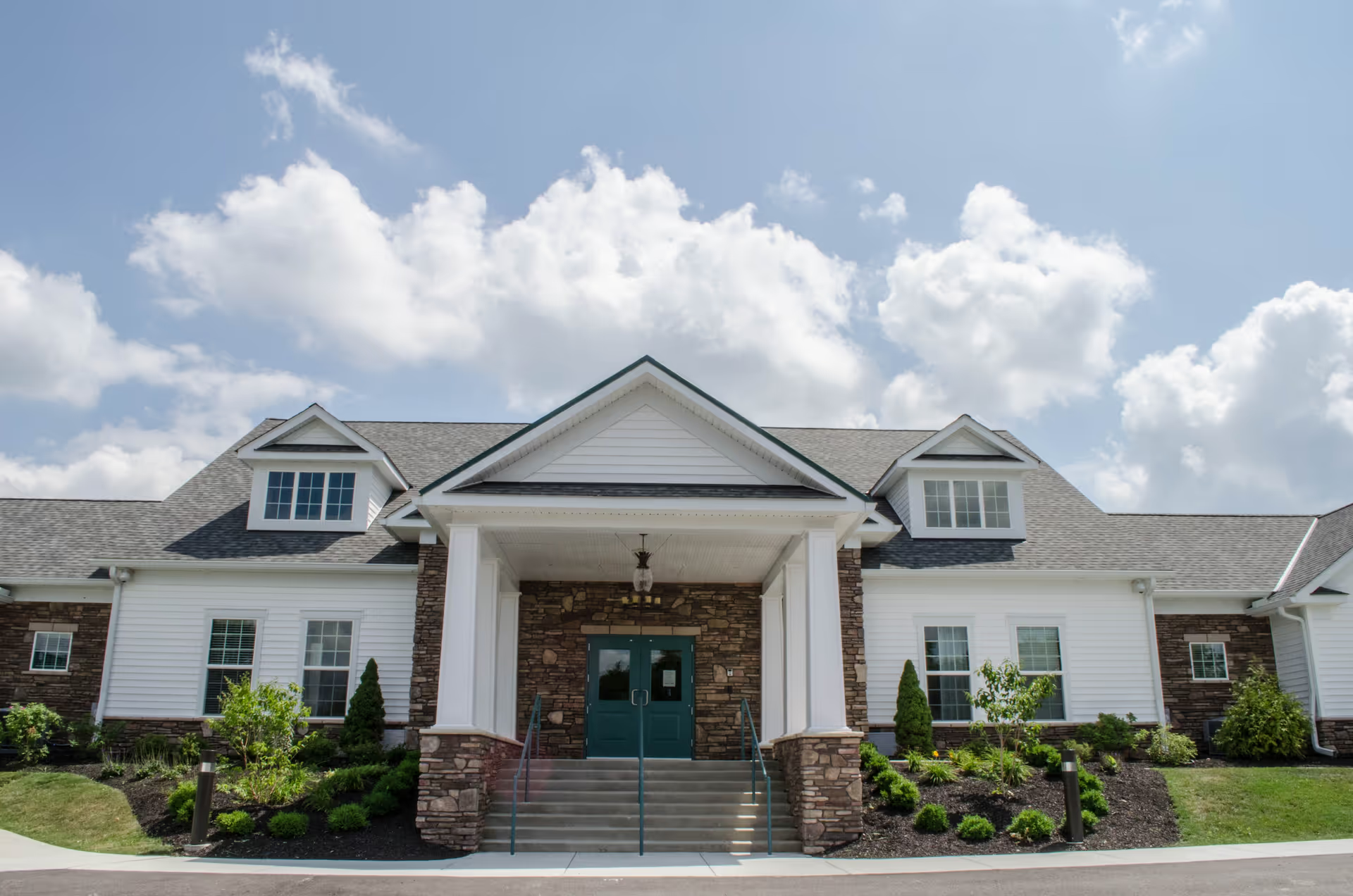
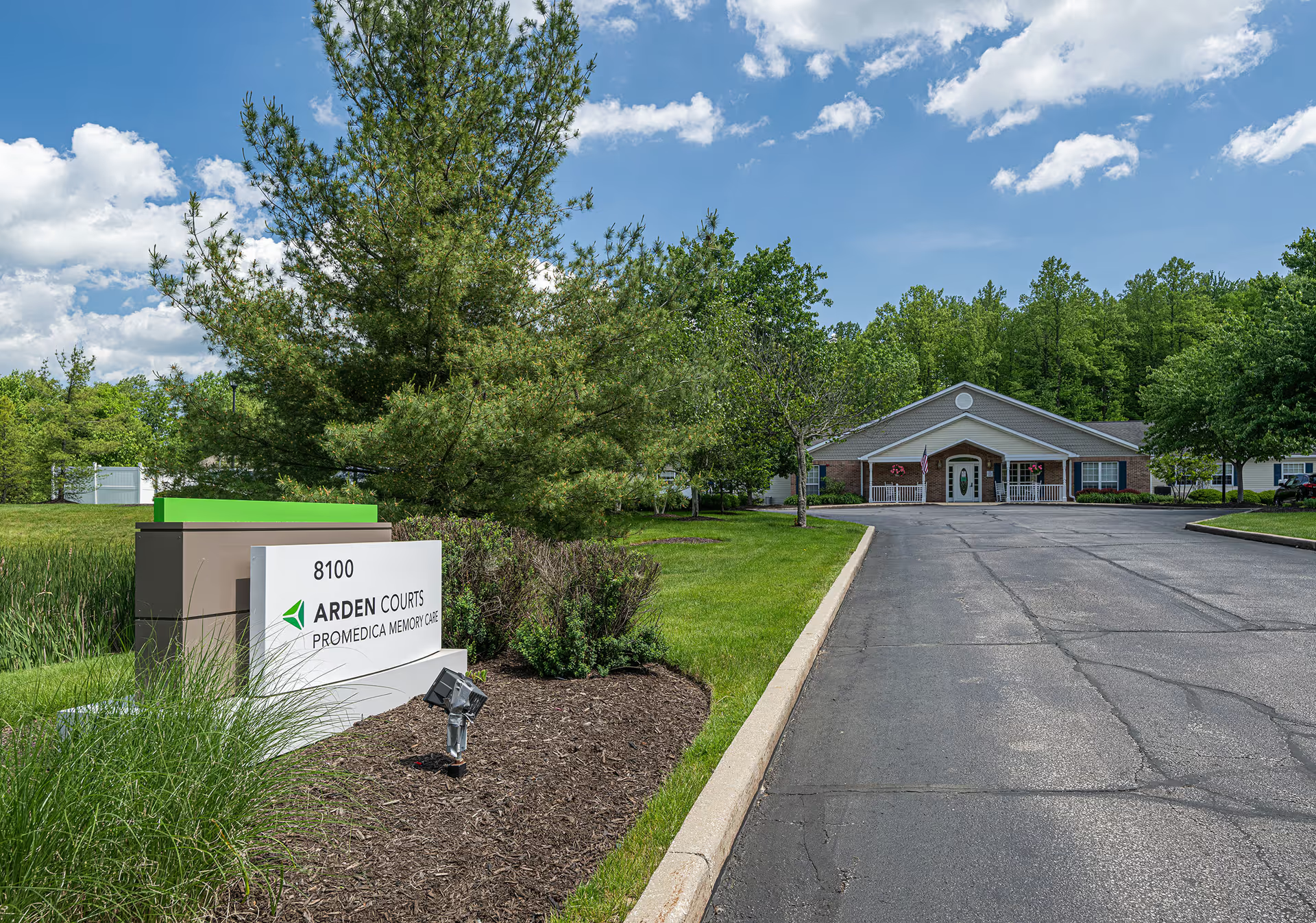
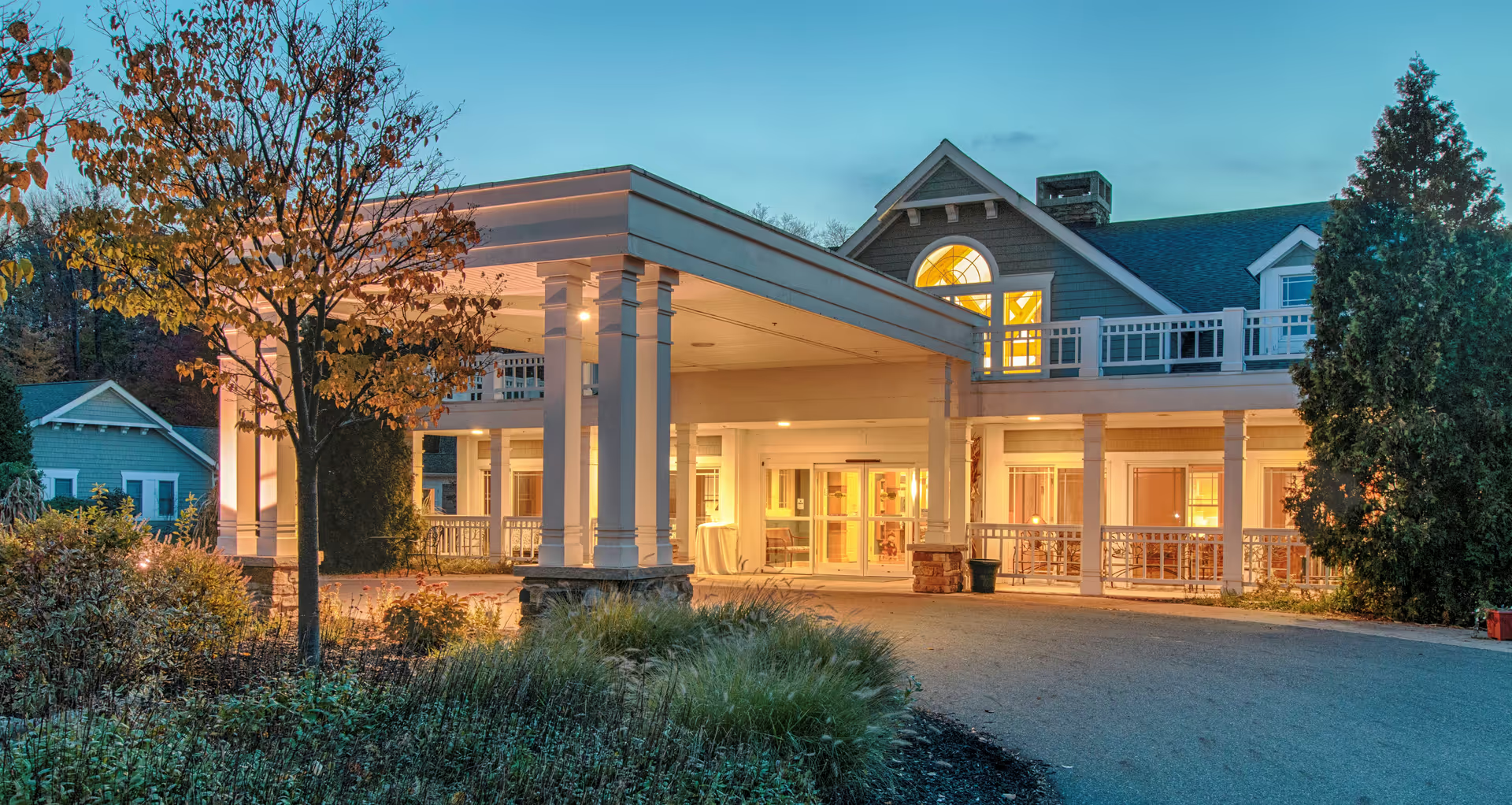
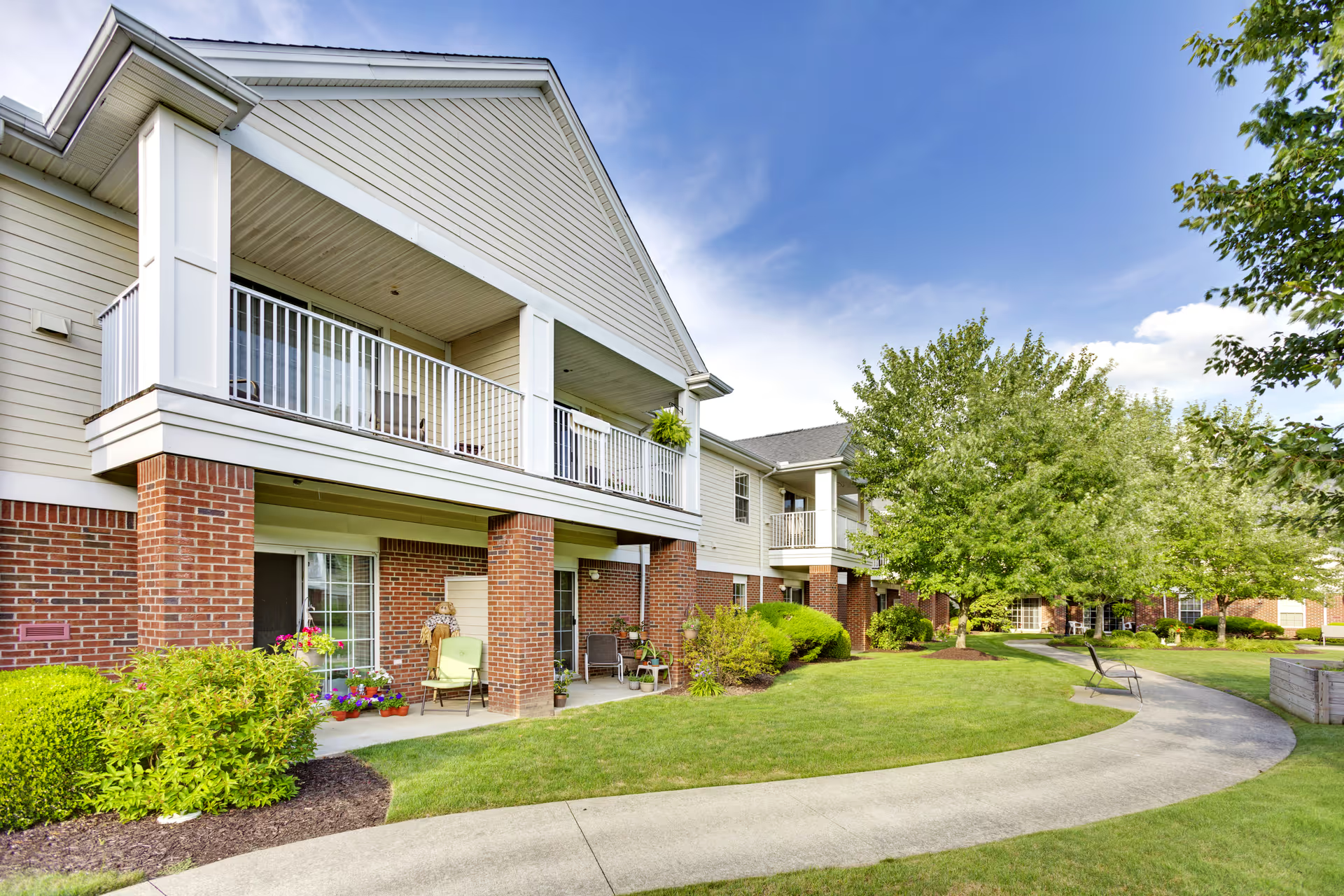
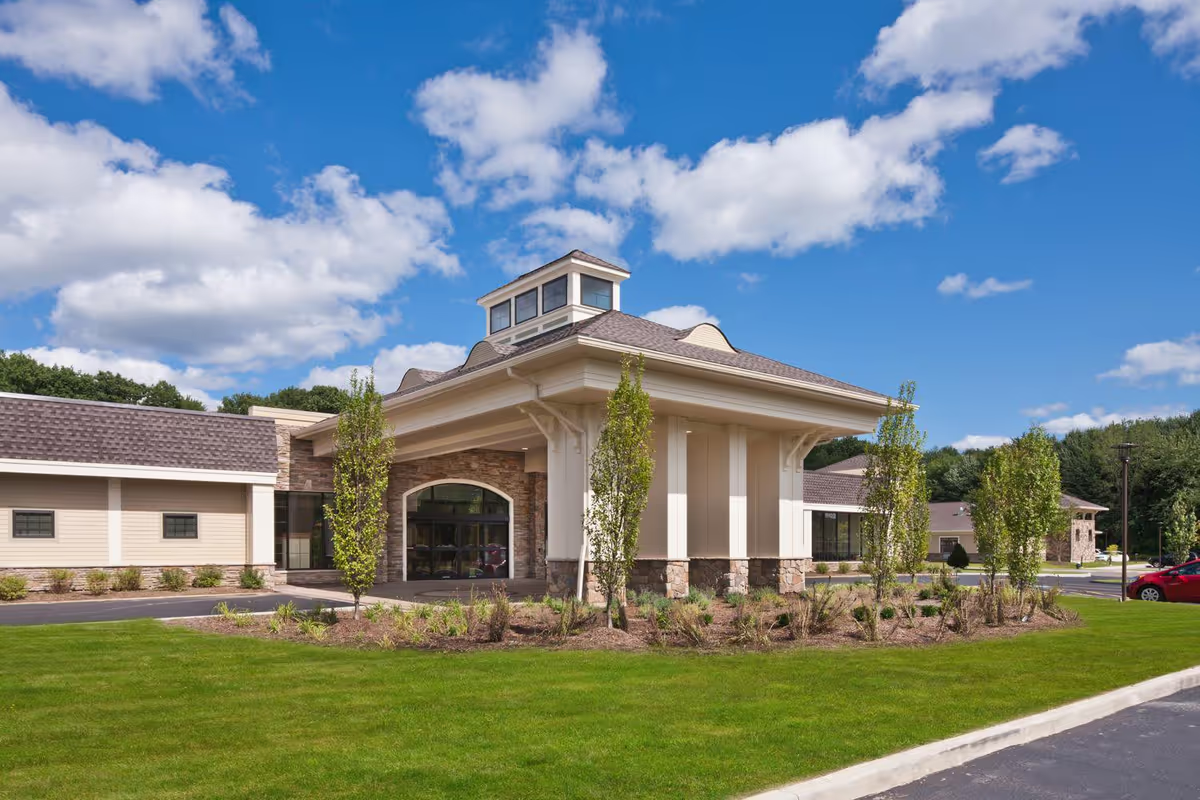
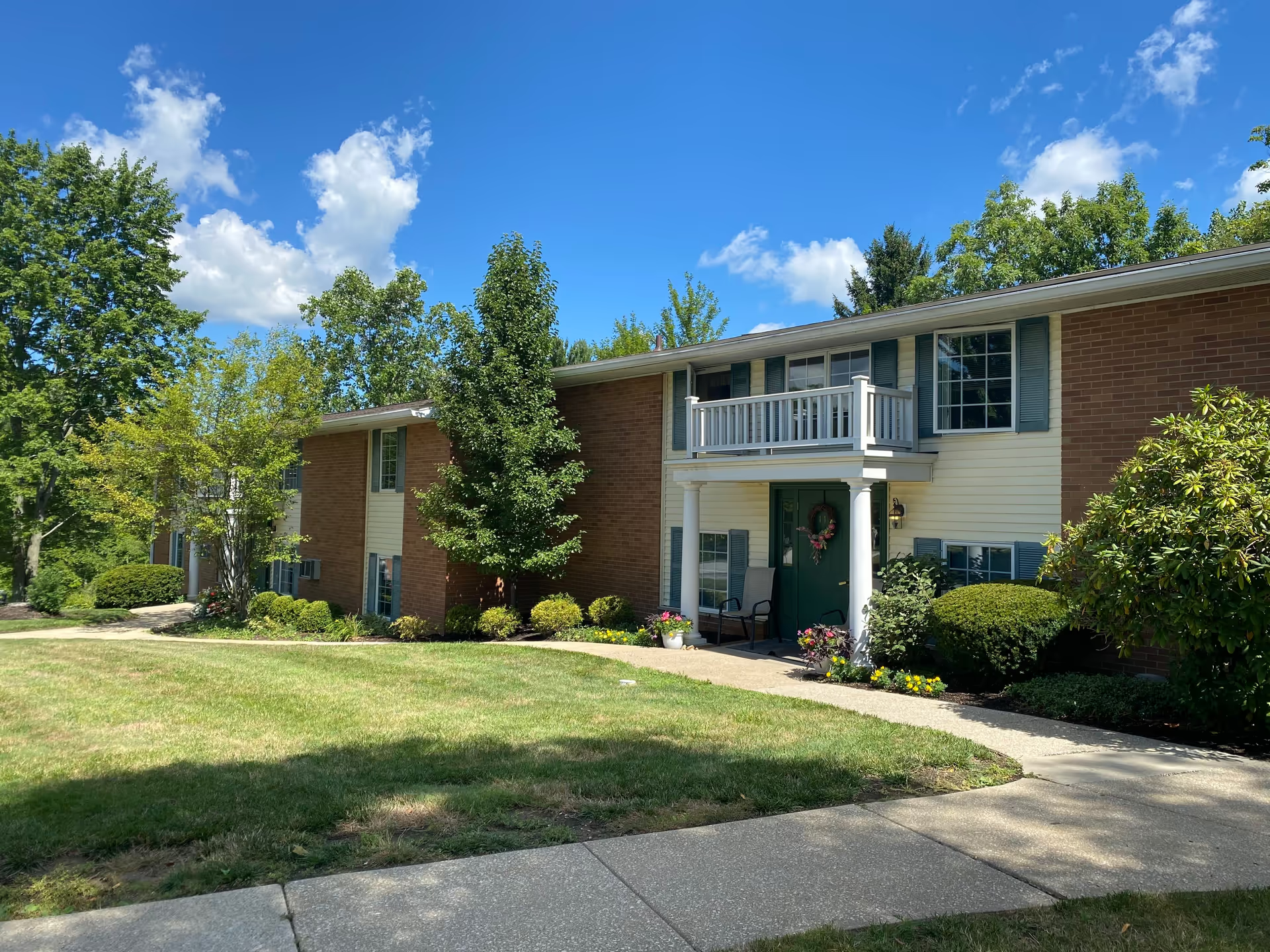
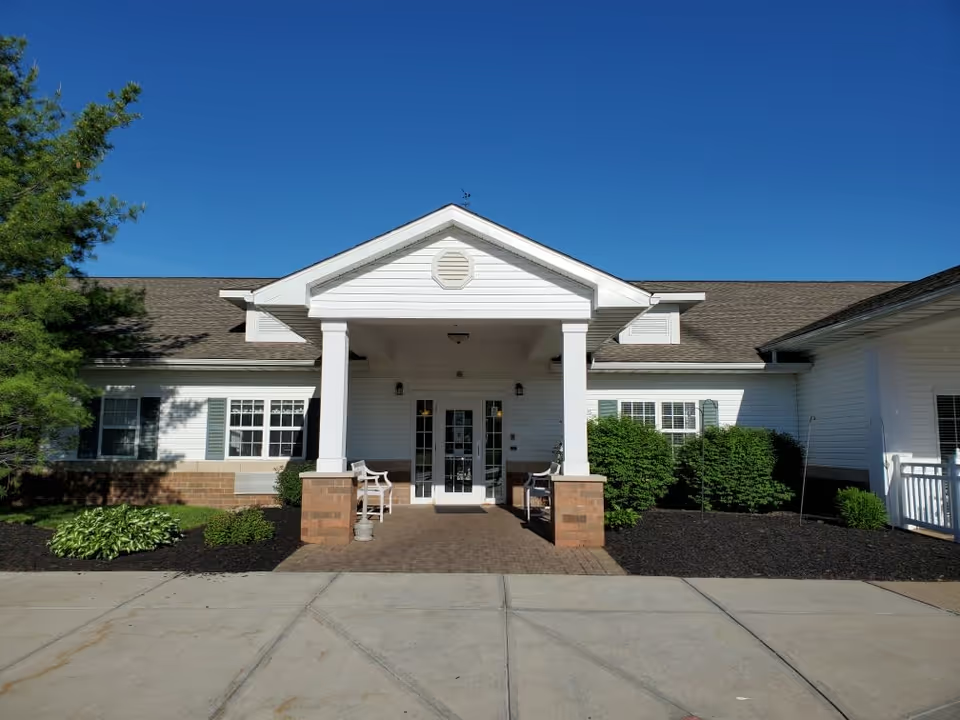
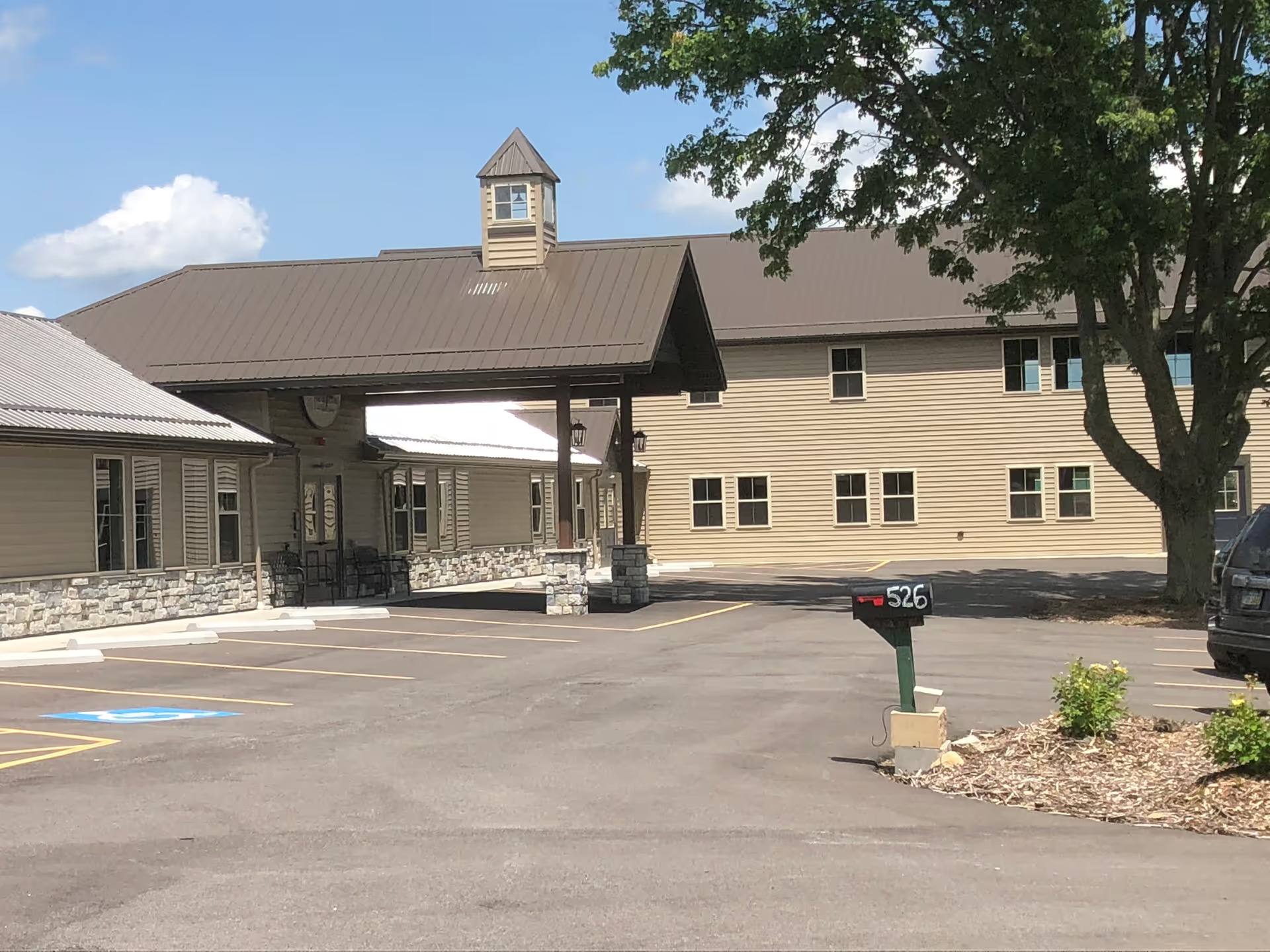
The reviews present a facility with a notable split between strong environmental and relational strengths and recurring operational concerns. Many families and visitors describe a warm, home-like building in a rural setting, with spacious private rooms, hardwood floors, scenic views, secure keypad entry and generally well-kept common areas. Maintenance and move-in assistance are frequently mentioned as positives, and the community atmosphere is often described as friendly and social; holiday events and virtual family meetings are used to keep families involved.
Care and staff observations are mixed but lean toward positive at the interpersonal level: reviewers commonly describe caregivers and nurses as kind, patient and personable, with at least some clinical staff praised for proactive medication coordination. At the same time, a recurring operational pattern is inconsistent staffing levels. Short staffing is linked in several accounts to reduced one-on-one time, missed scheduled personal-care tasks (including bathing), and delays in attending to residents — effects that can influence functional and mobility outcomes for some residents.
Dining feedback is inconsistent. Multiple accounts praise an on-site kitchen and home-style meals — some describe the food as delicious and healthful — while other reports indicate poor meal quality, insufficient portions, or nutritional concerns. This creates variability in the dining experience family members should expect; observing a meal service during a visit and asking about menu planning and portion policies would clarify expectations.
Activities and engagement likewise vary across accounts. Some reviewers highlight an active programming schedule and enjoyable group activities; others describe limited or infrequent offerings, with particular concern that activities do not sufficiently support mobility or rehabilitative goals. COVID-related restrictions were noted as a limiting factor in earlier periods, but reviewers still indicate unevenness in ongoing programming.
Several operational and safety concerns recur in the reviews. There are references to fall-related incidents and ambulance transports, suggesting gaps in fall-prevention and transfer-safety practices that merit inquiry. Housekeeping and supply continuity appear uneven: while some reviewers praise cleanliness, others report days without routine housekeeping or shortages of personal protective equipment and personal supplies. A small number of reviews raise environment-related issues, including odor concerns and allegations of staff substance use; these are significant and should be addressed directly with management and regulators as appropriate.
Management and communication emerge as a notable pattern: some families commend leadership and responsiveness, but a comparable number describe difficulties with communication, inconsistent direction from supervisors, or perceived lack of managerial oversight. Mechanical reliability (e.g., elevator issues) and occasional supply shortages were also noted.
Overall, the Inn at the Pines appears to offer a comfortable, home-like physical environment and many staff who are compassionate and engaged. However, persistent operational challenges — especially inconsistent staffing, variability in personal-care and meal delivery, uneven activity programming, and certain safety and environmental concerns — create mixed experiences. Prospective residents and families should tour the facility, observe meal and activity periods, ask about staffing ratios, fall-prevention protocols, housekeeping schedules, incident-history and staff-screening policies (including substance-use safeguards), and review recent inspection or complaint records to match expectations to current operations.