The reviews describe a facility with clear strengths in rehabilitation and therapy services alongside recurring operational weaknesses that affect clinical continuity and family experience. Therapy departments — particularly physical and occupational therapy and certain speech- and wound-care providers — receive consistent praise for skill, encouragement, and measurable progress toward recovery goals. Multiple accounts highlight effective coordination of outpatient appointments and transportation, a selection of activities and social programming, and a generally clean, modern physical environment that many families find comforting.
Clinical care perceptions are mixed. Several reviewers described attentive, compassionate nursing and aide staff who provided strong bedside care and individualized attention; named staff members and therapy clinicians were frequently commended. However, reviews also describe persistent staffing shortfalls, especially on weekends and off shifts, which correlate with delayed responses to call lights, slow assistance for toileting or transfers, and inconsistent medication administration. These operational patterns contributed to family concerns about monitoring, timely escalation for acute events, and post-admission follow-up. A small number of accounts described clinically significant events that required hospital transfer; these accounts emphasize the importance of clear monitoring and escalation pathways.
Medication management, communication with prescribers, and equipment handling are recurring themes. Reviewers noted instances of delayed or incorrect medication administration, unclear medication lists, and inconsistent handoffs across shifts. Related concerns include oxygen and respiratory equipment oversight, lift availability and transfer timing, and follow-through on discharge planning and equipment/supply coordination. Infection-control practices and PPE use were also called out as inconsistent in some interactions, generating caution about procedural adherence.
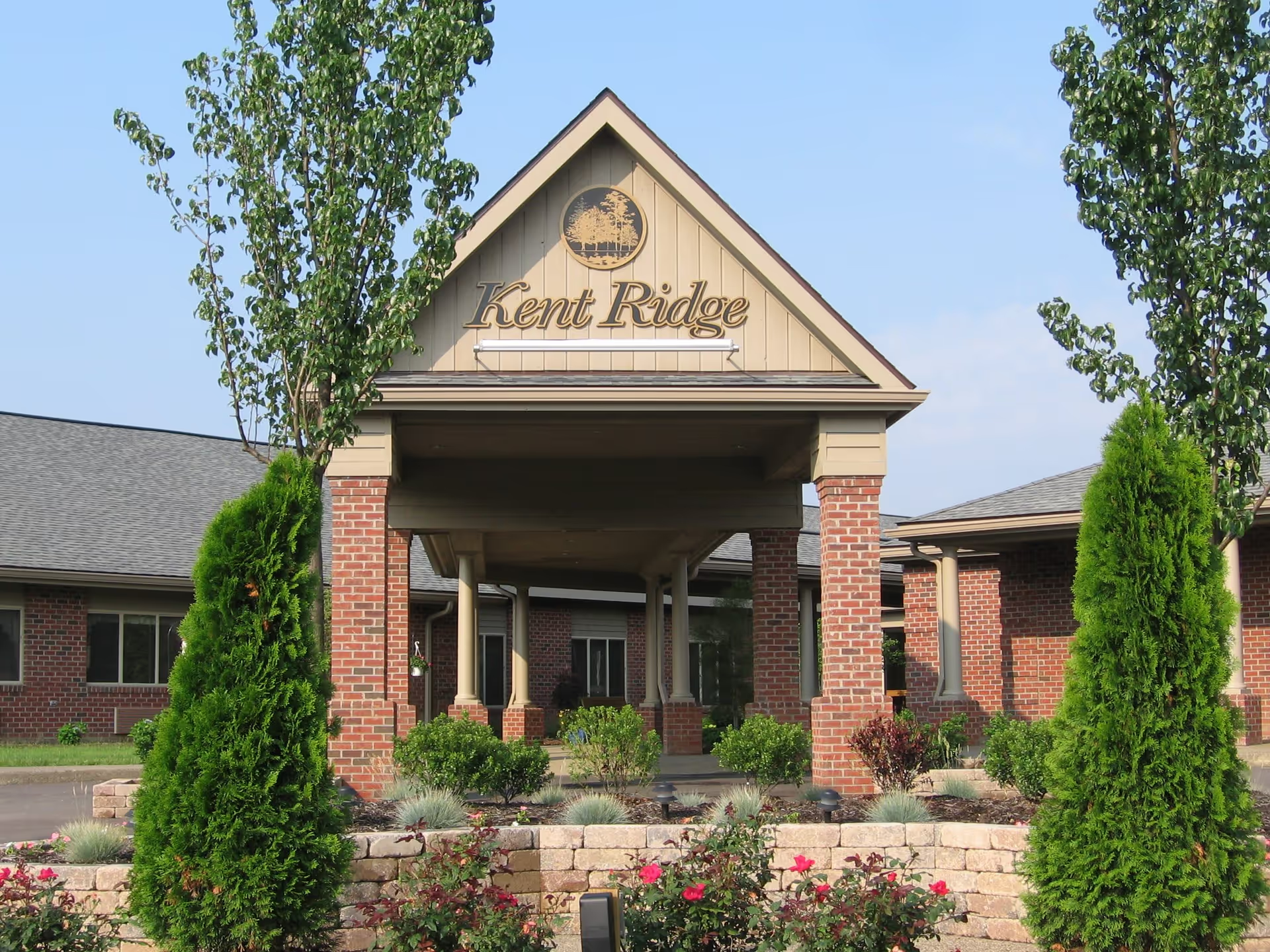
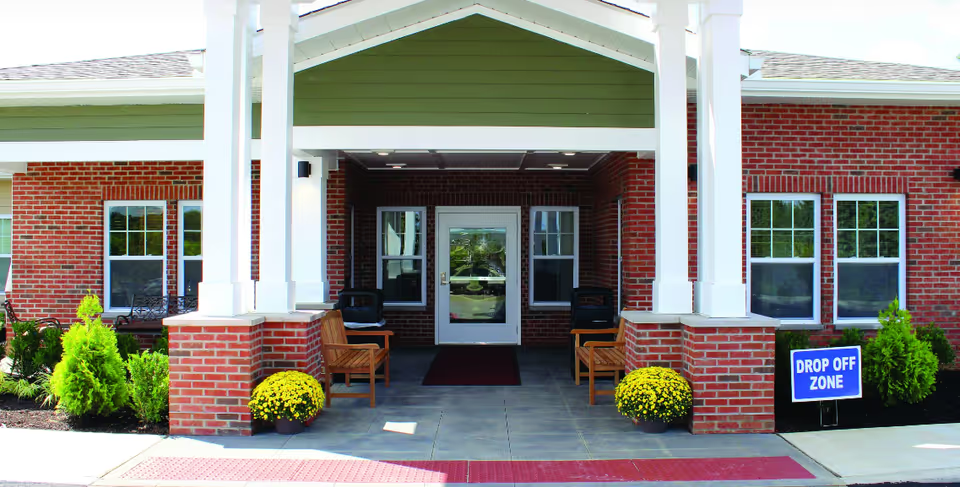
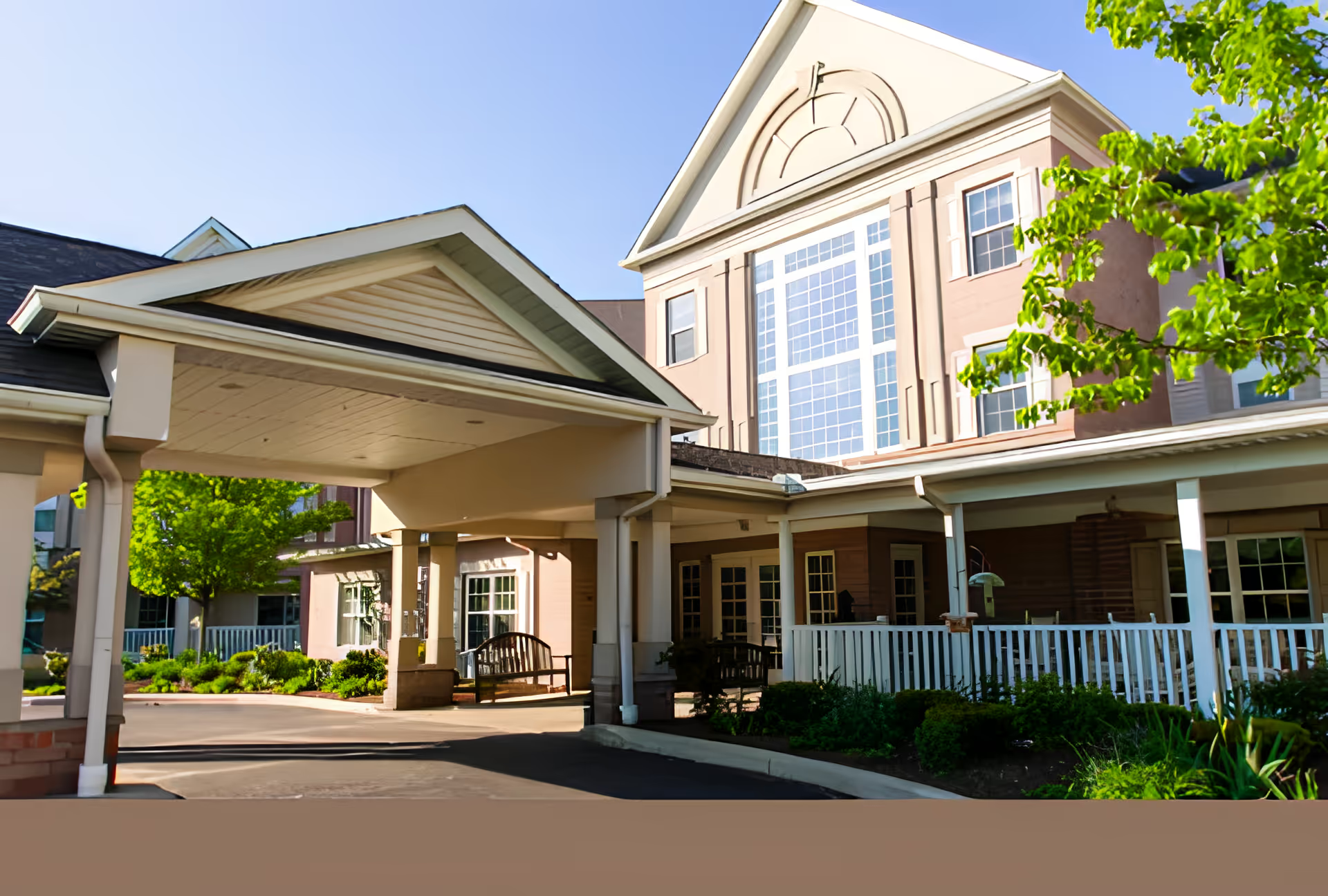
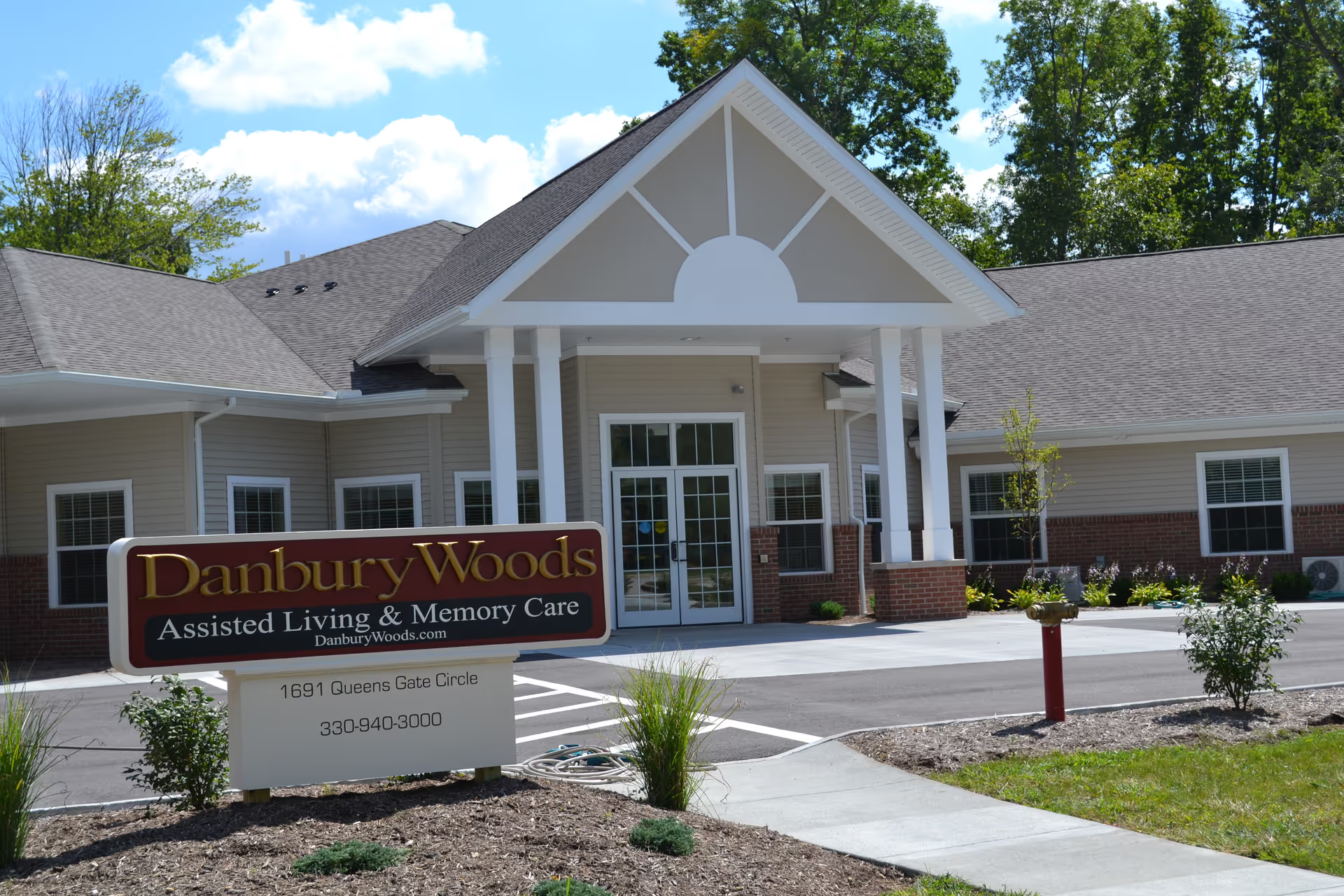
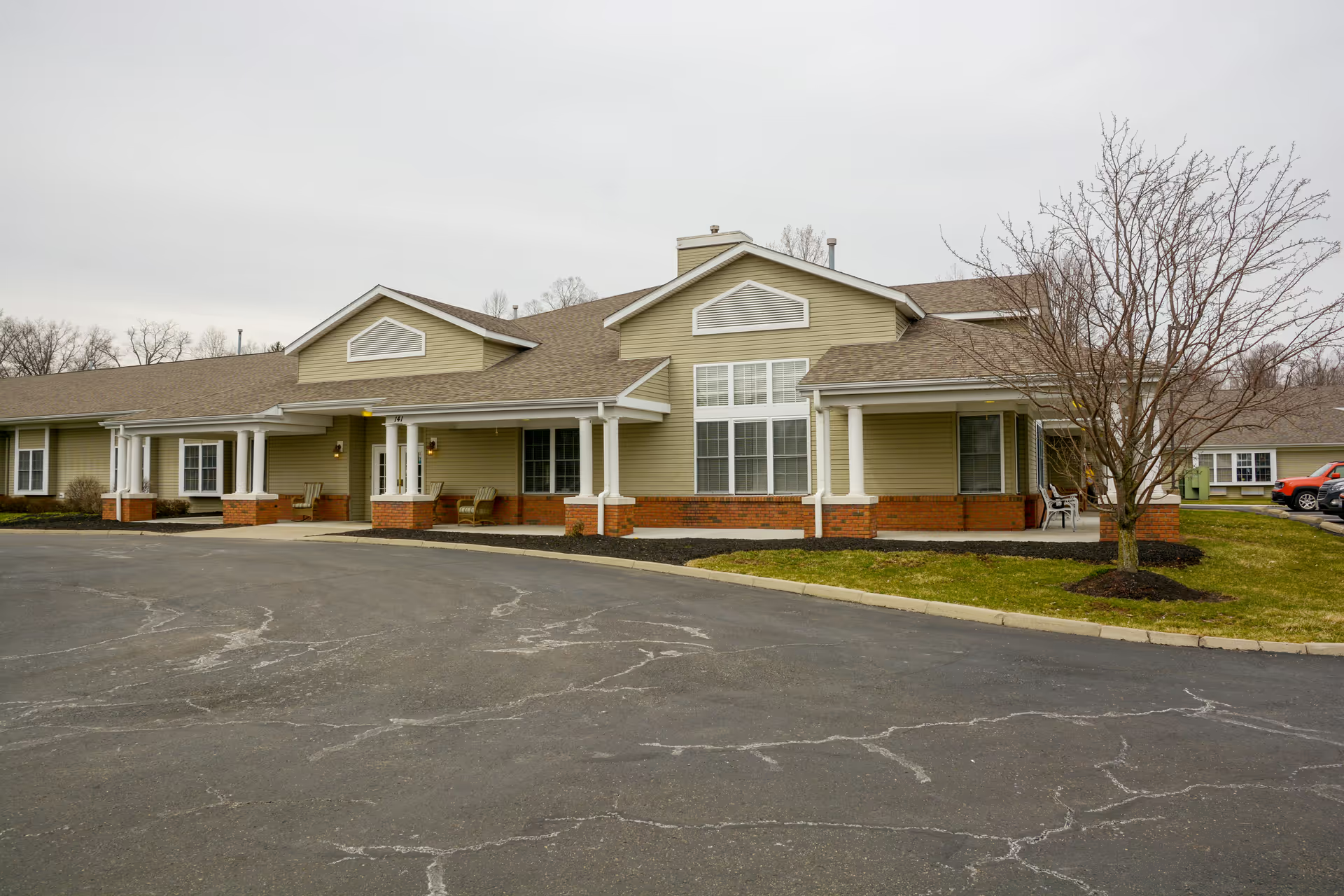
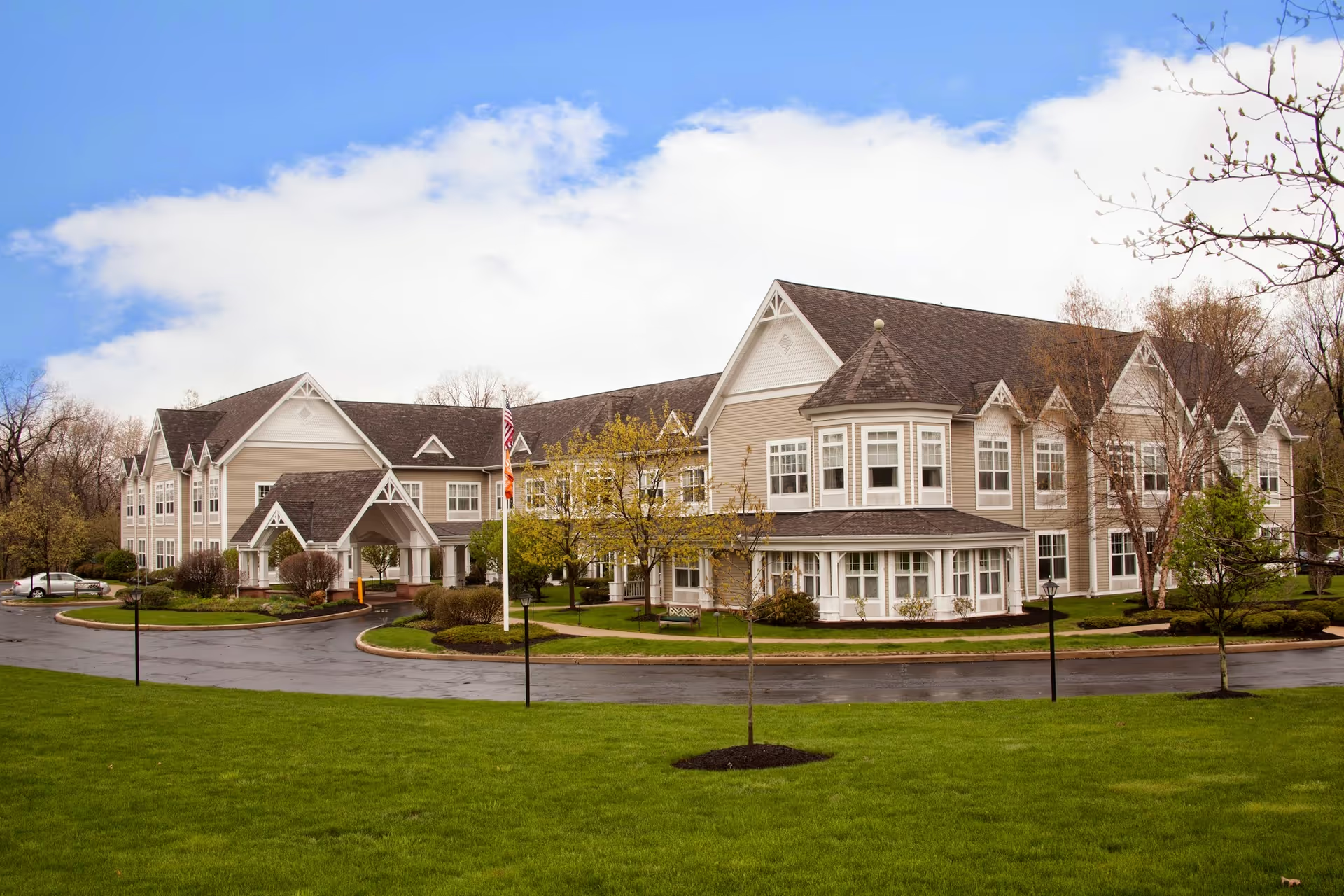
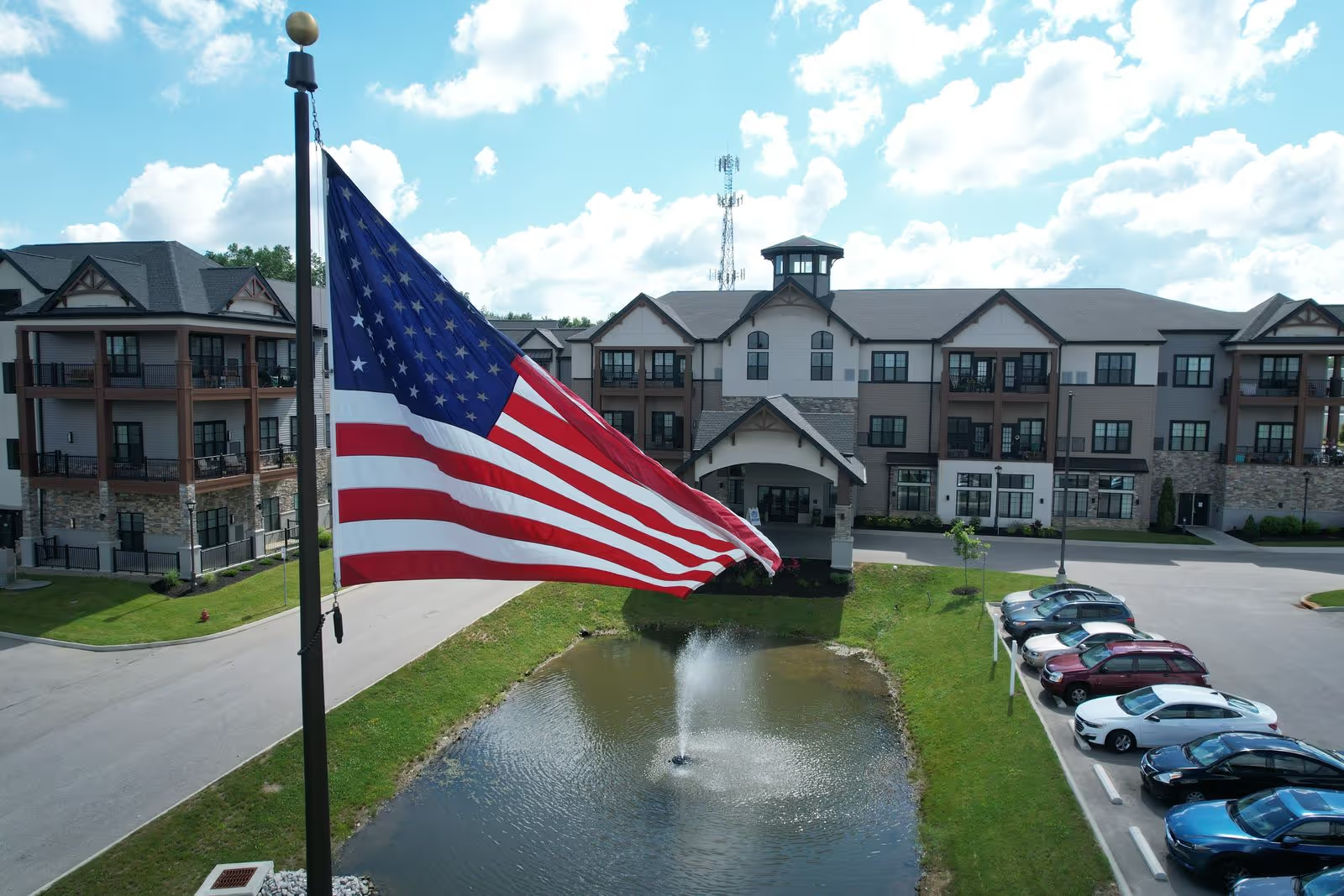
Dining and housekeeping impressions vary across reports. Many families praised housekeeping, laundry services, and hot, plentiful meal options, while others described inconsistent meal quality and service. Activities programming and communal offerings (crafts, games, religious services) are generally viewed as positive contributors to resident quality of life. The facility’s physical plant — wide hallways, separation between beds in shared rooms, and a homelike aesthetic — is frequently viewed as an asset.
Management and administrative issues emerge as an area needing attention. Families reported variable responsiveness from administration: some described prompt resolution when leadership intervened, while others encountered unresolved complaints, difficulty obtaining visitors’ access, unclear visitation and insurance policies, and concerns about payroll/HR practices (including sign-on bonus administration and scheduling). Security and personal-property controls were another recurrent concern, with several reviewers noting missing items or inadequate explanations for losses.
In sum, this facility appears to offer strong rehabilitation and therapy services within a generally well-maintained environment and with several highly regarded individual caregivers. Prospective residents and families should weigh these strengths against recurring operational challenges: inconsistent staffing coverage, medication- and equipment-management gaps, variable infection-control adherence, and occasional lapses in administrative follow-through. When evaluating placement, ask specific questions about staffing levels for the expected admission period (including weekend coverage), medication-administration protocols, monitoring and escalation procedures for respiratory and cardiac conditions, visitor access procedures, and written plans for property security and discharge coordination.