Care quality: Reviews describe a mixed clinical picture. Many families praised skilled rehabilitation, effective therapy teams, and compassionate direct-care staff; however, persistent staffing shortfalls were repeatedly associated with delayed assistance, missed medications or treatments, and variability in basic care delivery. There are recurring incontinence-care and dignity/privacy concerns as well as instances of missed or delayed follow-up for appointments and treatments. Overall, rehabilitation services and some nursing teams are seen as strengths, while routine nursing and aide responsiveness can be inconsistent.
Staff: Staff competence and bedside manner are frequently highlighted as major positives — reviewers singled out attentive nurse assistants, specific nurses, and helpful caseworkers. At the same time, reviewers also described low morale, inconsistent professionalism, and occasions of unhelpful or discourteous interactions. Management presence appears uneven: some floor-level leaders receive praise for proactive work, while other supervisors are characterized as disorganized or unresponsive to family concerns.
Dining and nutrition: Opinions on dining are mixed. Several accounts praise meals and dietary accommodations, while others describe cold or limited portions, high-sodium offerings, and a lack of consistent heart-healthy choices. Meal delivery timeliness and adherence to prescribed diets were concerns in a number of reports.
Activities: Activity and therapy programming received generally favorable comments where mentioned. Reviewers noted engaging therapy-led activities and personalized attention that supported resident recovery and social engagement.
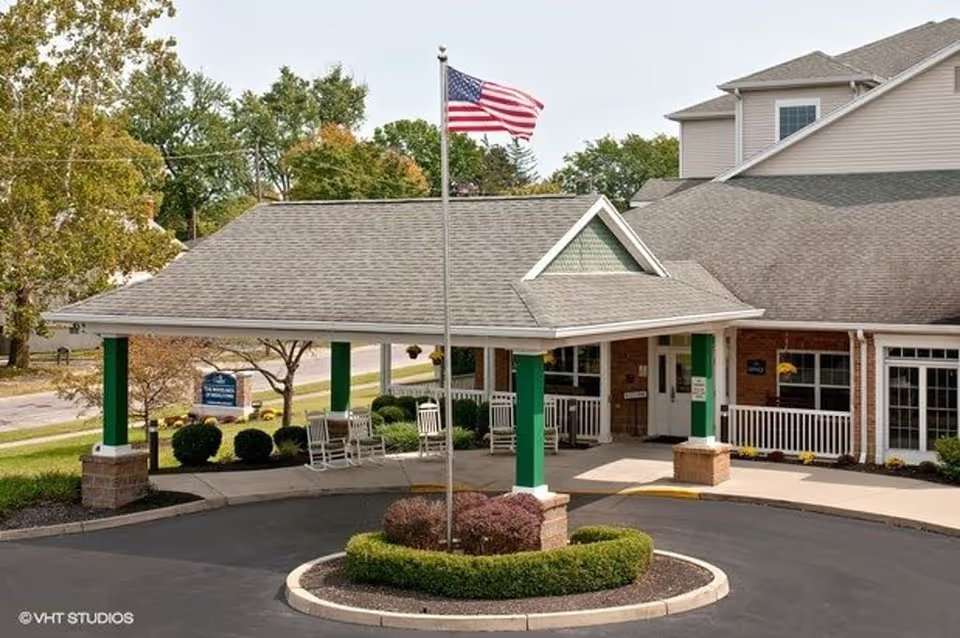
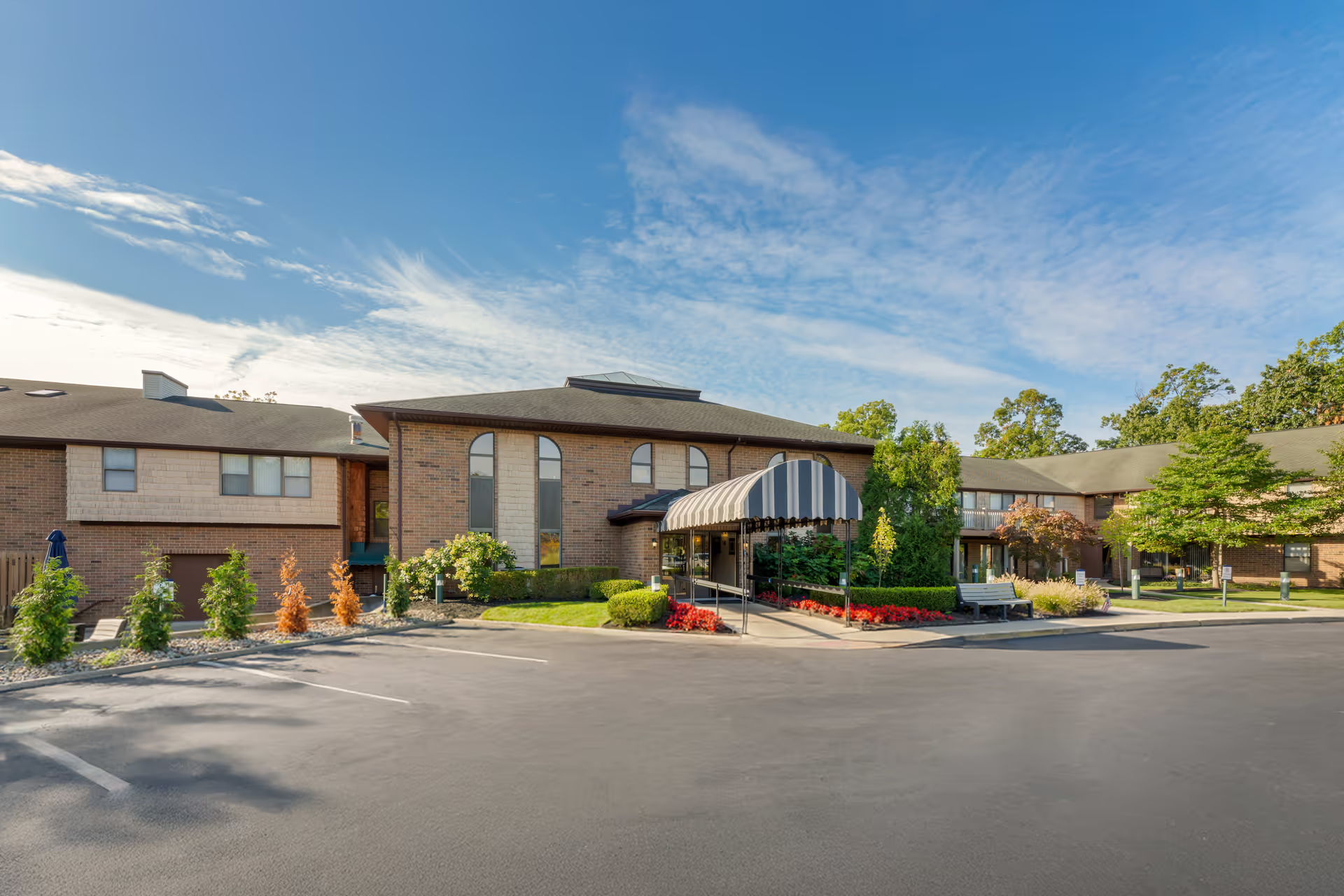
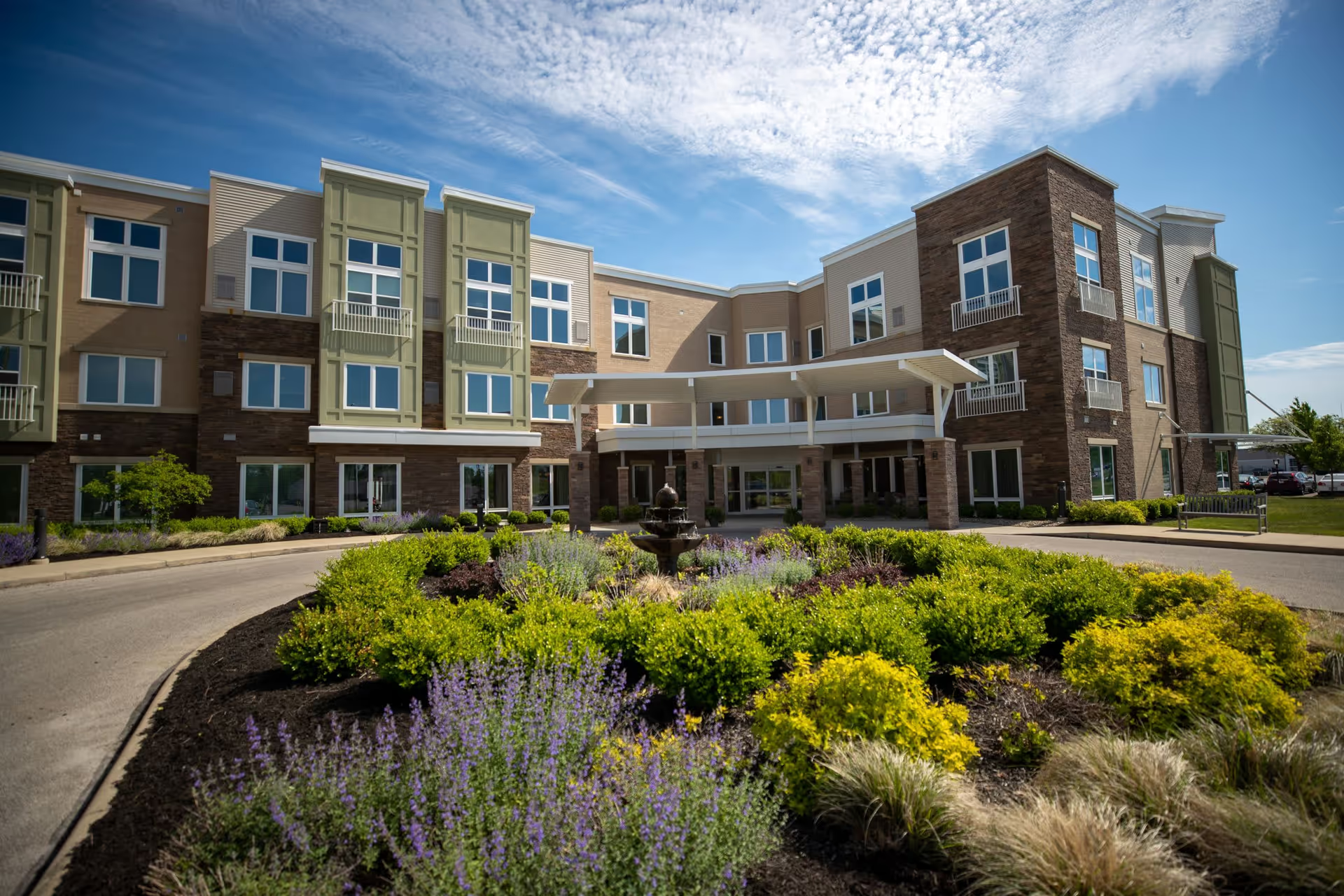
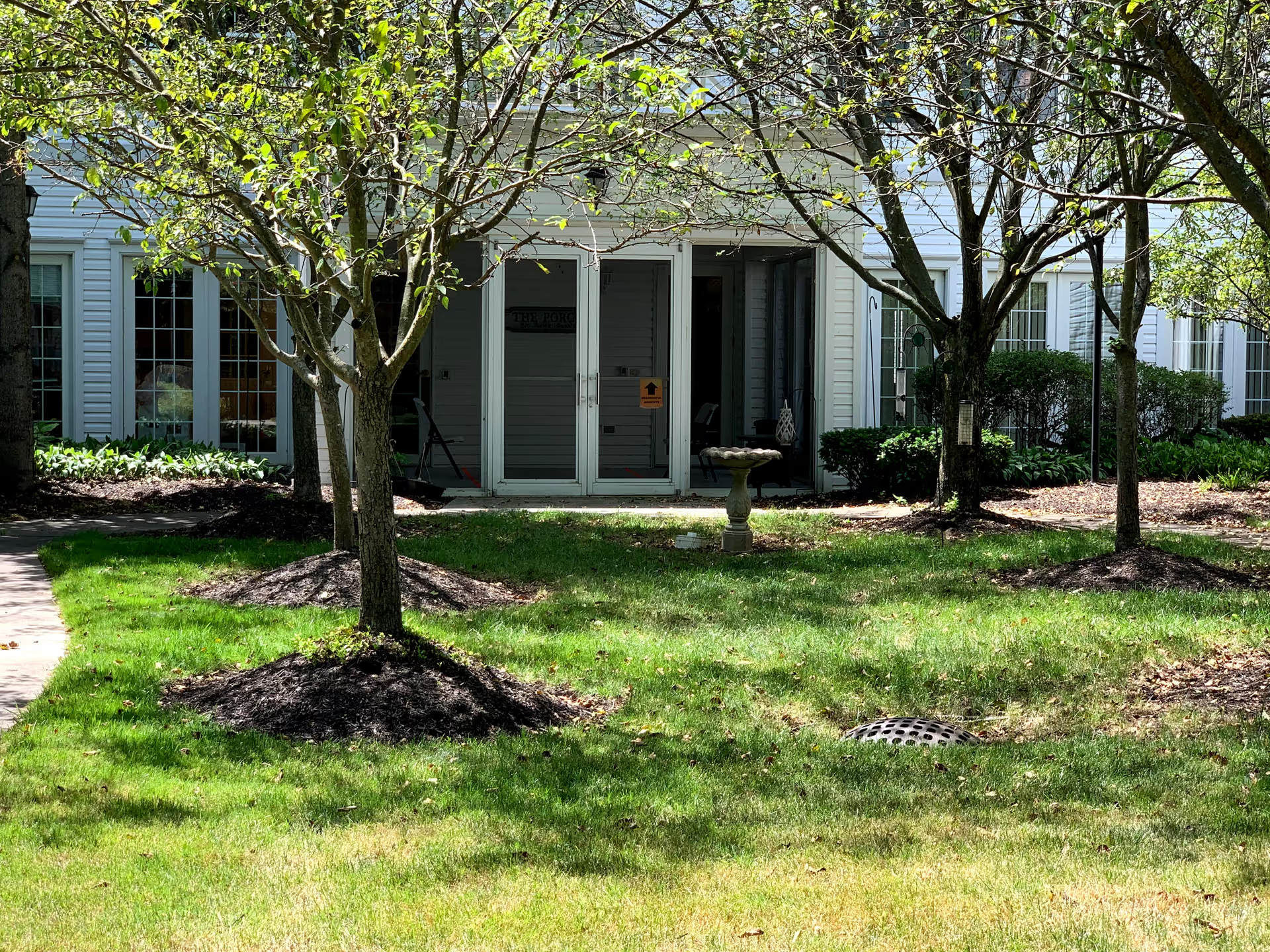
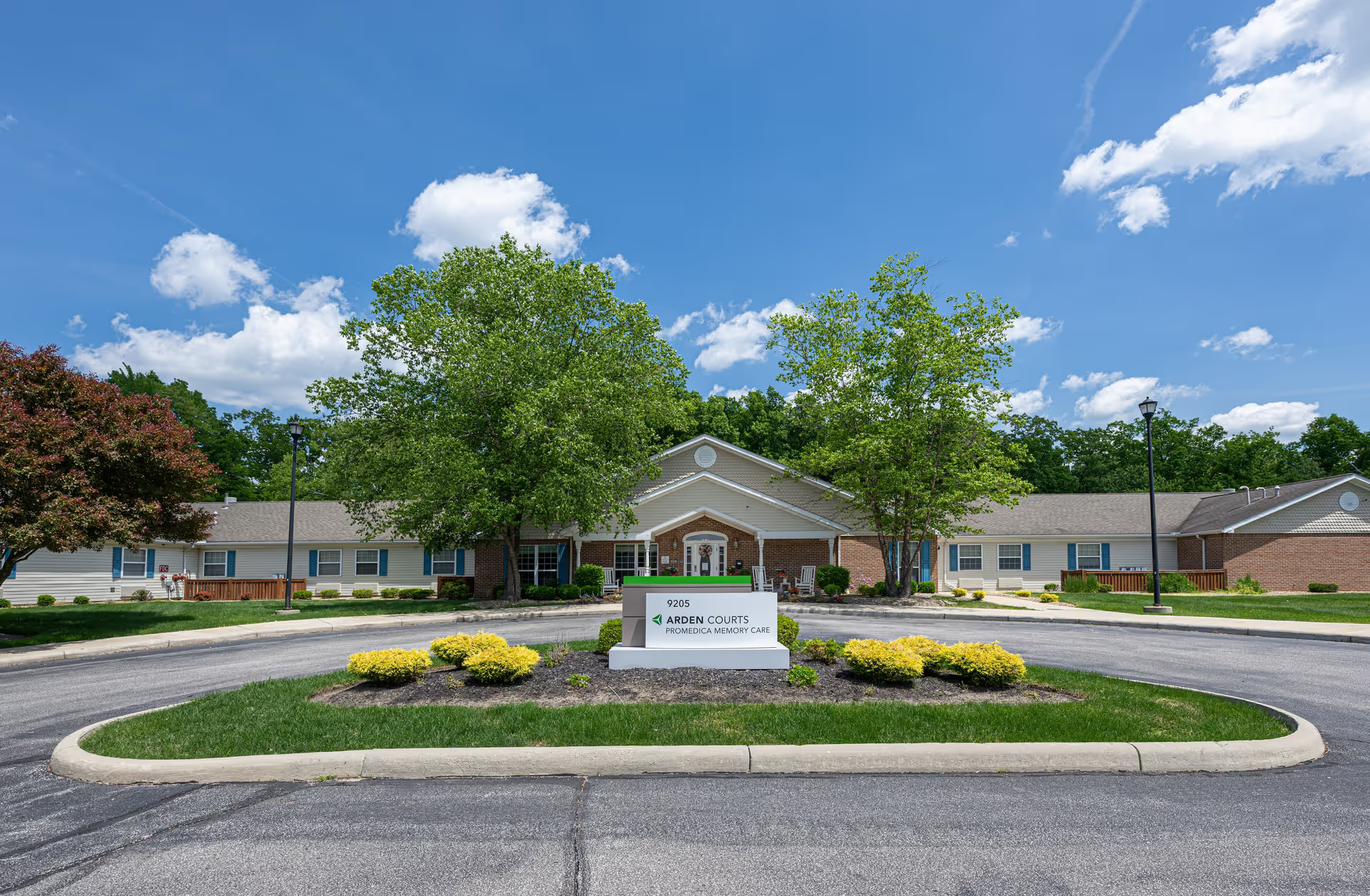
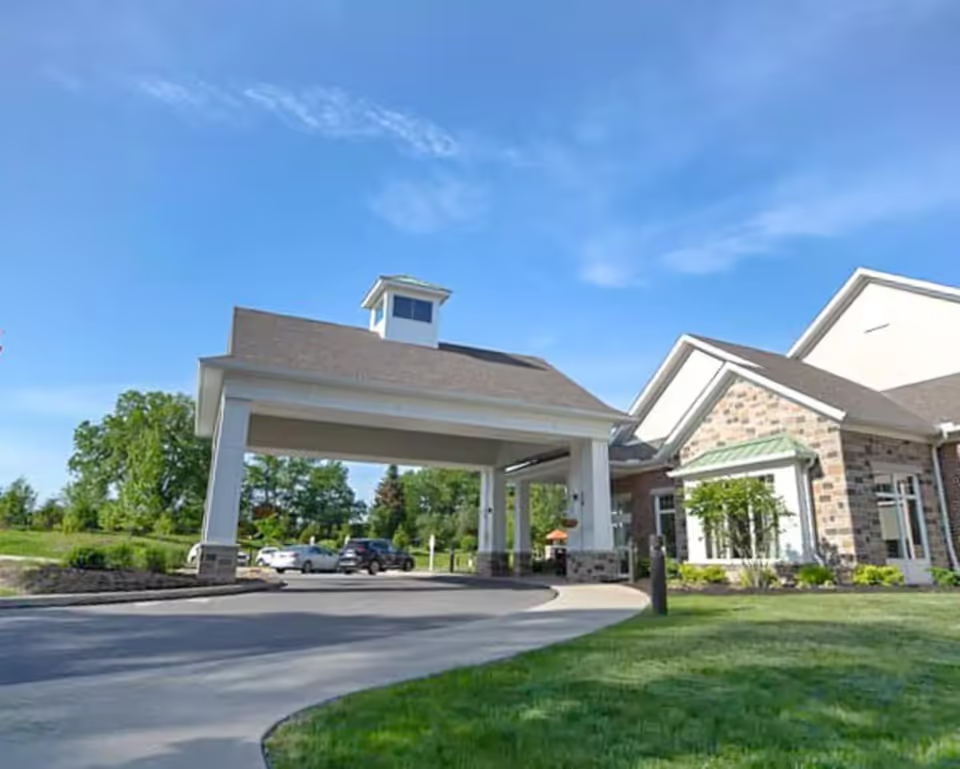
Facilities and environment: The facility experience varies by unit. Some areas were described as well-kept, comfortable, and home-like; other areas exhibited cleanliness and linen-condition issues, uneven temperature control, and occasional environmental hazards (for example, floor water or equipment issues). Property control and security emerged as a concern due to reports of missing belongings and at least one allegation involving staff.
Management and communication: Communication with families was inconsistent. Positive experiences included hands-on administrators and responsive case management; negative patterns included poor front-desk responsiveness, confusing transfer procedures, and inadequate follow-through from social work or admissions staff. Several reviewers advised careful verification of staffing levels, medication protocols, and transport arrangements before admission.
Notable patterns and guidance: A clear pattern is inter-unit variability — some units (notably a first-floor rehab unit) received consistently positive remarks, while others were described as short-staffed and disorderly. Chronic understaffing links to many operational issues: slow call responses, hygiene-care delays, and medication or appointment lapses. Safety-practice gaps and property-control weaknesses were also mentioned enough times to merit attention. Prospective residents and families may benefit from asking targeted questions about current staffing ratios, medication-administration procedures, incontinence and bathing schedules, dietary accommodations, property-security measures, and the presence of consistent floor-level leadership. Visiting the specific unit where a resident will be placed and speaking directly with the unit manager can help clarify the local conditions that most strongly influence day-to-day care.