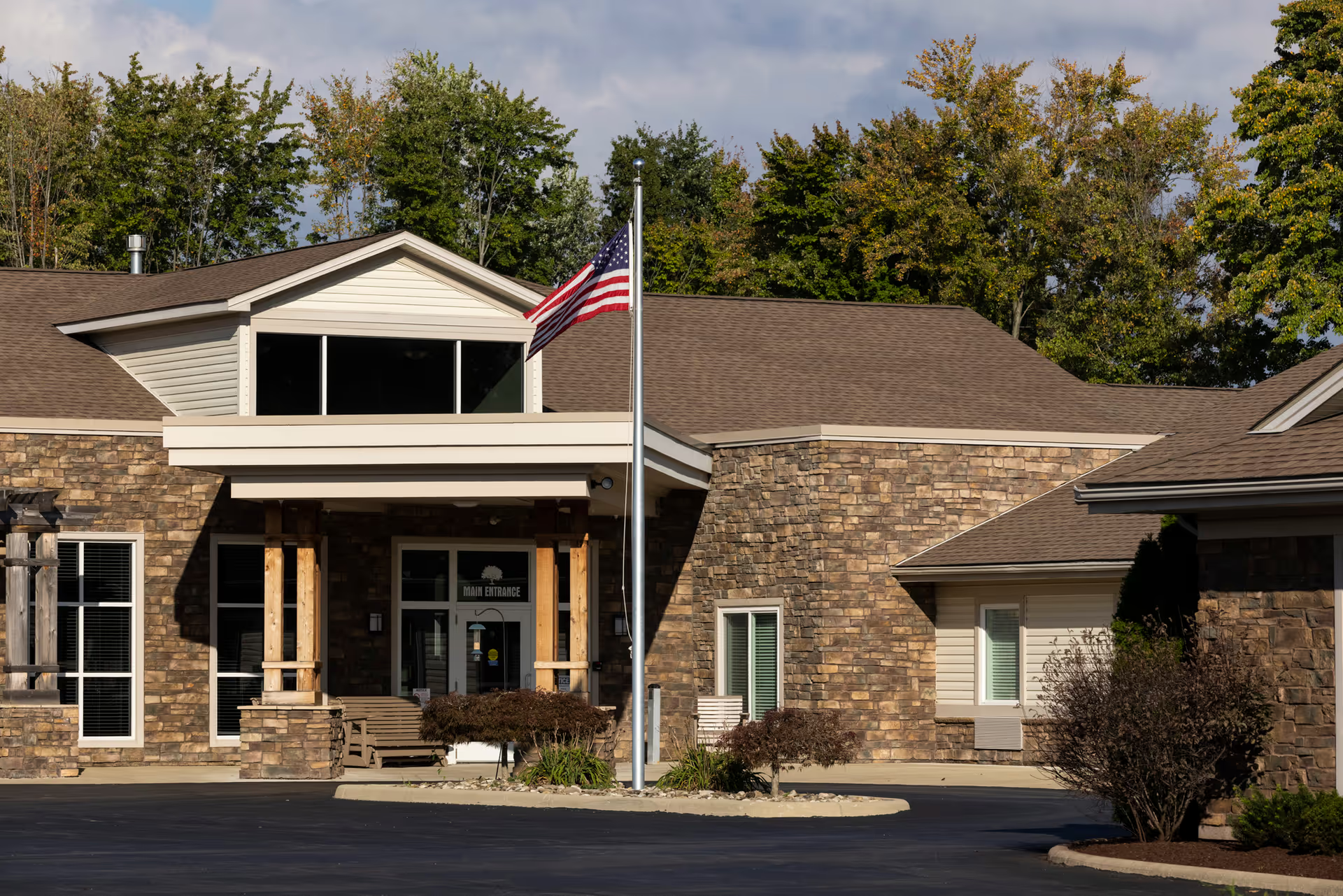
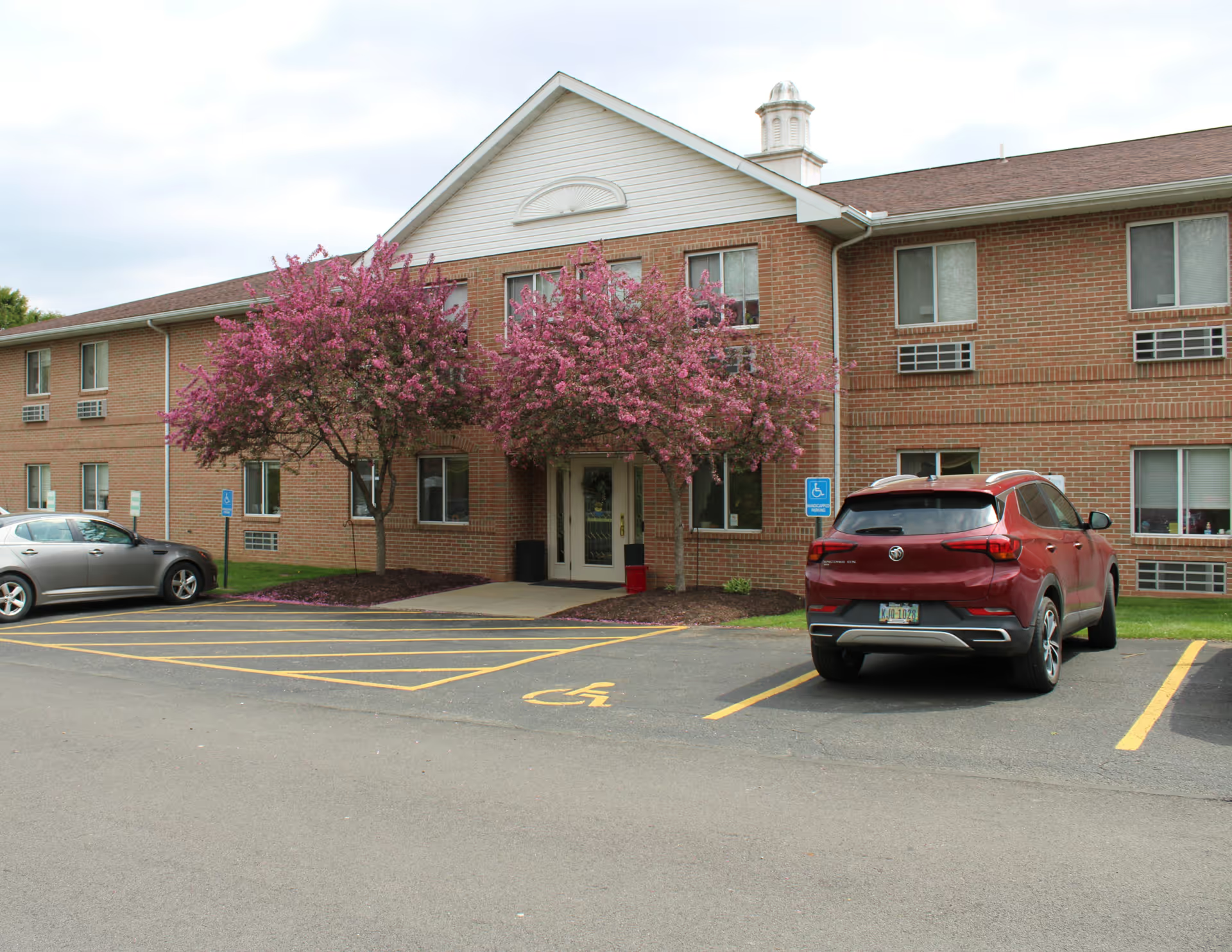
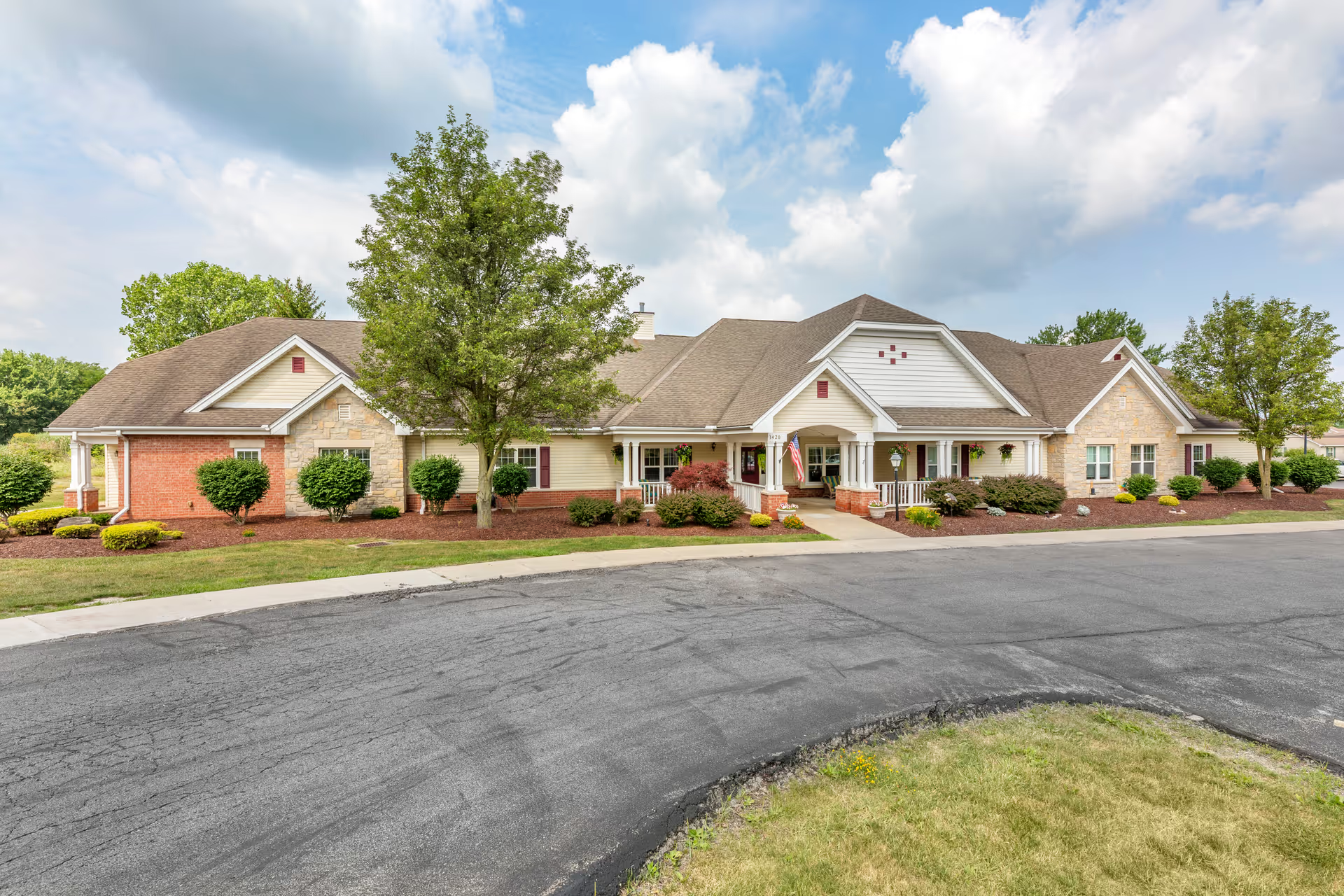
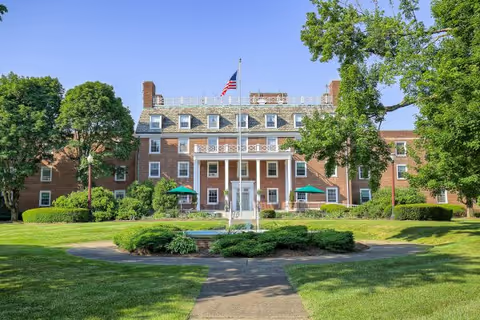
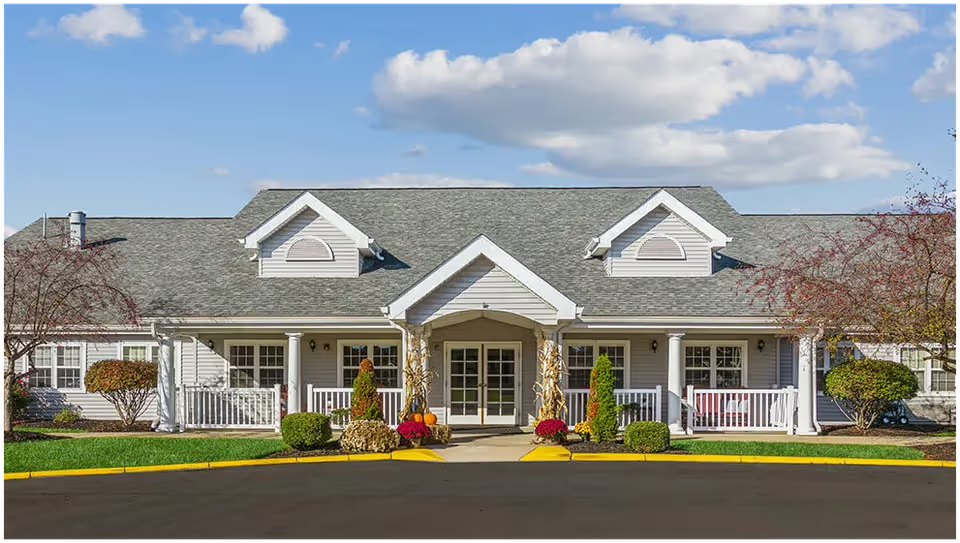
Liberty Arms presents as a small, older assisted-living residence with a mix of notable strengths and recurring operational concerns. Many family members and residents praise the quality of day-to-day caregiving: staff are frequently described as friendly, knowledgeable, and compassionate, with specific praise for nurses, an activities director who is proactive, and housekeeping and laundry that maintain a clean environment. The facility's interior is described as attractively decorated for seasonal events, and several reviewers highlighted a welcoming atmosphere that helped ease transitions into residence.
Care quality is generally characterized by attentive direct care and helpful clinical staff, though reviewers also describe variability when residents have higher-acuity needs. A number of families expressed concern that some staff members may lack the training or support to manage more complex care needs reliably. Relatedly, there are accounts pointing to inconsistent responsiveness for personal-care tasks; these indicate a need to clarify staffing assignments and escalation procedures for residents who require more hands-on assistance.
Dining and daily life receive largely positive comments. Meals are described as good and homestyle, with special mentions of Sunday dinners and consistent menu quality. Staff frequently provide dining assistance to residents who need it. Activities programming benefits from an engaged activities leader and visible effort to create seasonal, social, and spiritual opportunities—there is an on-site chapel with visiting clergy and weekly communion—but the activities team appears small, and program breadth can be constrained when staffing is limited.
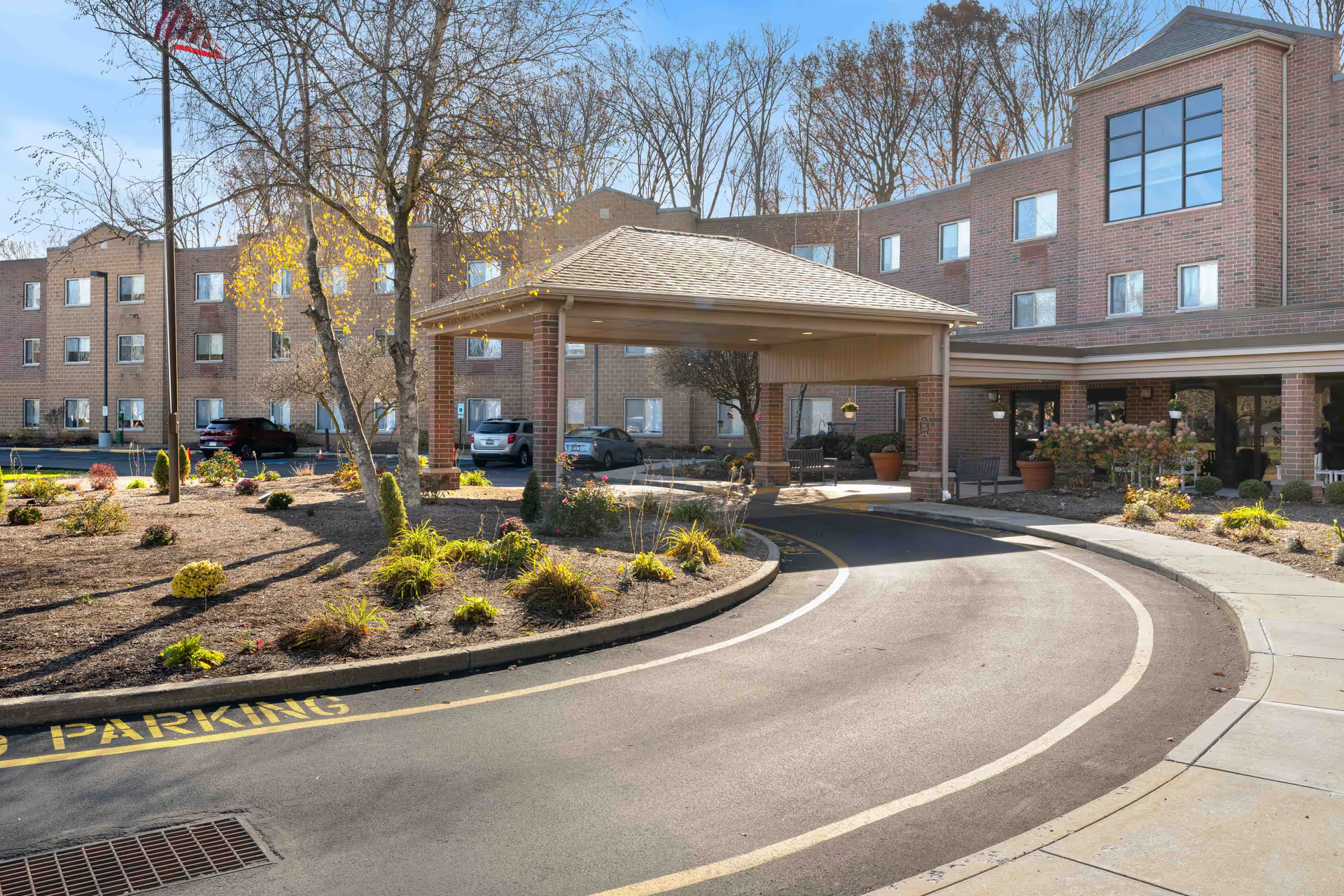
Facility and safety issues are mixed. The building is older, and some rooms are described as small or irregularly shaped; some units offer a kitchenette with a sink, small refrigerator, and microwave, while others have limitations such as restricted electrical outlets. Cleanliness and maintenance are strengths, but families have raised concerns about security and monitoring systems (for example, unsecured doors and limited alarms or cameras), which point to potential gaps in resident supervision and environmental controls.
Management and operational communication are the clearest recurring pain points. Several families described difficult interactions with management, including harsh communication styles and disputes over care decisions or financial matters; these accounts create a perception that administrative priorities may sometimes emphasize occupancy or revenue. Understaffing and inconsistent coverage were also cited as contributors to safety and service variability. Prospective families should weigh the facility's strong interpersonal care culture, attractive common areas, and good food against the documented variability in management communication, staffing levels, and building infrastructure.
Practical questions to ask during a tour: current staffing ratios and on-site clinical expertise; procedures for escalating care for higher-acuity needs; specifics of security and monitoring systems; activity staffing and sample weekly schedules; written communication protocols with families and power-of-attorney; and room electrical capacity and kitchenette availability. These clarifications can help families decide whether Liberty Arms' strengths align with their loved one's needs and whether operational gaps can be mitigated through agreements or additional supports.