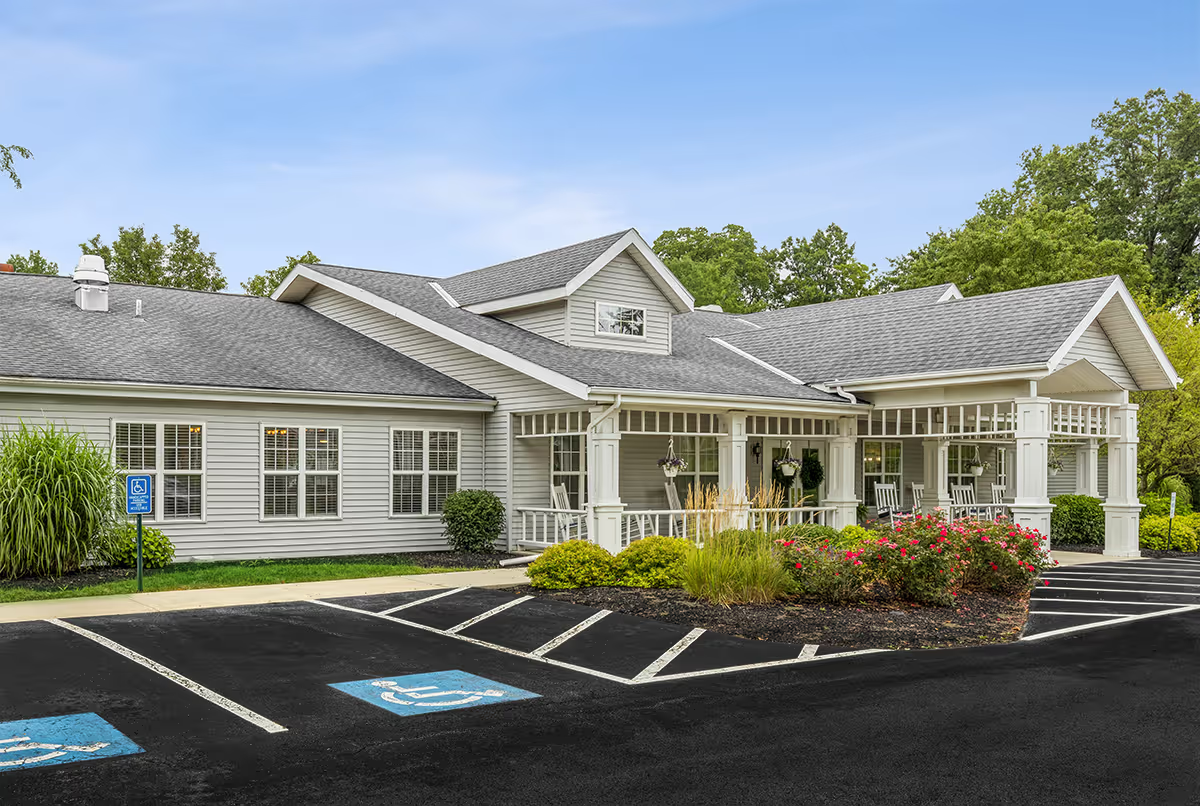
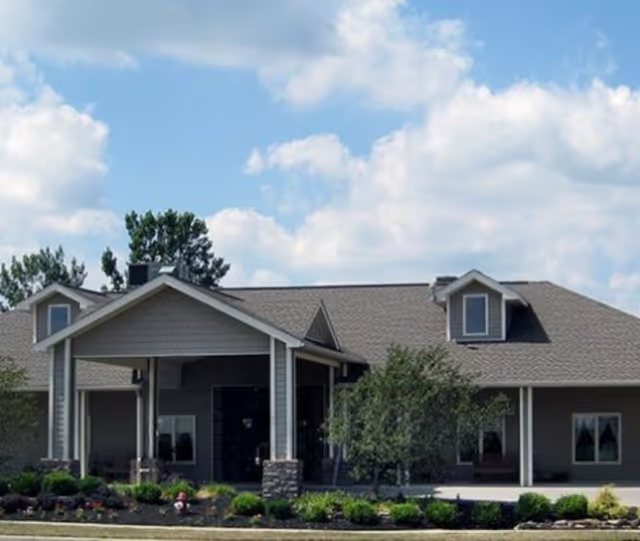
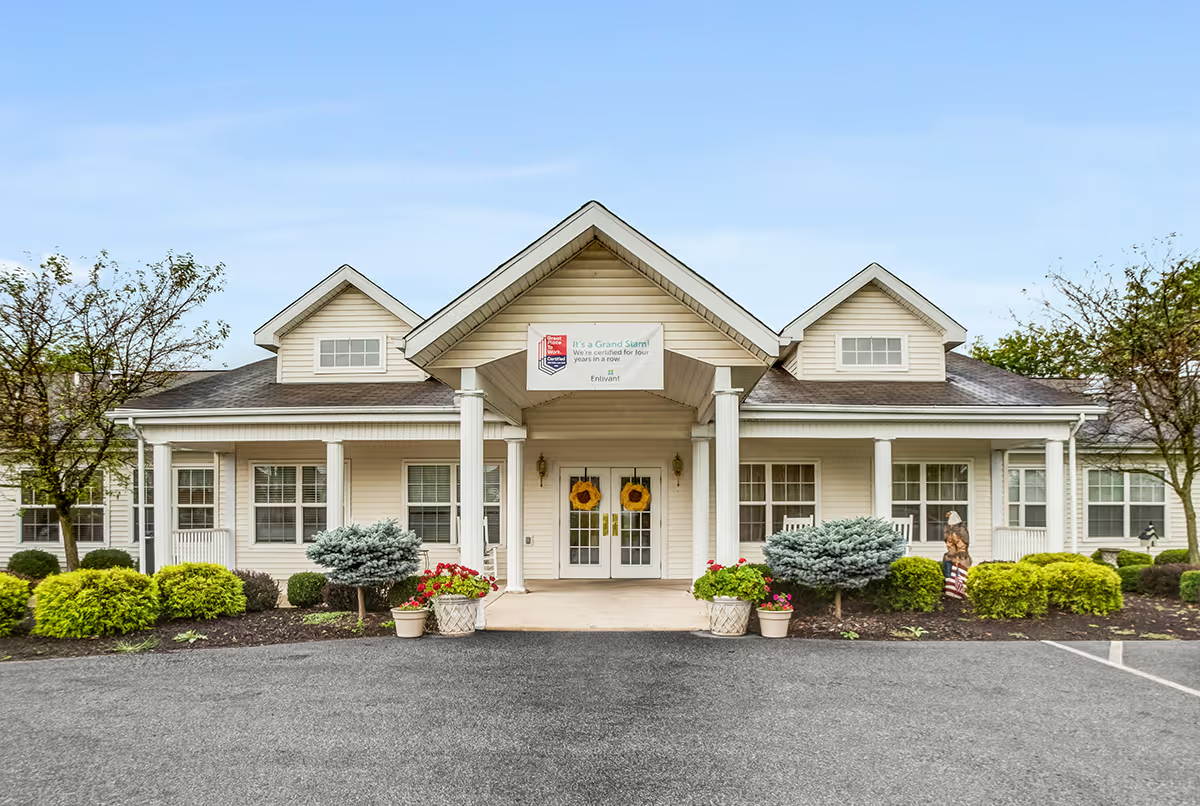
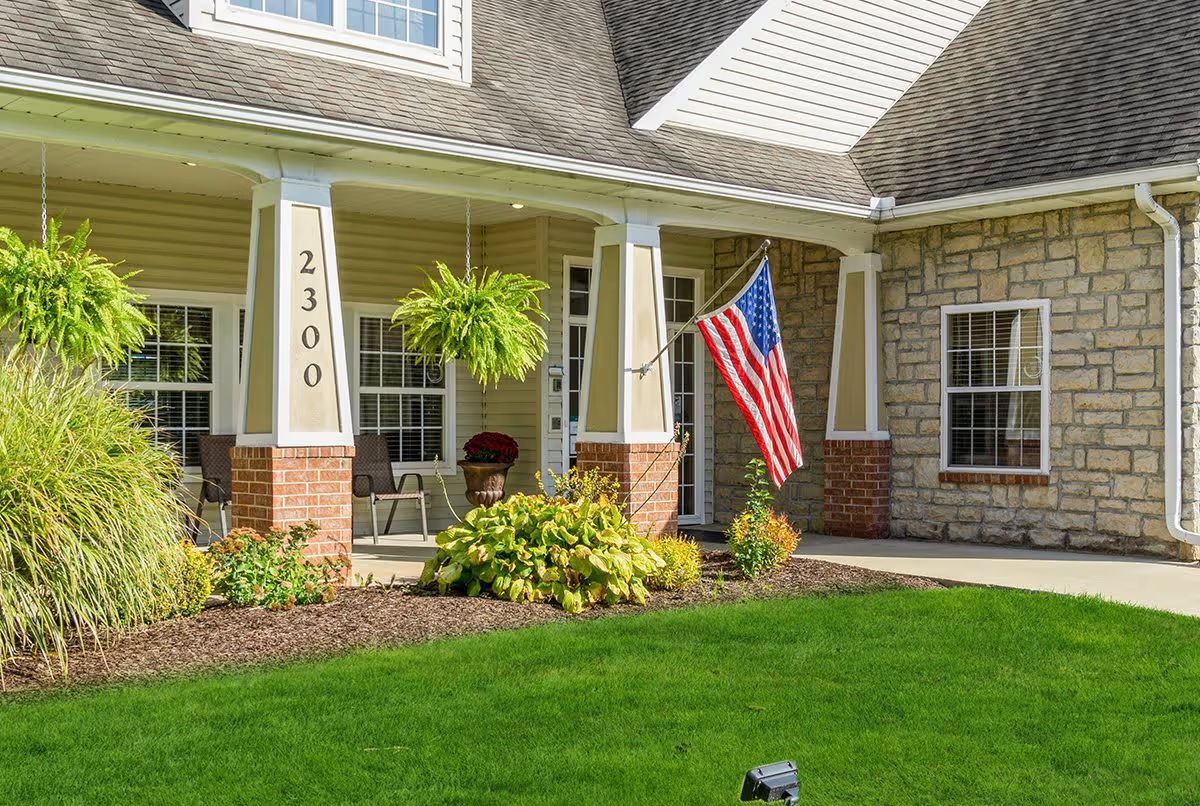
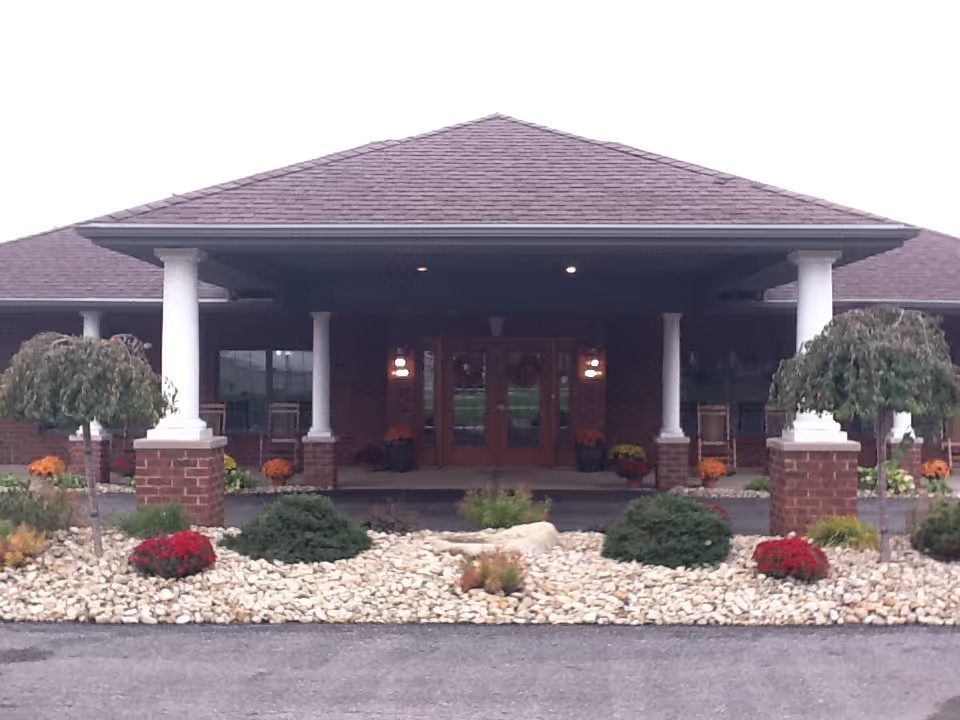
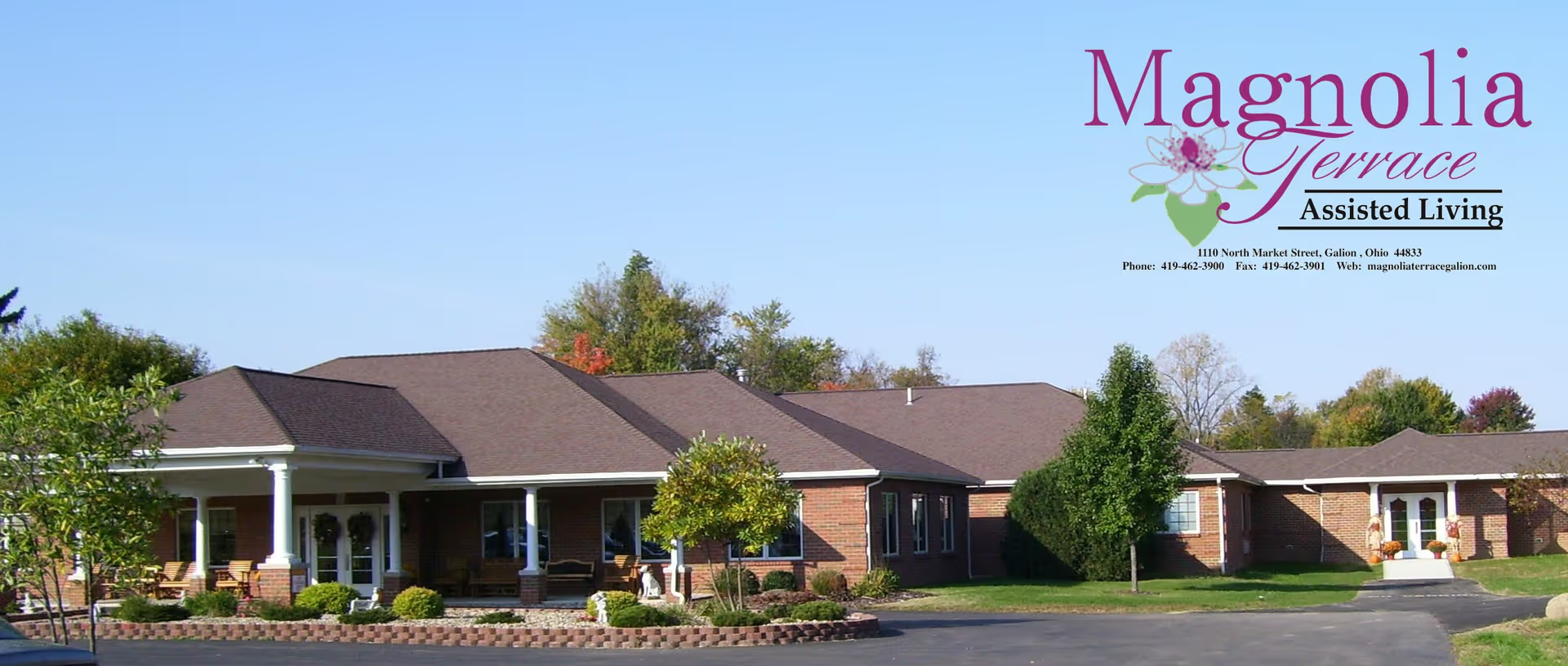
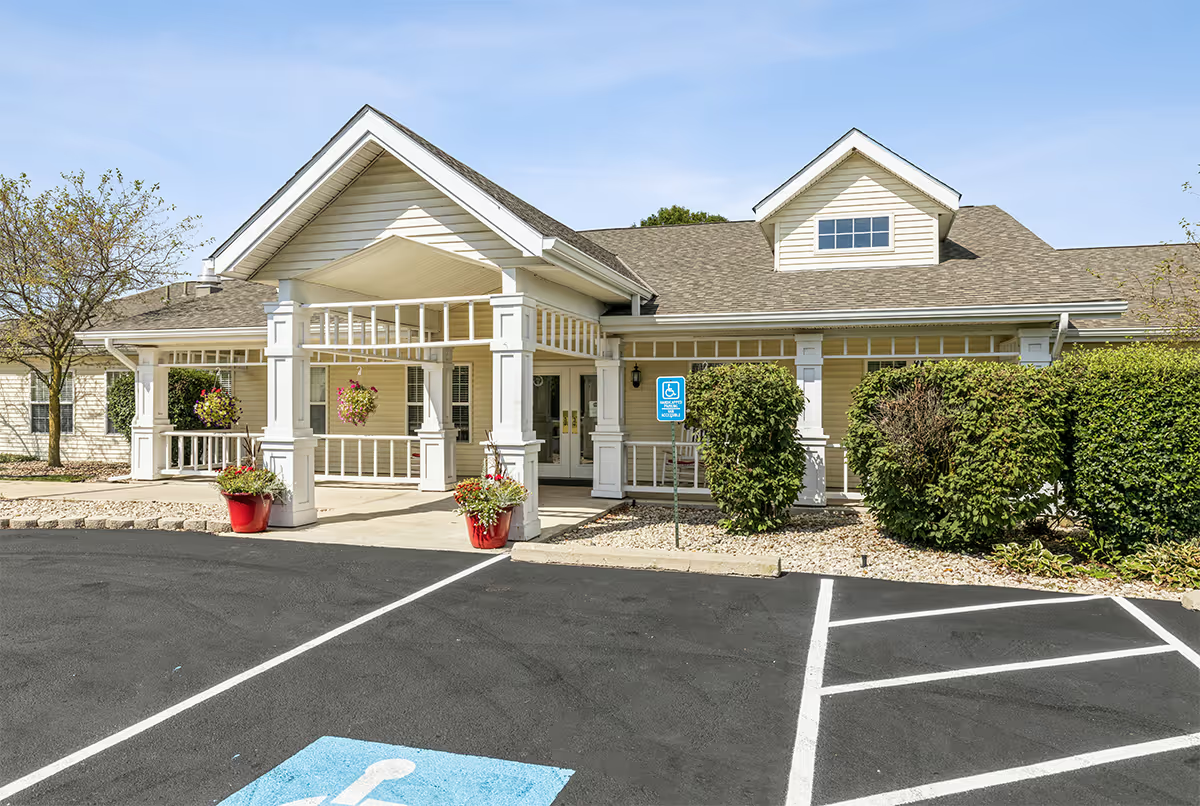
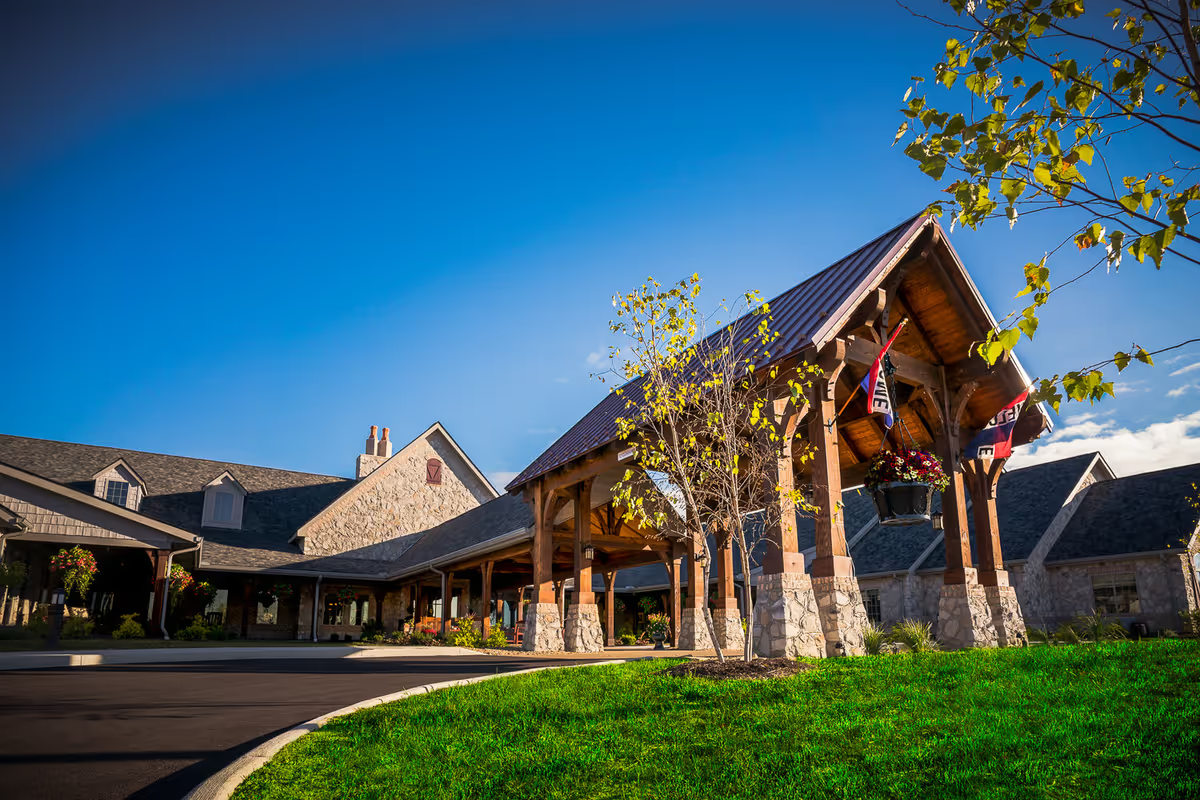
Reviews of JAG Healthcare Harding present a mixed picture with clear strengths alongside notable operational weaknesses. Positive comments emphasize direct-care staff: reviewers frequently described nurses and support staff as caring, responsive, and willing to go beyond standard duties. Several accounts also highlight a secure campus, a dedicated group/activity room used for games and socializing, and improvements to programming after COVID. Facility appearance and upkeep receive favorable remarks in some accounts, and a number of staff express job satisfaction and an affinity for residents, which can contribute to a comfortable environment for some residents.
Care quality and clinical services are a primary area of divergence. While many reviewers praised compassionate nursing, others reported inconsistent clinical and therapy outcomes, with specific concerns raised about rehabilitative therapy effectiveness for conditions such as stroke. Staffing adequacy is a recurring operational concern: comments about being understaffed suggest possible delays in routine care and lower staff availability during busy periods. These patterns indicate variability in day-to-day clinical reliability rather than a uniformly consistent level of care.
Facility features and daily life also elicit mixed feedback. The site is described as secure and offers sign-out visit options, and some families noted visible post–COVID enhancements to activities. At the same time, reviewers described high noise levels in communal areas, an absence or limitation of air-conditioning in parts of the building, and an overall institutional atmosphere that some found lacking a homelike feel. There are also reports of inconsistent entry and visitation procedures—ranging from allowances for sign-out visits to long waits for entry—which suggest uneven implementation of access policies.
Management and safety-related themes are a particular area to probe during a visit. Several reviewers said management responded promptly when concerns were raised, but others described serious interpersonal and procedural concerns, including allegations of managerial intimidation and accounts of police involvement in resident incidents. These reports point to potential gaps in incident response, conflict resolution, and transparent family communication. Additionally, some comments indicate variable cleanliness and maintenance attention across units, suggesting that upkeep is not uniform throughout the facility.
Dining received little consistent commentary in the available summaries; prospective families should request recent menus, sample meals if possible, and information on special-diet accommodations. For activities and social engagement, confirm current programming schedules and whether the post–COVID improvements cited have been sustained.
Recommendation: Given the mixed feedback, families should schedule an in-person visit at different times of day (mealtime, activity periods, evening) to assess noise, temperature, staffing presence, and resident engagement. Ask for recent therapy outcome data, staffing ratios, incident-reporting procedures, visitor-entry policies, and examples of how management has addressed prior complaints. Verifying these operational details will help reconcile the conflicting accounts and determine whether the facility’s strengths align with a prospective resident’s needs.