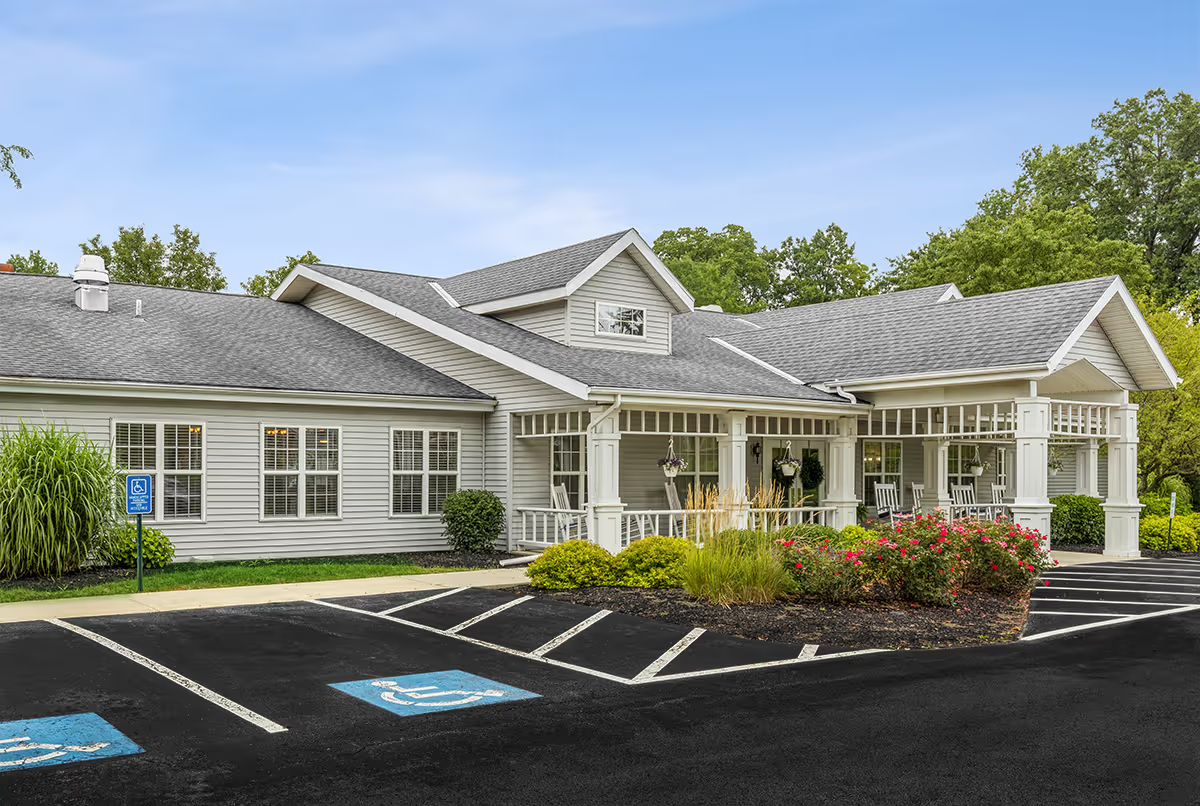
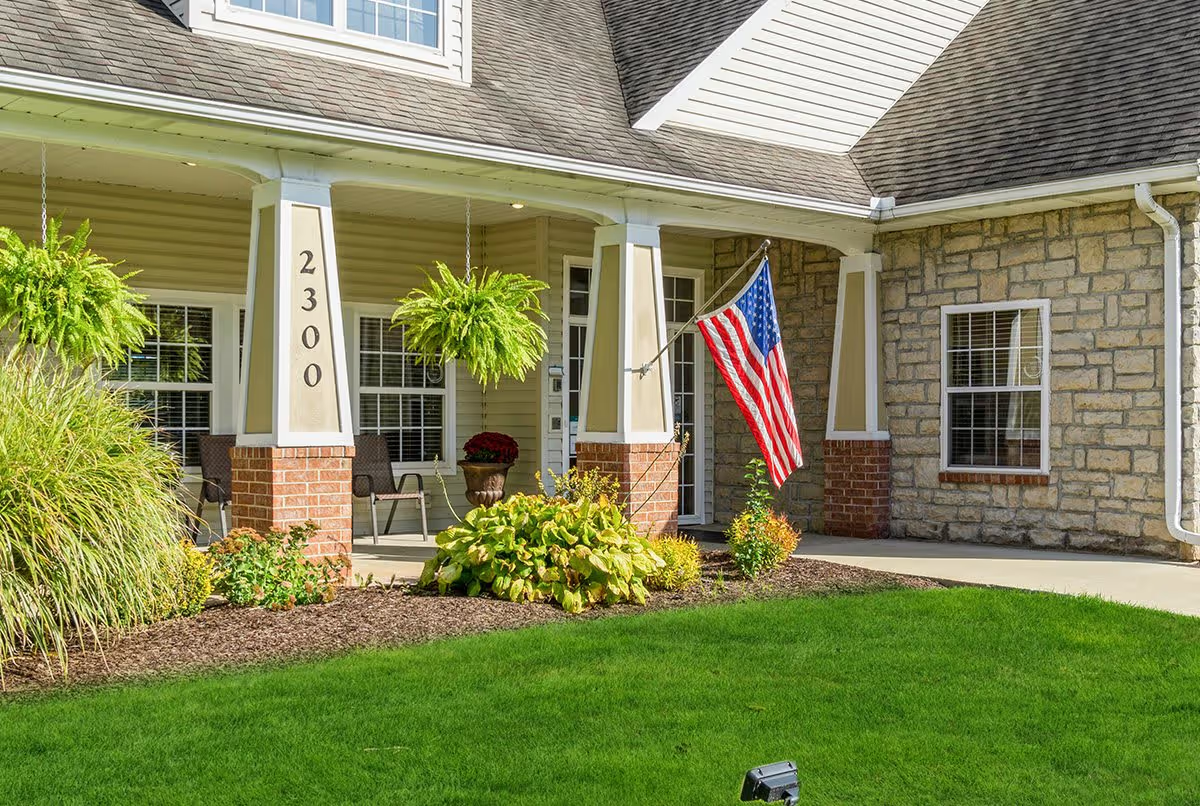
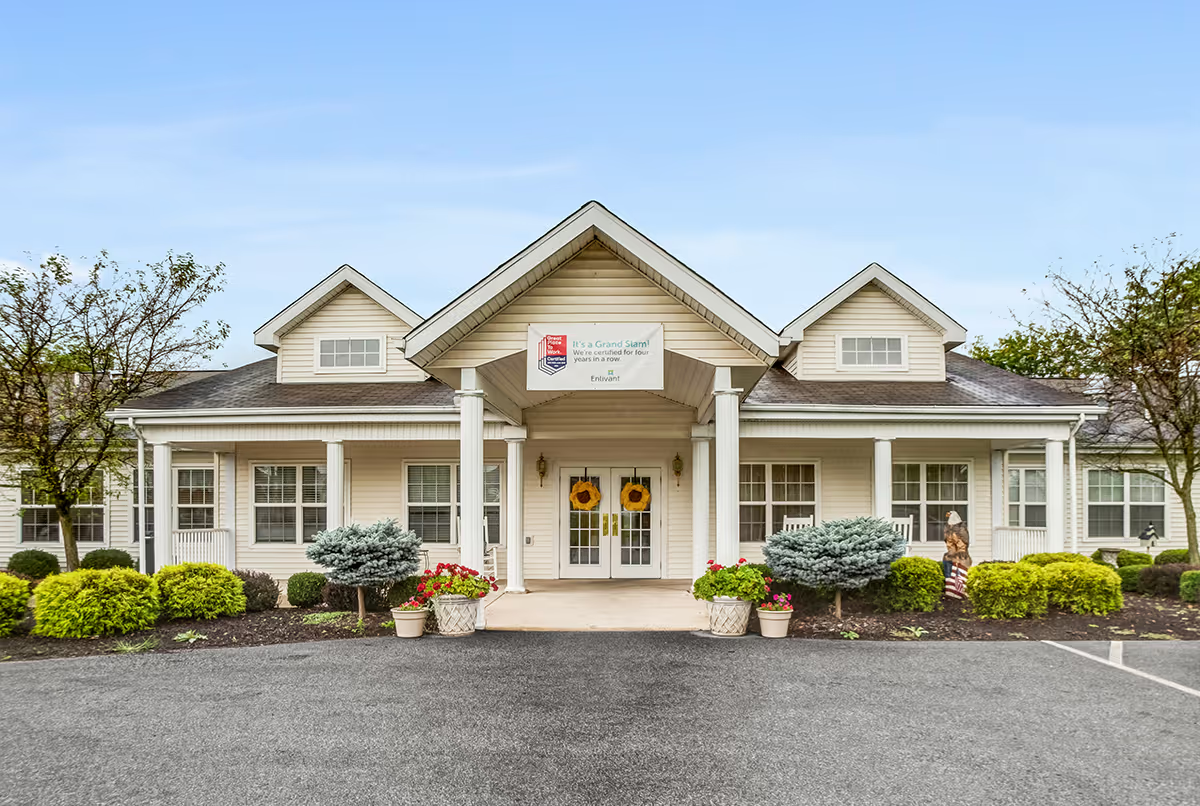
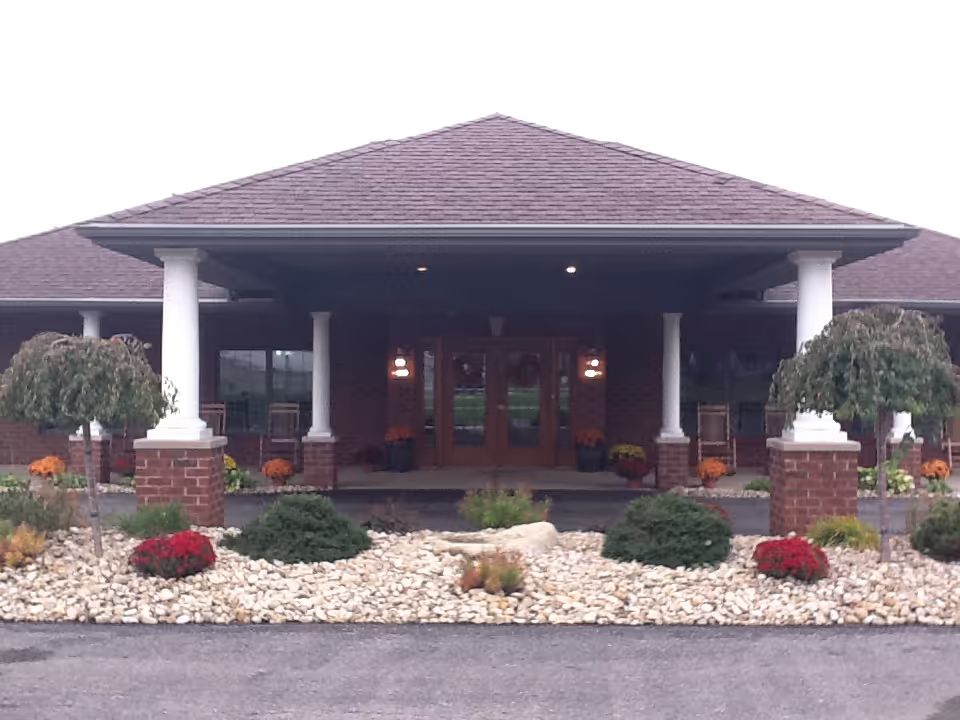
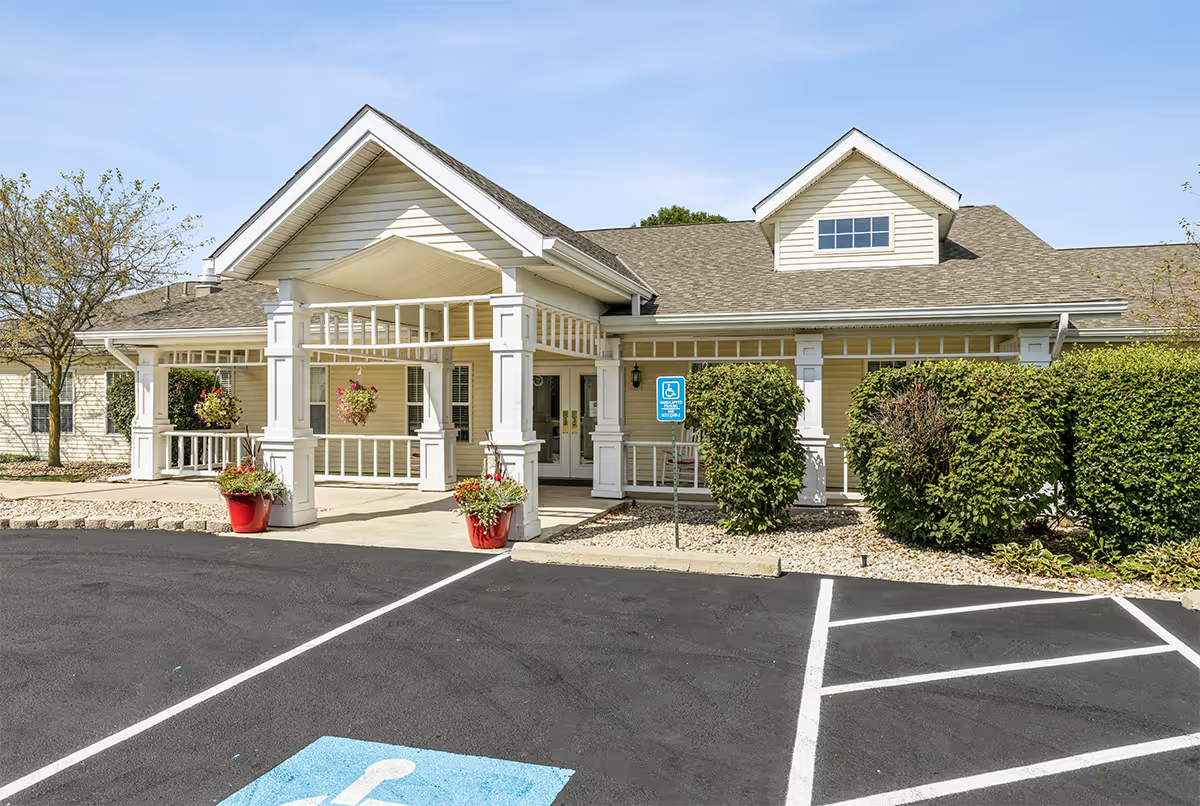
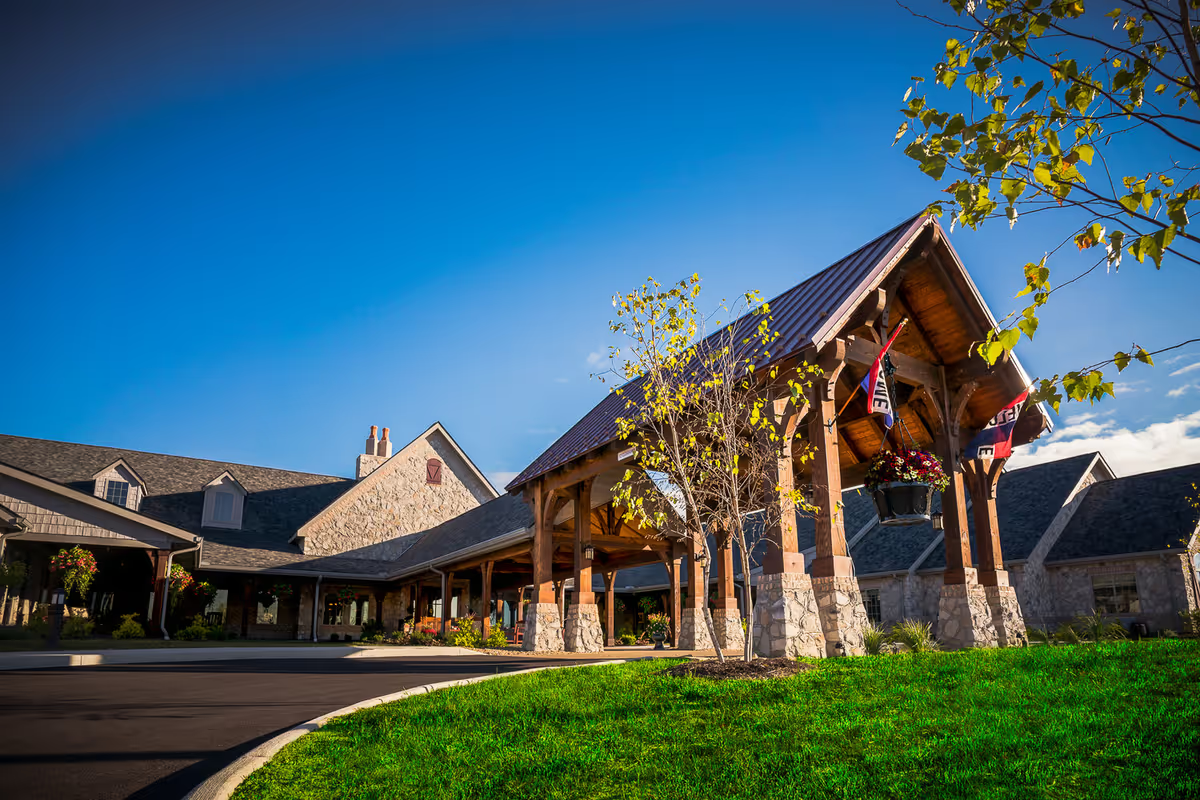
Legacy Marion elicits a strongly mixed set of impressions. Across reviews there are clear and repeated strengths: many families describe nursing staff and STNAs as compassionate, attentive, and clinically capable. Rehabilitation services — including physical, speech, and occupational therapy — are consistently identified as a strength, with several accounts of effective therapy that supported discharge home. The facility’s common areas are often described as clean, bright, and welcoming, and organized activities (crafts, games, puzzles and inclusive programming) contribute to resident engagement.
At the same time, a consistent theme is operational inconsistency. Reported experiences vary widely by shift, unit, or time period: some families praise proactive communication and individualized care plans, while others describe long delays answering call lights, slow assistance for toileting and bathing, missed or rescheduled medical appointments, and gaps in routine monitoring. This variability extends to clinical processes and medication management; reviewers referenced scheduling conflicts, double-dosing concerns, and situations that led to hospital transfers, indicating uneven adherence to clinical protocols.
Dining and housekeeping produce similarly divergent feedback. Several accounts compliment high-quality meals and courteous kitchen staff, including specific praise for salads and particular dishes. Conversely, other accounts describe unacceptable meal quality and inconsistent kitchen service. Housekeeping and room-level sanitation are reported as reliable in common areas but inconsistent in some resident rooms and bathrooms; reviewers raised maintenance issues as well, including heating and window problems and cramped room layouts that limit mobility and guest accommodation.
Safety, security, and administrative issues appear as separate areas of concern. Some reviewers raised allegations of missing personal items and unauthorized access, along with concerns about how such incidents were handled. Administrative problems — delayed responses from management, billing errors, back-billing, and an unresponsive phone/reception system — were also cited. Several comments addressed staff conduct and tone, describing both exemplary, compassionate providers and instances of discourteous or dismissive interactions; these accounts suggest a need for stronger staff training and consistent supervisory oversight.
Notable patterns: the facility shows clear capability in clinical rehabilitation and in moments of strong nursing care, but persistent operational weaknesses — staffing instability, variable responsiveness, inconsistent housekeeping and maintenance, and administrative follow-through — create significant variability in resident experience. There are a small number of serious individual allegations (theft, medication-process issues, and care-related hospitalizations) that families and prospective residents should treat as high-priority items to investigate further.
For prospective residents and families: consider an on-site visit at different times of day, ask for recent staffing ratios and turnover data, review recent inspection reports, tour a prospective room to check temperature control and clearance for mobility devices, inquire about medication-safety protocols and incident reporting, and request references from current families. These steps will help clarify whether the facility’s notable strengths align with your expectations and whether the operational gaps have been addressed under current management.