Reviews for Marion Rehabilitation are strongly mixed, with a clear split between many highly positive experiences and a set of serious operational concerns. Positive accounts emphasize the facility's rehabilitation strengths, compassionate caregiving, and an overall welcoming atmosphere; negative accounts raise issues around clinical responsiveness, maintenance, and communication. Prospective residents and families are likely to encounter both very favorable outcomes and isolated incidents of suboptimal care, depending on timing and unit.
Care quality and clinical operations: The facility receives repeated praise for its therapy services — physical and occupational therapy are frequently described as effective, goal‑oriented, and instrumental in measurable recovery (for example, progress from bed‑ridden to ambulatory). Reviewers also highlight competent wound care and pain management in many cases. Counterbalancing those strengths are patterns suggesting inconsistent medication administration controls and gaps in clinical monitoring. Several accounts describe medication delays or difficulties obtaining timely clinical action, as well as falls and concerns about supervision and escalation. These indicate variability in how clinical protocols and fall‑prevention processes are applied.
Staff and management: Many reviewers single out compassionate, attentive nurses, aides, therapists, and administrators; staff are often described as respectful, welcoming, and family‑oriented. New management and recent ownership changes are repeatedly mentioned as bringing improvements, including visible renovations and stronger recruitment. At the same time, other reports note variable bedside manner, occasional unprofessional conduct, and concerns about retaliatory behavior. Staffing pressures and signs of burnout are cited in several reviews, which may help explain inconsistencies in responsiveness and resident engagement.
Dining and activities: Dining receives mixed feedback. Numerous reviewers praise tasty, varied meals and adequate portions, while others describe minimal or poor food quality. The activities program is cited positively in many accounts — with varied programming, outdoor access, and active resident engagement — though a subset of reviews reports limited opportunities and residents who feel unengaged. Overall, activity availability appears to be improving under recent management in some units but uneven across the facility.
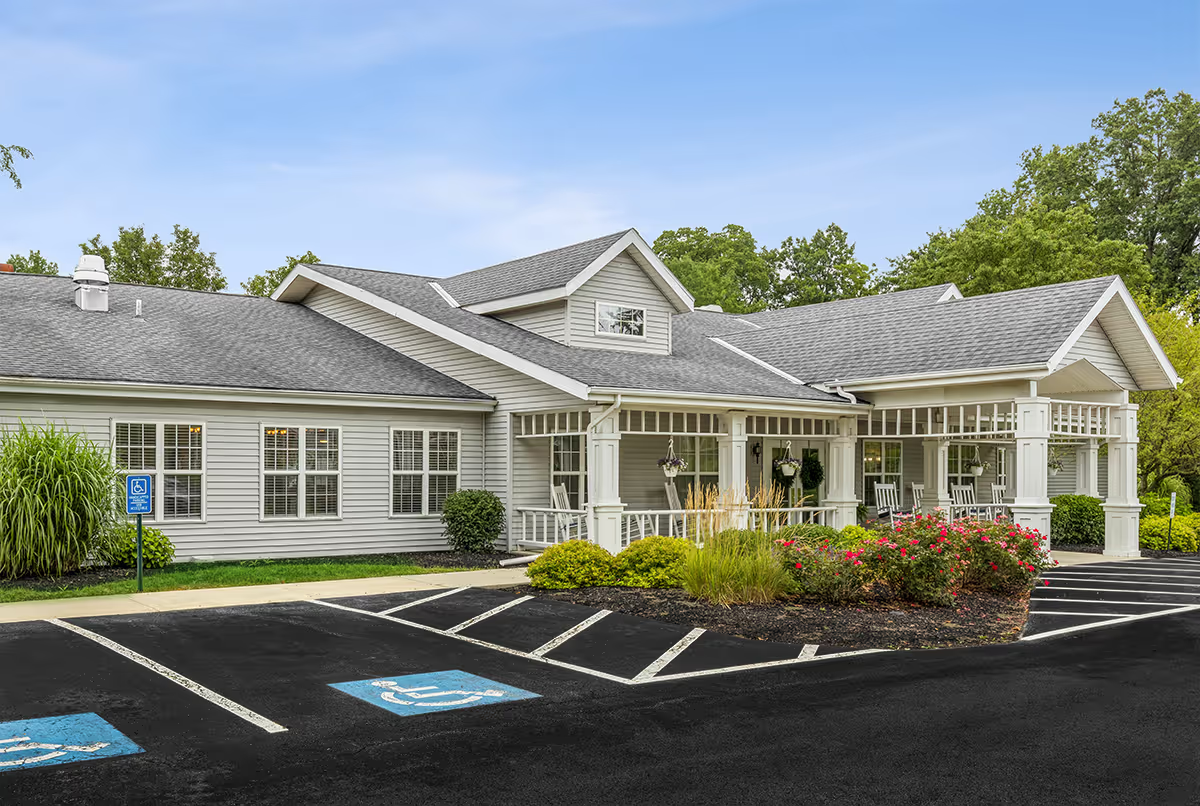
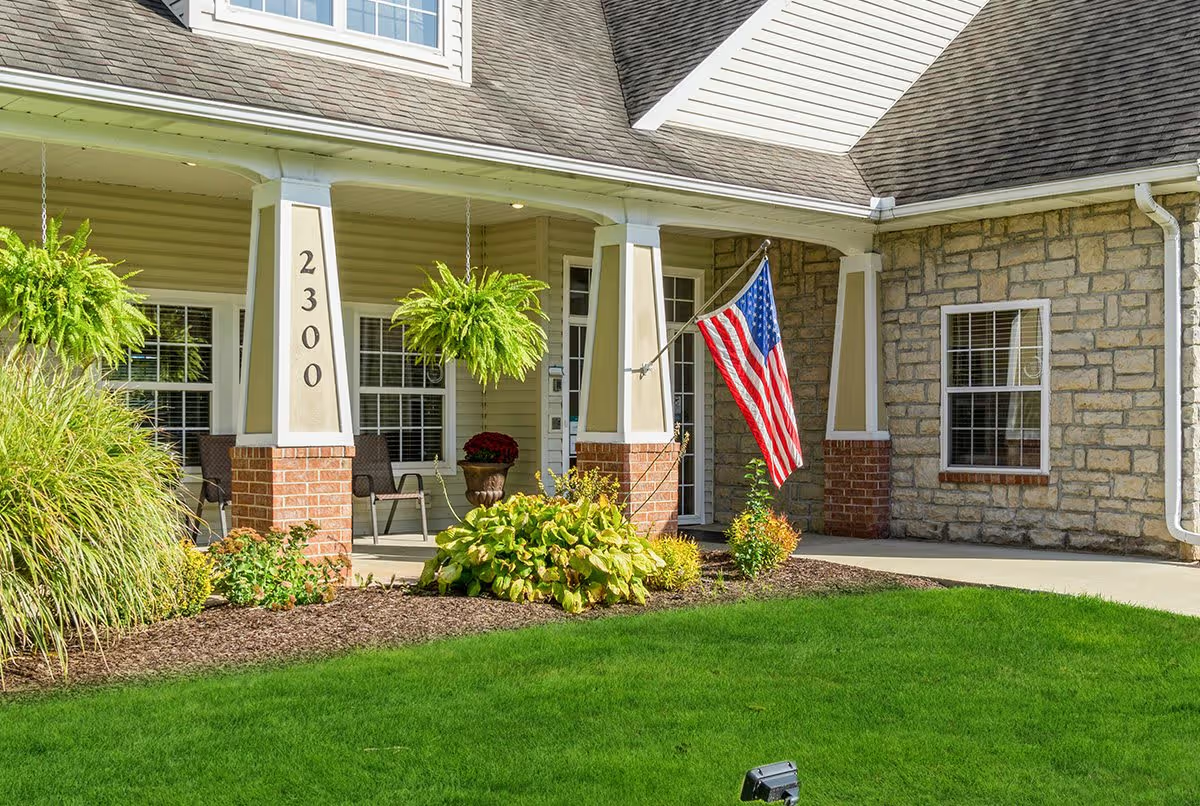
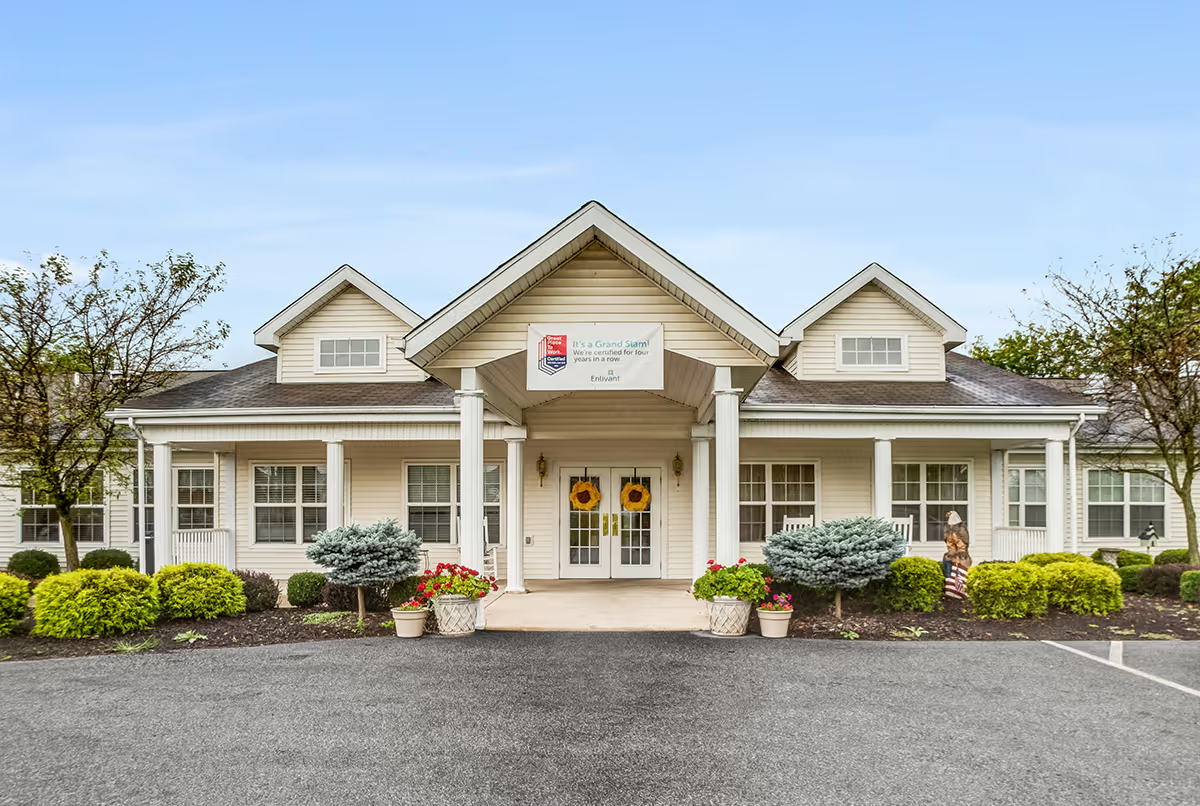
Facilities and maintenance: Several reviewers describe clean, odor‑free rooms and common areas and note daily housekeeping. Conversely, other reviews identify aging infrastructure and specific maintenance issues (plumbing problems, painted‑shut windows, dingy hallways, possible mold concerns), indicating uneven upkeep across the building. Renovation work and planned updates were mentioned repeatedly, suggesting management attention to facility improvements but also the presence of areas that still need repair or remediation.
Notable patterns and takeaways: The dominant pattern is one of variability: strong clinical rehabilitation services and caring staff coexist with operational weaknesses in medication management, monitoring, maintenance, and communication. New ownership and administrative efforts appear to be improving some aspects, but reports of serious incidents (medication delays, falls, and sanitation/maintenance problems) mean families should seek current, specific information. When evaluating Marion Rehabilitation, consider confirming recent inspection records, asking about staffing levels and medication administration protocols, inquiring how fall‑prevention and infection‑control are enforced, and touring the specific unit where care would be provided to assess cleanliness, odors, and activity programming.