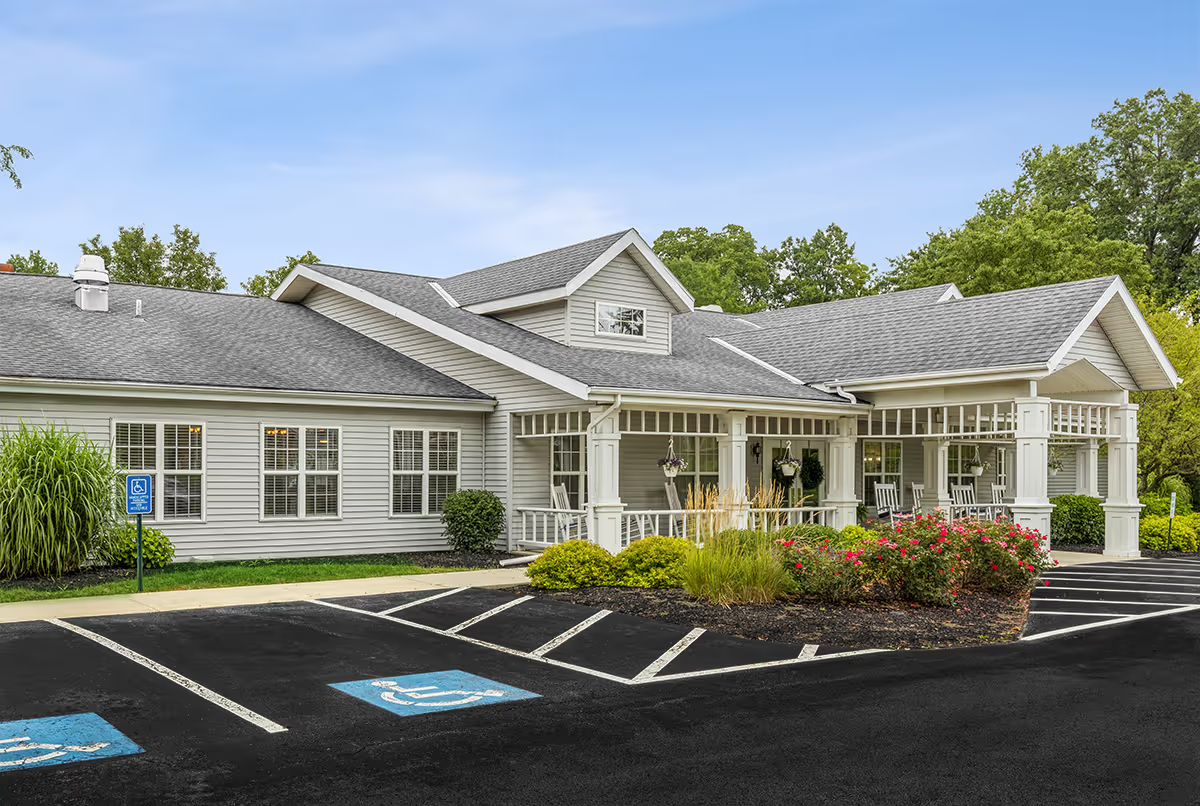
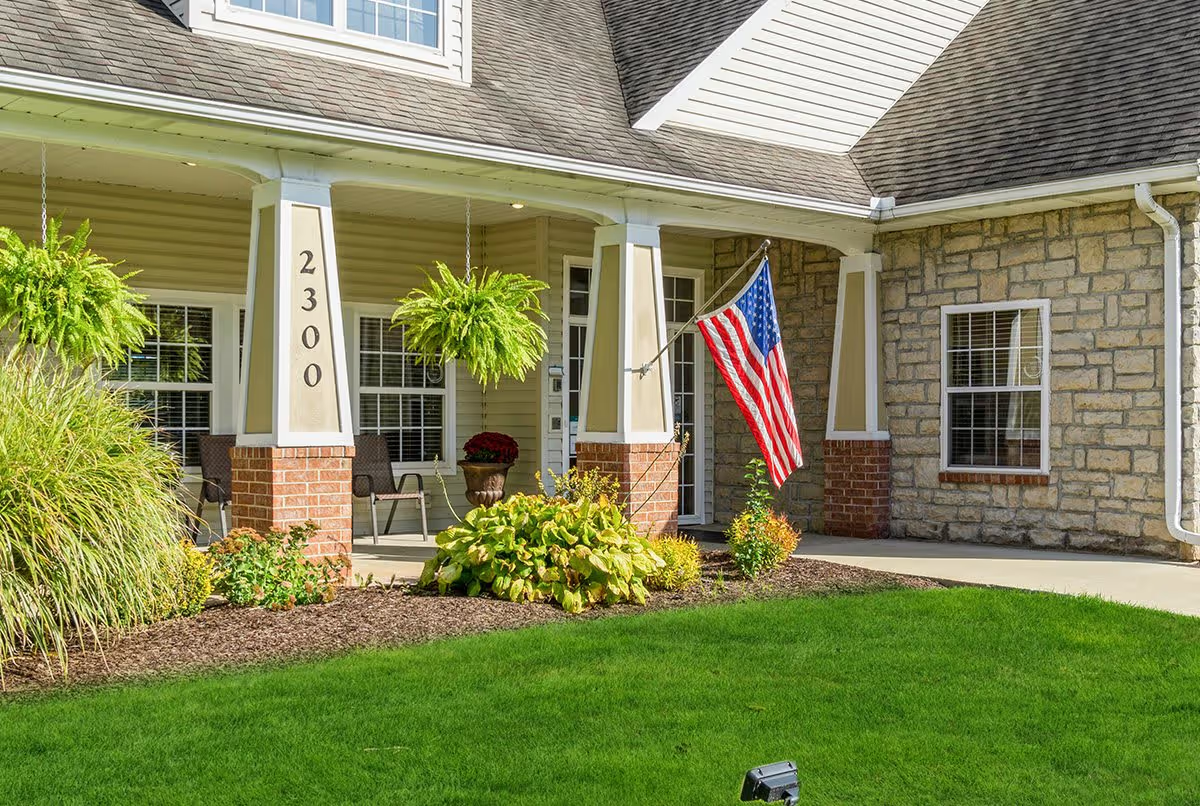
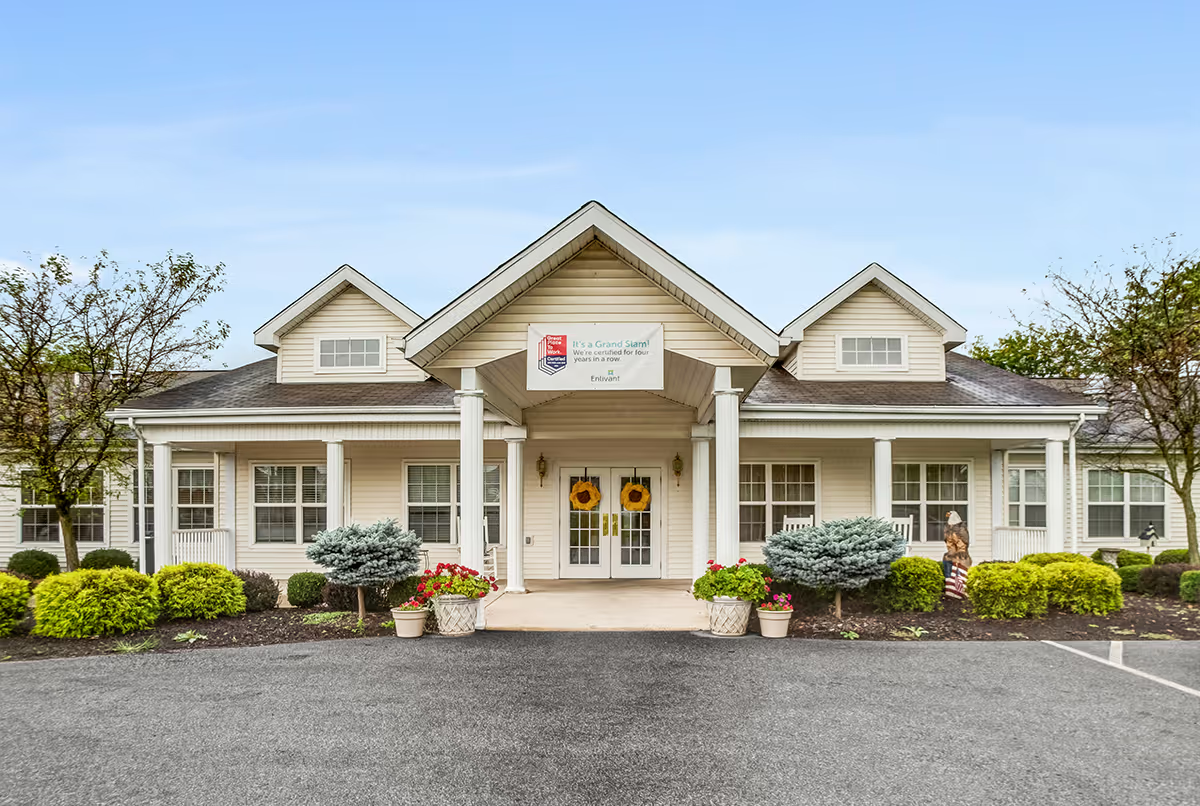
The reviews for Presidential Post Acute present a polarized picture: many families and residents describe strong, compassionate caregiving and effective clinical services, while others raise significant operational concerns that affected care continuity and family confidence. Positive experiences highlight an engaged therapy department, successful rehabilitation outcomes, and staff who go beyond basic duties to comfort residents. The facility's recent renovations, scenic grounds, private‑suite options, and veteran programming are frequently cited as meaningful advantages. The center also appears to offer a broad activities calendar — bingo, movies, crafts, cooking classes, live entertainment and off‑site outings — contributing to a home‑like, family atmosphere for many residents.
At the same time, a recurring operational theme is staffing and consistency. Multiple reviewers described inadequate staffing levels and inconsistent professionalism, which they linked to delayed responses to call lights and emergencies, inconsistent medication handling, and uneven attention during personal care. There are specific concerns about medication‑administration controls (including dosing errors and withheld medications), gaps in incident documentation, and situations where family communication about clinical events was insufficient. A few accounts reference serious events and concerns following a resident's death and other critical incidents; these underline the need for reliable emergency response protocols and clearer documentation.
Dining and housekeeping impressions are mixed. Several reviewers praised the variety of menus and enjoying meals, while others cited inconsistent food quality, instances of cold or poorly prepared dishes, and occasions when the posted menu was not followed. Laundry and personal‑property handling emerged as a repeated operational weakness: missing clothing and management of donated items contributed to family frustration. Physical accommodations receive both praise and critique — private suites and renovated public spaces are positives, but some residents and visitors find standard rooms small and somewhat cramped.
Management and communications show a similar split. Some families report smooth admissions, responsive management, and resolved complaints. Others describe difficulties reaching staff by phone, unresponsive social‑services contacts, restricted or poorly explained visitation policies, billing disputes, and allegations of dishonest advertising or financial mismanagement. Therapy quality is another mixed area: while several reviews describe impressive, effective rehabilitation, others call out arrogance or inconsistent therapy outcomes.
For prospective residents and families: the facility offers notable strengths in therapy, activities, veteran services, and certain accommodations, and it has received high ratings in some domains. However, the pattern of concerns around staffing levels, emergency response, medication controls, property handling, and communication suggests that families should directly inquire about current staffing ratios, incident‑reporting procedures, medication safety protocols, laundry/property policies, and visitation rules during tours. Asking for recent state inspection results, clarifying how clinical incidents are documented and communicated, and speaking with the therapy team about expected rehabilitation timelines can help set expectations and mitigate risk.