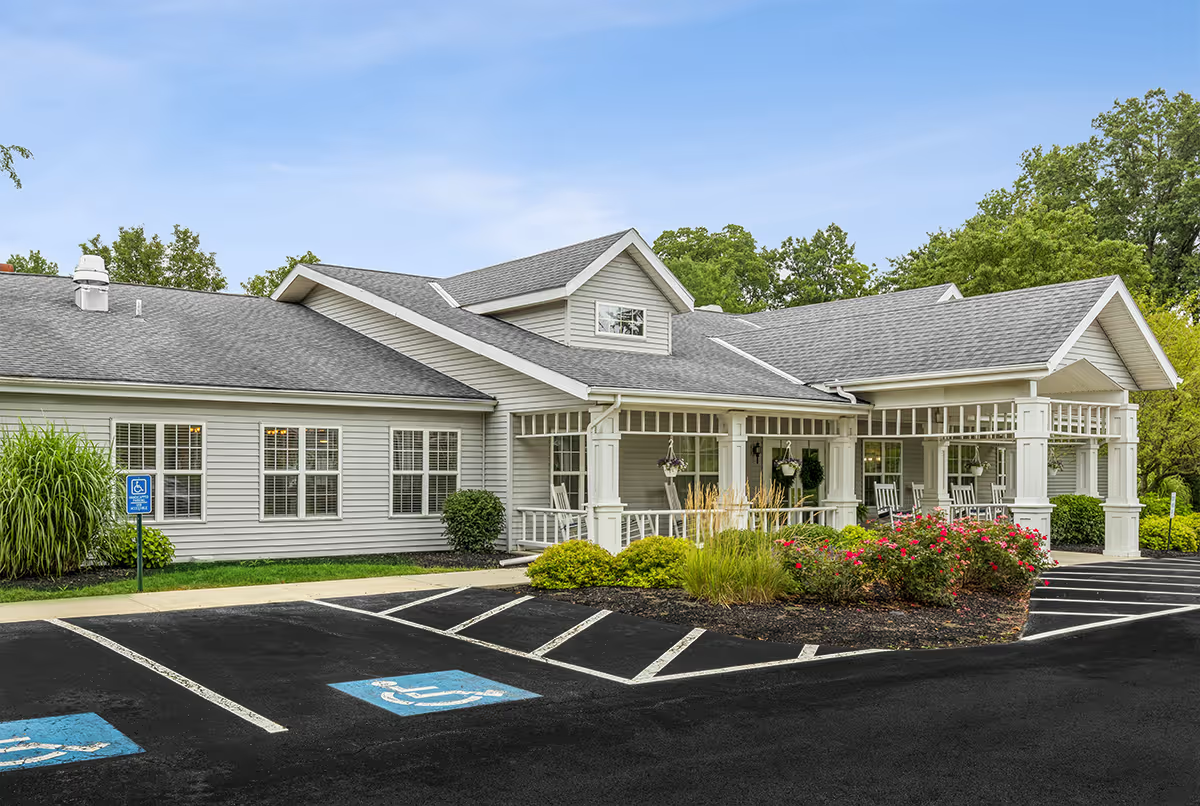
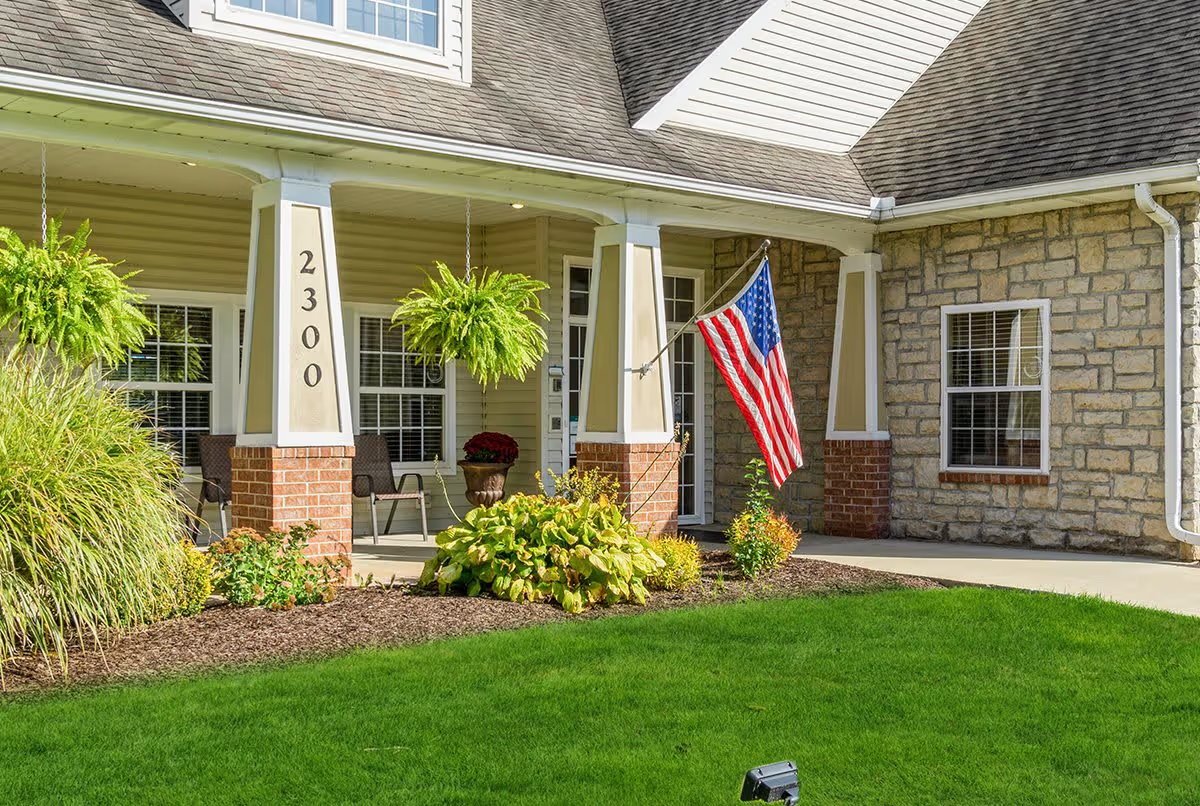
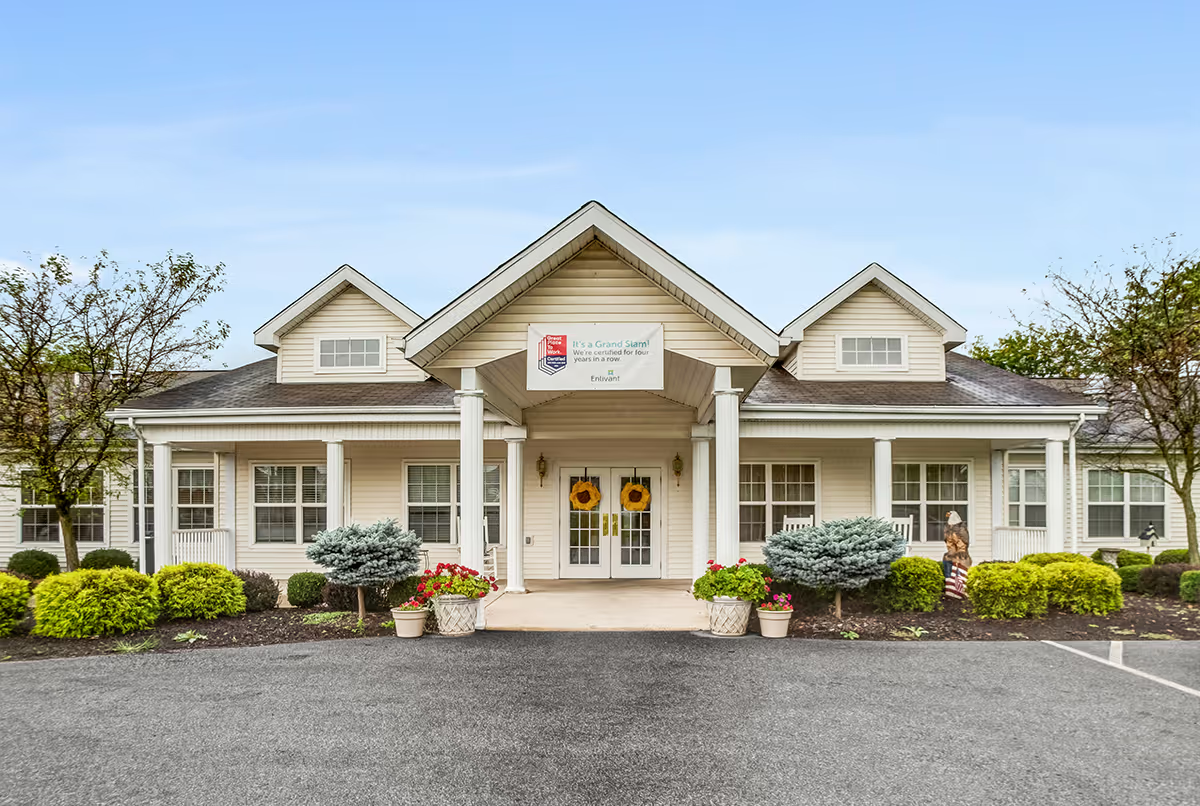
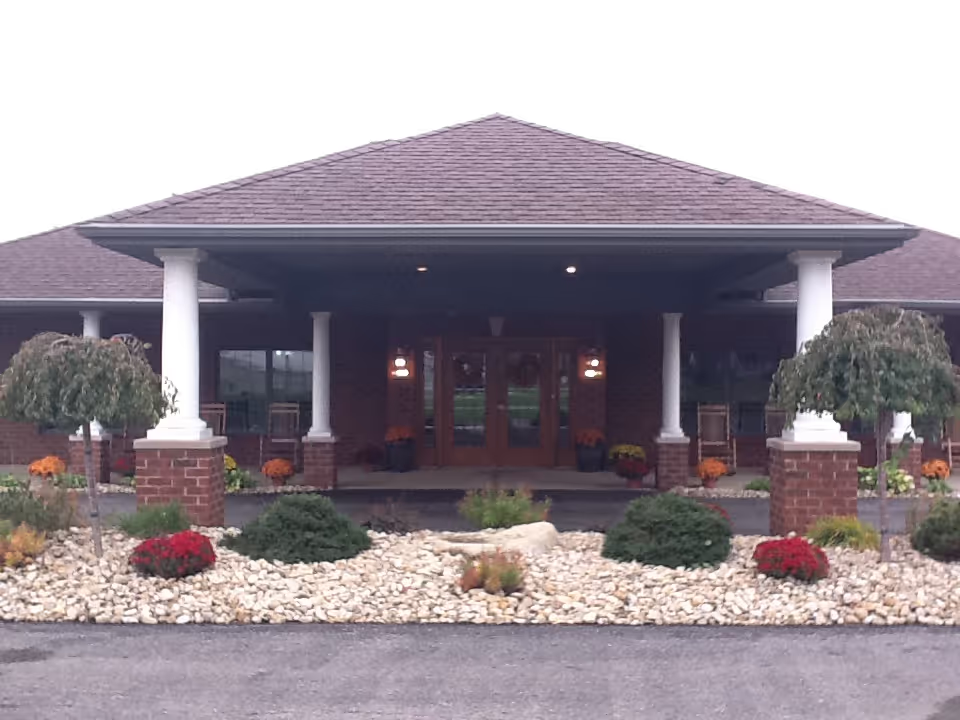
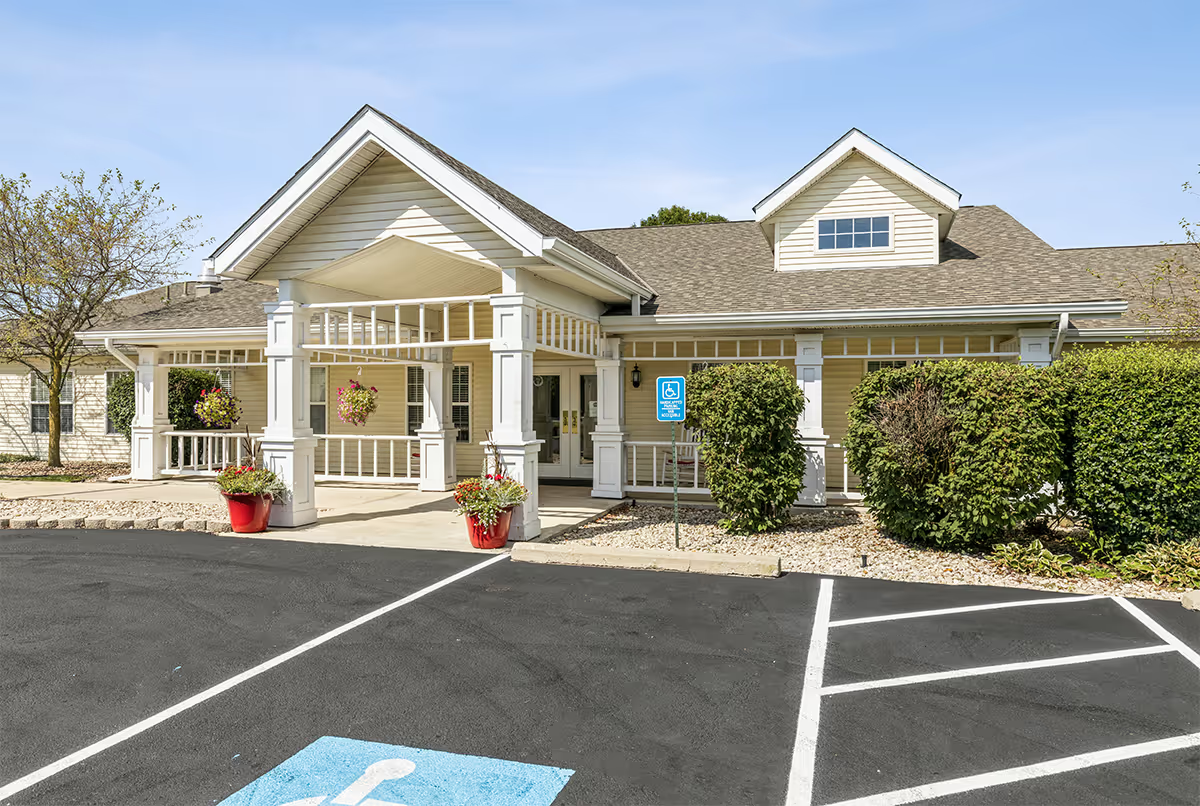
Primrose Retirement Community of Marion receives consistently positive feedback for its physical environment, amenities, and many aspects of frontline caregiving. Reviewers describe a clean, well-maintained facility with modern furnishings, attractive seasonal decorations, and well-kept grounds. The building is noted as large and relatively new, with multiple recreational spaces — for example, a recreation room, movie theater, and an ice cream parlor — and a range of apartment sizes that can suit single occupants through two-bedroom households. Security features and an orderly interior are frequently highlighted.
Staff quality and the overall culture are commonly cited strengths. Numerous comments reference warm, professional, and family-like staff interactions, teamwork among caregivers, and a responsive director of nursing. Many families experience attentive and respectful care, and some explicitly recommend the facility for its staff. At the same time, there are recurring remarks that staff interaction can be more task-oriented or limited outside scheduled activities, which may affect families who prioritize frequent hands-on engagement.
Dining and food quality are a polarizing area. Several reviewers praise an on-site chef and describe excellent meals, while others report poor or inconsistent food experiences. That divergence suggests variability in meal satisfaction across time, shifts, or individual tastes rather than a single, uniform dining profile. Prospective residents should sample meals and ask about menu rotation and accommodations for dietary preferences or restrictions.
Clinical care and service model appear to be adequate for many residents but may not meet the needs of those requiring higher-acuity, hands-on assistance. Comments indicate the community has a recreational focus and delivers safe, organized care for standard assisted-living needs, yet some families felt it was not sufficiently hands-on for more intensive personal care. The facility’s nursing leadership has been described as communicative by several families, but reviewers also raised concerns about limited spontaneous staff availability and variable responsiveness in everyday interactions.
Management and operational concerns are mixed. Positive notes include helpful front-line staff and an appreciative director in some accounts, while other reviewers describe inconsistent management tone, perceptions of insincerity, and reports of poor staff treatment that may relate to elevated turnover. Cost is another consistent theme: several reviewers consider the community relatively expensive for the level of care and services received. Finally, practical considerations such as placement on upper floors were mentioned as a potential accessibility drawback for residents with mobility limitations.
In summary, Primrose Marion appears to offer a clean, safe, and amenity-rich environment with many strengths in hospitality, activities, and visible caregiving presence. Prospective residents and families should weigh the community’s strong social and environmental offerings against mixed feedback on dining consistency, management practices, staffing stability, and suitability for higher-acuity care. A recommended next step is an on-site visit that includes a meal sampling, conversations with nursing leadership about care plans and staffing patterns, and clarification of costs and trial-stay terms to determine fit with the prospective resident’s clinical and social needs.