Overall impression: Reviews describe a facility with significant strengths at the caregiver and therapy level alongside recurring operational concerns. Many families praise the nurses, aides, and therapists for compassionate, family-centered care and for providing meaningful end-of-life support. Therapy and rehabilitation services are frequently described as strong, with attentive follow-up and effective physical/occupational therapy programming. At the same time, several reviewers highlight systemic issues—primarily around management, staffing, and operational priorities—that produce variability in resident experience.
Care and staff: Frontline staff receive consistently positive comments for warmth, compassion, and responsiveness when present. Multiple families described staff who communicated well, treated residents respectfully, and accommodated flexible visitation during final days. Conversely, there are repeated complaints about staffing shortfalls, delayed responses to call lights, and instances of on-shift unprofessional behavior (for example, excessive phone use or curt communication). These operational weaknesses are associated with uneven delivery of care: while some residents receive attentive support, others experience slower service and inconsistent daily care routines.
Clinical practices and safety: Therapy and rehab services are a clear strength and are noted as better than other local options by several families. However, reviewers raised concerns about medication-management practices and pain protocols; in at least one case families questioned the appropriateness of analgesic use. There are also mentions of state-cited deficiencies related to resident-care processes and conduct, which merit follow-up. Overall, clinical quality appears capable and effective in many cases but can be undermined by management and staffing variability.
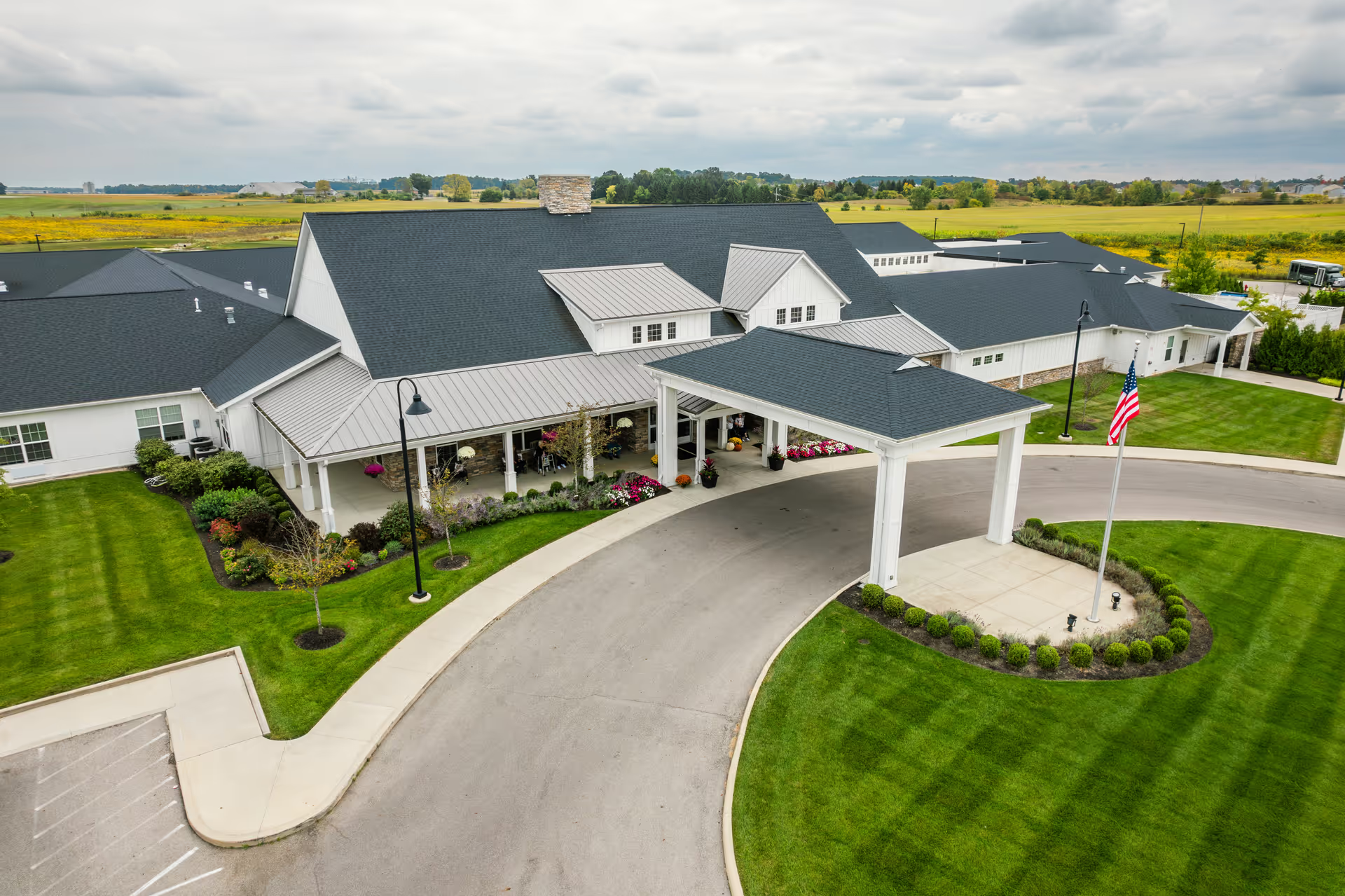
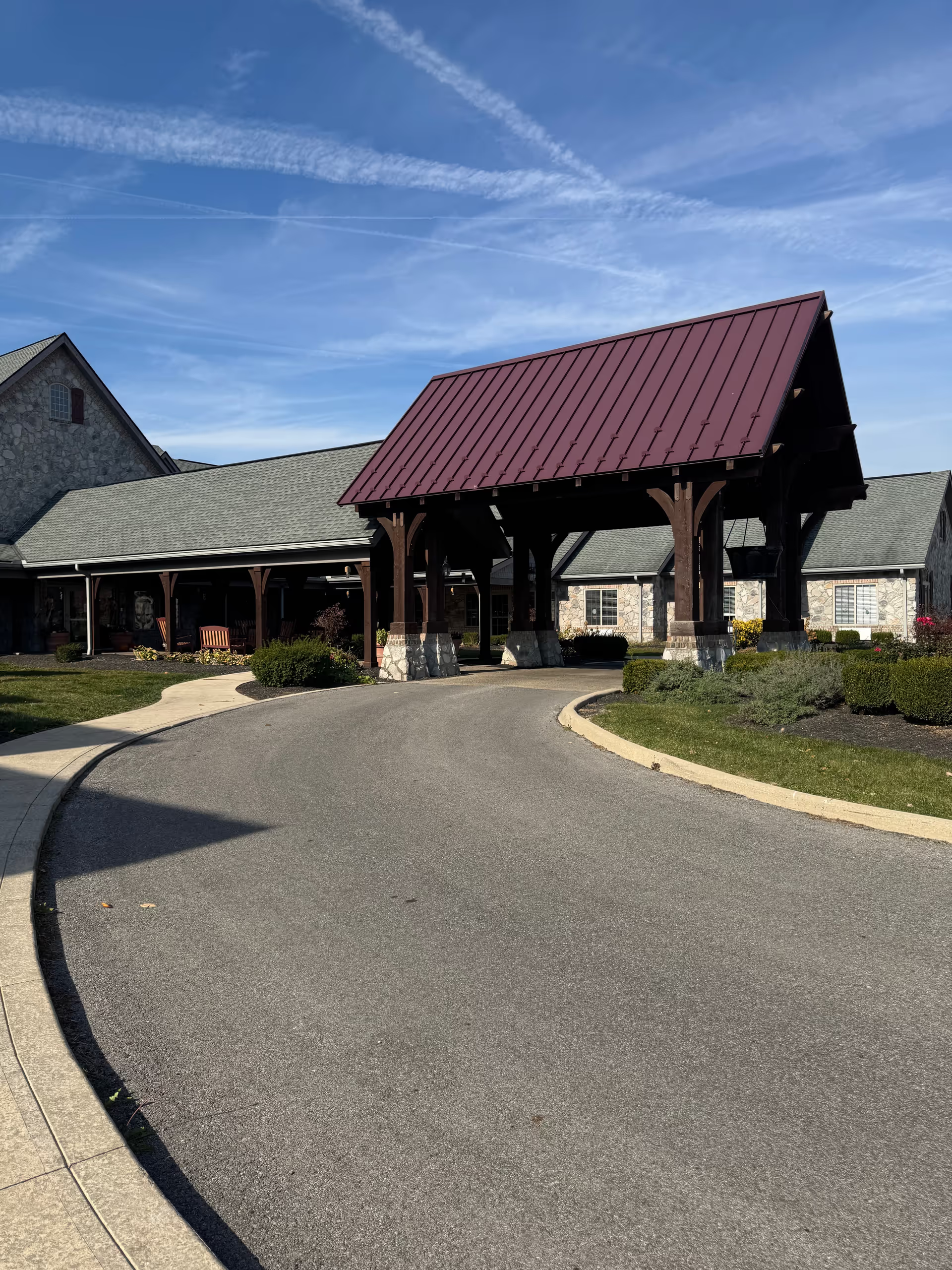
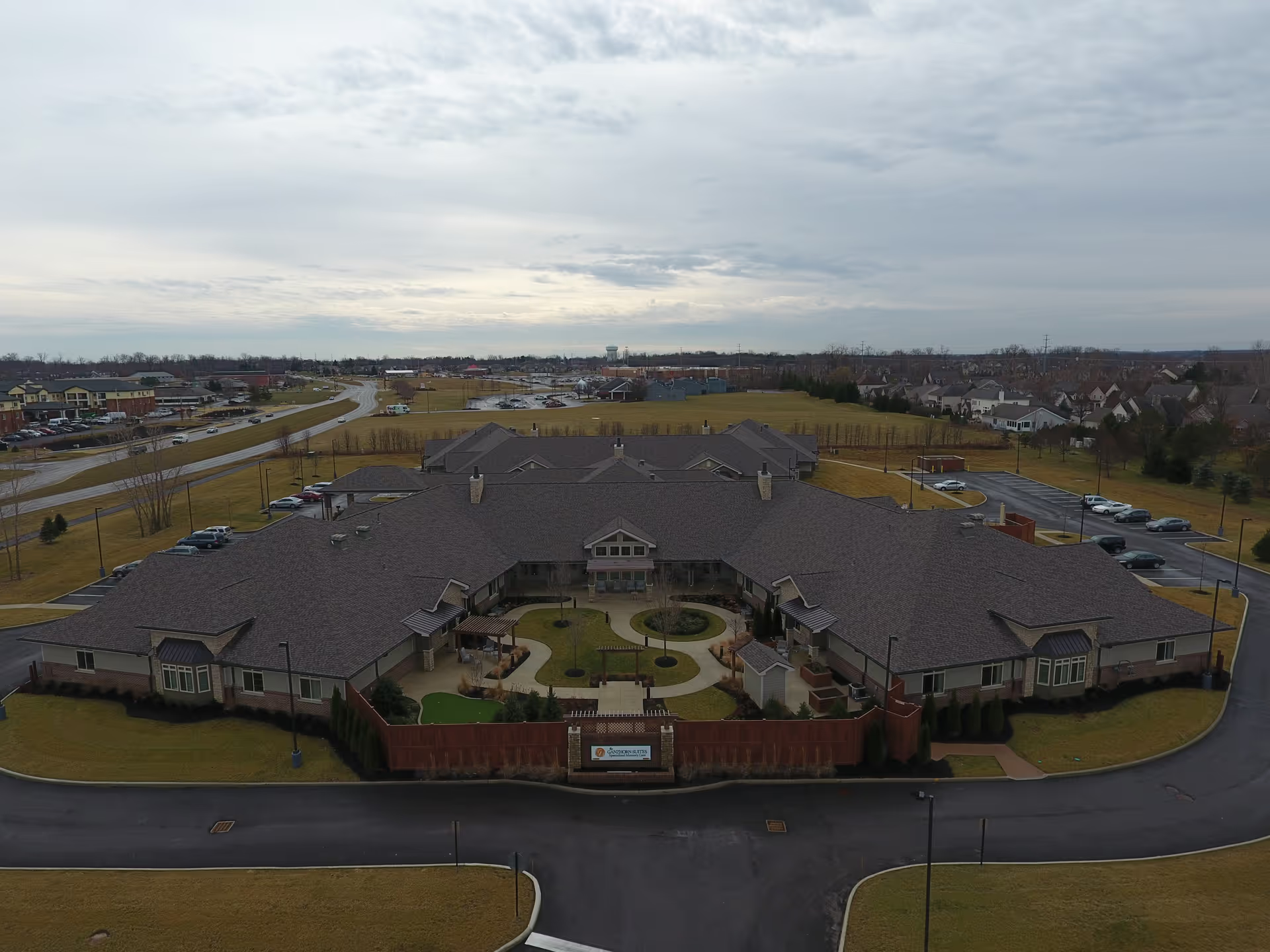
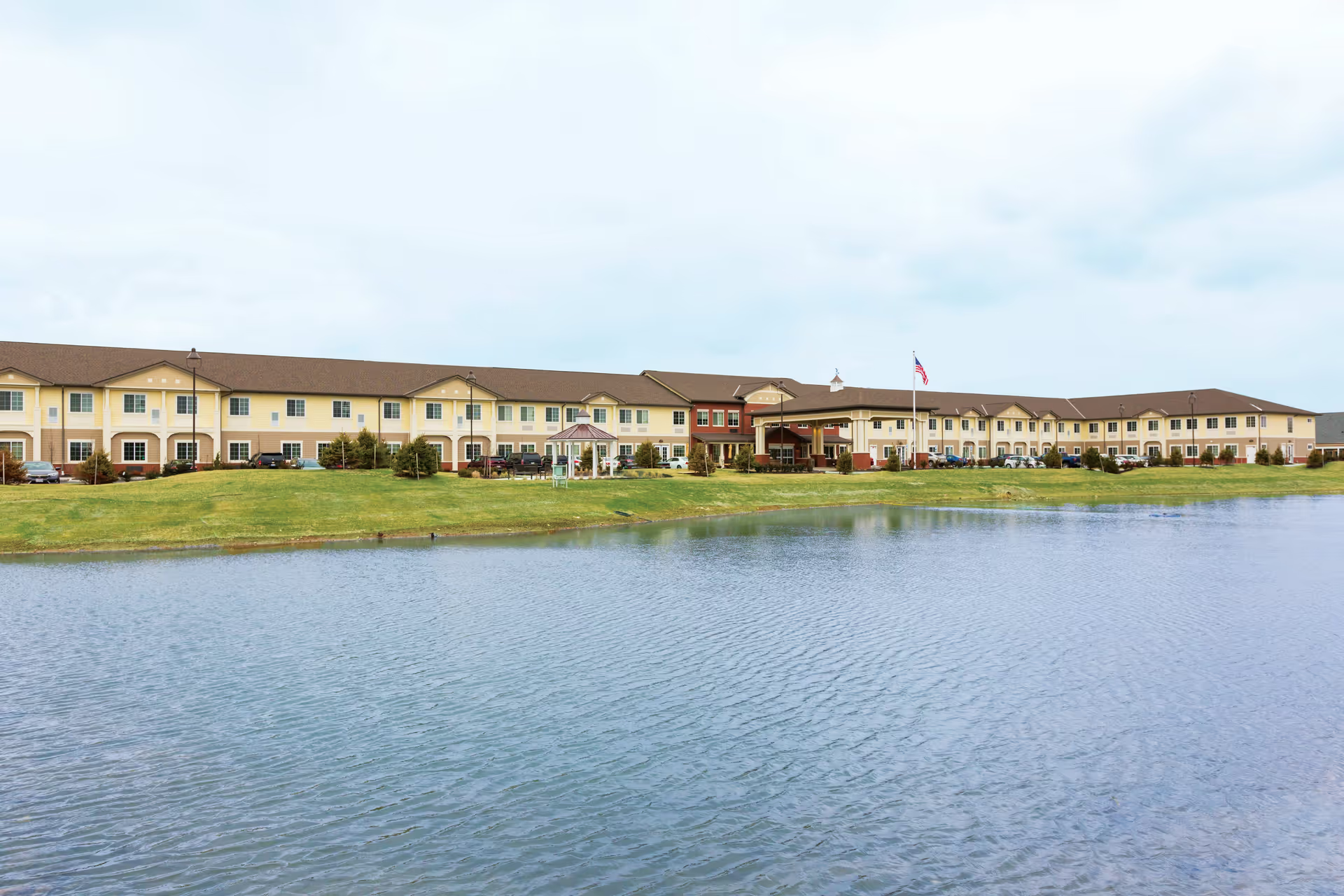
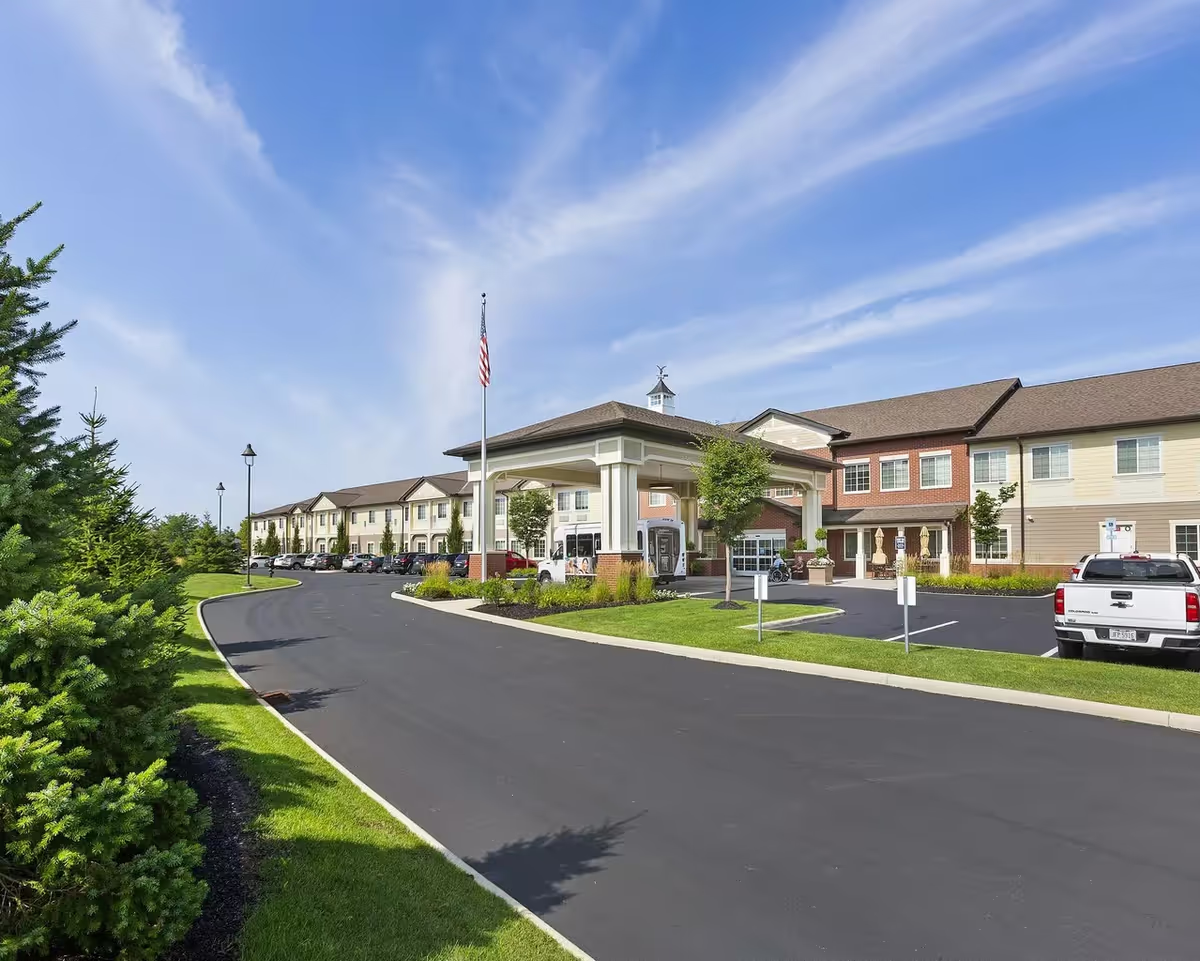
Dining, activities, and environment: Dining is often praised — reviewers mention organic meal options, a proactive chef, and generally positive food quality, though a minority expressed mixed feelings about some meals. The facility offers a variety of activities (music groups, bingo, crafts, visits with children and animals) that families find engaging for residents. Physical environment comments are largely favorable: reviewers note clean, well-maintained rooms and grounds, private rooms with good natural light, pleasant outdoor spaces, and a secure layout that supports visitation.
Management and notable patterns: The most consistent negative theme concerns administration and operational oversight. Families describe unprofessional or unresponsive management, and a perception that operational decisions sometimes prioritize financial considerations over continuity of care. That pattern, combined with staffing variability, appears to drive the uneven experiences described. Given the mix of strong frontline care and recurring operational weaknesses, prospective residents and families should weigh the facility’s clinical and activity strengths against potential variability in daily-care responsiveness and administration. It would be prudent to ask facility leadership about current staffing ratios, recent corrective actions related to any regulatory citations, medication-management protocols, and mechanisms for family communication before making a placement decision.