The reviews for Majestic Care of Cedar Village present a mixed picture. Many families and residents praise the facility’s strengths: a broadly compassionate care team, a well-regarded rehabilitation department, a rich calendar of activities, and attractive grounds and recently updated resident rooms. Cultural and religious supports — including Russian-language programming and on-site kosher oversight — are noted as meaningful assets for specific populations. Multiple accounts describe attentive housekeeping, convenient laundry services, a well-equipped fitness area and pool, and an active community atmosphere that contributes positively to residents’ daily lives.
At the same time, recurring operational weaknesses appear across reviews. Staffing shortages and turnover are a persistent theme, and reviewers link understaffing to long waits for assistance, delayed checks, limited showers, and variable staffing coverage at nights and on weekends. Several reviewers described inconsistent clinical practices, including medication-administration errors, missed appointments, and gaps in documentation. A subset of families raised serious clinical concerns — including wound development and infections — and there are reports raising concerns following a resident’s death; these accounts indicate a need for robust clinical oversight and clearer family communication around adverse events.
Dining and foodservice receive highly mixed feedback. Positive comments reference good kosher options and plentiful meals, but many reviewers described cold or low-quality meals, limited breakfast choices, frequent menu substitutions, and use of disposable packaging that affected meal presentation. Operational issues such as meals running out or being served late were cited and appear tied to kitchen processes and staffing. Families interested in culinary standards should ask about current meal staffing, menu rotation, and accommodations for specific diets.
The facility’s activities and social programming are widely regarded as a strength. Reviewers describe diverse offerings — concerts, craft days, holiday parties, clubs and faith-based services — and many families felt these programs supported social engagement and quality of life. Rehab-focused activity and therapy were often singled out as effective and well-managed, contributing to positive short-term rehab outcomes for many residents.
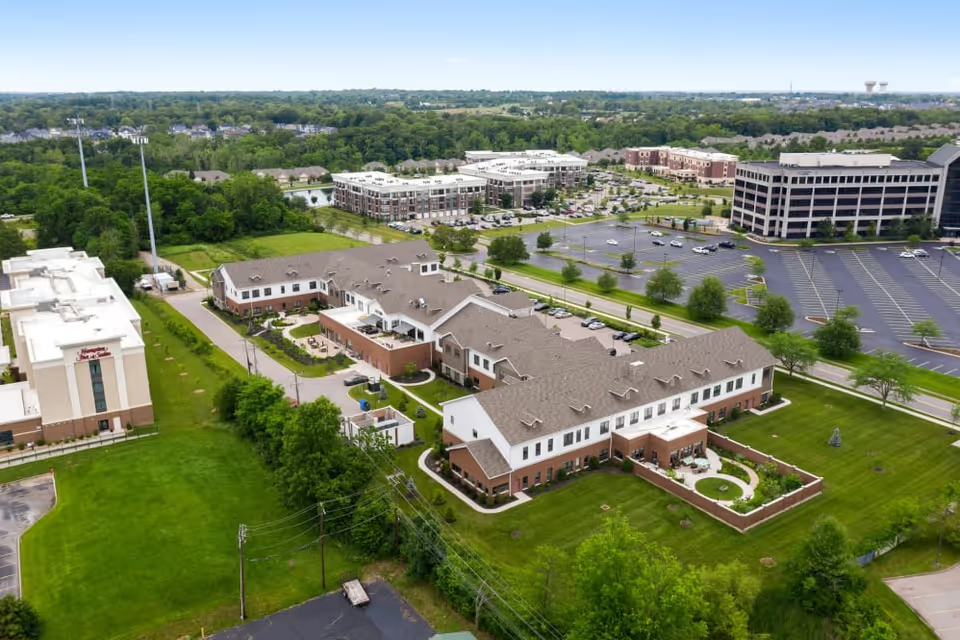
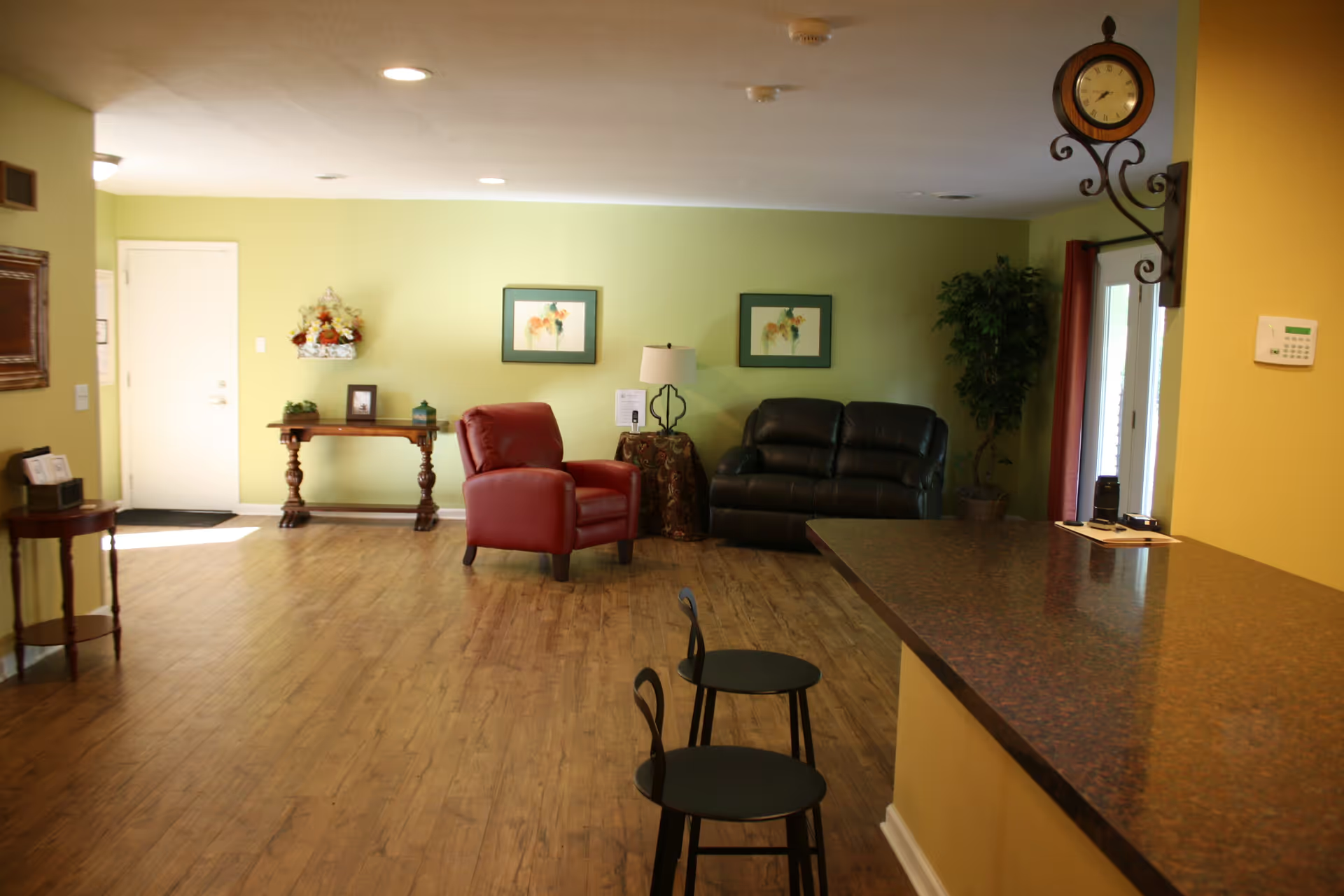
Facility condition and maintenance feedback is mixed. Several reviewers praised recent remodeling, clean public spaces, and well-kept landscaping. Others reported sanitation and pest-control concerns in parts of the building, issues with heating and environmental controls, and isolated maintenance hazards such as uneven flooring or unsecured gates. These divergent observations suggest variability by unit or over time; prospective families should inspect specific units and ask about recent maintenance logs and pest-control measures.
Management and communications present another area of mixed impressions. Multiple reviewers described operational disorganization, inconsistent responses to family concerns, and opaque billing or admissions experiences; an allegation of pressure-based grant/sales practices was also reported. Conversely, other accounts praise recent leadership changes and improvements in onboarding and responsiveness. Given this variability, families are advised to inquire about staffing ratios, incident-reporting procedures, medication-safety protocols, recent leadership changes, and how the facility manages transitions for higher-acuity residents.
Bottom line: Cedar Village appears to offer strong rehabilitation services, robust social programming, cultural supports, and caring staff in many situations. However, persistent issues with staffing levels, responsiveness, meal consistency, clinical oversight, and selective maintenance/cleanliness concerns create variability in resident experience. Prospective residents and families should tour the specific unit being considered, meet clinical leadership, review current staffing and safety metrics, and ask for written clarification of admissions, billing, and incident-reporting policies before committing.