Overall impression: The Christian Village at Mason is frequently described as a warm, well-maintained senior community with a strong emphasis on therapeutic services, communal life, and grounds upkeep. Many families and residents praise the compassionate demeanor of clinical and support staff, continuity of therapy, and a wide range of activities and faith-based programming. Physical spaces such as the chapel, exercise rooms, coffee shop, and gardens are consistently noted as strengths, and recent investments in a new rehab area and garden apartments reinforce the community’s continuum-of-care positioning.
Care and staff: Reviewers commonly highlight attentive nursing, skilled therapists, and family‑oriented leadership that emphasizes resident comfort. Numerous comments reference staff who go beyond expectations to assist residents and foster a familial environment. At the same time, there is variability in staff conduct and responsiveness: some families describe cold or unempathetic interactions and gaps in bedside attention. More serious clinical concerns include inconsistent medication administration processes and issues with communication around end-of-life care; these have been cited alongside examples of strong clinical performance, indicating uneven execution rather than uniform practice.
Dining and nutrition: Dining receives generally positive feedback for menu variety and food quality, with several mentions of excellent lunch service and an expansive restaurant-style menu. However, there are operational gaps in accommodating specific dietary preferences and textures for residents with swallowing or chewing needs, and the cafeteria-style service is not preferred by all households. Family members have also noted occasional mismatches between documented preferences and meal service, suggesting opportunity to strengthen preference-tracking and meal preparation protocols.
Activities and programming: Programming is a clear strength. The community offers a wide range of social, religious, and therapeutic activities — including concerts, Alzheimer’s support, fitness classes, and regular chapel services — that contribute to an active campus life. Residents and visitors emphasize the lively calendar and strong peer relationships, which many describe as a major contributor to quality of life.
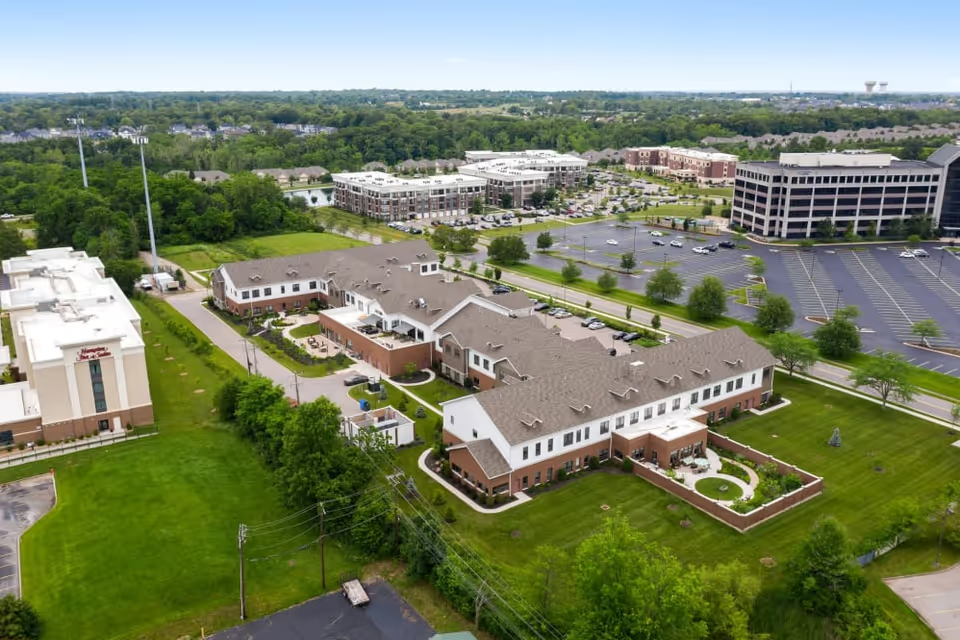
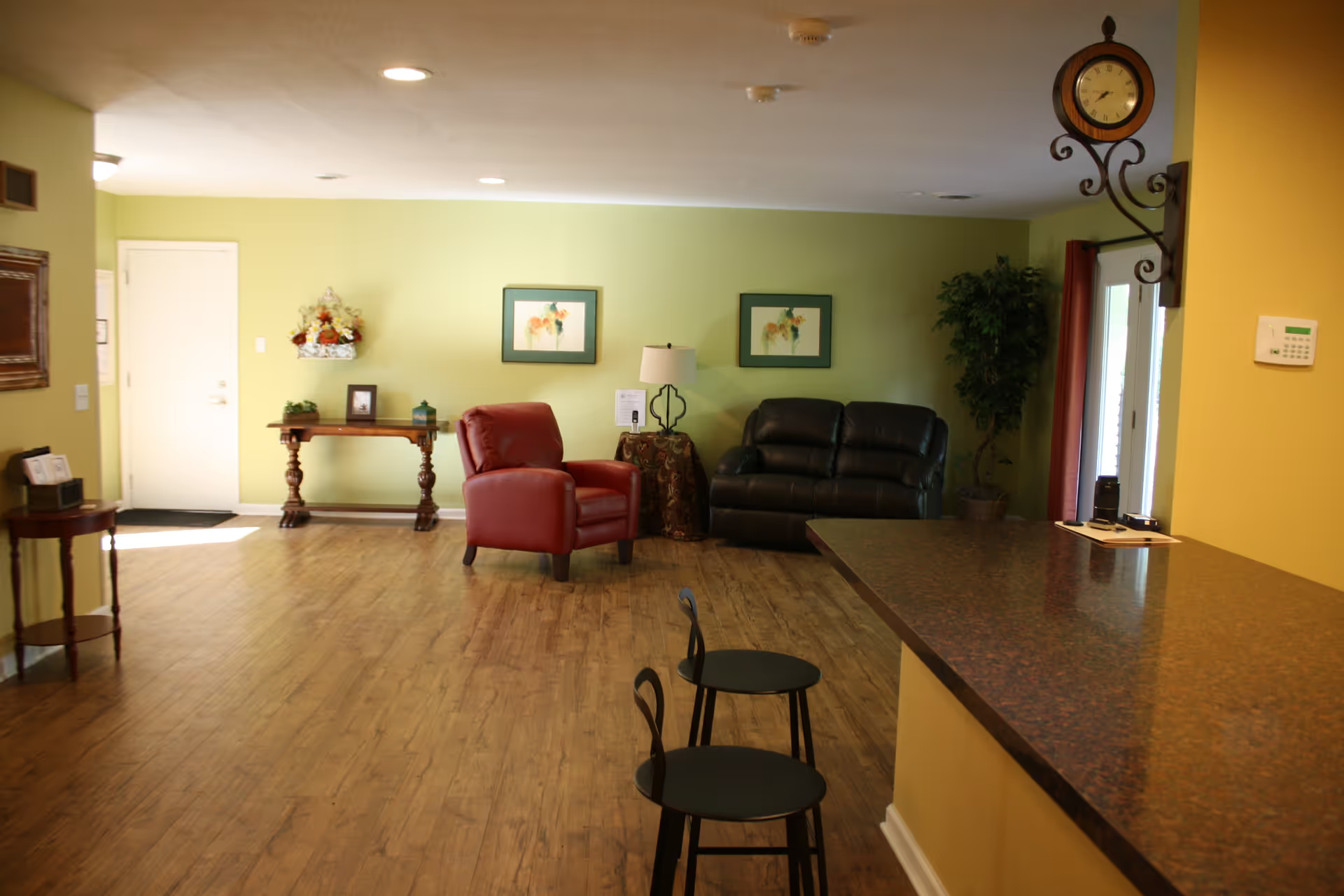
Facilities and accessibility: Facilities and grounds are repeatedly characterized as clean, attractive, and well cared for; maintenance responsiveness is cited positively. The campus configuration, however, creates practical access challenges for some residents, especially between independent cottages and the main building during winter or rainy conditions. Additionally, some parts of the campus show their age: reviewers mention darker rooms, smaller room sizes in certain units, and limited private rooms within the rehab area, which may affect privacy and accommodation choices for prospective residents.
Management and operations: Leadership is generally seen as resident-focused, with an emphasis on improving services and avoiding unnecessary transfers off-campus for short-term rehab. Maintenance and hospitality functions earn consistent praise for promptness. Conversely, the facility exhibits operational inconsistencies in staffing, communication, and policy enforcement. Specific policy areas — including medication protocols, hospice-related medication handling, visitation/consumption rules, and the community’s faith-based orientation — have been perceived as restrictive by some families. Availability is another operational constraint: a long waiting list and occasional room shortages were noted.
Notable patterns and takeaways: The dominant pattern is one of a community that offers strong therapeutic services, active programming, and a well-maintained environment, supported by many staff who are described as compassionate and capable. However, experiences are inconsistent in key operational areas: personal-care responsiveness, medication practices, communication with families, and physical accessibility between campus elements. Prospective residents and families should weigh the facility’s robust programming and maintenance strengths against these variability risks, and consider targeted questions during a tour about staffing patterns, policy details (medication and hospice), room availability, and how dietary and incontinence-care preferences are documented and honored.