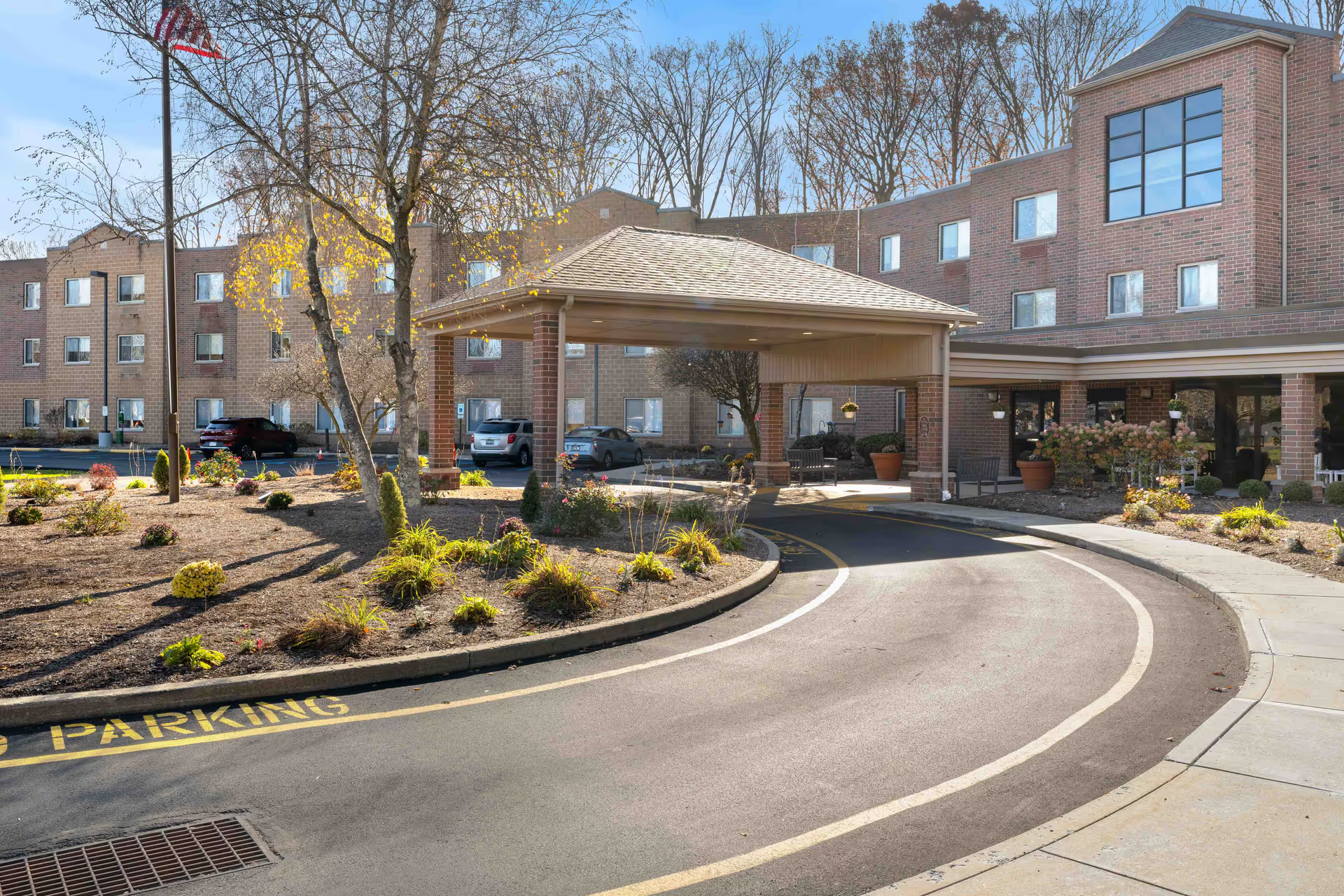
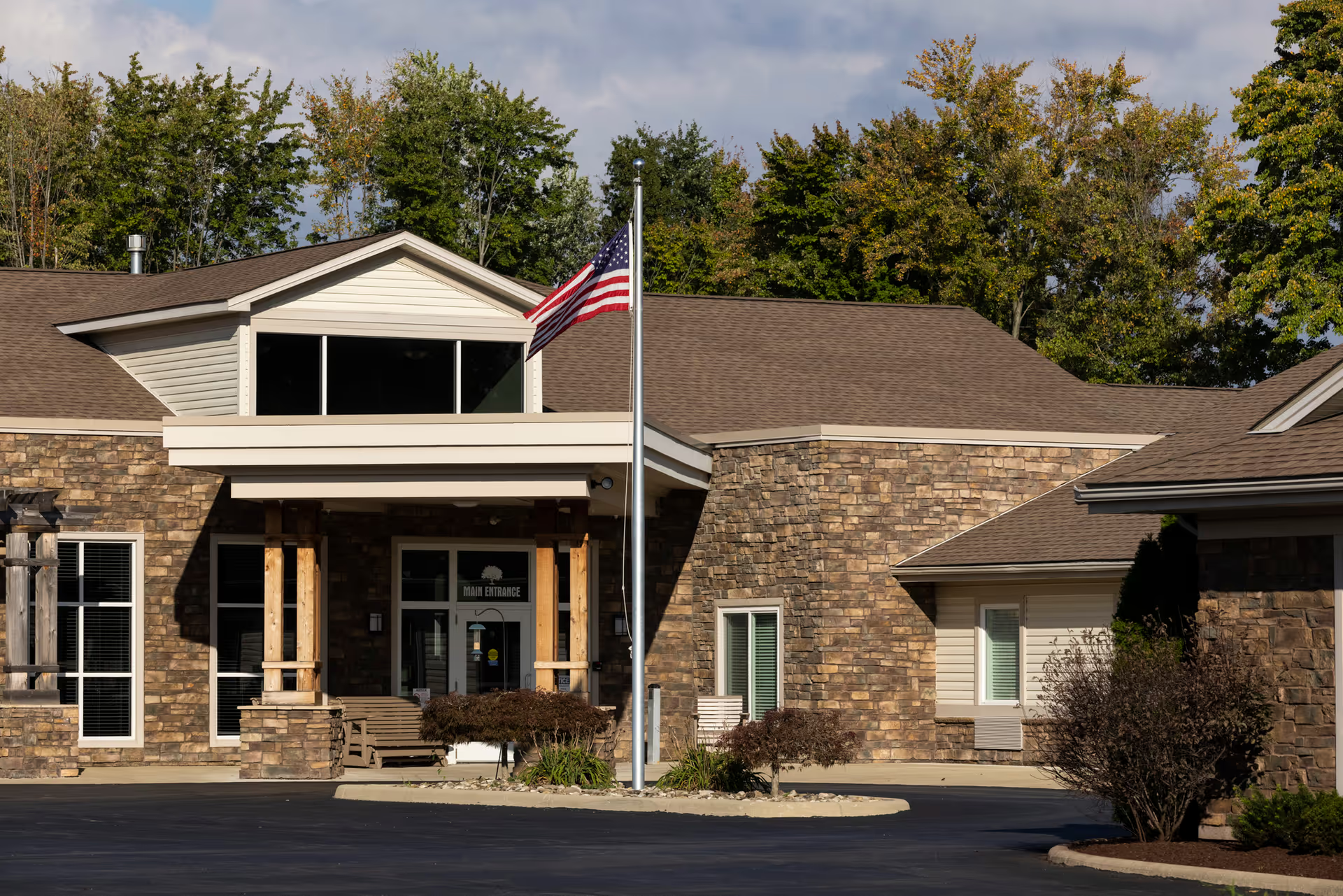
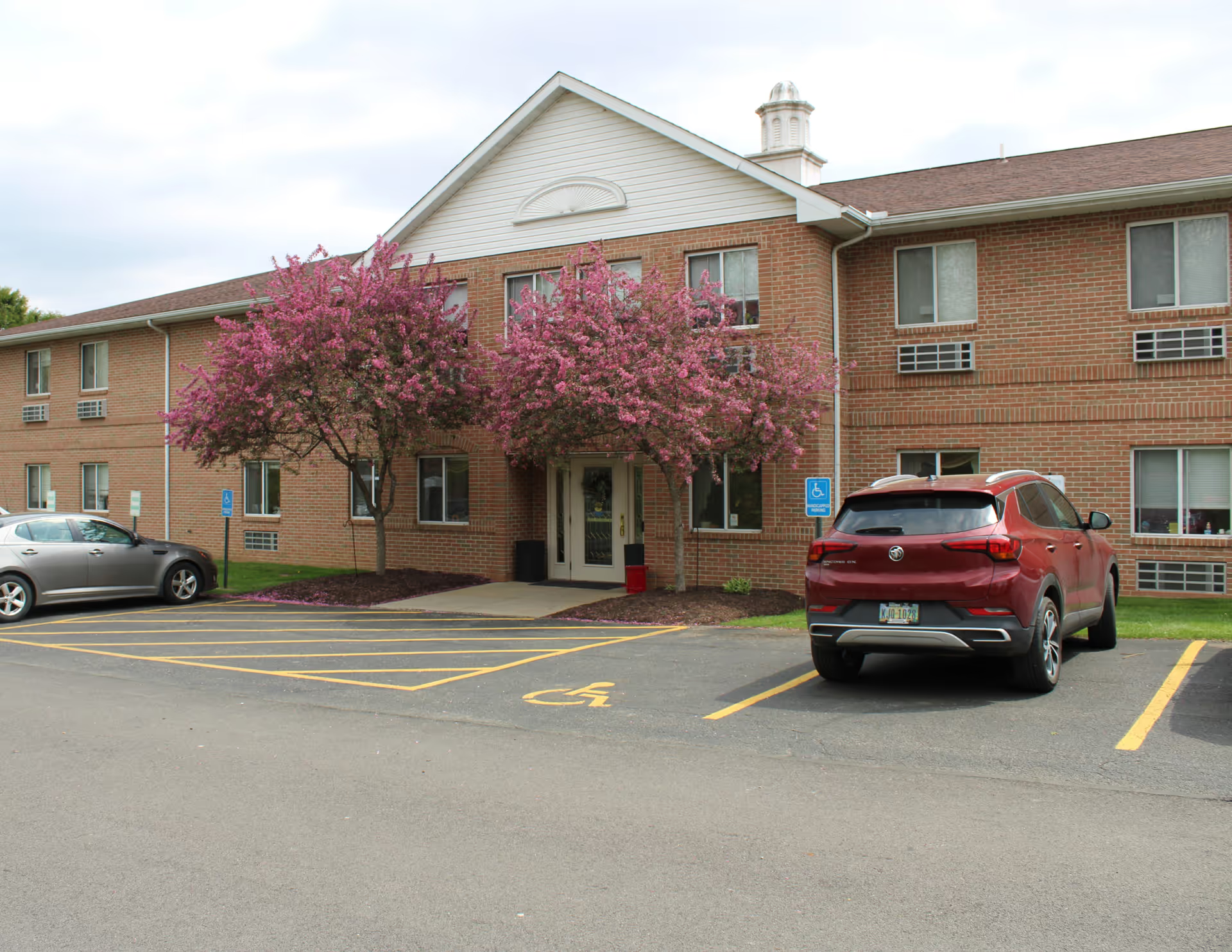
Reviews for Windsor House at O'Brien Memorial are strongly polarized: a substantial group of families praise the staff, therapy, cleanliness, and family communication, while another group describes significant clinical and operational concerns. Positive comments emphasize compassionate frontline caregivers, effective rehabilitation for some residents, coordinated hospice involvement, and responsive management communication during difficult periods such as COVID-19 lockdowns. Many families describe a warm, family-like atmosphere supported by attentive aides, helpful housekeeping and laundry services, and bright, well-maintained communal spaces.
At the same time, there are recurring clinical and operational themes that warrant caution. Several accounts describe inconsistencies in medication management and concerns about how medications are administered or prescribed. Reviewers also point to staffing levels that appear insufficient at times, which they link to slow response to call lights and delays in routine care. Multiple notes raise issues with escalation and transfer processes for acute events — including delays or disagreements about hospital transfer — suggesting gaps in clinical assessment and escalation protocols.
Care-process weaknesses extend to rehabilitation and discharge planning for some residents. While physical therapy and rehab are praised in many cases, other families report missed or curtailed therapy, inadequate discharge guidance, and a lack of timely referrals or medication refill coordination. Relatedly, reviewers express concerns about incontinence-care practices and turning protocols for higher-dependency residents, with some indicating pressure points when residents require more intensive assistance or specialized equipment (for example, tracheostomy suction needs).
Facilities and dining impressions are mixed. Multiple reviewers commend general cleanliness, helpful housekeeping staff, and pleasant grounds, but a subset describe room-level sanitation and odor concerns, broken or poorly maintained equipment, and inconsistent food quality. Staff conduct and communication also vary: numerous families describe kind, communicative nurses and aides, while others report brusque or unresponsive interactions, including difficulties working with social-work staff in discharge or care-planning conversations.
In sum, Windsor House demonstrates clear strengths in interpersonal caregiving, certain therapy services, and facility upkeep in many areas. However, the pattern of inconsistent clinical oversight, staffing pressures, lapses in acute-care escalation, and variable room-level sanitation suggests that prospective residents and families should perform targeted due diligence. Recommended topics for in-person inquiry include current staffing ratios and shift turnover, medication-management and escalation protocols, rehabilitation scheduling and discharge planning processes, incontinence- and turning-care procedures, and policies for handling higher-dependency residents and transfers to acute care.