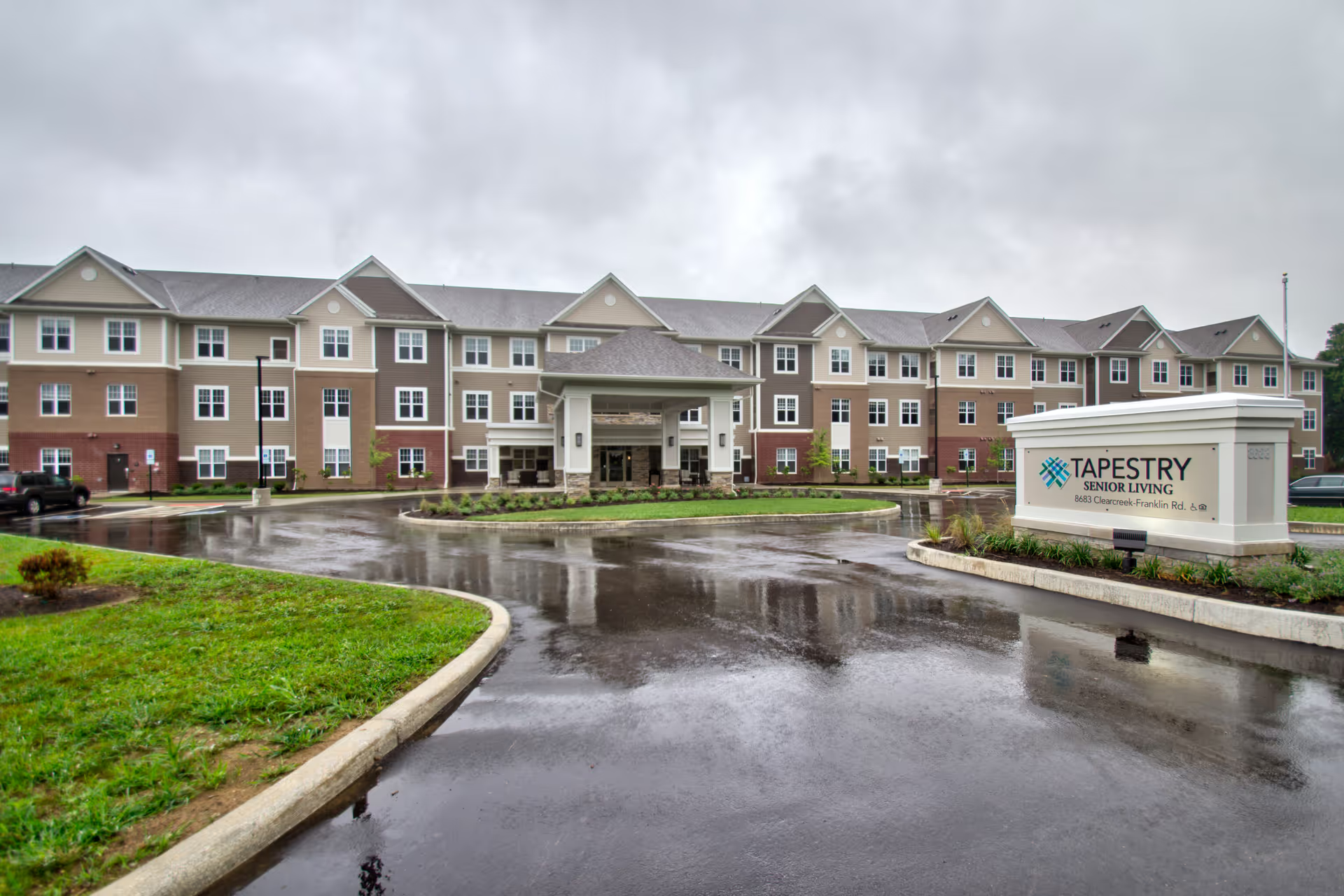
Overall impression: Arlington Pointe is described as a clean, modern rehabilitation and skilled nursing facility with a strong therapy focus and many staff members praised for compassionate, person-centered care. The facility's physical environment, including bright common areas and comfortable rooms, is consistently noted as an asset. Its rehab program, equipment, and therapy staff receive frequent positive remarks, and several families described good discharge planning and Medicare/insurance compatibility.
Care quality and staff: Many reviews highlight dedicated nurses, therapists, and aides who provided attentive, respectful care and strong emotional support for residents and families. At the same time, there is a recurring pattern of inconsistent staffing levels that manifests as slow responses to call lights, delayed assistance, and variability in bedside care. Some reviewers experienced reliable, proactive communication from clinicians, while others reported poor follow-up and difficulty reaching staff. Concerns about medication-management practices — including timing and coordination with pharmacy/insurance — appear across multiple accounts and are an operational pattern worth inquiring about.
Dining and activities: The facility benefits from on-site meal preparation and a generally varied menu; several families praised prepared meals and an active social calendar with meaningful activities. However, meal delivery consistency and food temperature are cited as uneven: families should review current dining practices and observe a mealtime during a tour. Activity offerings and socialization are commonly described as robust, supporting resident engagement and recovery.
Facilities and safety: The physical plant receives strong marks for cleanliness, maintenance responsiveness, and comfortable room layouts. Conversely, reviewers raise safety-related operational concerns such as transfer and lift procedures, delayed assistance that can affect toileting and personal-care needs, and occasional infection-control lapses. These items suggest variability in implementation of clinical protocols rather than universal systemic failure.
Management and administrative processes: Several comments indicate administrative strengths in discharge coordination and therapy placement, while others describe problematic admissions processing and insurance paperwork errors that affected coverage. There are also consistent perceptions by some families that management places heavy emphasis on occupancy and revenue, which they feel can influence clinical decision-making. There are isolated allegations of coercive discharge threats and mishandling of personal belongings after a resident's death; such serious claims warrant direct follow-up with facility leadership and review of incident documentation if relevant to a prospective placement.
Notable patterns and guidance: Prospective residents and families are likely to find excellent rehabilitation services, compassionate clinicians, and a modern facility at Arlington Pointe. At the same time, expect variation in frontline responsiveness and operational consistency. When evaluating the facility, consider asking about average staffing ratios by shift, call-light response-time metrics, medication-administration protocols, lift/transfer training, infection-control practices, and admissions/insurance verification procedures. Observing a mealtime and speaking directly with therapy staff and unit nurses during a tour can help assess how the facility's strengths and operational gaps will affect an individual resident's needs.