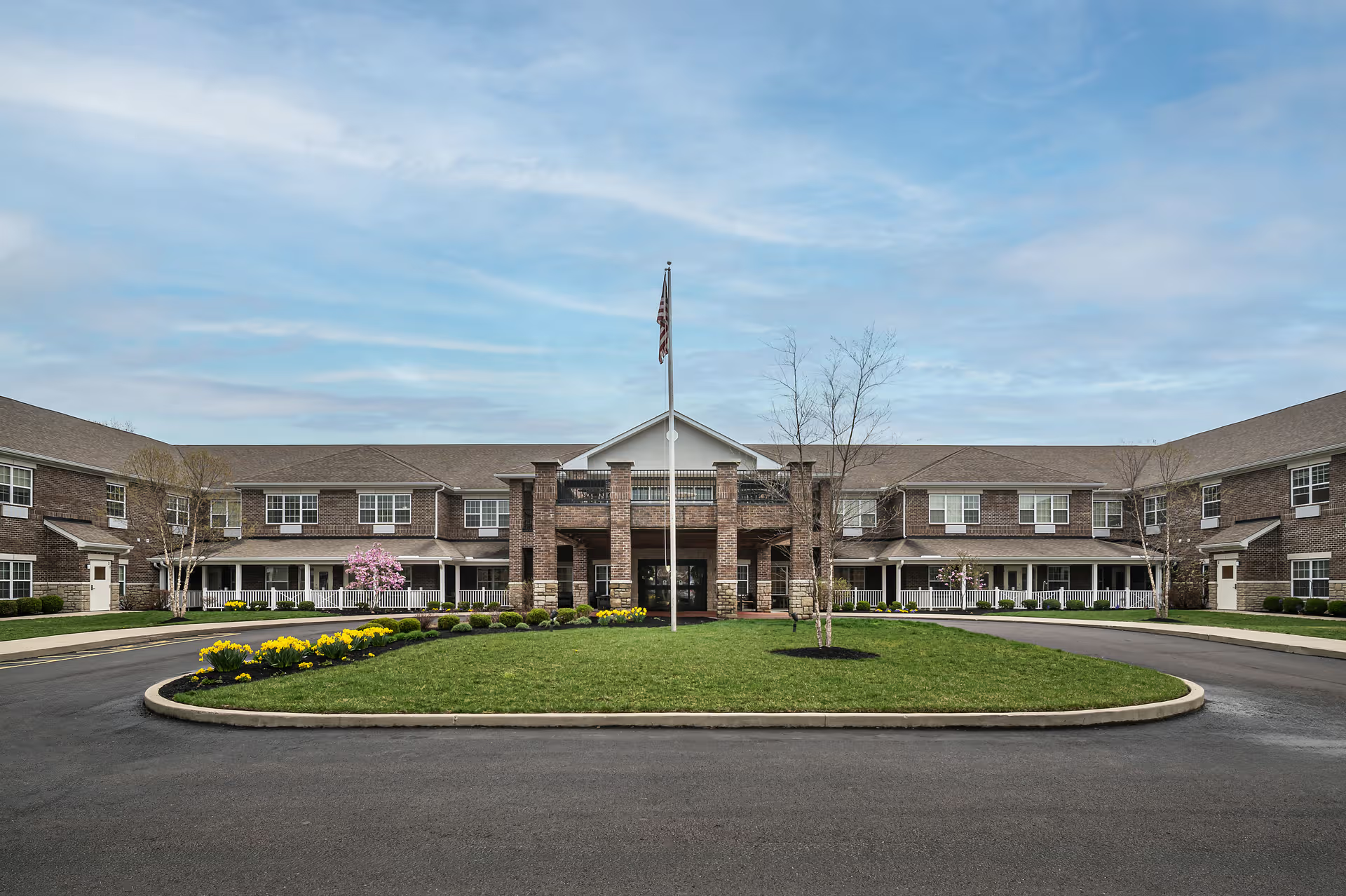
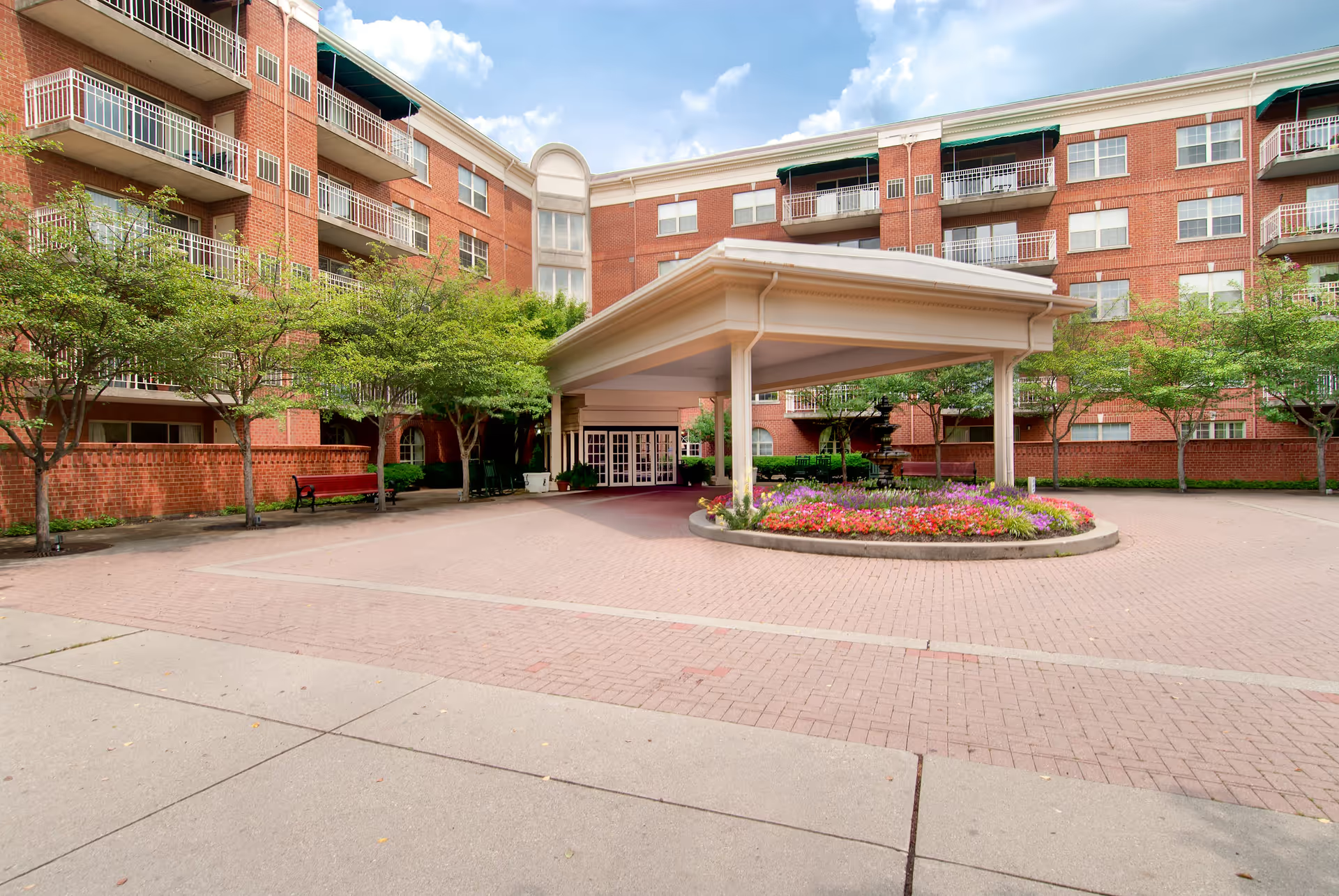
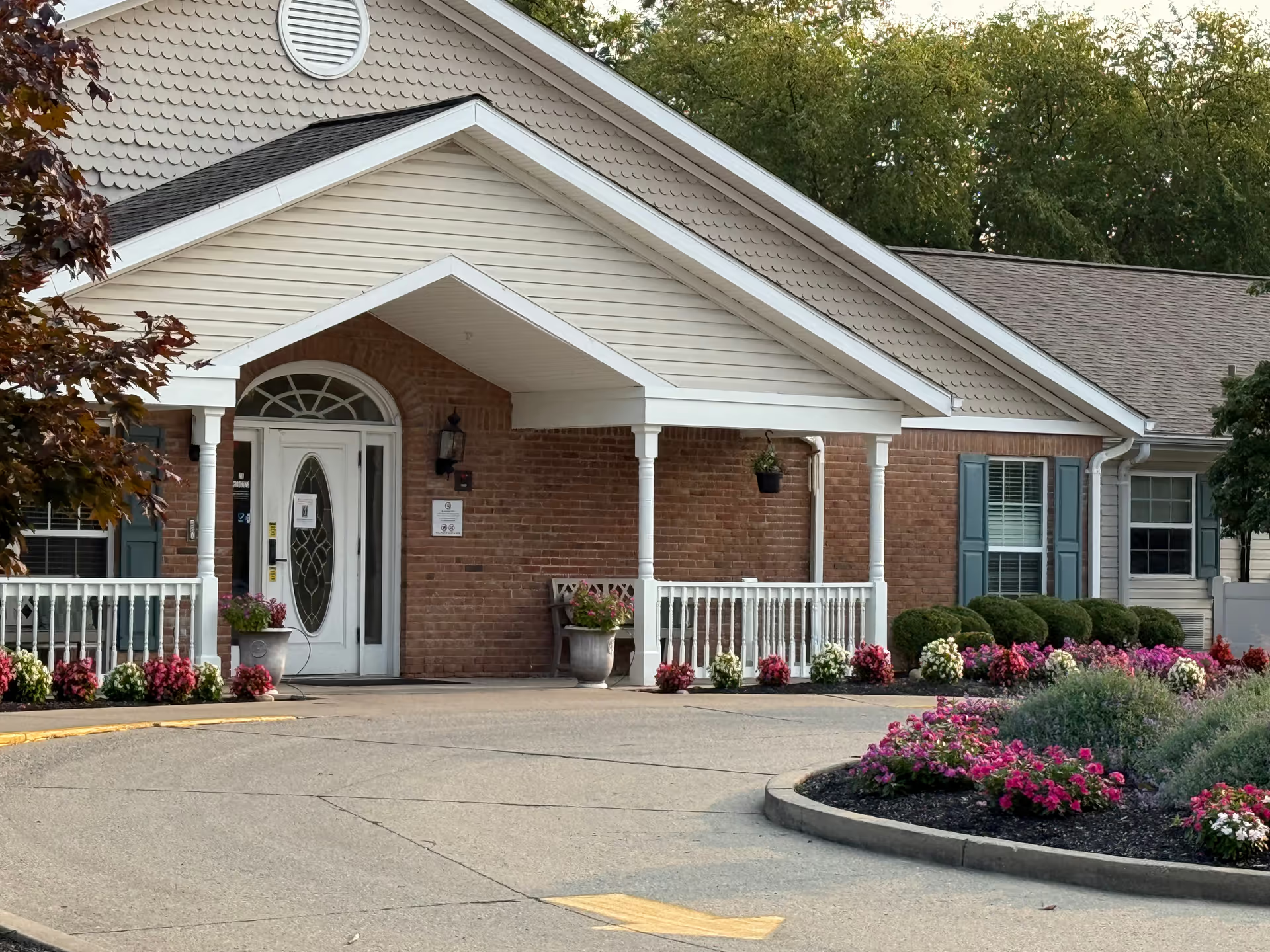
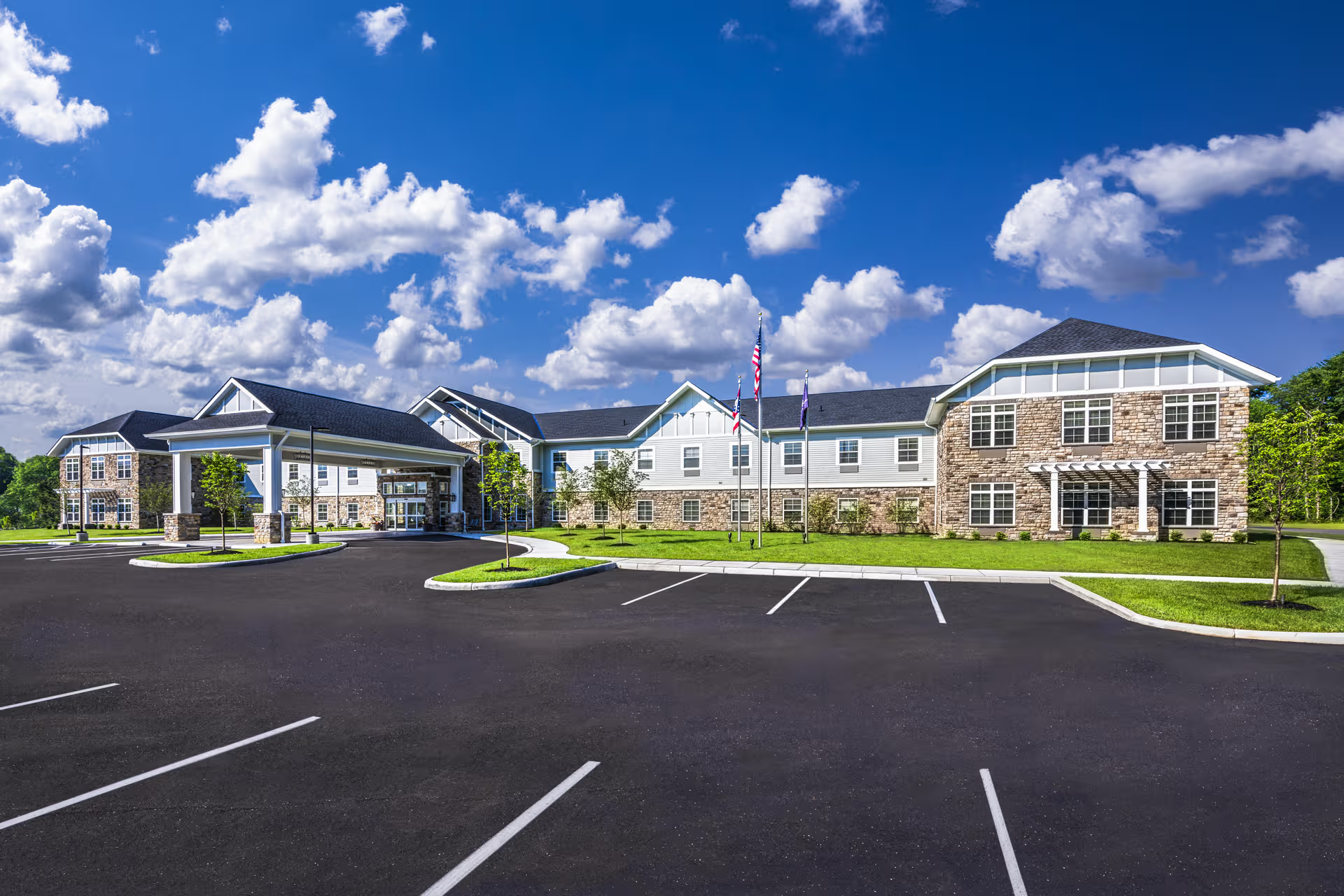
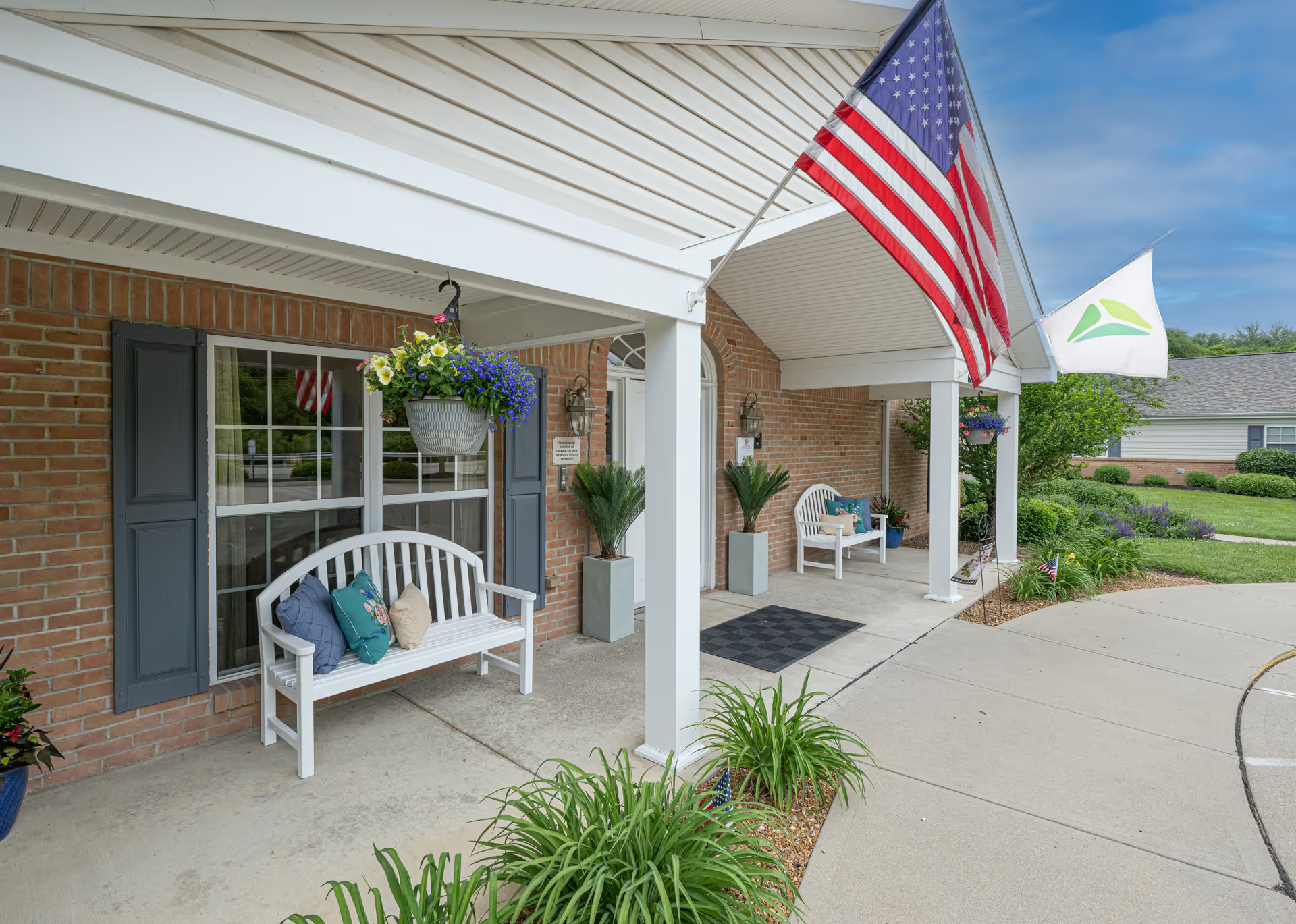
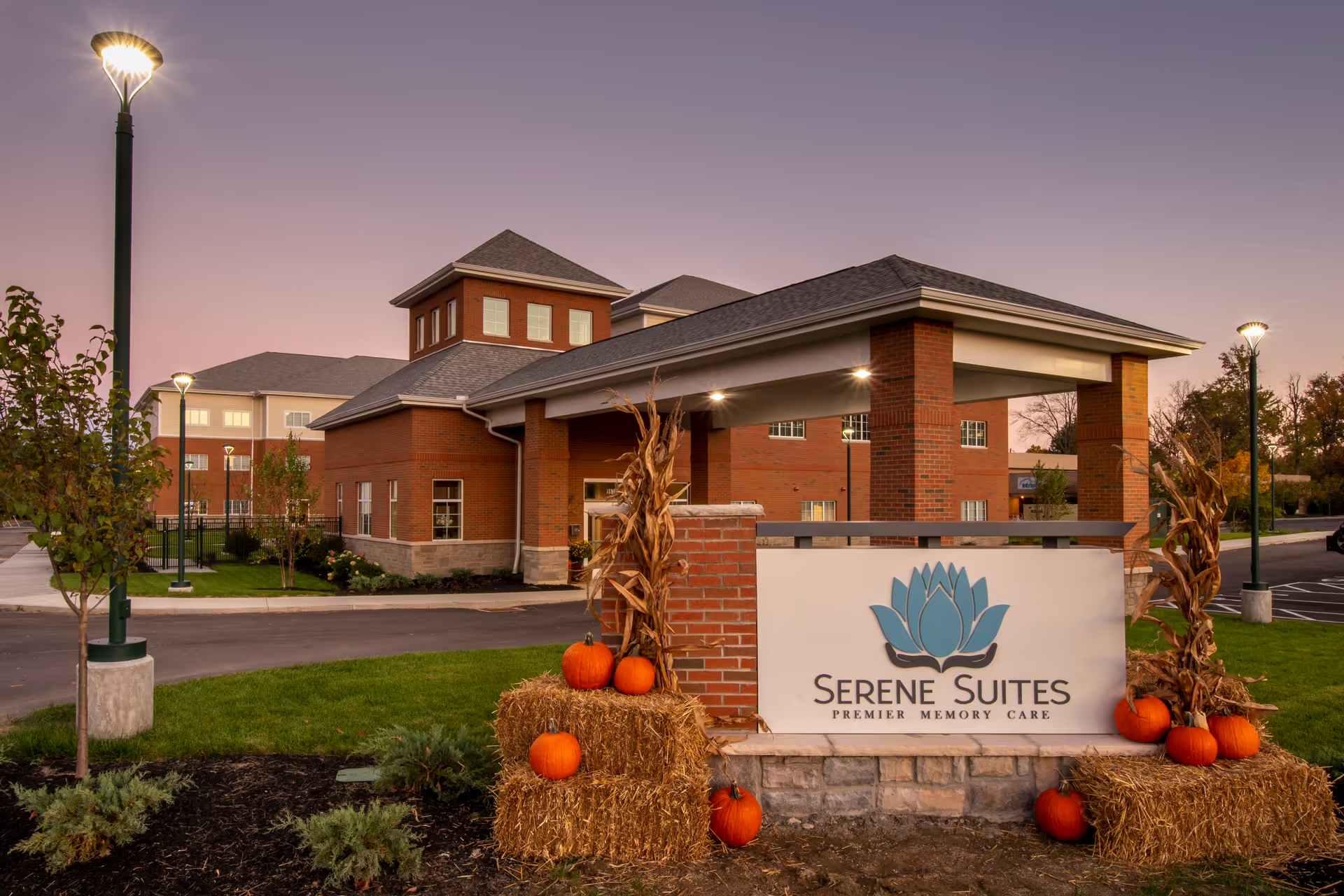
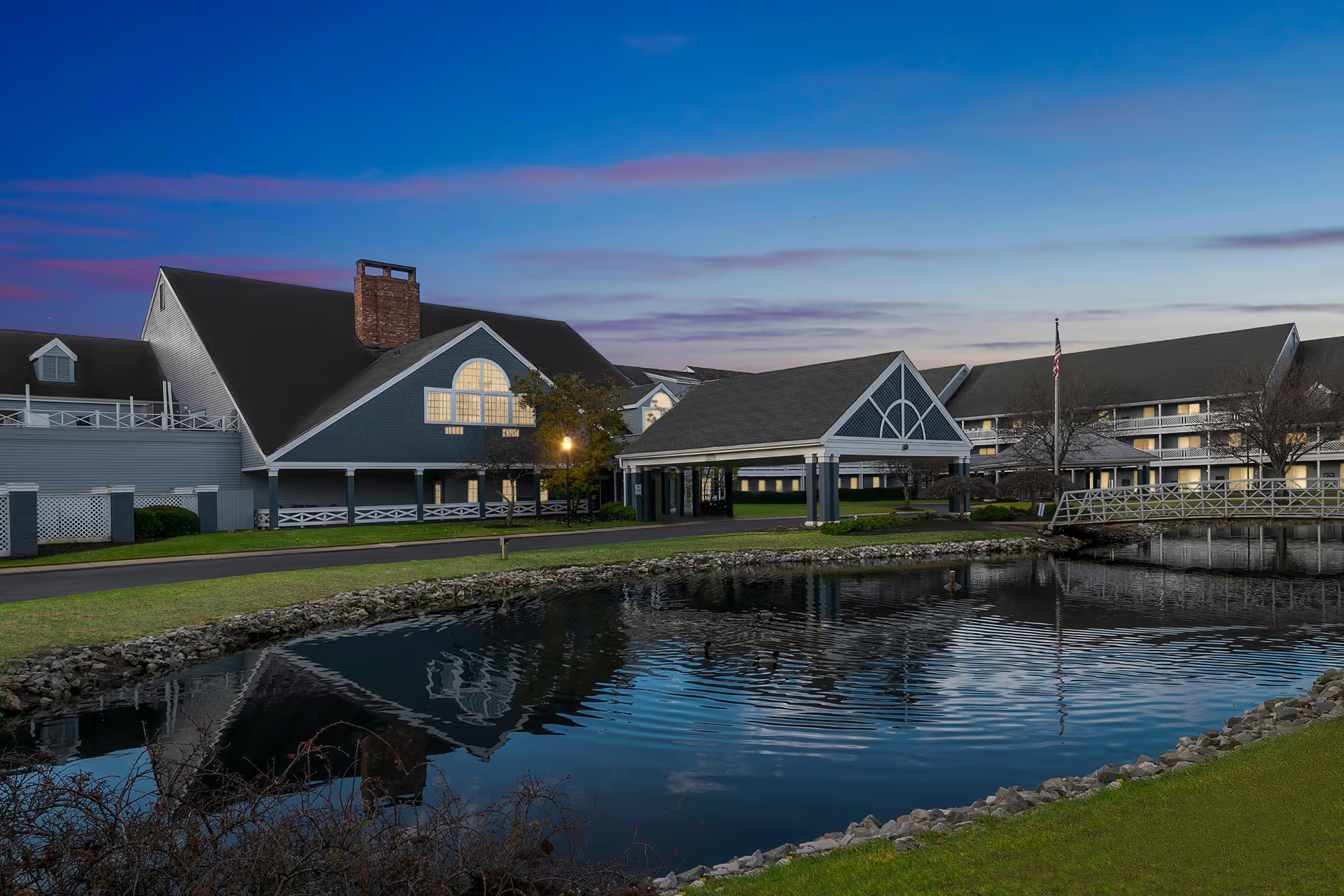
Overall impression: Reviews present a predominantly positive view of the community’s everyday living environment while also identifying several operational gaps. Strengths that recur across feedback include consistently praised caregiving staff, an active calendar of social and recreational activities, a strong dining program, and well-maintained grounds and interiors. Many families emphasize that residents appear happy, that the campus feels comfortable and non-institutional, and that on-site rehabilitation and assisted-living services are available when needed.
Care and staff: Most comments characterize direct-care staff as attentive, caring, and supportive, with families noting improvements in residents’ wellbeing after placement. At the same time, reviewers describe intermittent shortcomings in clinical-incident handling and communication: delayed responses to urgent needs, door access delays, and inconsistent check-ins or monitoring. These concerns suggest gaps in emergency-response procedures and family communication that prospective families should clarify with administration.
Dining and activities: The community’s dining program and activity offerings are frequent highlights. Central dining is described as fostering social interaction, meals receive positive remarks for quality and variety, and a broad schedule of events (shows, caroling, daily activities) contributes to resident engagement. Operational notes include the community’s apartment policies (no full kitchens; small refrigerators and microwaves permitted) and an on-site smoking room on a designated floor.
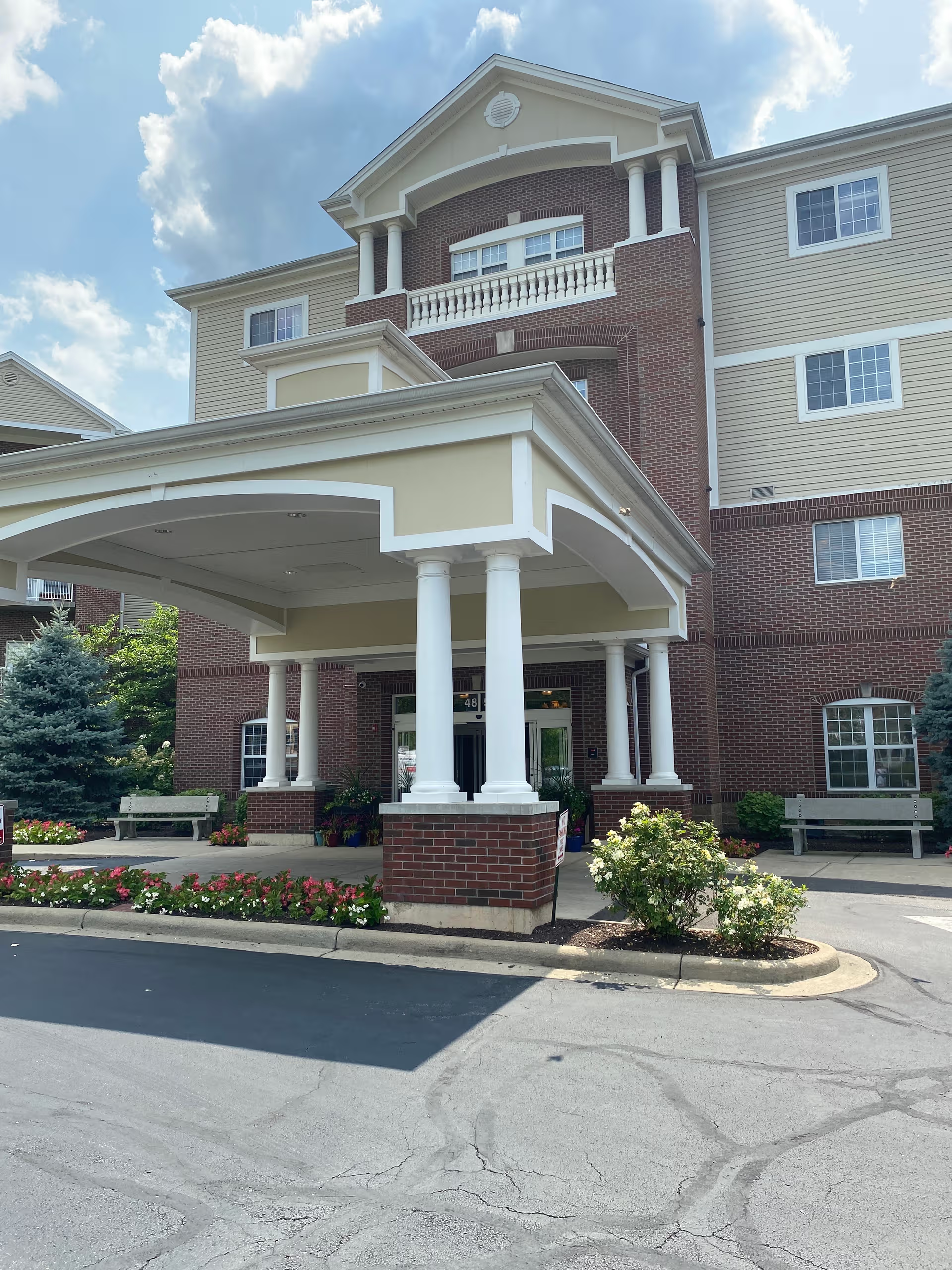
Facilities and safety: Physical plant and campus upkeep are generally commended—clean interiors, attractive grounds, and ongoing renovations contribute to a pleasant environment. However, several reviewers raised operational safety and facility-management concerns: front-desk/entry-management inconsistencies, signage/wayfinding issues that make the location and office difficult to find, and parking/handicap-space enforcement problems. Additional facility-level concerns include odor or sanitation problems in service or storage areas and perceived shortcomings in the pest-control program, which reviewers indicated operates reactively rather than proactively.
Management and operations: Administrative and operational themes include inconsistent visitor/tour coordination (missed appointments, long waits, unclear arrival instructions) and uneven responsiveness to maintenance requests. There are also indications of back-of-house workforce issues affecting kitchen or support staff morale and functioning. These patterns point to administrative areas—communications, scheduling, maintenance workflows, and pest-control protocols—where clarification and improvement could materially affect resident and family experience.
Notable patterns and guidance for families: The dominant pattern is high satisfaction with day-to-day living, interpersonal care, activities, and the physical campus, tempered by discrete operational weaknesses that can affect safety and convenience. Prospective residents and families should tour the community in person, ask specific questions about emergency-response procedures, pest-control policies and schedules, front-desk and entry protocols, maintenance response times, and parking/accessibility enforcement to assess how the facility manages the operational risks noted by reviewers.