Ohio Living Mount Pleasant presents a mixed but clear pattern: its independent living and rehabilitation programs are frequently praised, while the skilled-nursing and some long-term care areas draw more concern. Strengths include an active, well-staffed activities program, accessible independent living options (including cottages and one-bedroom apartments), on-site physical and occupational therapy, and a social dining environment. Reviewers commonly cite a home-like community atmosphere, engaged activity leadership, and successful rehab outcomes that have enabled residents to return home.
Care quality is uneven across the continuum. Rehabilitation and outpatient therapy services receive consistently positive mentions for effectiveness and professional staff. Independent and assisted living areas are often described as comfortable, clean, and well-managed. In contrast, several families raised concerns about care delivery in skilled and memory units: delayed responses to call systems, inconsistent assistance with activities of daily living, and reported lapses in room-level sanitation controls. Reviewers also flagged specific safety concerns related to falls and subsequent responses; these are described as issues with fall-prevention processes and timeliness of clinical follow-up rather than isolated administrative complaints.
Staffing and staff conduct emerge as a central theme. Many accounts praise individual caregivers, nurses, therapists, and managers as compassionate and responsive; other accounts describe chronic understaffing, frequent use of agency personnel, and limited front-desk coverage. This combination appears to drive variability in day-to-day resident experience: where regular, long-term staff are present, families report attentive care and good communication; where staffing is thin or transient, families report delayed responses and inconsistent personal-care routines. Communication with families is frequently cited as a strength in successful cases, though there are notable instances of unsatisfactory responsiveness and concerns about tone.
Dining and nutrition receive mixed feedback. The dining areas are generally noted as pleasant and social, but menu variety and meal consistency are sometimes described as limited. Some families indicated that food quality in skilled units was inconsistent with the stronger impressions of the independent and rehab dining settings.
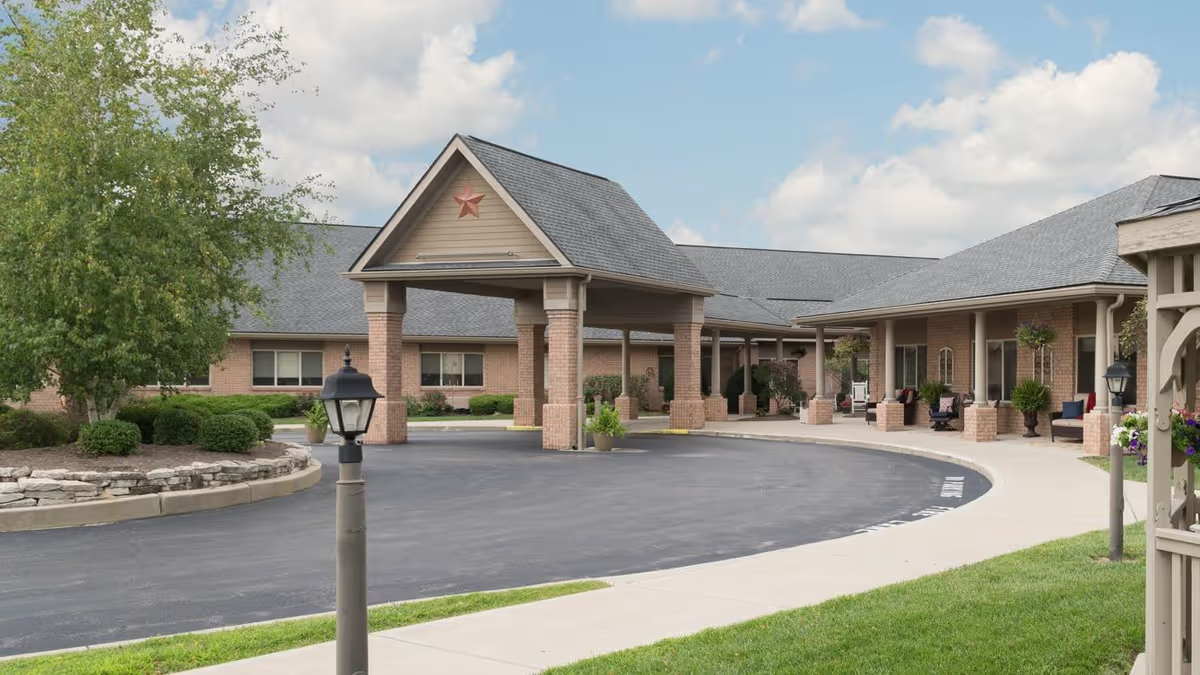
Facility condition and campus services are a combination of attractive elements and aging infrastructure. The campus offers well-kept grounds, individualized housing, and campus amenities such as a chapel and courtyards. However, parts of the skilled-care and long-term units were described as in need of remodeling, with maintenance issues including delayed snow removal and localized sanitation concerns. Accessibility is generally good (including scooter access), though some pathways and mailbox locations were noted as potential fall risks when not cleared promptly.
Management, billing, and governance show patterns worth noting. Several reviewers raised concerns about unexpected charges, pre-billing practices, move-out or packing fees, and perceived pressure to donate to fundraising efforts. There are also perceptions among some families of uneven resource allocation between private-pay and Medicaid-funded residents. While other accounts highlight transparent pricing and helpful move-in support for independent living, the financial and fundraising matters have produced friction for a subset of families.
Overall, Ohio Living Mount Pleasant offers many attributes attractive to prospective residents seeking active independent living and strong rehabilitation services: engaged activities, therapy resources, and a friendly campus feel. Prospective residents and families should assess the specific unit they are considering (independent/assisted versus skilled/memory), ask for current staffing and turnover data, review emergency-call response metrics, clarify all fees and billing practices in writing, and tour the exact care area to evaluate cleanliness and maintenance. These targeted questions will help align expectations with the variable experiences reflected in the reviews.