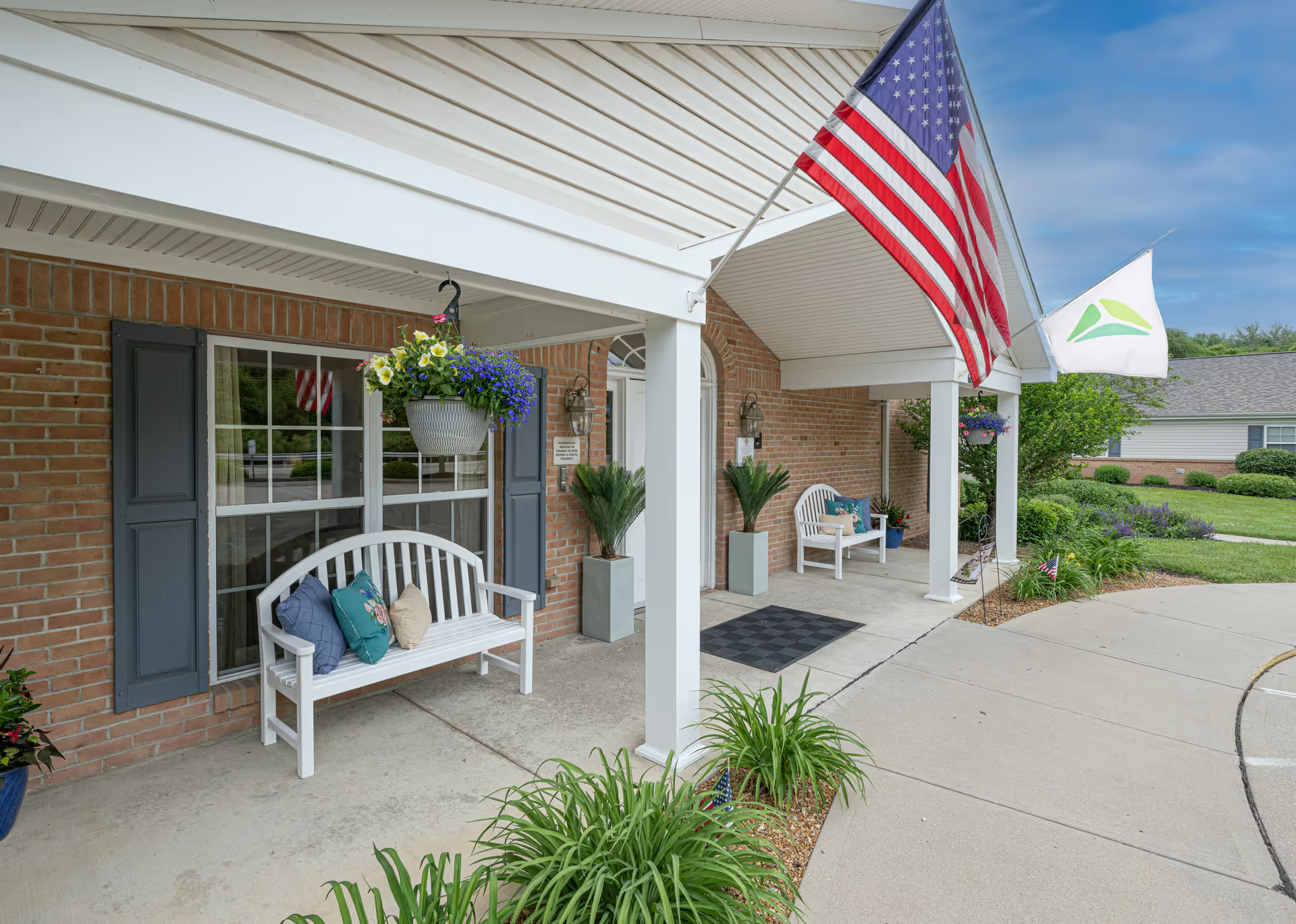
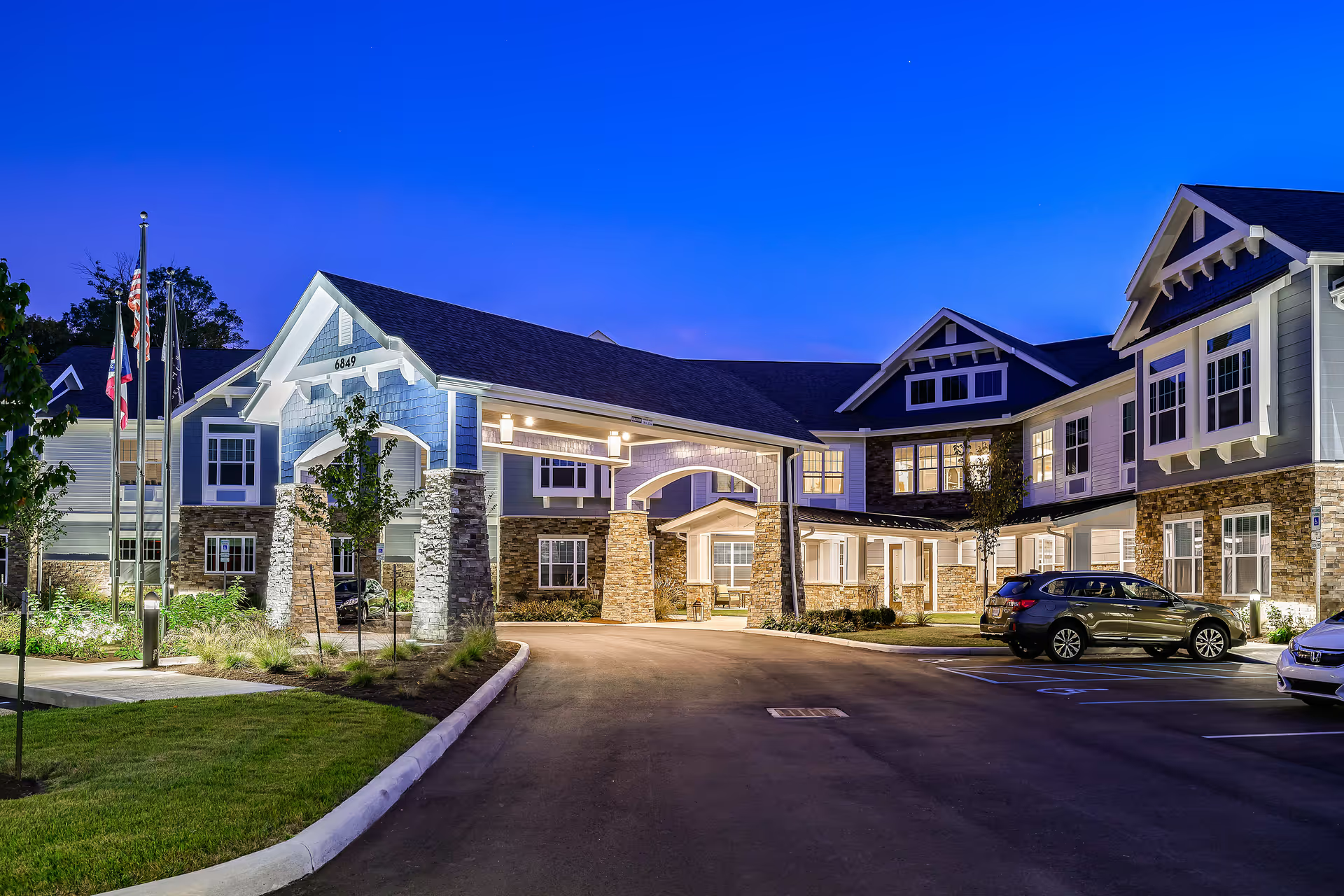
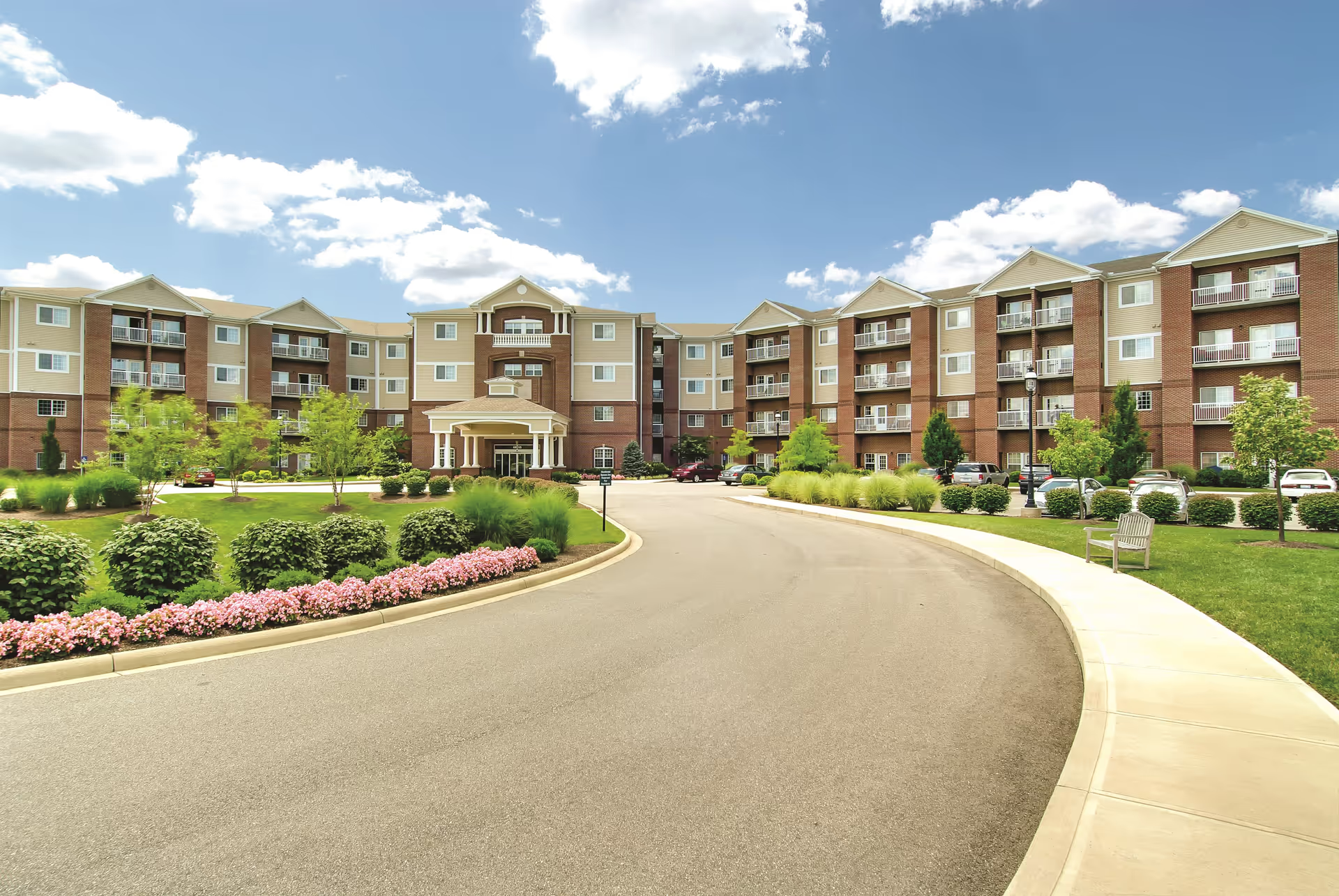
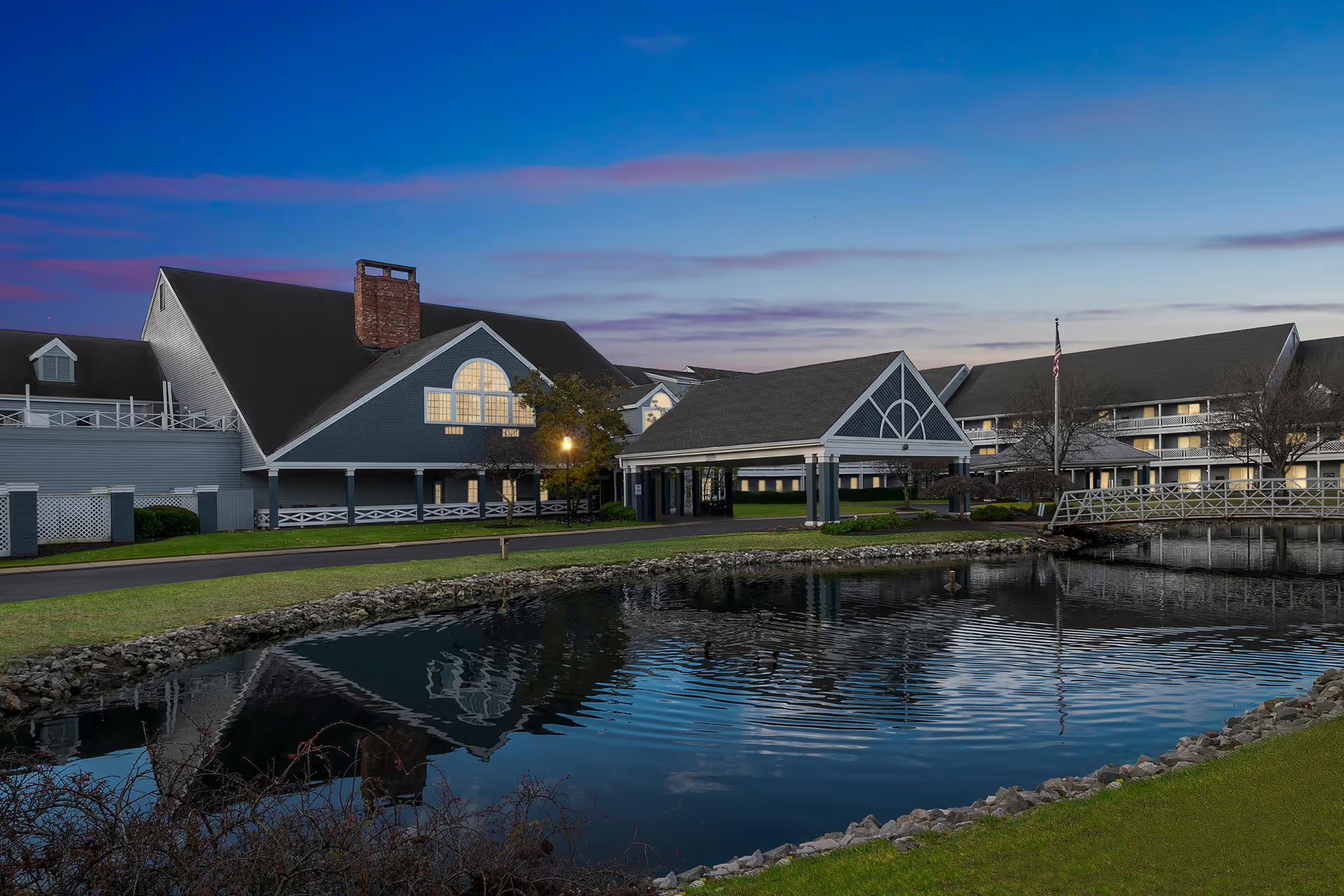
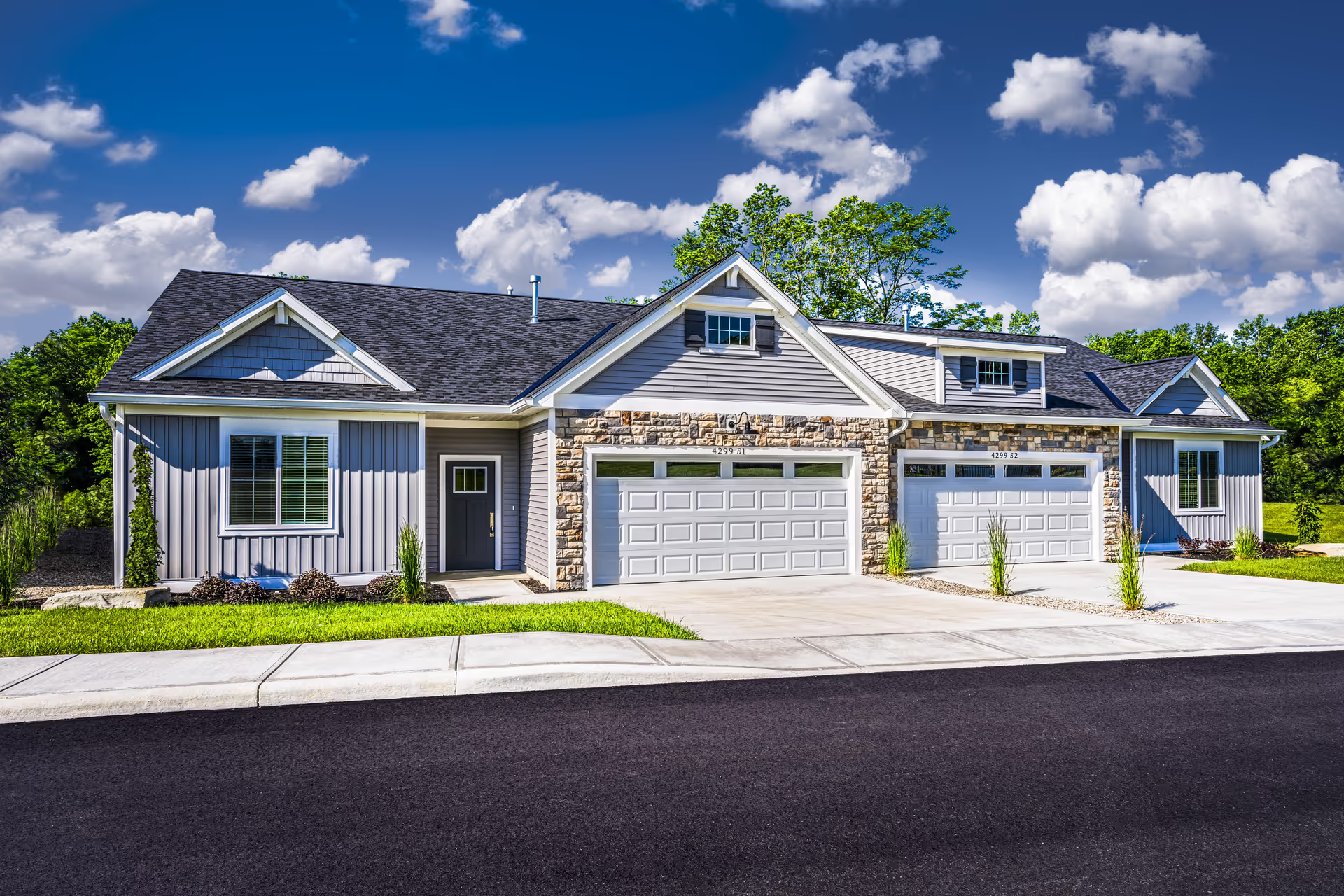
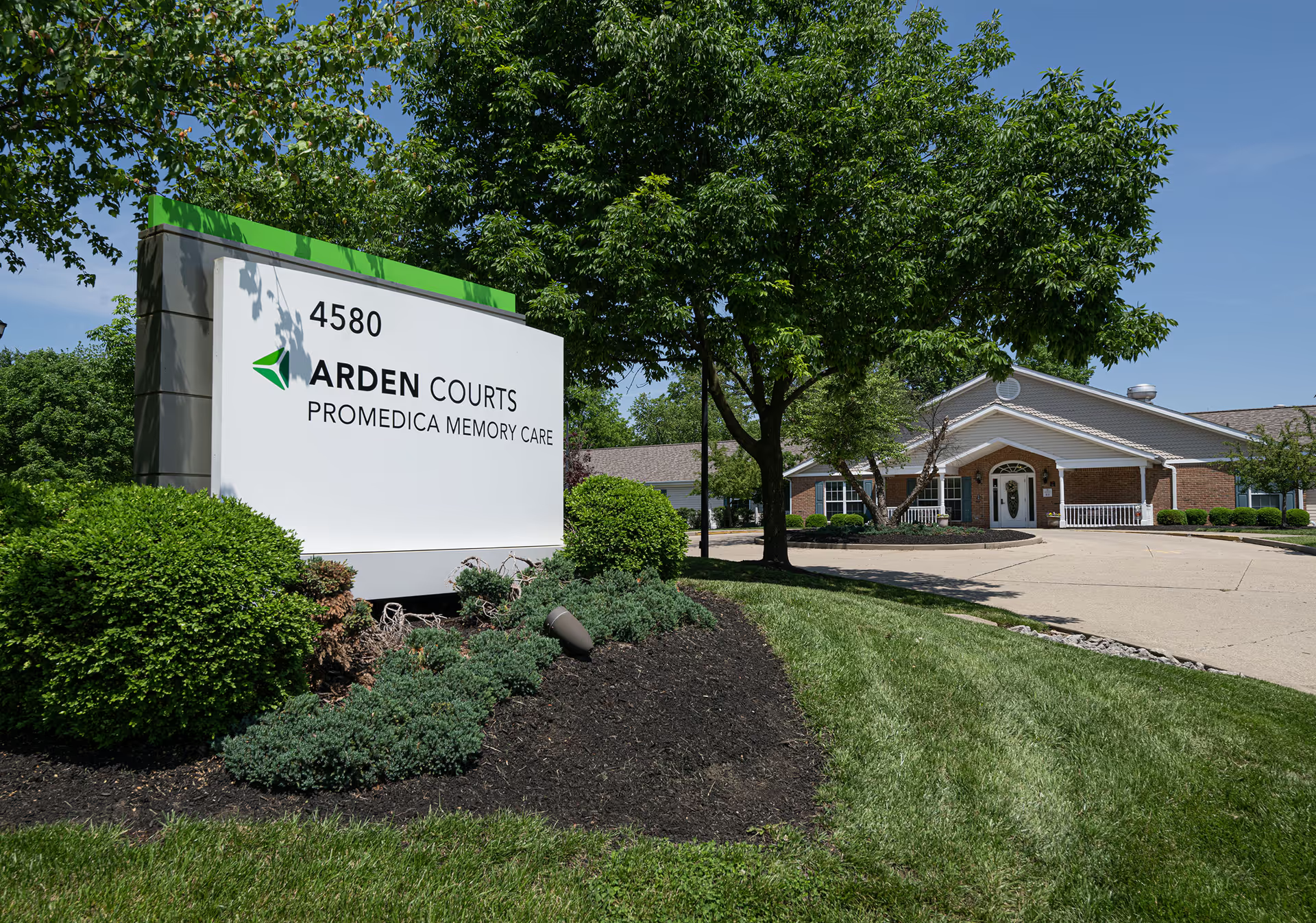
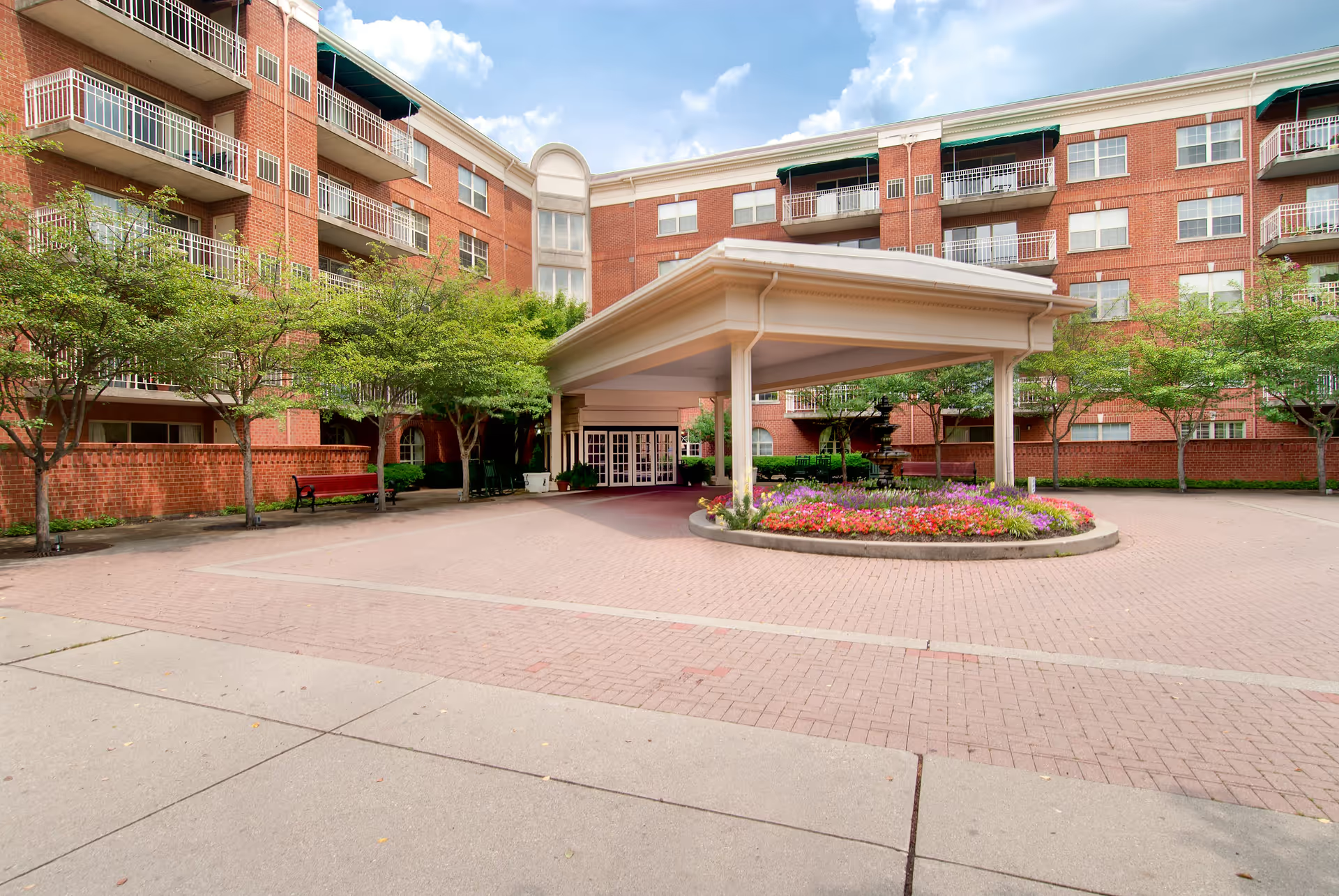
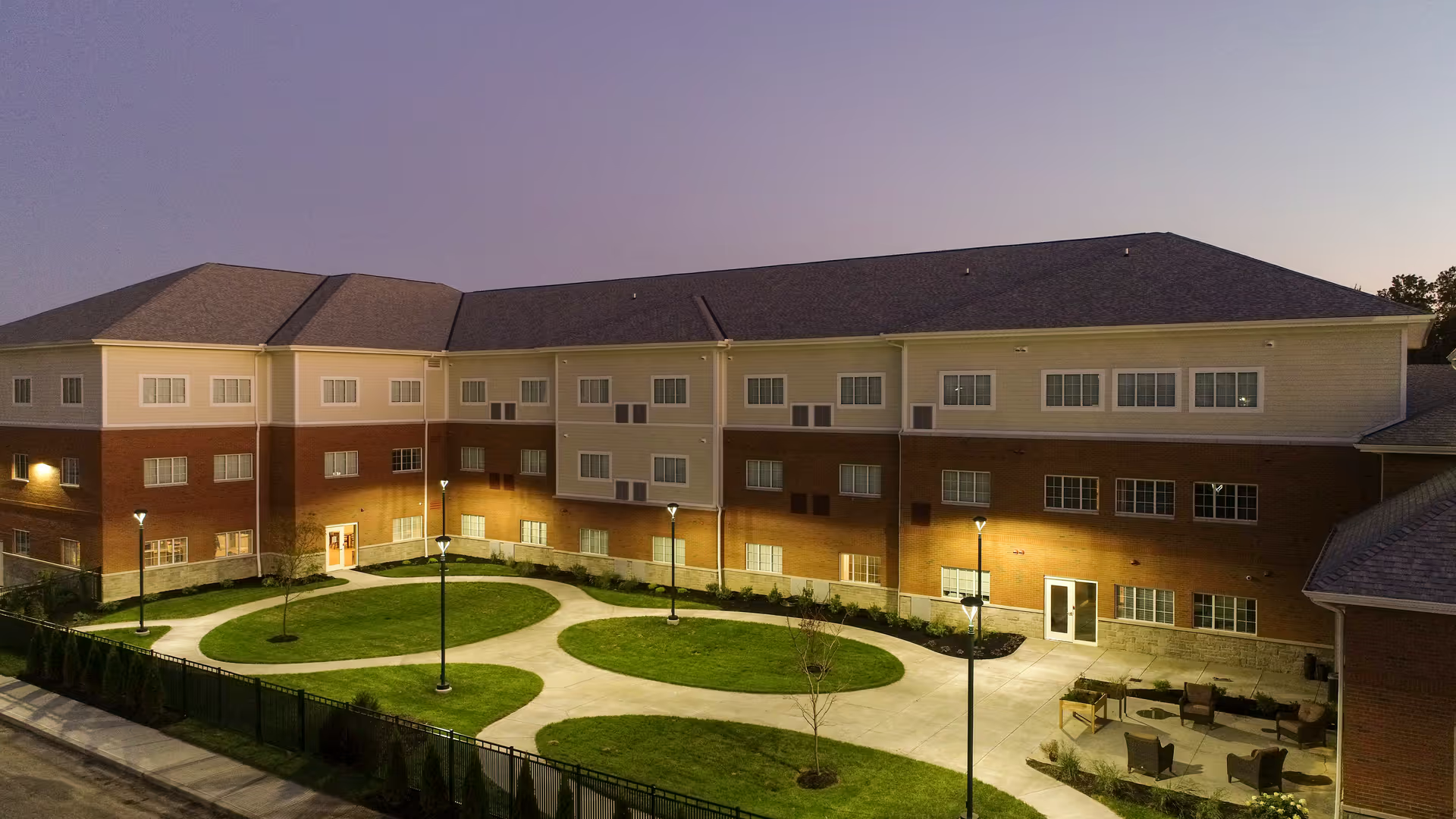
Optimized Senior Living Assisted Living and Memory Care Newtown presents a mixed but informative profile for families weighing placement. Strengths repeatedly cited include a small-house, home-like environment; a relatively low caregiver-to-resident ratio (commonly referenced as about 5:1); tenured on-site staff and managers; and a clear focus on memory-care programming in dedicated homes. Many families emphasize private, roomy accommodations with en-suite bathrooms, accessible common areas, and flexible visitation that support family involvement.
Care and staffing are a central theme. Positive accounts describe attentive, compassionate caregivers who provide 24/7 support, continuity of care without reliance on agency staff, and managers with multiple years of tenure. These attributes contribute to descriptions of residents being treated like family, calm transitions into the community, and thoughtful end-of-life attention. At the same time, reviewers raise facility-level concerns about inconsistent frontline practice: variability in staff availability and site knowledge during some shifts, intermittent lapses in supervision that have safety implications, and instances where staff conduct or enforcement of safety rules appeared uneven. These issues point to operational gaps in shift coverage, training reinforcement, and monitoring procedures rather than uniform systemic failure.
Dining and activities receive similarly mixed feedback. Many families praise daily home-cooked meals prepared with family recipes, family-style dining, and an active activities director who organizes events such as bingo and special days. Conversely, some accounts indicate variability in food quality and preparation—with requests for a dedicated full-time chef and mentions of frozen or canned items—suggesting inconsistencies in kitchen staffing or menu execution between houses or shifts. Activity levels are generally a positive feature in some homes, but other reviews describe limited programming or staff distraction during activity times, indicating uneven program delivery.
Facilities and cleanliness are another area of divergence. Numerous reviews highlight clean, comfortable homes, well-maintained large rooms, wheelchair accessibility, and parking convenience. However, a subset of comments describe sanitation inconsistencies and concerns with incontinence care and housekeeping in particular areas or at particular times. Salon services and other ancillary offerings are described positively by some families and less favorably by others, again pointing to variability across units or staffing periods.
Management and policies show strengths in leadership continuity and a family-centered approach, yet families flag some operational policies and transitional issues. Several reviewers noted clear, experienced leadership; others described communication gaps during transitions (including variability after the Optimized conversion), instances of staff absence during tours, and contract-related items such as move-out notice requirements that families found restrictive. Some families also perceive a mismatch between fees and value when negative operational traits emerge.
Overall, the facility's small-scale, family-style model, favorable caregiver ratios, and experienced staff are clear strengths that many families find highly supportive for memory-care and assisted-living needs. The recurring negative patterns—principally inconsistent sanitation practices, supervision/safety monitoring gaps, variability in meal quality, and uneven staff availability or training—are operational traits prospective families should investigate during a tour. Recommended due diligence includes asking about sanitation and incontinence-care protocols, supervision and egress-monitoring procedures, kitchen staffing and menu planning, activity schedules, staff tenure and shift coverage, and the specifics of contract and move-out policies prior to placement.