Overall impression: Reviews for Aventura at Assumption Village are mixed, with a clear split between strong clinical/rehabilitation experiences and recurring operational concerns. Many families and former patients praise the therapy department, individual caregivers, and the social-work team for effective discharge planning and hands-on coordination. At the same time, a pattern of staffing instability, communication breakdowns, and process gaps is described by other families, producing inconsistent resident experiences.
Care quality: The facility demonstrates significant strengths in short-term rehabilitation: reviewers cite compassionate therapists, measurable therapy gains, and above-average rehab outcomes. Social-work support (frequently named) is repeatedly highlighted for arranging home health and equipment. Conversely, there are substantive concerns about clinical process reliability — examples include missed or poorly documented medication orders, therapy removal without family notification, and coordination failures with external treatments such as dialysis. Several accounts also indicate delays in attending to toileting and personal-care needs and instances where transfer safety procedures appeared inadequate. These reports point to variability in clinical oversight and protocol adherence.
Staff and workforce issues: Many reviewers describe direct-care staff as kind, respectful, and willing to go above and beyond; admissions and front-office staff are also praised in numerous comments. However, recurring themes include high staff turnover, low morale following a change in operator, and uneven professionalism at entry points. Some families report difficulty reaching managers, unreturned phone calls, or nurses who are not visibly present on the unit. Staff shortages and workload pressures appear to contribute to slower response times and inconsistent day-to-day care.
Dining, activities, and amenities: Opinions on dining are mixed. Several reviewers appreciated homemade-style meals and responsive dietary staff, while others described small portions and meals that did not match posted menus. Activity programming and resident engagement receive positive mention — events, pet visits, and individualized celebrations were noted as meaningful to residents and families. Salon services and some nonclinical amenities were identified as inconsistent in quality.
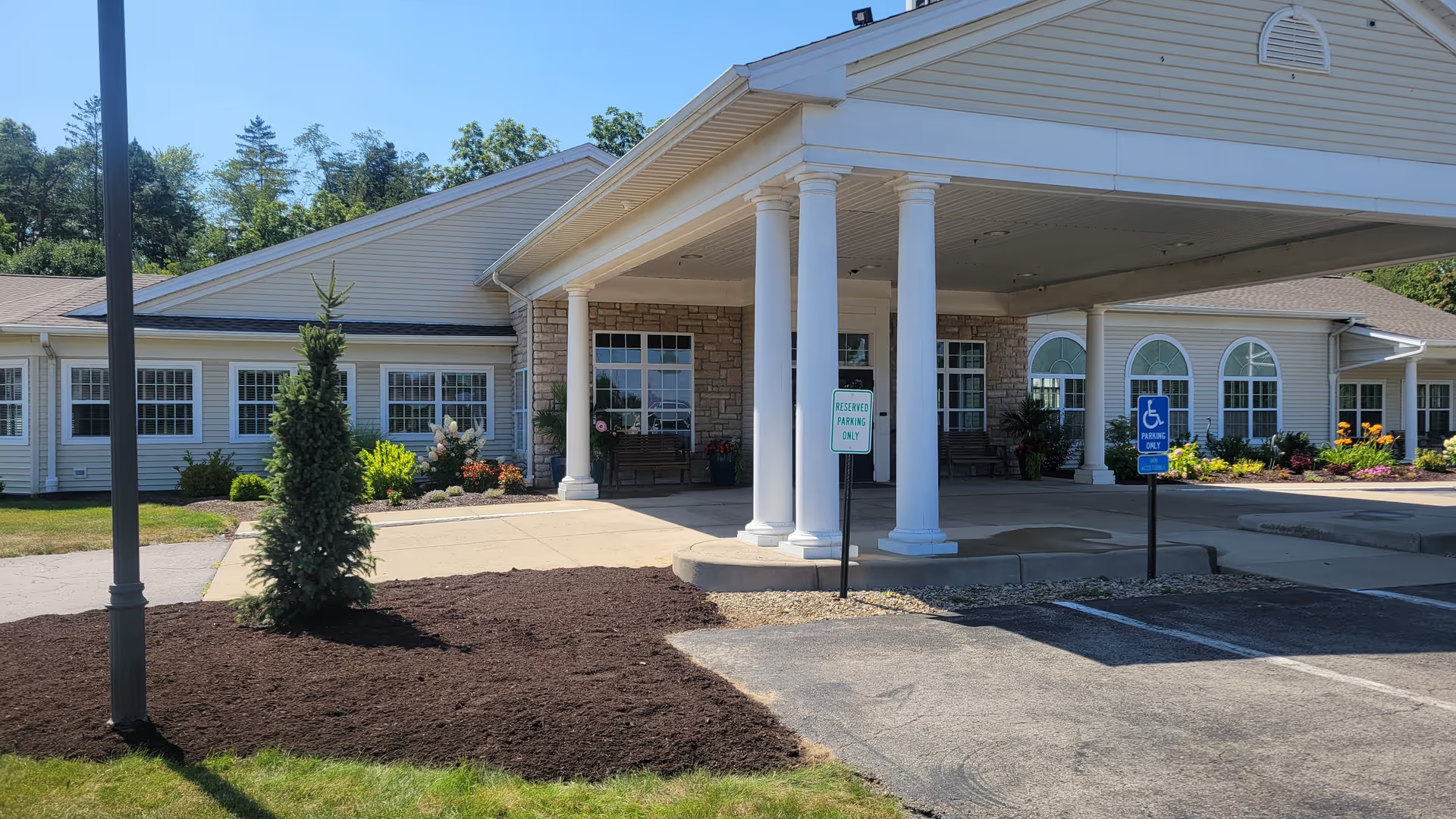
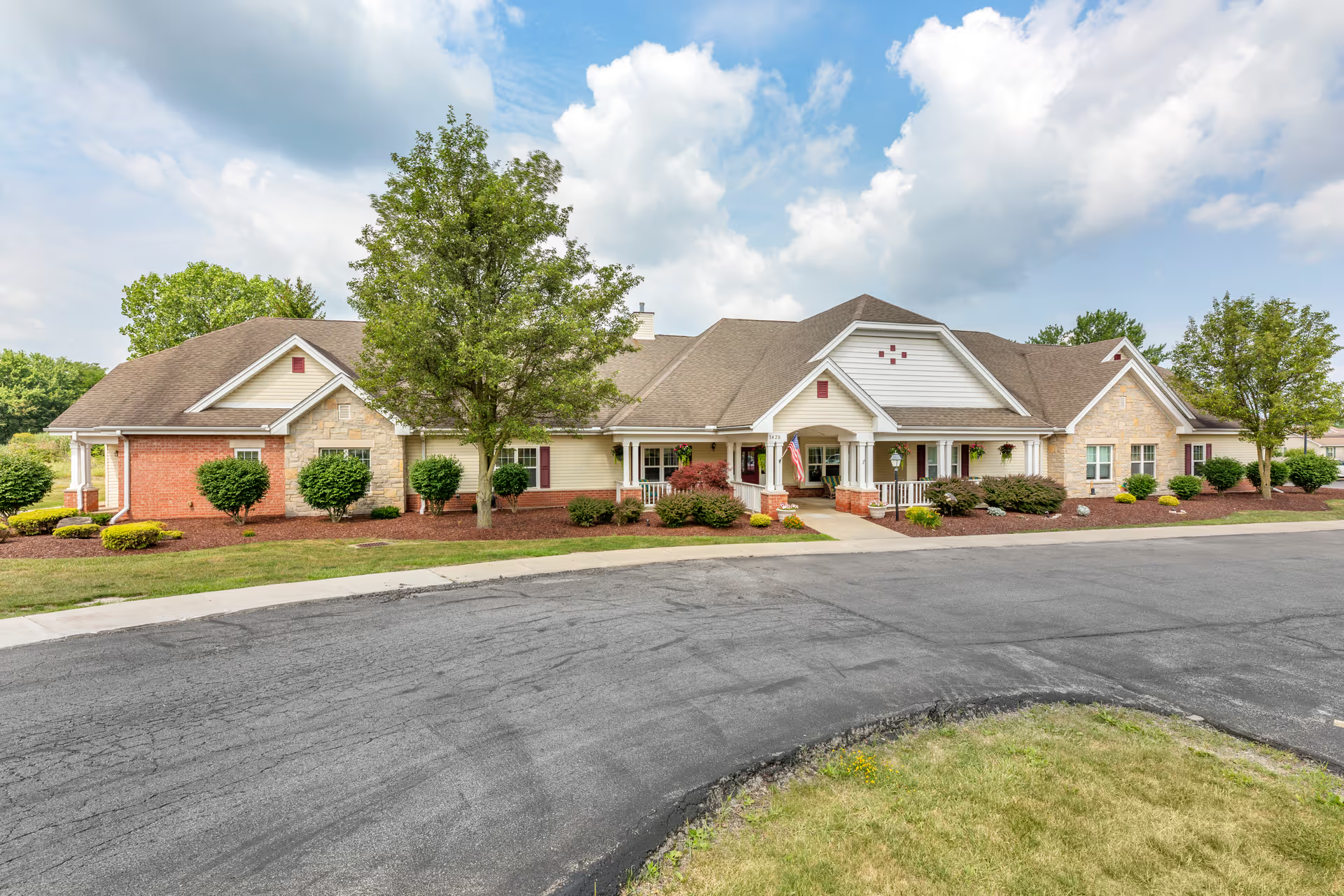
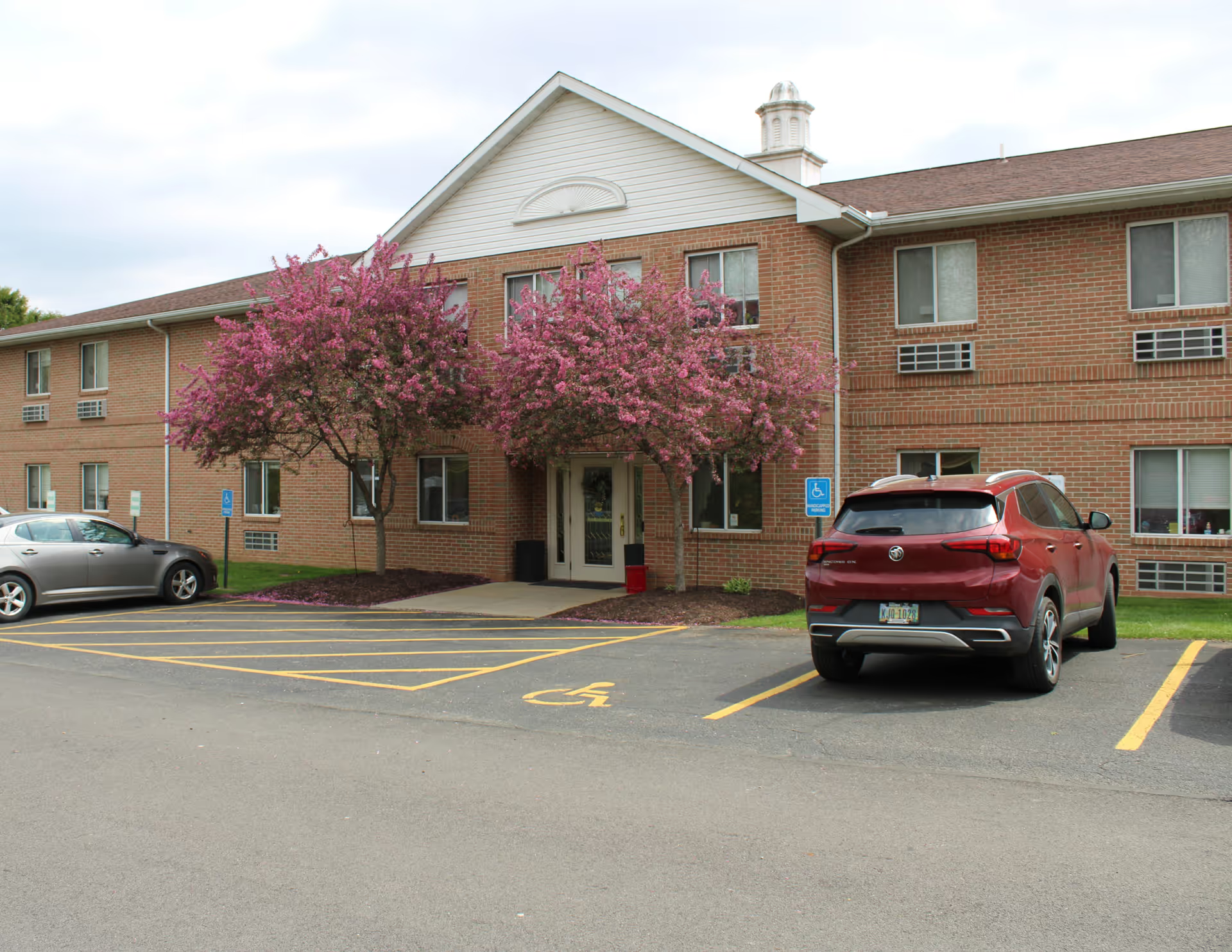
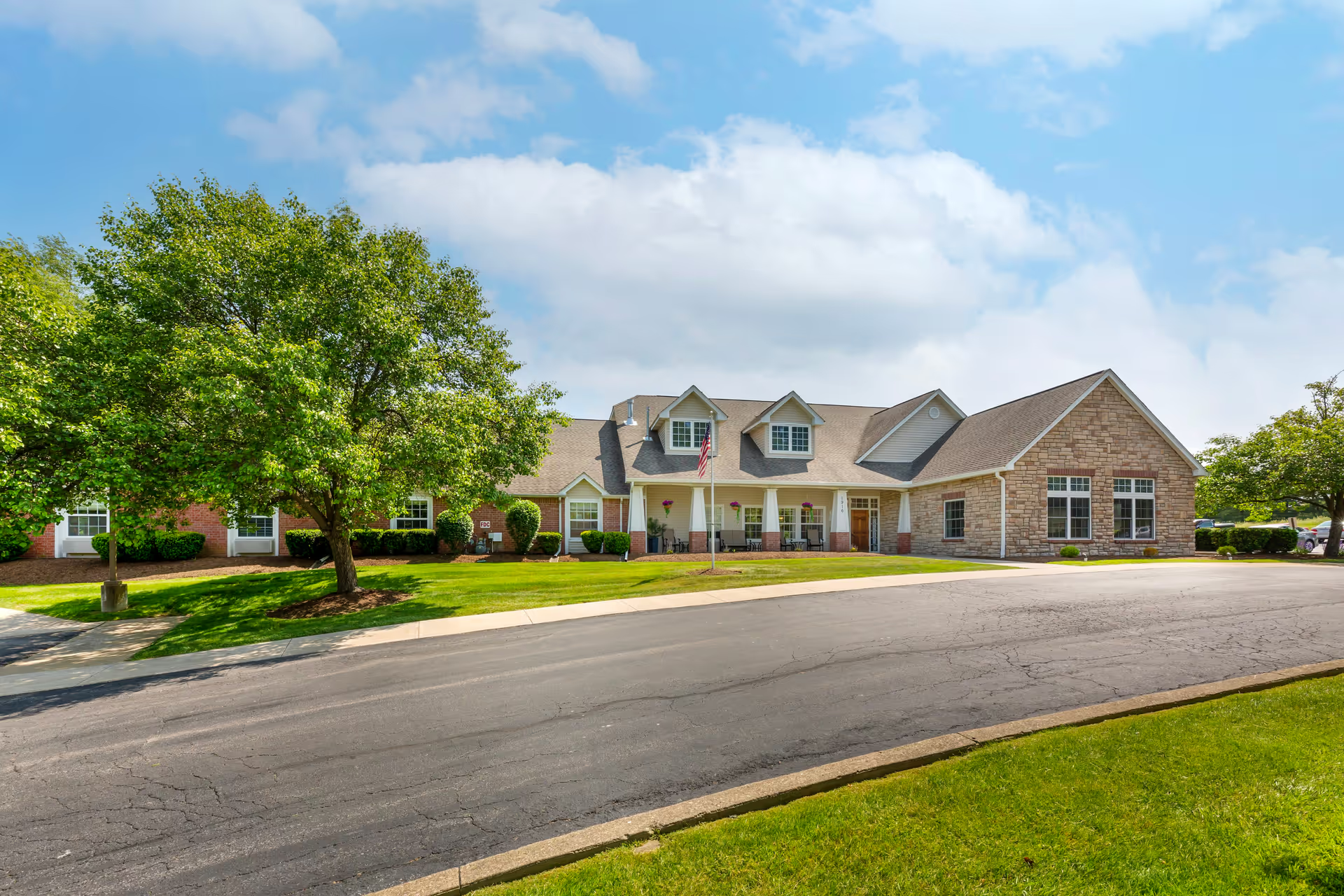
Facilities and management: The physical environment is described as clean and homelike by many families, particularly during periods of stable leadership. Several reviewers link declines in service quality to recent ownership and management changes; others note improvements after a newly engaged administrator took a hands-on approach. Financial and administrative concerns appear repeatedly — examples include disputed charges, billing for periods when a resident was not present, and deposit policies. Families are also concerned about personal-item handling and record accuracy.
Notable patterns and guidance: The most consistent positive signal is the strength of the rehabilitation program and individual caregivers who provide attentive, empathetic support. The most consistent operational risks are staffing instability, communication failures with families, and lapses in procedural consistency (medication, transfers, external-service coordination). Prospective residents and families should clarify current staffing ratios, medication-administration safeguards, transfer-training and lift protocols, call-bell response targets, billing practices, and how the facility communicates clinical changes to families. Visiting during meal service, observing therapy sessions, and speaking directly with the social-worker or therapy lead can help confirm whether the facility’s strengths align with a specific resident’s needs.