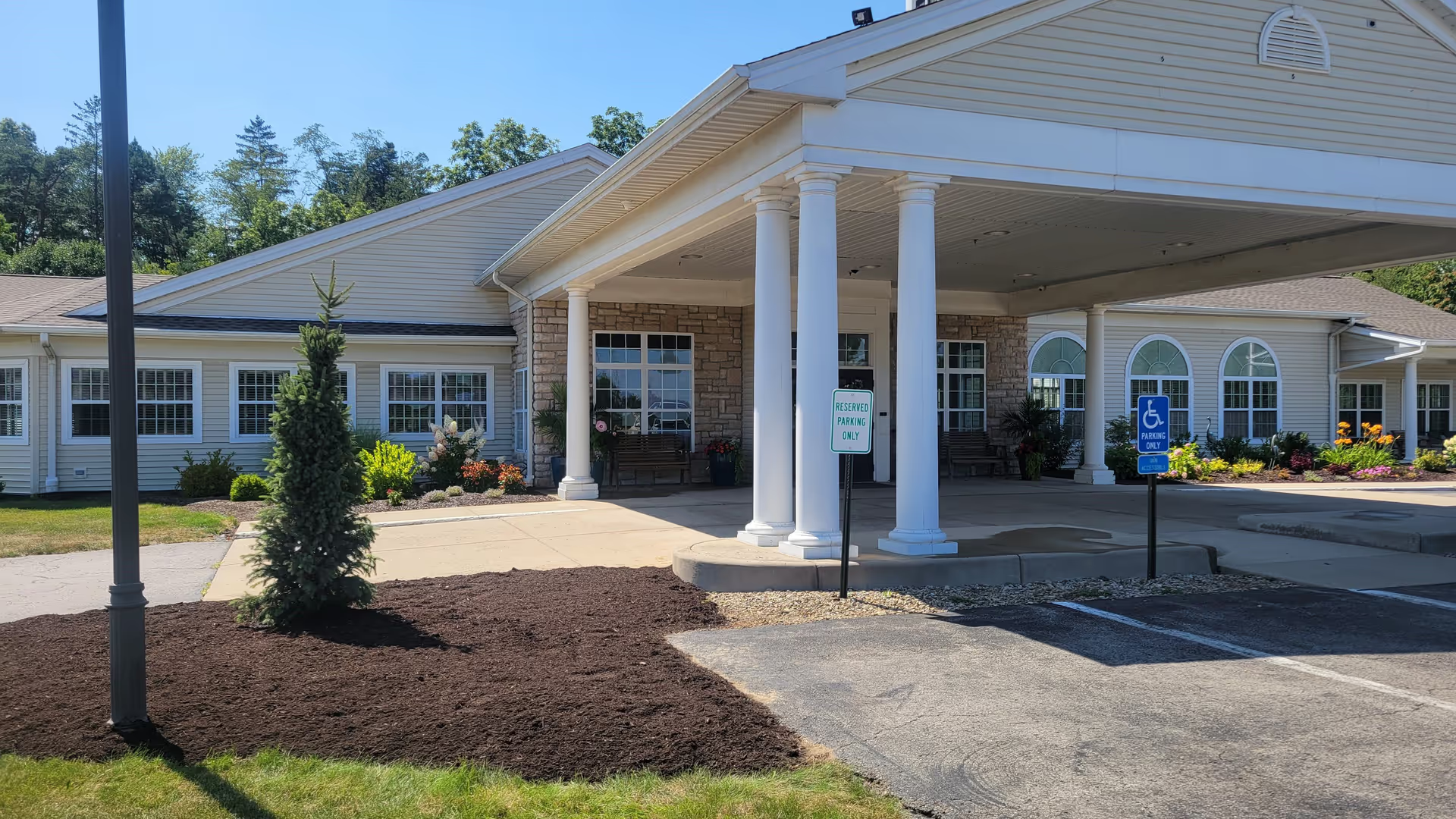
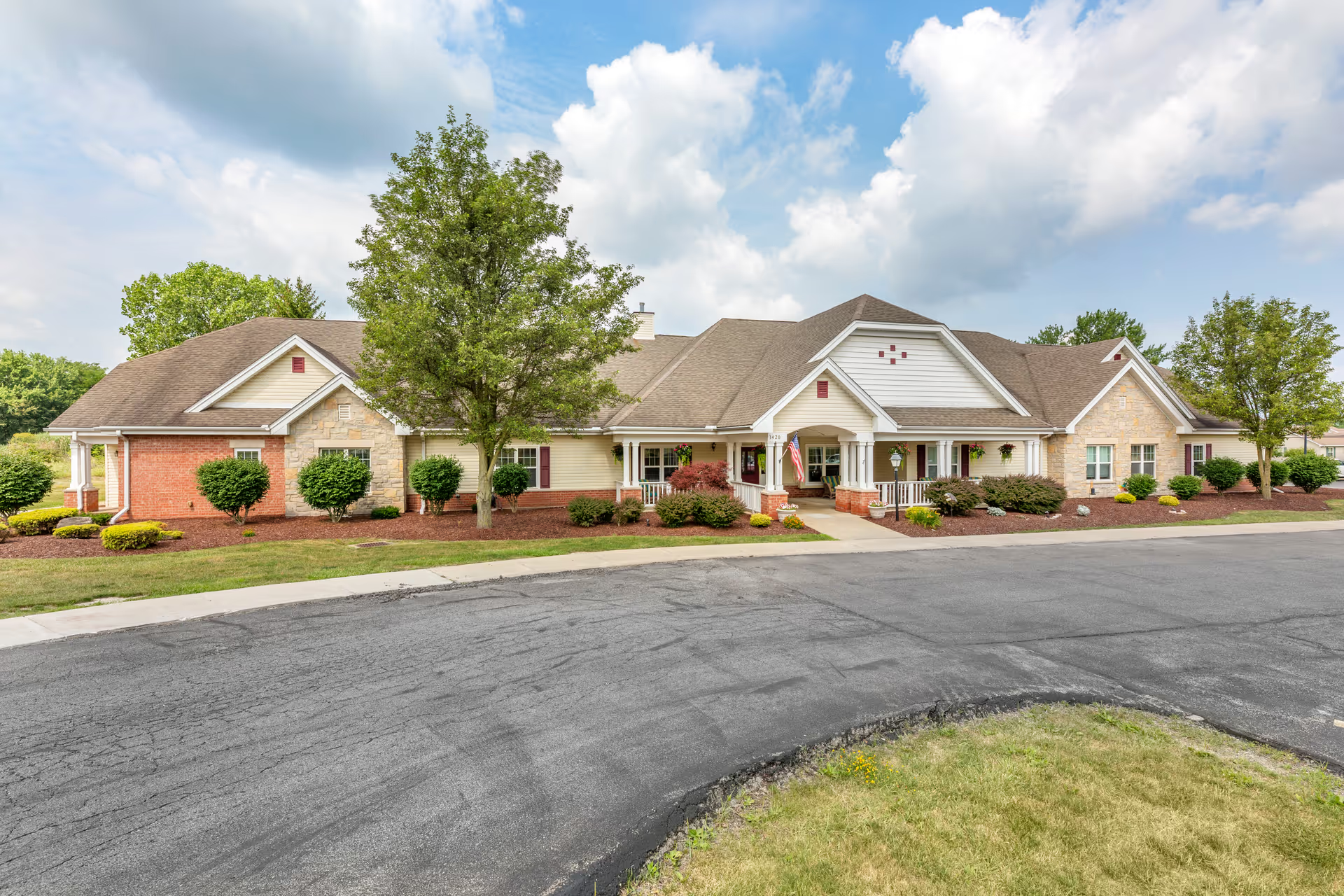
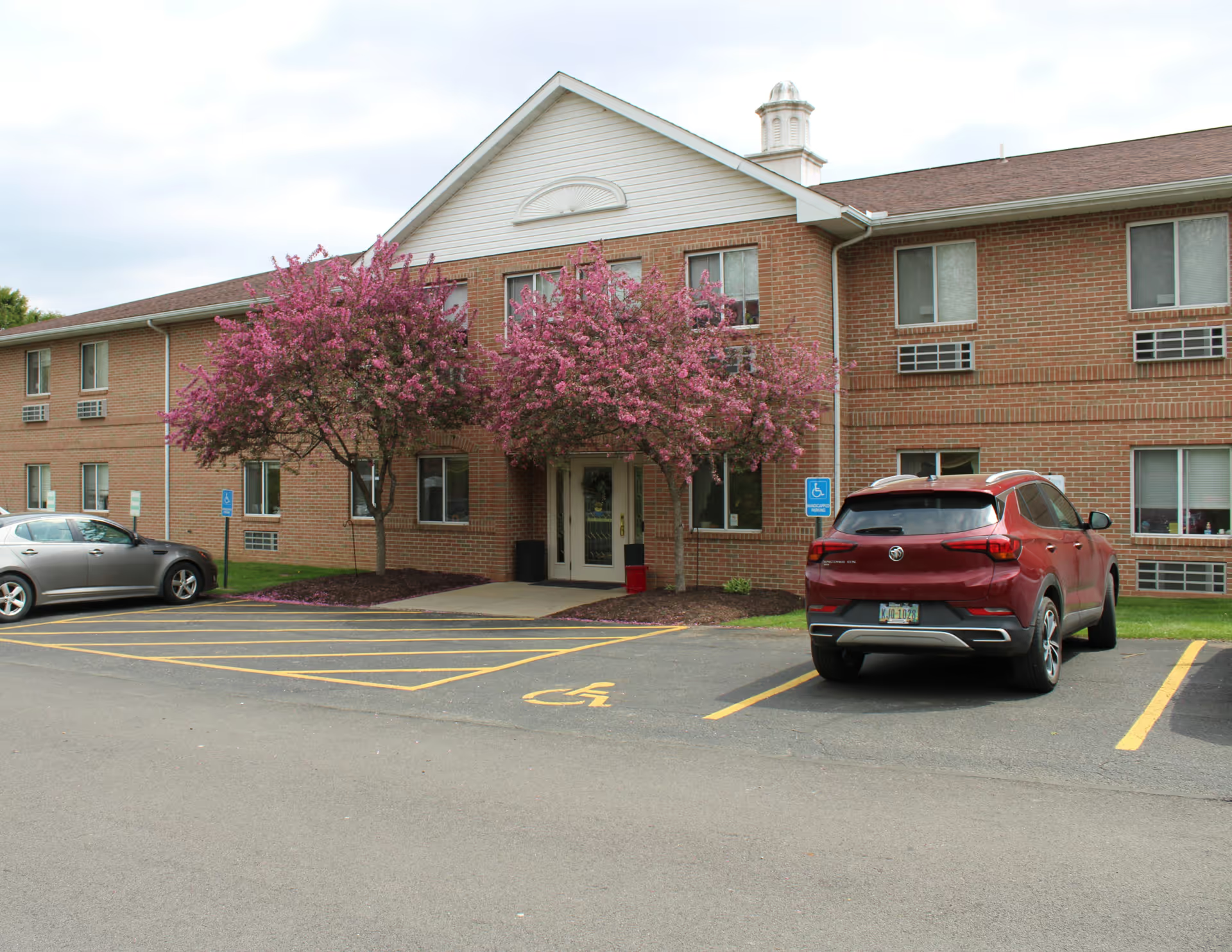
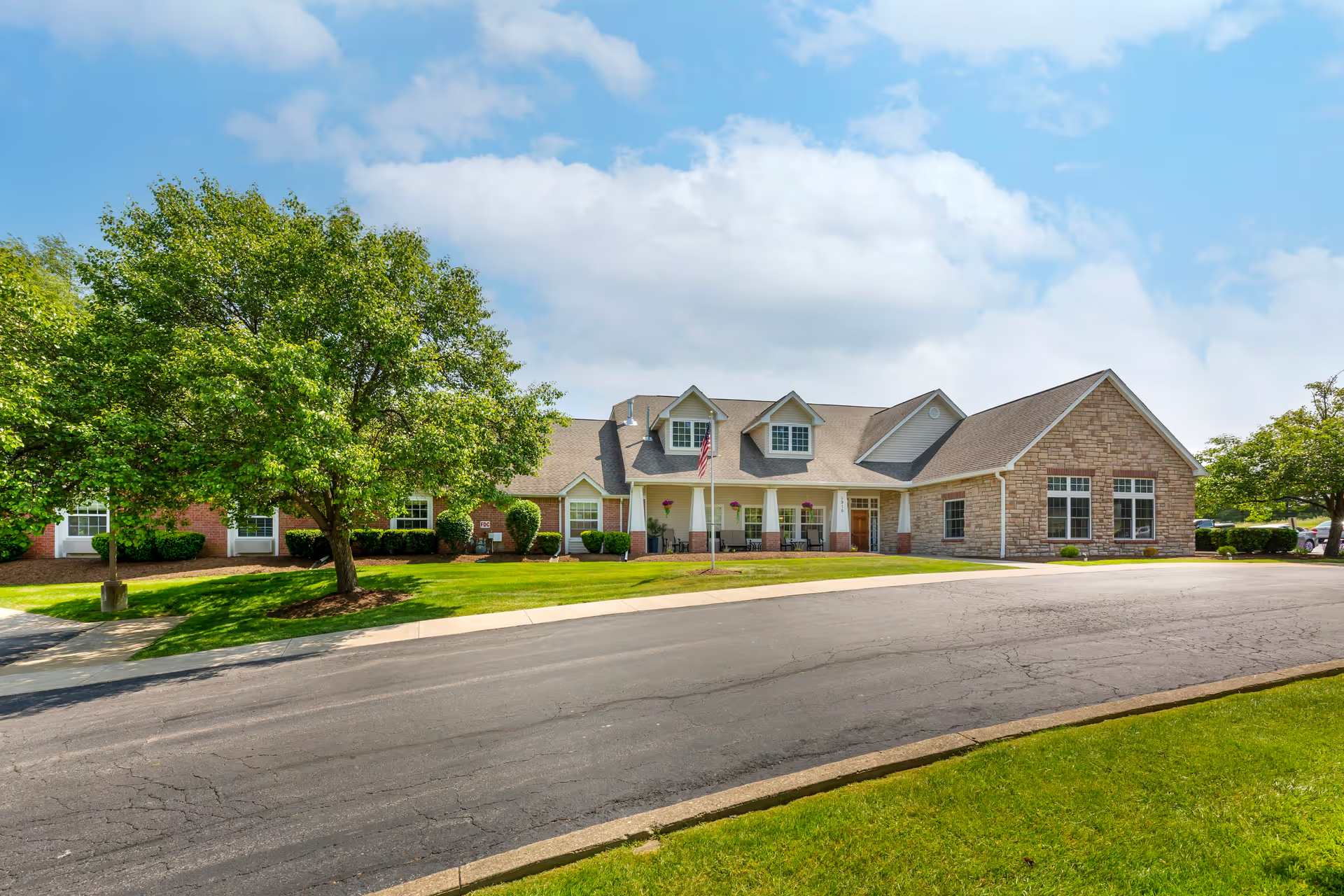
Reviews present a mixed but actionable portrait of Caprice Senior Care Facility. Many families praised frontline caregivers — nurses, aides, therapy staff and activity leaders — for attentive personal care, effective rehabilitation outcomes for some residents, accommodating dining (including special-diet requests), and an engaging activities program. The facility’s grounds and common areas, including courtyard and garden spaces, were frequently described as pleasant and well-maintained, and several reviewers noted recent interior remodeling and a generally clean environment.
At the same time, a number of reviewers described operational and clinical concerns. Patterns that emerge include inconsistent adherence to care plans and documentation, lapses in specialized-care follow-through (for example wound and stoma protocols), and medication-administration gaps. These issues have, in at least some cases, prompted formal complaints and legal attention; such references underscore the importance of verifying clinical processes and oversight when evaluating the facility. Several reviewers also reported that short staffing — whether pandemic-related or otherwise — strained responsiveness and timeliness of care.
Staff quality is described as uneven: floor-level staff and specific employees are frequently lauded for warmth and dedication, while other reviewers experienced staff who lacked compassion or were unresponsive. Management and administrative responsiveness is another recurring theme; families report uneven follow-up on insurance/Medicaid matters, callbacks, and other administrative tasks. Conversely, when concerns were escalated to senior staff, some reviews indicate prompt problem resolution, suggesting that escalation pathways can be effective but may be inconsistently applied.
Dining and activities are generally seen as strengths. Meals were described as good by many, with kitchen staff willing to accommodate dietary needs. The activities program, courtyard, and opportunities for visitation (including window visits) were highlighted as positive contributors to resident quality of life. Facility comfort complaints are also present: reviewers cited issues with temperature control, noisy common areas, and small room sizes in certain wings, which prospective residents should consider during a tour.
For prospective residents and families: consider an in-person tour that includes observation of staff–resident interactions, review of recent care-plan adherence and incident logs, questions about staffing ratios and clinical oversight (wound/stoma care, medication administration), and clarification of administrative follow-up processes for billing and family communication. Asking how the facility escalates and documents clinical concerns, and requesting references from recent families, can help balance the evident strengths in direct caregiving and activities against the reported operational vulnerabilities.