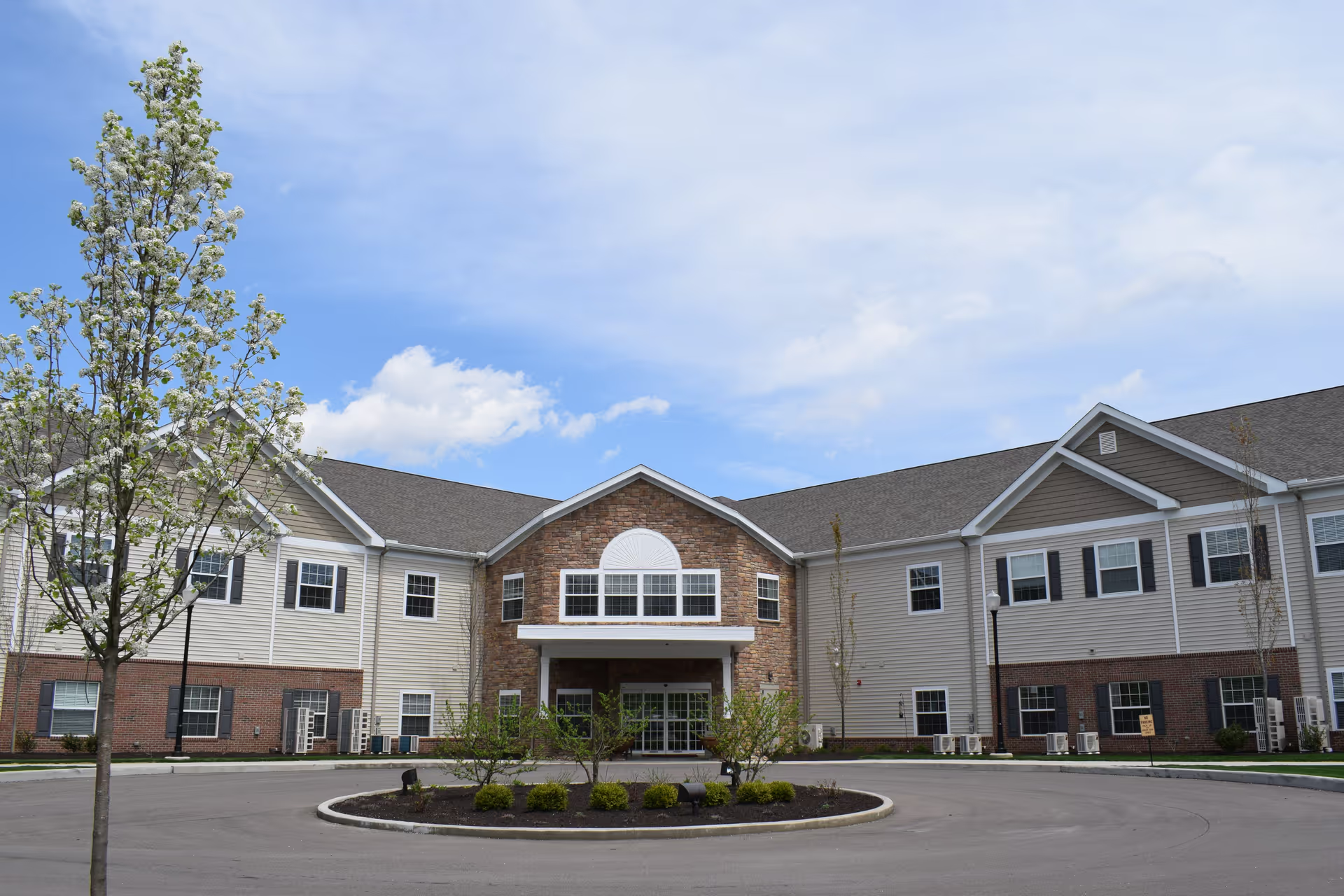
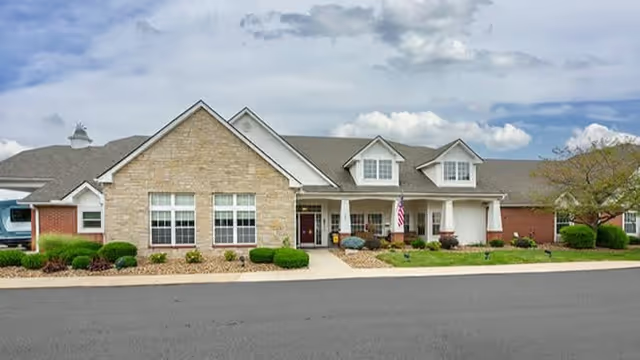
Reviews for Orrville Skilled Nursing and Rehabilitation are mixed, with a clear split between accounts praising the onsite caregiving and therapy teams and accounts describing operational shortcomings that affect resident experience and safety. Positive comments emphasize a warm, small‑town, family-like atmosphere led by staff and therapists who are described as engaged, hands-on, and responsive. Several families noted good therapy follow-through, timely physician responses, inclusion of residents in activities, private-room options, and ongoing facility improvements.
Care quality is characterized by variability. Many positive narratives describe attentive nursing and therapy that contributed to improvements in resident mobility and mood. Conversely, multiple critical accounts suggest inconsistent delivery of personal care and rehabilitation goals not being met. These negative accounts frequently link back to staffing levels: reviewers describe delays in attending to residents and uneven personal-care schedules. There are also recurring concerns about medication-management practices, including the perception of excessive medication use and questions around palliative-care decision-making.
Staffing and safety are central themes. Praises for compassionate staff coexist with reports that insufficient staffing and instability create safety and responsiveness challenges. Reviewers raised concerns about fall-prevention and mobility-assistance protocols, environmental safety and emergency-preparedness practices, and instances where family communication about incidents felt inadequate. Concerns about staff conduct and communication tone appear alongside descriptions of committed employees; this indicates variability in staff performance and supervisory oversight.
Dining and activities are another mixed area. The facility runs an active activities program and many residents are described as engaged and included. Meal service is regular and included in resident routines, and some families spoke positively about dining interactions. At the same time, there are complaints about inconsistent meal quality and interruptions in the dining experience, suggesting operational variability in the food-service program.
Management, transparency, and trust issues emerge in several summaries. Some reviewers expressed dissatisfaction with incident follow-up, family communication, and perceived gaps in managerial oversight. Concerns were also raised about review-authenticity and transparency. More serious allegations—such as alleged staff theft and financial misconduct—were mentioned and merit direct inquiry by regulators or prospective families when corroborated. Reports of restrictive visitation during infection-control periods also contributed to family frustration.
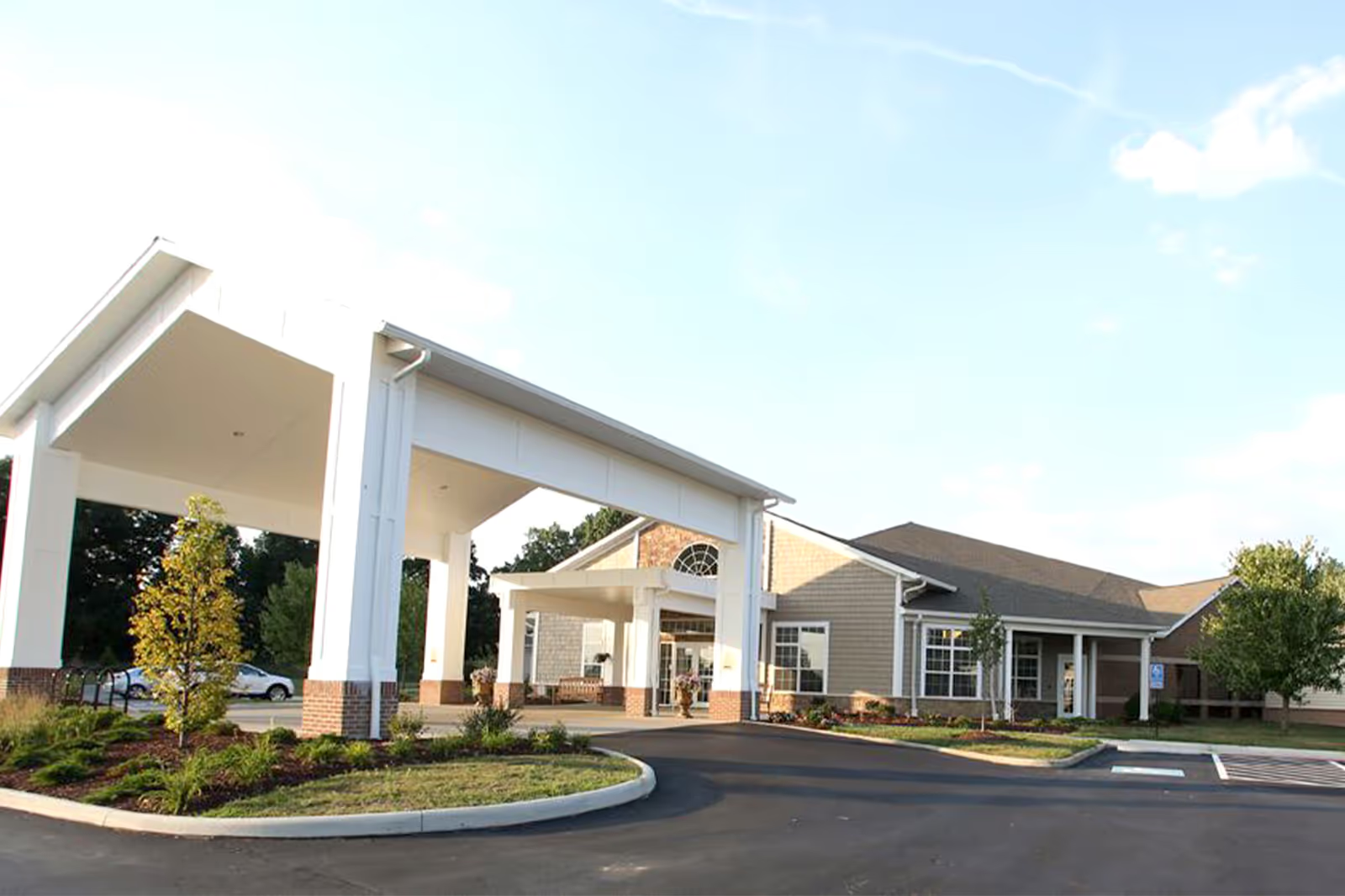
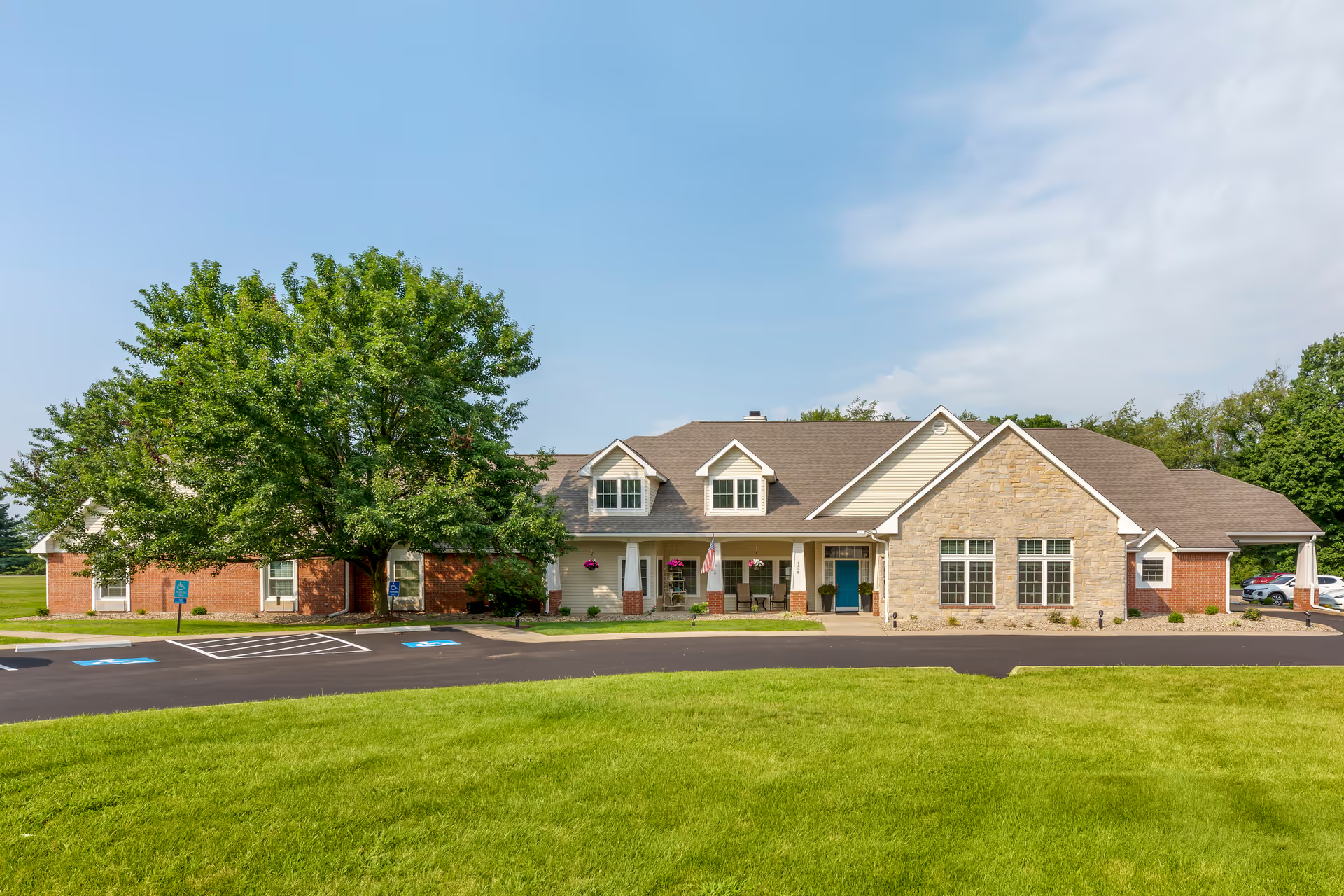
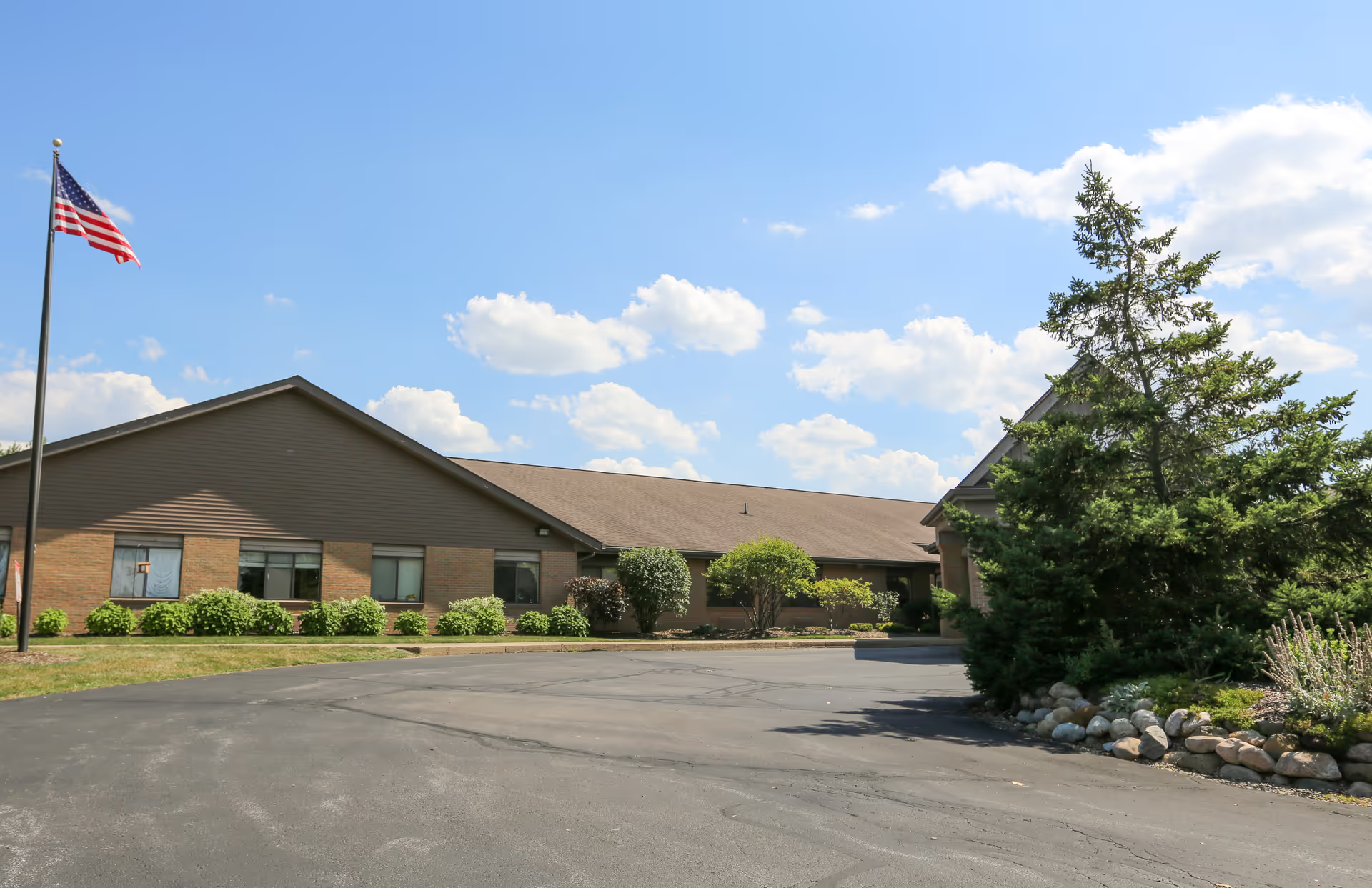
Facilities and community orientation are strengths in many accounts: the location, ongoing renovations, and a community-focused mission are seen positively. For prospective residents and families, the pattern suggests that experiences can vary substantially depending on unit staffing, timing, and the specific care team assigned. When evaluating the facility, consider asking for current staffing ratios, therapy plans and measurable goals, medication-review protocols, incident-reporting practices, emergency-preparedness policies, recent inspection results, and examples of family communication procedures. An on-site visit focused on staffing during different shifts, dining at meal times, and a review of the resident activity calendar can help prospective families assess whether the facility’s strengths align with their priorities.