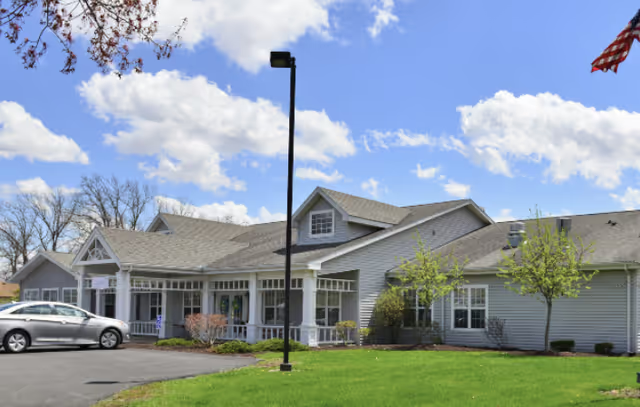
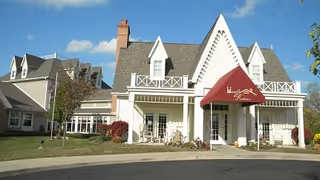
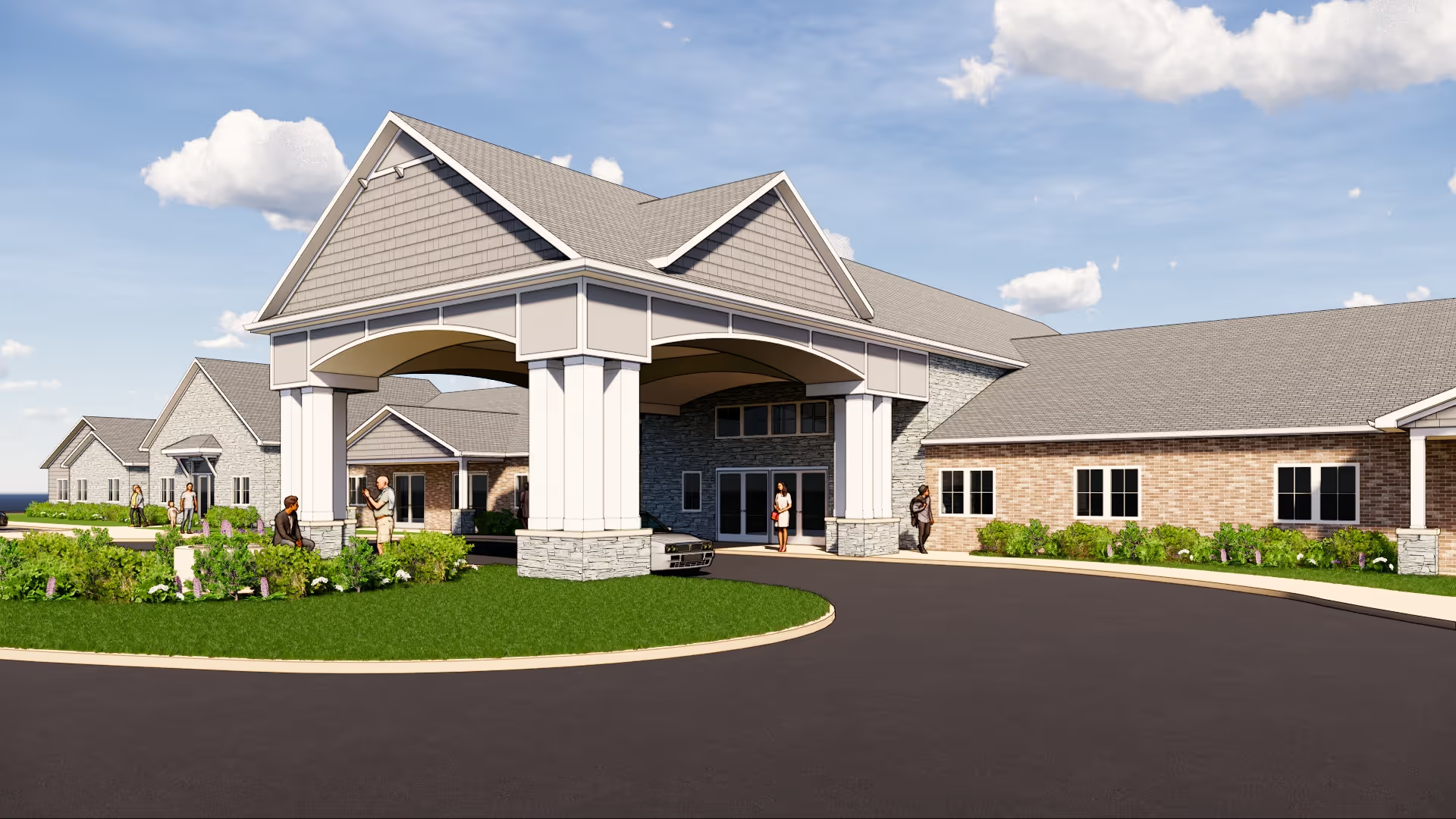
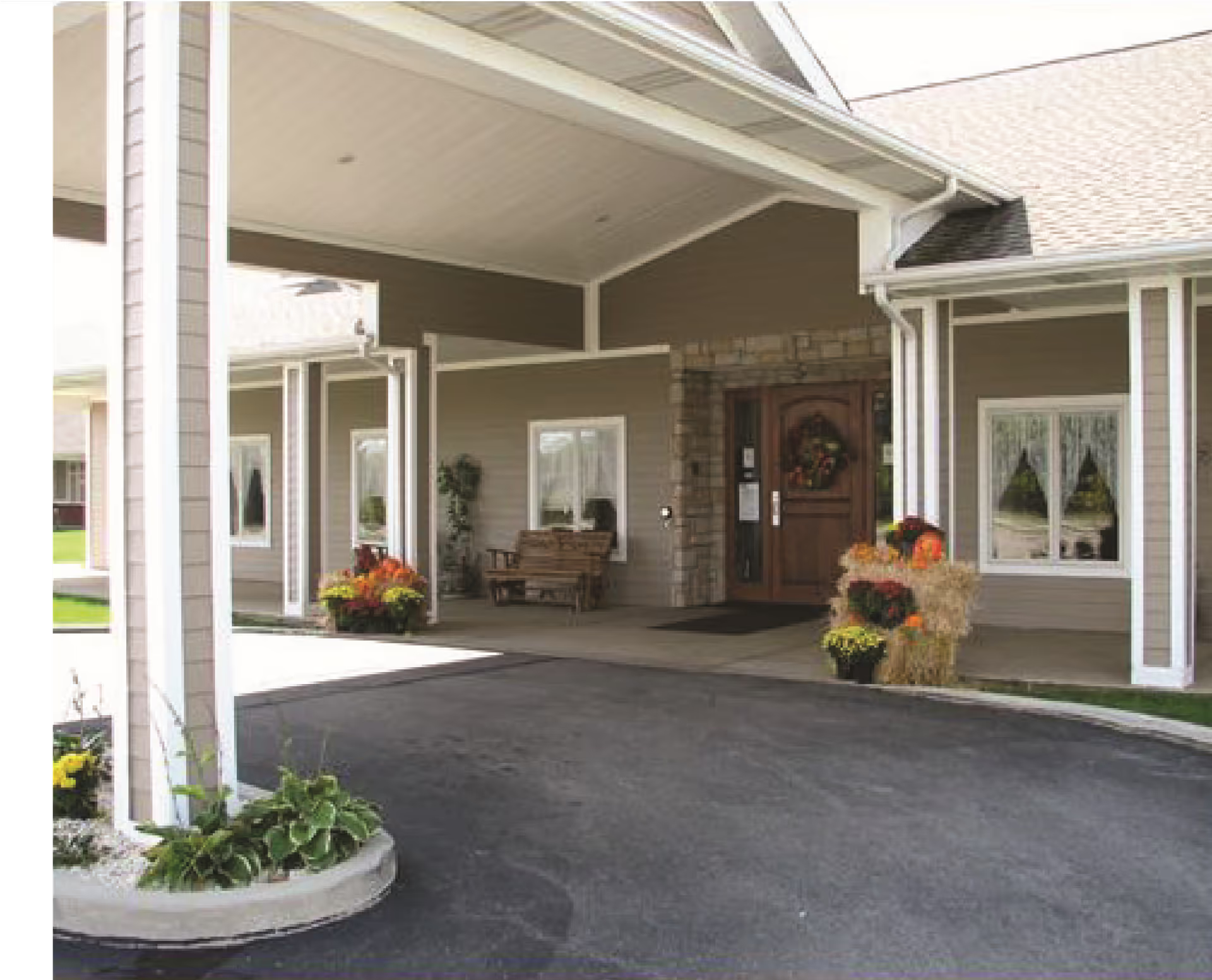
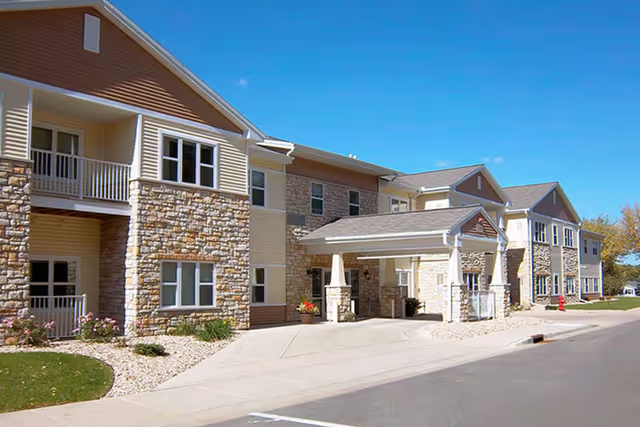
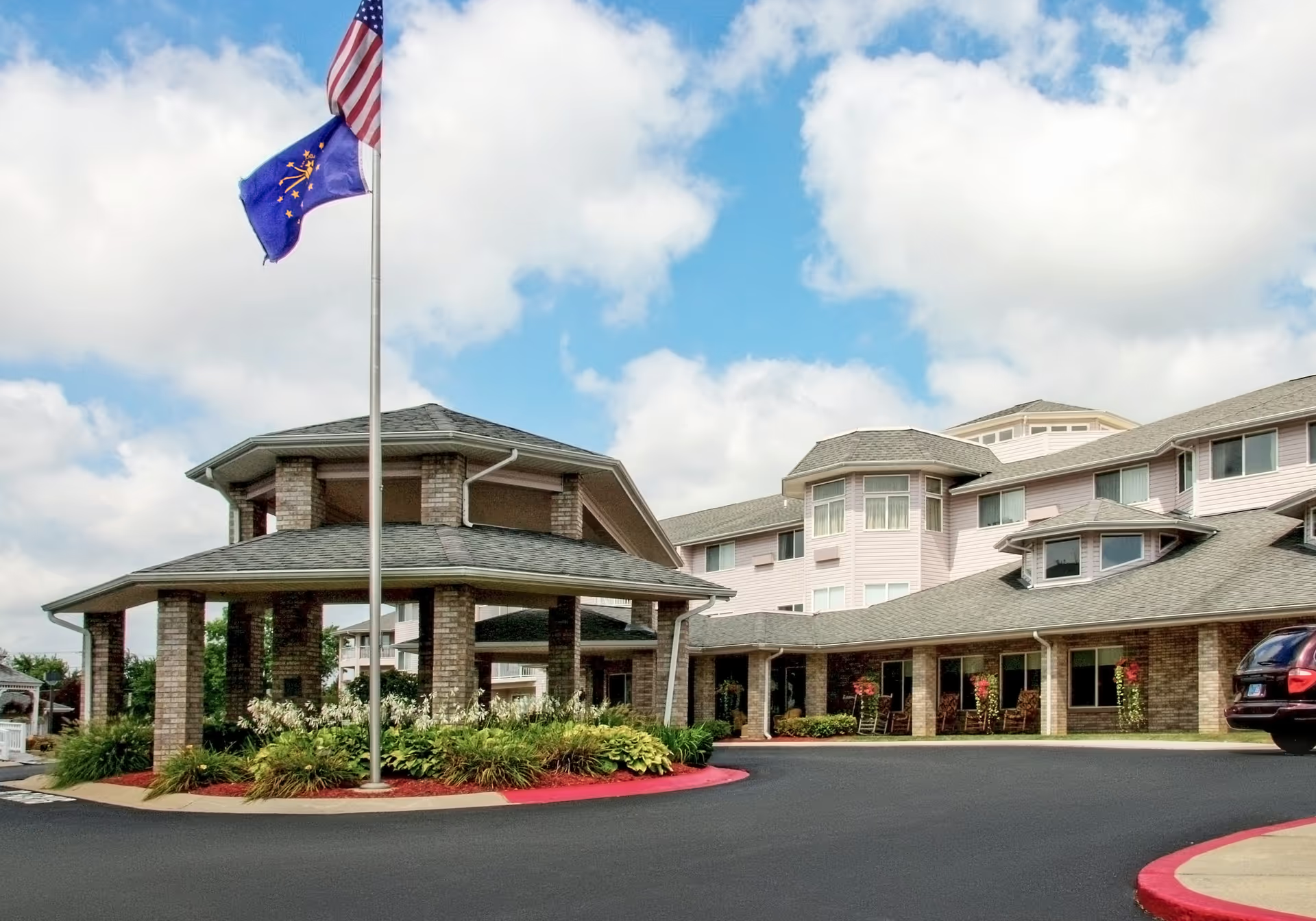
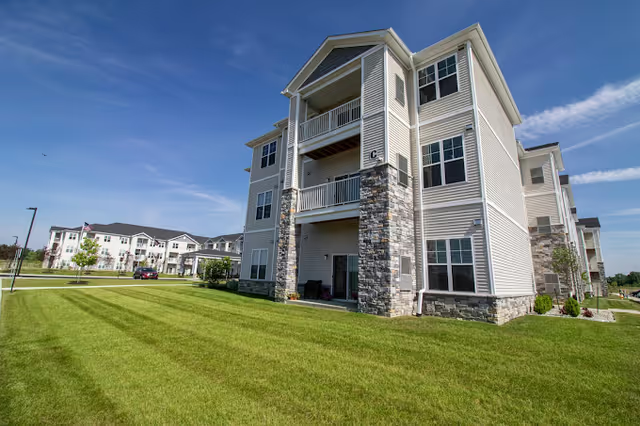
The reviews for Gardens at Paulding present a mixed picture: many families and visitors describe a welcoming, well-kept facility with a team of staff who create a family-like atmosphere, while other accounts identify operational gaps that warrant investigation before placement.
Care quality is described positively by numerous commenters who praise nursing, therapy, and medication management. Certified nursing assistants and aides are frequently characterized as attentive and kind, and several notes emphasize successful resident socialization and friendship development. Conversely, a subset of reviewers described inconsistent responsiveness from clinical staff and raised broader concerns about staff conduct and attentiveness; these comments indicate variability in day-to-day care experiences rather than a uniform pattern.
Staffing and workforce issues appear as a notable pattern. Positive comments emphasize strong teamwork, collaboration across departments, and specific staff members in admissions and social services who are helpful. At the same time, other reviewers cite staffing shortages, turnover pressures, and perceived under-compensation that may affect continuity of care and morale. These staffing dynamics are consistent with the contrasting experiences described: some shifts and departments receive high praise while others are described as less responsive.
Dining and support services receive largely favorable remarks. Kitchen and dietary personnel are singled out for caring service and rewarding meals; however, there are mentions of uneven recognition for these teams, suggesting potential morale or management-acknowledgment gaps. Housekeeping and facility appearance are often noted as strengths—reviewers describe a newer, well-maintained interior—yet there are also specific cleanliness and sanitation inconsistencies cited by others, along with odor concerns in certain areas.
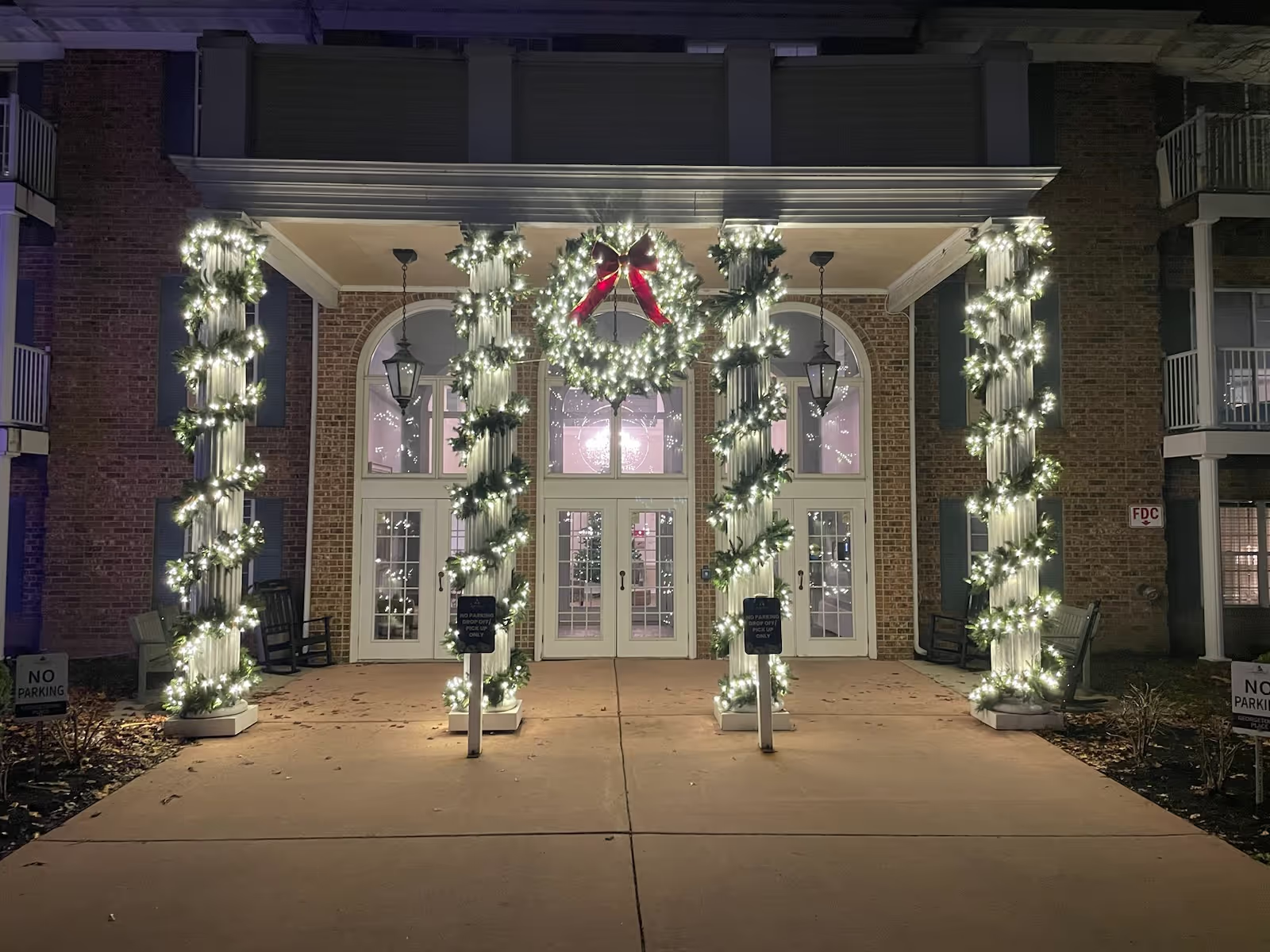
Activities and resident life are generally reported as positive. Holiday programming, volunteer visits, and routine recreational opportunities contribute to resident engagement. Families who attended events described smiling residents and plans to return, indicating that the social programming meets expectations for many participants.
Management and communication are areas with the clearest divergence. Several comments praise helpful admissions and social-services staff, but others describe difficulty contacting leadership, limited HR accessibility, and perceived indifference from certain management roles. Communication breakdowns between leadership and families—along with at least one serious assertion about suppression of feedback—suggest that prospective families should evaluate current transparency and complaint-resolution processes.
Overall, Gardens at Paulding shows multiple operational strengths—particularly in nursing/therapy, dietary, teamwork, and facility condition—while also showing evidence of variability tied to staffing, cleanliness consistency, and leadership responsiveness. Prospective residents and families should tour the facility, speak with current residents and families, request recent inspection or quality reports, ask about staffing ratios and turnover, and inquire specifically about cleaning protocols and how the facility handles family concerns to ensure current operations meet their expectations.