The reviews for Wayside Farm Nursing & Rehab are mixed, with distinct strengths in clinical programming and staff engagement alongside recurring operational concerns. Several reviewers praised the facility's capacity to accept residents with serious mental-health needs and its structured behavior-management program, which uses a points-and-rewards model to encourage participation. Families and commenters noted a range of daily activities and engagement opportunities that support resident socialization and routine.
Clinical care and nursing were described positively by multiple contributors: reviewers used terms such as professional nursing and excellent patient care, and some cited long-tenured clinical staff and focused staff training. These accounts suggest that the facility can provide competent rehabilitation and ongoing nursing support, and that individual caregivers frequently demonstrate empathy and resident-centered approaches.
Staff culture appears to be a major strength in portions of the facility. Many comments highlight a cohesive, family-like team atmosphere, supportive management, and employees who describe the site as a desirable workplace with positive morale. Maintenance and service responsiveness were also singled out as helpful, with quicker service-call follow-up and visible repairs or upgrades reported.
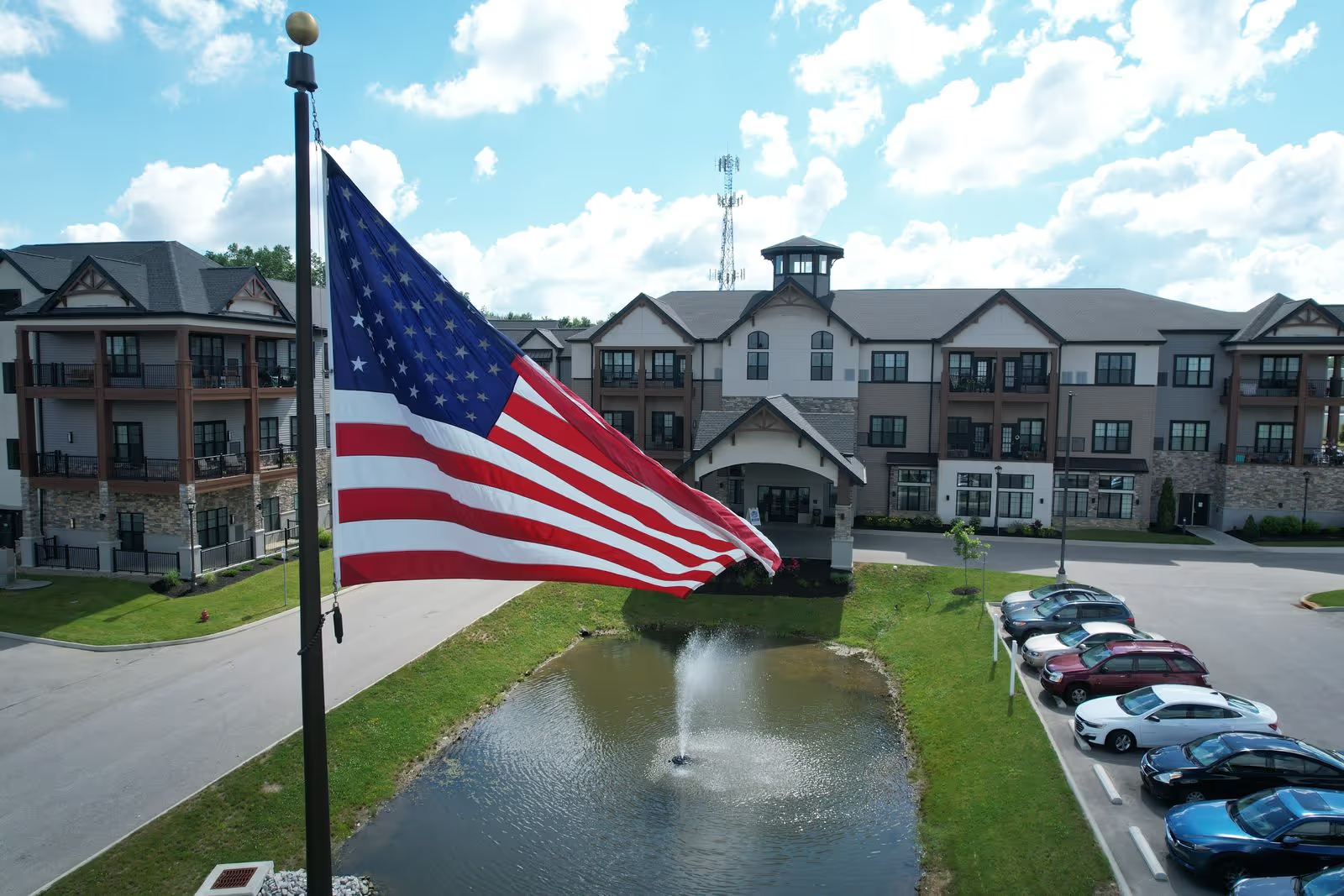
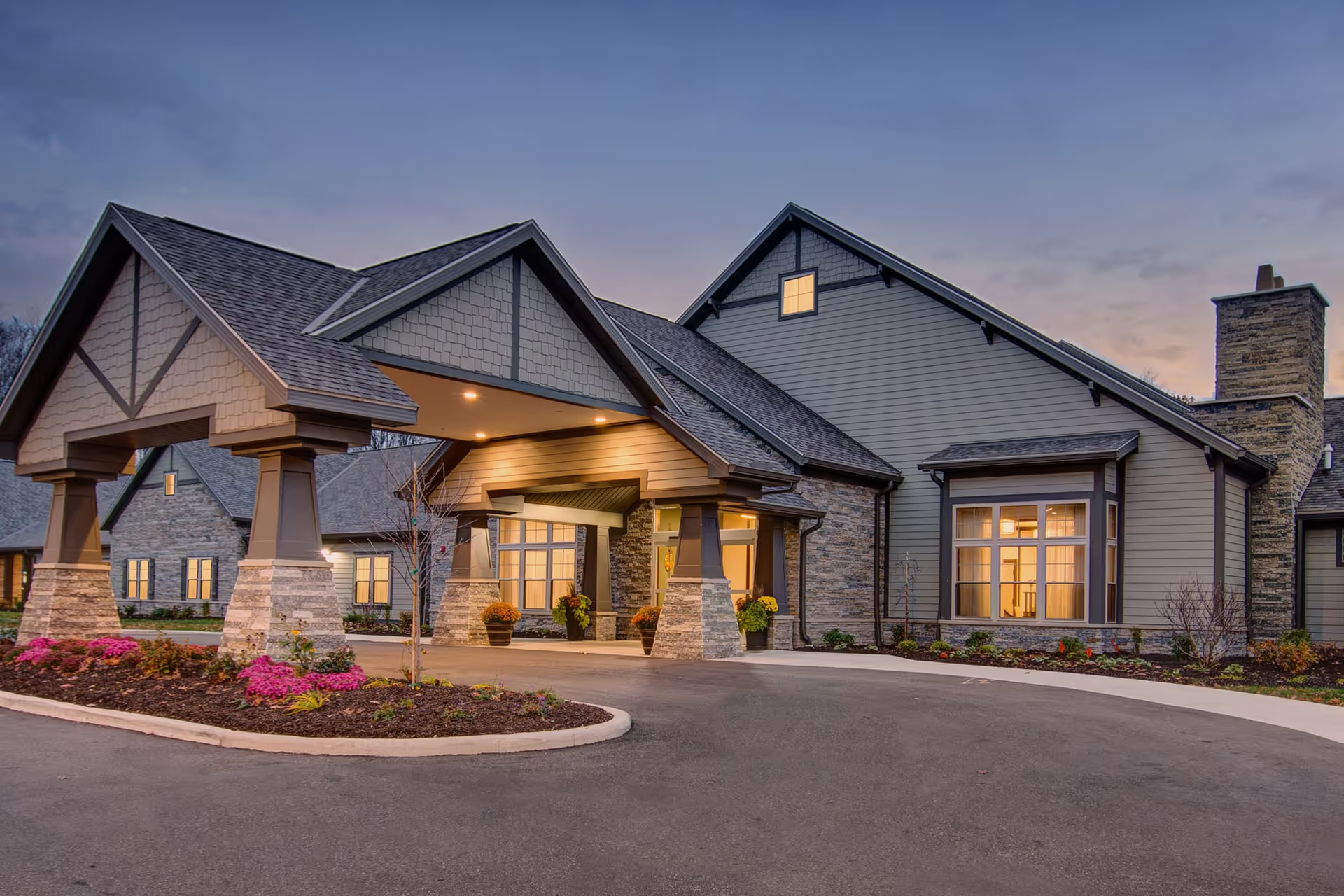
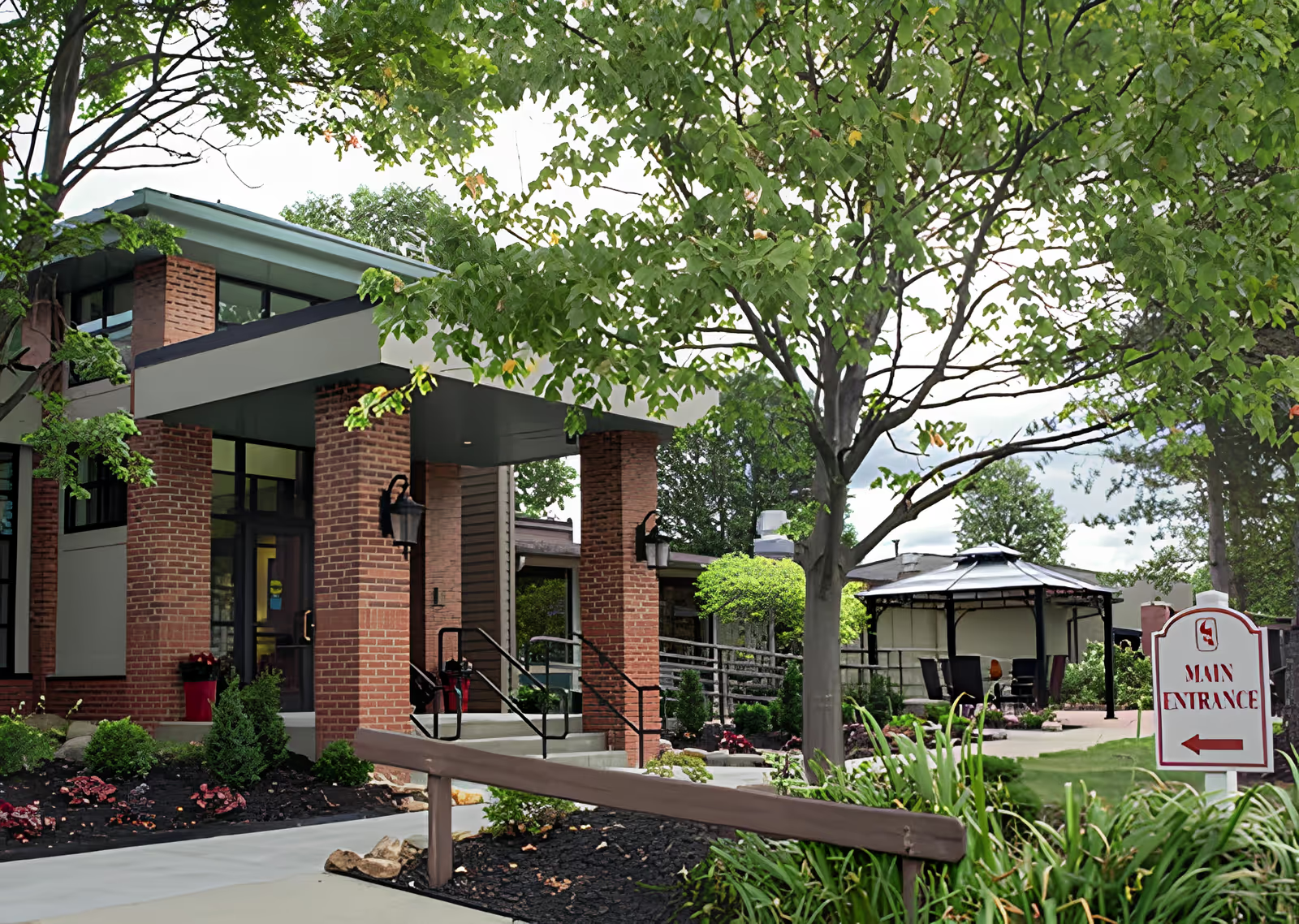
At the same time, there are consistent operational concerns that prospective families should investigate. Reviews diverge on cleanliness and the physical environment: while some describe recently upgraded, well-maintained areas and an extremely clean facility, others describe cleanliness and sanitation issues and a dingy appearance in parts of the building. Staffing stability is uneven — reports range from long-tenured employees to accounts of high turnover in multiple departments — which can affect continuity of care.
Management and ownership received mixed assessments. Positive accounts describe dedicated, empathetic leadership, while other reports raise concerns about leadership responsiveness, inconsistent promises, and a history of regulatory inquiry and safety-related concerns. Communication gaps and conflicting information to families and staff were also reported. Operational issues noted include episodic shortages of supplies and staff break-policy inconsistencies that could affect day-to-day caregiving and meal-service logistics.
On activities and resident engagement the facility scores well, with organized programming and a behavior-reward system that some families find beneficial. Dining-specific feedback is limited in the available summaries; however, indirect indicators such as staff meal-break issues and supply constraints suggest families should ask targeted questions about meal consistency, menu quality, and staffing coverage during dining periods.
Recommendation: Prospective residents and families should arrange an in-person tour, observe multiple units (including common areas and dining), ask for current staffing ratios and turnover metrics, and request the facility’s most recent regulatory/inspection history. Specific questions to consider include details about the behavior-management program, sanitation and infection-control protocols, supply management, staff training and retention strategies, and how leadership addresses resident and family concerns. These steps will help reconcile the polarized reports and clarify whether the facility’s strengths align with a prospective resident’s needs.