Overall impression: Reviews present a predominantly positive view of Renaissance of Richfield/Bath as an attractive, amenity‑rich senior community with strengths in personalized caregiving, dining, and social programming. Many families and visitors emphasize the facility's Main Street design, ample outdoor space, and a broad set of on‑site amenities that contribute to a small‑town atmosphere. At the same time, a subset of reviewers describe operational weaknesses around staffing, cleanliness, and administrative processes; these create a mixed overall picture that prospective families should evaluate directly during a visit.
Care and staff: The facility receives consistent praise for compassionate, resident‑focused caregiving, including staff trained in dementia care. Reviewers frequently describe staff as engaged, attentive, and willing to spend time with residents to support interests such as gardening and worship. Several comments highlight hands‑on local ownership and visible leadership that families find reassuring. However, reviews also raise concerns about variable staffing levels, periods of heavy reliance on agency personnel, and instances of insufficient routine checks. These operational staffing variations are cited as contributing to delays in some aspects of daily care and service continuity.
Dining and activities: Dining is a recurrent strength in the reviews. Many describe chef‑prepared, scratch‑made meals, flexible diet accommodations (including palatable texture‑modified options), and a broadly favorable culinary program. Activities are described as varied and well integrated across assisted‑living and memory‑care households, including chair yoga, baking classes, worship services, pet visits, gardening, and social events that encourage resident engagement. Families note that programming appears designed to be inclusive of different levels of cognitive and physical function.
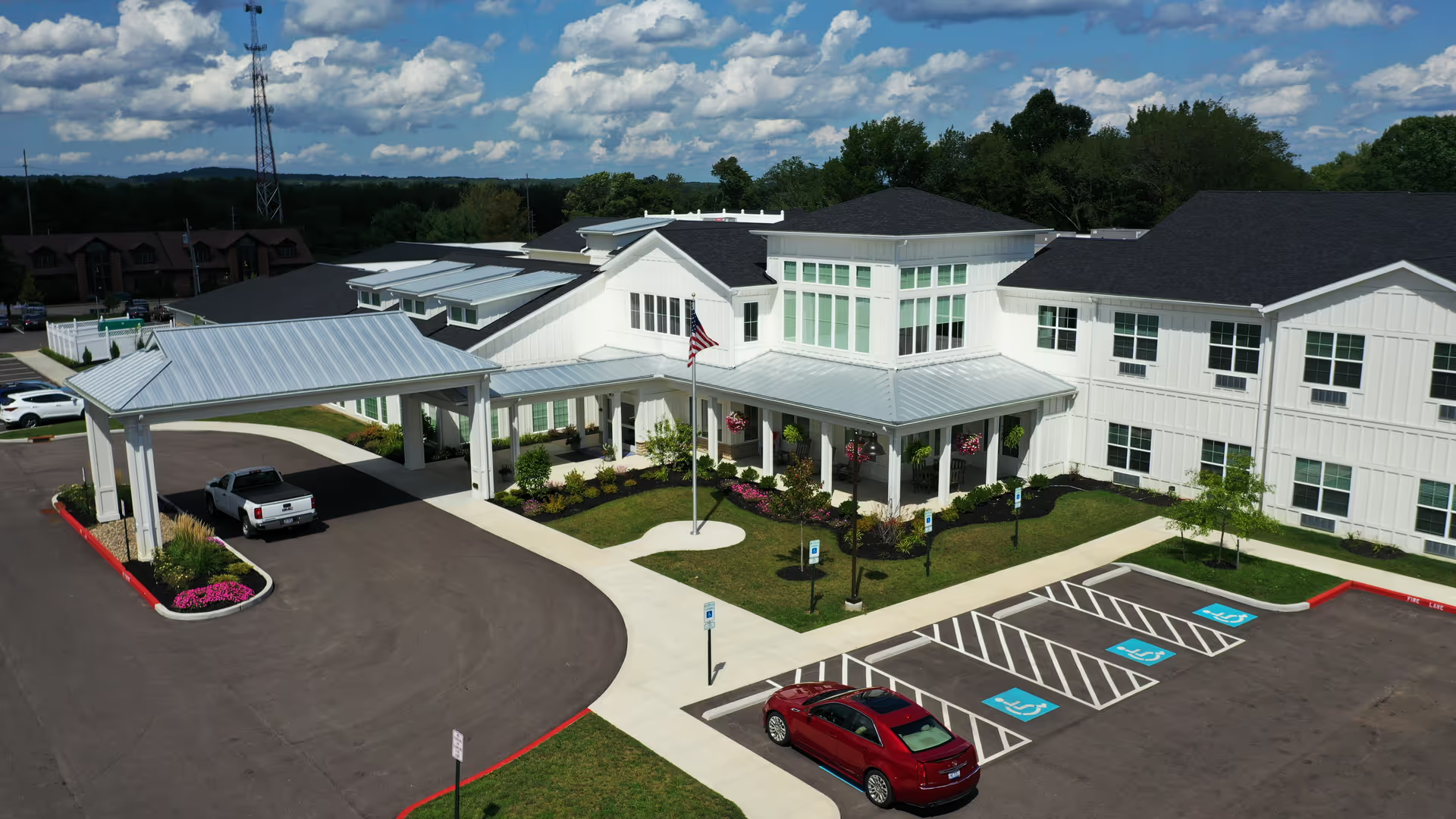
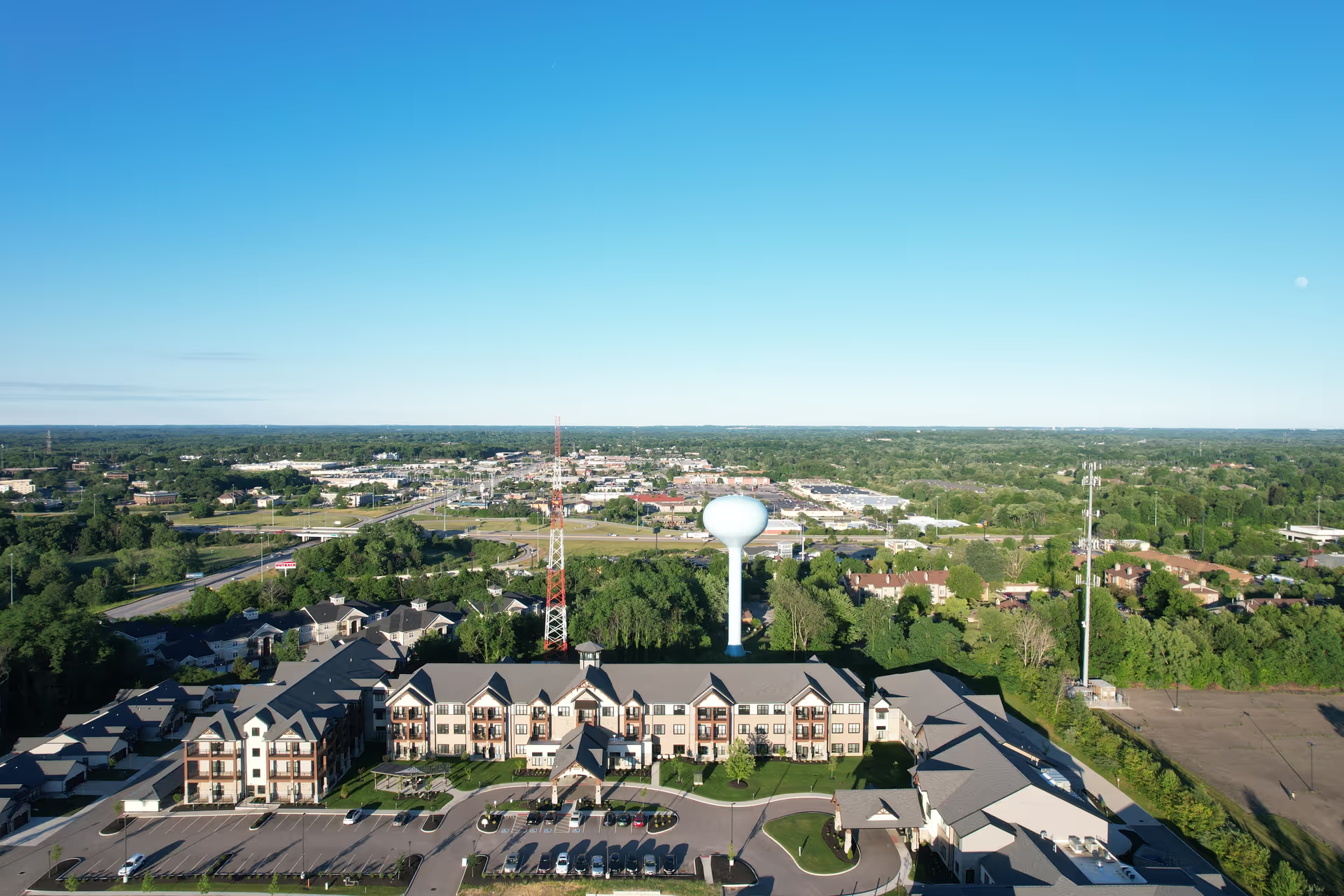
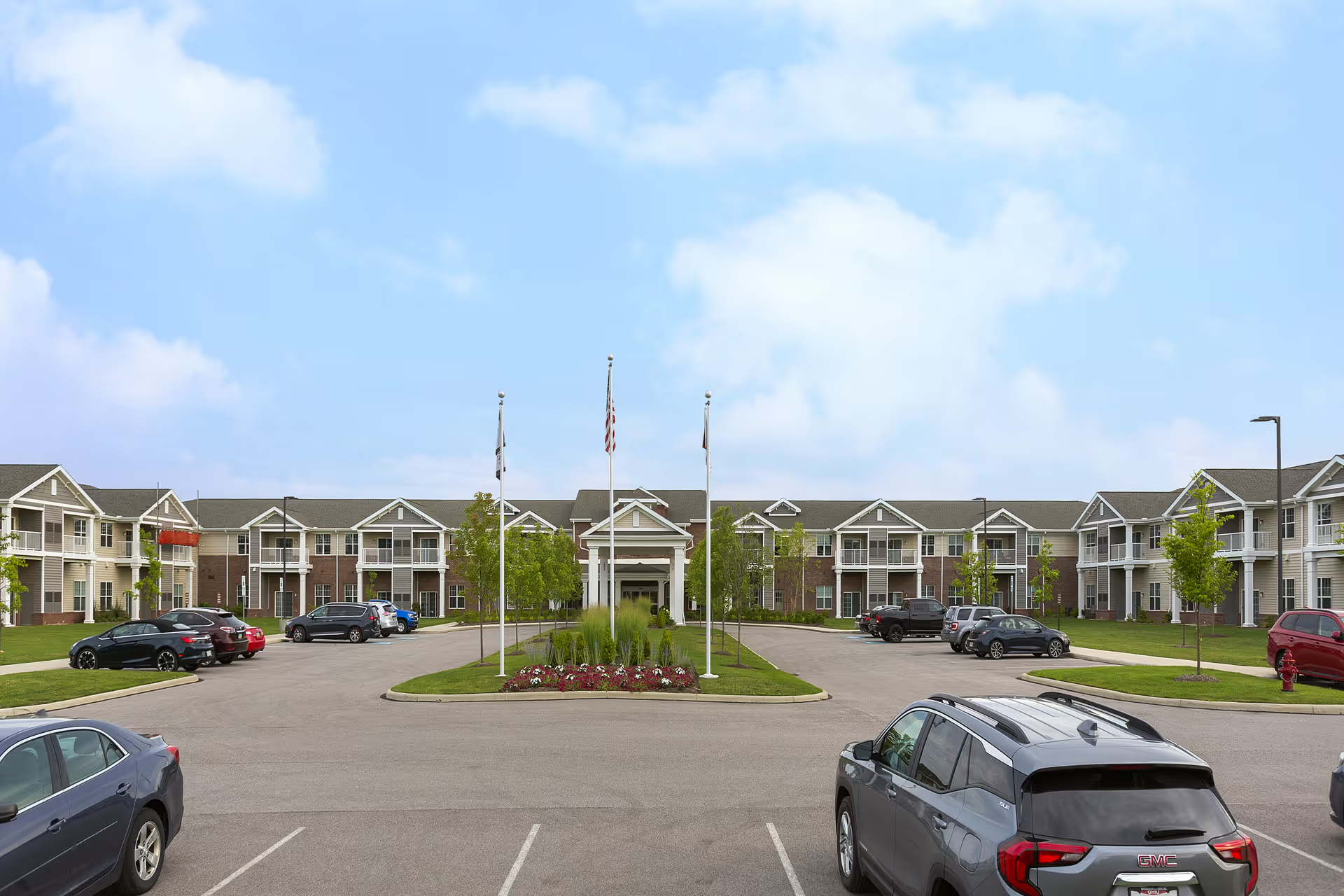
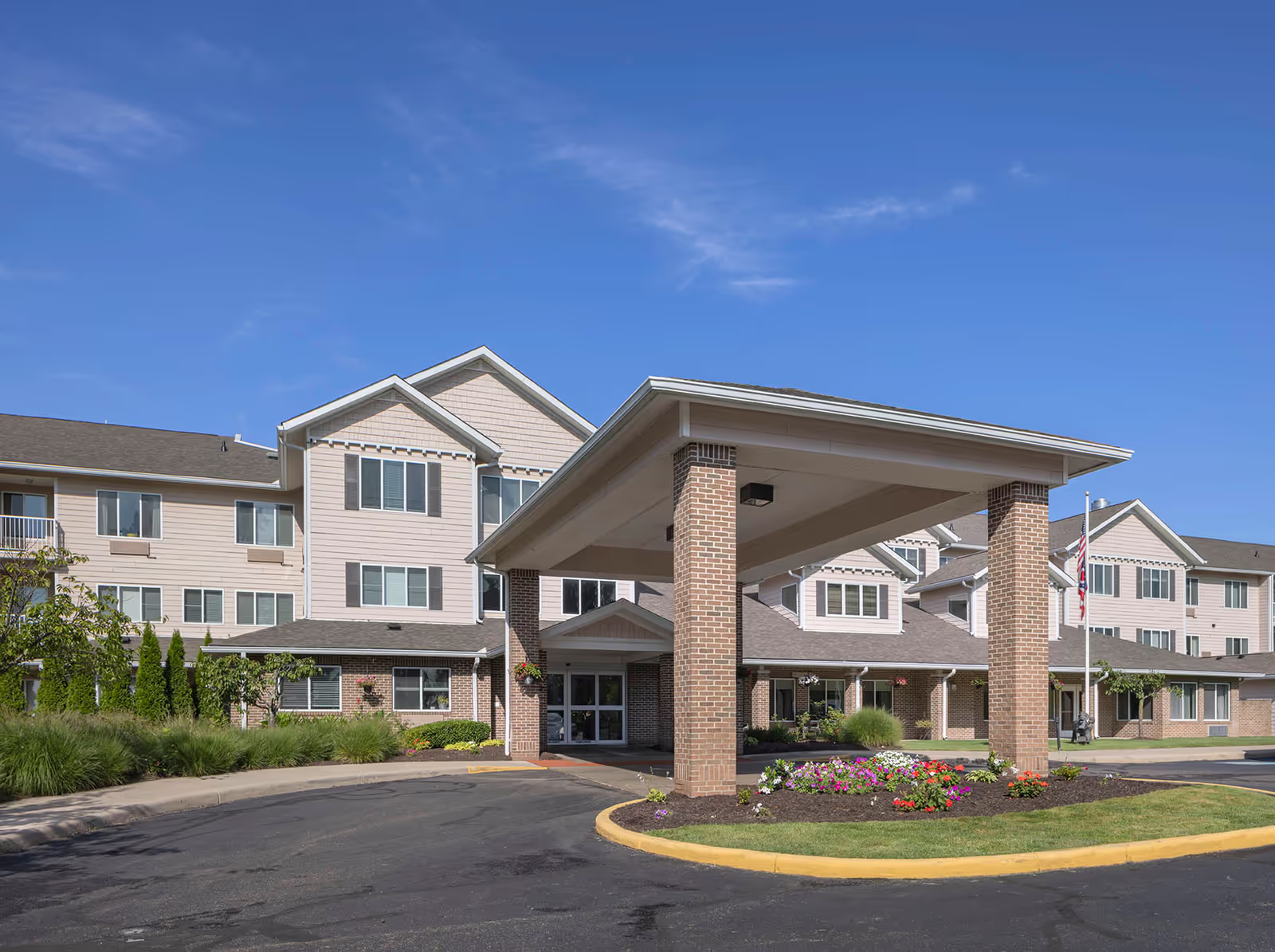
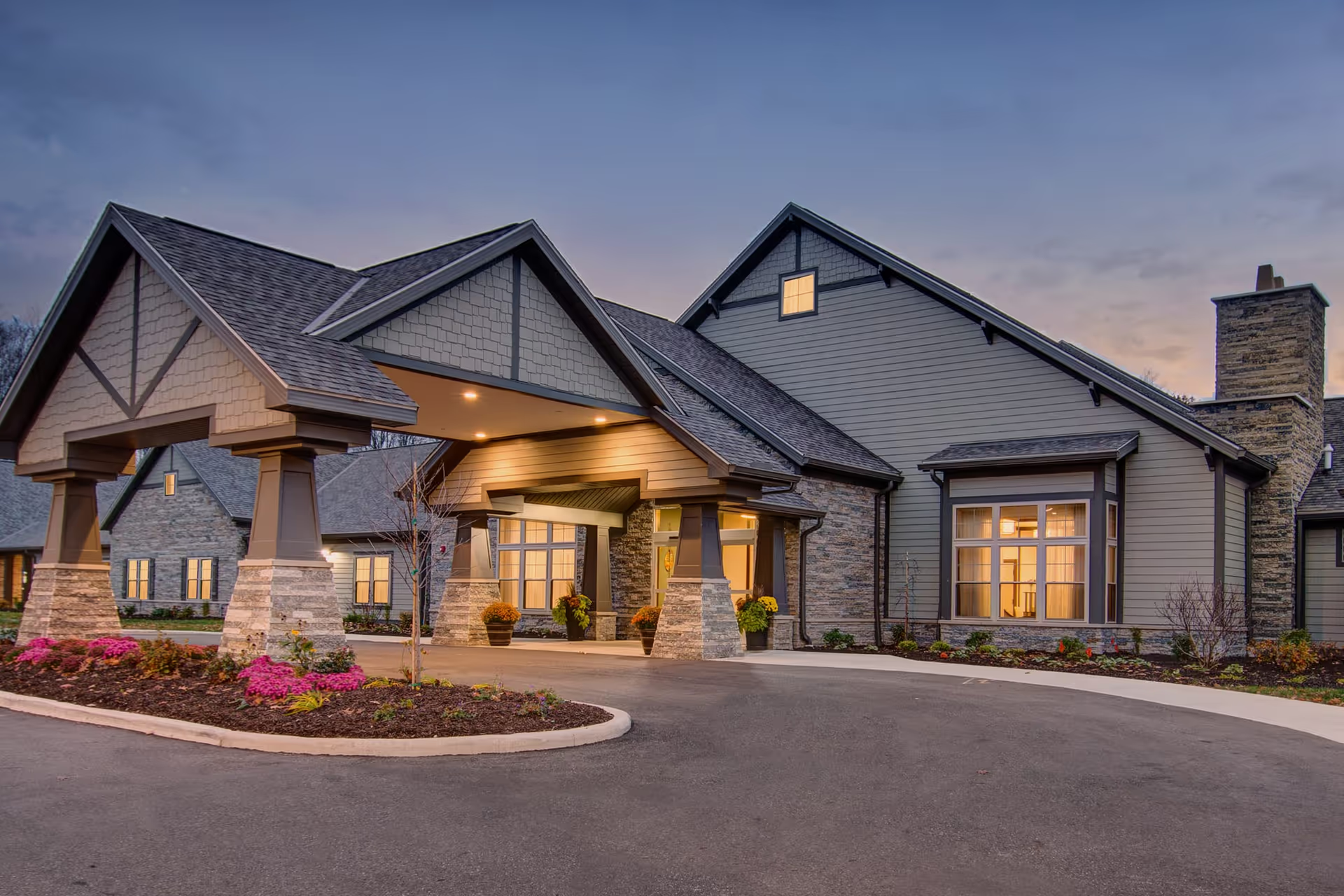
Facilities and safety: The campus layout and decor receive strong positive comments: spacious apartments, well‑laid‑out grounds, courtyard patios, and communal Main Street amenities such as a movie theater, chapel, salon, and café. Memory‑care units are described as secure, with wander‑monitoring technology in place. These physical and technological elements are seen as supporting both quality of life and safety for residents.
Management and operations: Many reviewers commend the local, privately owned leadership and on‑site management presence, which they view as contributing to a family‑oriented culture. Conversely, there are repeated operational concerns that prospective families should probe further: inconsistent housekeeping and sanitation practices (including laundry backlogs), variable staff coverage that affects routine checks, and perceptions that administrative interactions can be payment‑focused. Several reviewers also raised questions about how the facility handled a serious resident incident and subsequent family communication; this has left some families seeking clearer incident‑response protocols and timelier communication.
What to look for on a visit: Verify current staffing ratios and the facility's use of agency staff, ask for recent housekeeping and laundry workflows, and request examples of incident‑response and family‑communication procedures. Sample meals and attend or observe activities to assess programming fit. Confirm Medicaid acceptance details and any financial processes that may affect care transitions. Given the mix of strong, consistent positives with intermittent operational concerns, an in‑person tour and direct conversations with management and clinical staff will best clarify whether the facility's day‑to‑day operations align with a family's expectations and care needs.