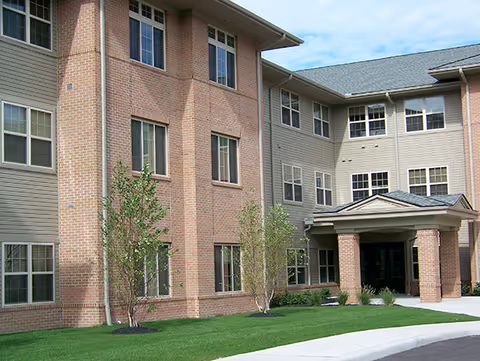
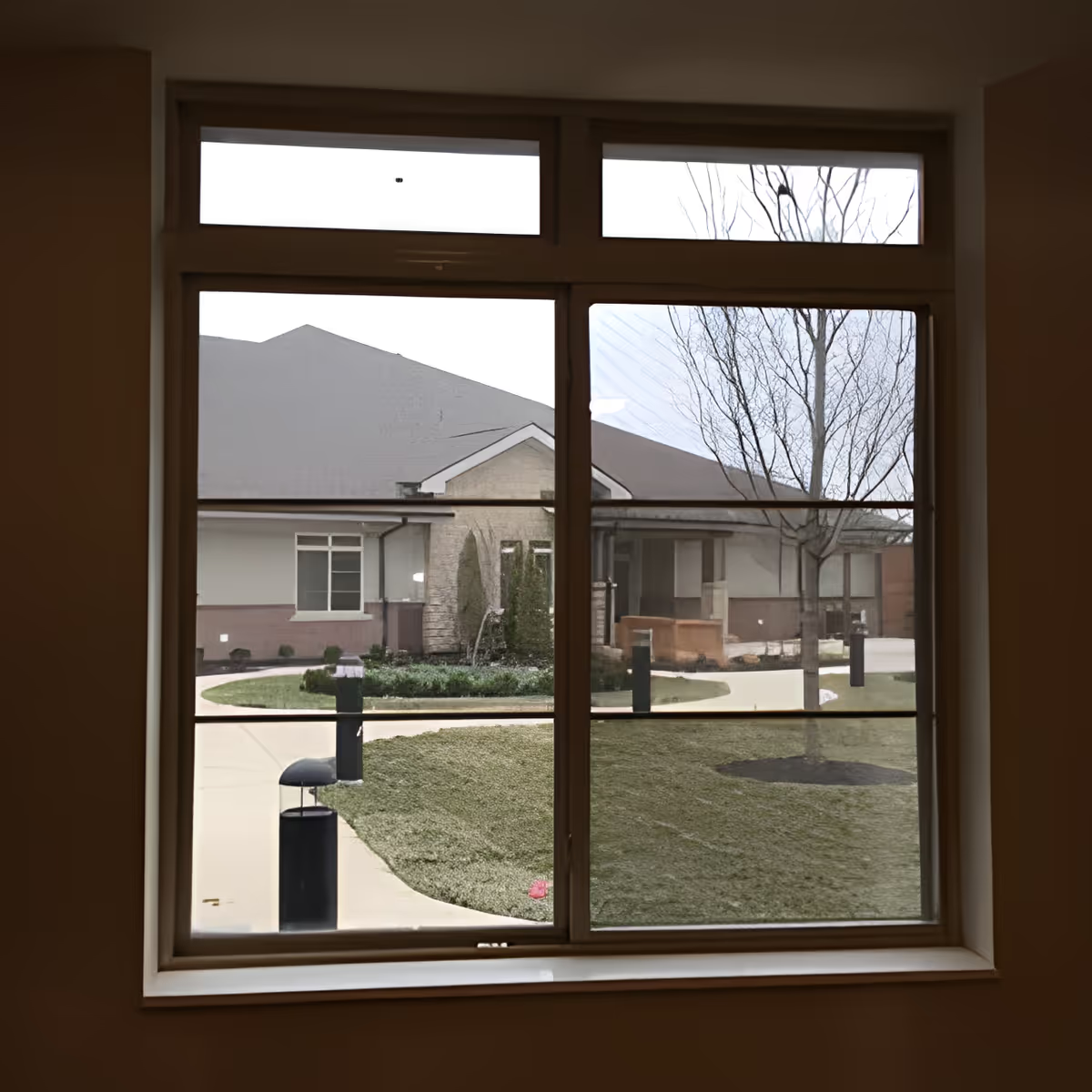
The Harbor Court presents a mixed profile: many families and visitors praise the community’s warm, apartment-like environment, secure memory-care neighborhood, and a range of on-site services such as therapy, an activities program, transportation, and hospice support. Physical spaces are often described as spacious and well-appointed, with ongoing renovations, a pleasant dining area, a movie room, and a dedicated reminiscence/activity room that supports cognitive engagement. Several reviewers highlighted staff who are caring, personable, and attentive — front-office personnel, aides, and some nursing staff were singled out for professionalism and family-oriented communication.
Care quality has notable positives alongside areas of operational variability. Positive accounts describe person-centered care, helpful aides, and 24-hour RN coverage and on-site medical oversight that families found reassuring. At the same time, reviews point to chronic understaffing and high turnover that produce inconsistent coverage and variable caregiver performance; this is most apparent during nights and other after‑hours periods. There are also concerns about management oversight and staff accountability that can affect care continuity and responsiveness.
Dining and activities are strengths in many respects: the community offers a variety of daily activities (bingo, puzzles, reminiscence, movie viewings), transportation to appointments and shopping, and housekeeping and laundry services. Food quality and accessibility are unevenly experienced — some families find the meals appealing while others note inconsistent food quality and a steep dining ramp that presents challenges for residents who use walkers or other mobility aids.
Facility maintenance and operational practices are mixed. Several reviewers commend the cleanliness and comfort of suites and common areas, but there are sanitation and cleanliness concerns cited in certain areas of the building. Operational barriers such as restricted access to clinical supplies and supply‑management practices have been described as interfering with efficient nursing care. Additionally, there are serious-management level concerns raised about inventory and resident-property safeguards; these include allegations of theft and related financial-control weaknesses that warrant independent verification.
Management responsiveness presents an inconsistent picture: some visitors describe accommodating directors and smooth move-ins, while others report slow corporate follow-up and defensive or insufficient responses when concerns are raised. Given the pattern of contrasting experiences, prospective residents and families should perform targeted due diligence during a visit: ask about current staffing ratios (day and night), turnover rates, after-hours nursing and hospice coordination, supply-access procedures for clinical staff, processes for incident investigation and resident-property protection, and recent remediation actions for cleanliness and staffing. These checks will help clarify whether the community’s caregiving strengths are consistently supported by stable operations and managerial oversight.