The Welsh Home elicits a mixed set of impressions. Many families and clinicians praise the facility’s rehabilitation capacity, with consistently strong physical and occupational therapy services and numerous reports of residents returning home after short-term stays. Reviewers frequently note a clean, well-kept facility with attractive grounds, large common areas, and attentive infection-control measures implemented during the COVID period. Multiple accounts highlight compassionate aides and nursing staff who provide individualized attention, friendly dietary staff who accommodate meal preferences, and active attempts to keep families connected during restricted visitation.
At the same time, there are recurring operational concerns that prospective residents and families should evaluate. Shortcomings are most commonly described in long-term personal care and hygiene processes: inconsistent bathing and routine personal-care assistance, gaps in dental and denture maintenance, and variable laundry handling that has led to garment damage. Several reviewers also described interruptions or delays in medication administration and occasional supply shortages. These patterns translate into questions about the facility’s suitability for residents with progressive memory needs or complex long-term care requirements.
Dining and activities are another area of contrast. The dietary team is often characterized as friendly and willing to personalize meals, and some reviewers praised fresh daily food and pleasant communal dining. Conversely, other families described cold meals, limited choices, and small portions. Life-enrichment and therapy-led activities are available and welcomed by many, but a number of accounts indicate limited engagement specifically tailored to residents with dementia or advanced memory impairment.
Staff quality appears variable by unit and shift. Numerous comments applaud individual caregivers, therapists, and specific leaders for proactive communication, compassionate end-of-life support, and pandemic-era leadership. However, other accounts describe lapses in responsiveness to urgent resident needs, inconsistent housekeeping frequency, allegations of preferential treatment among staff, and concerns about staff culture. There are also isolated but serious operational issues noted around pest control and billing: families reported unexpected out-of-network pharmacy or therapy charges, difficulties with preauthorization promises, and aggressive collection correspondence.
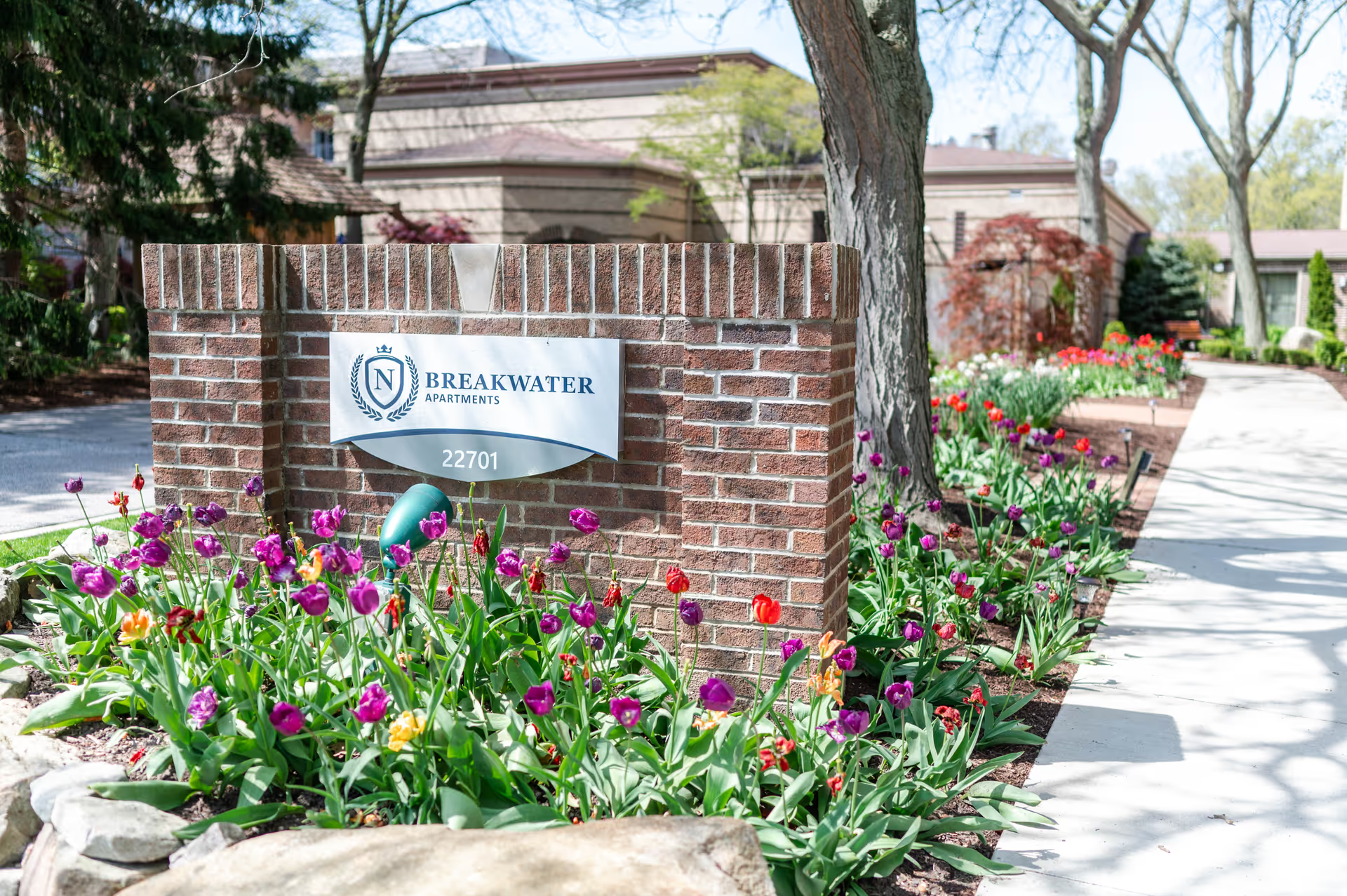
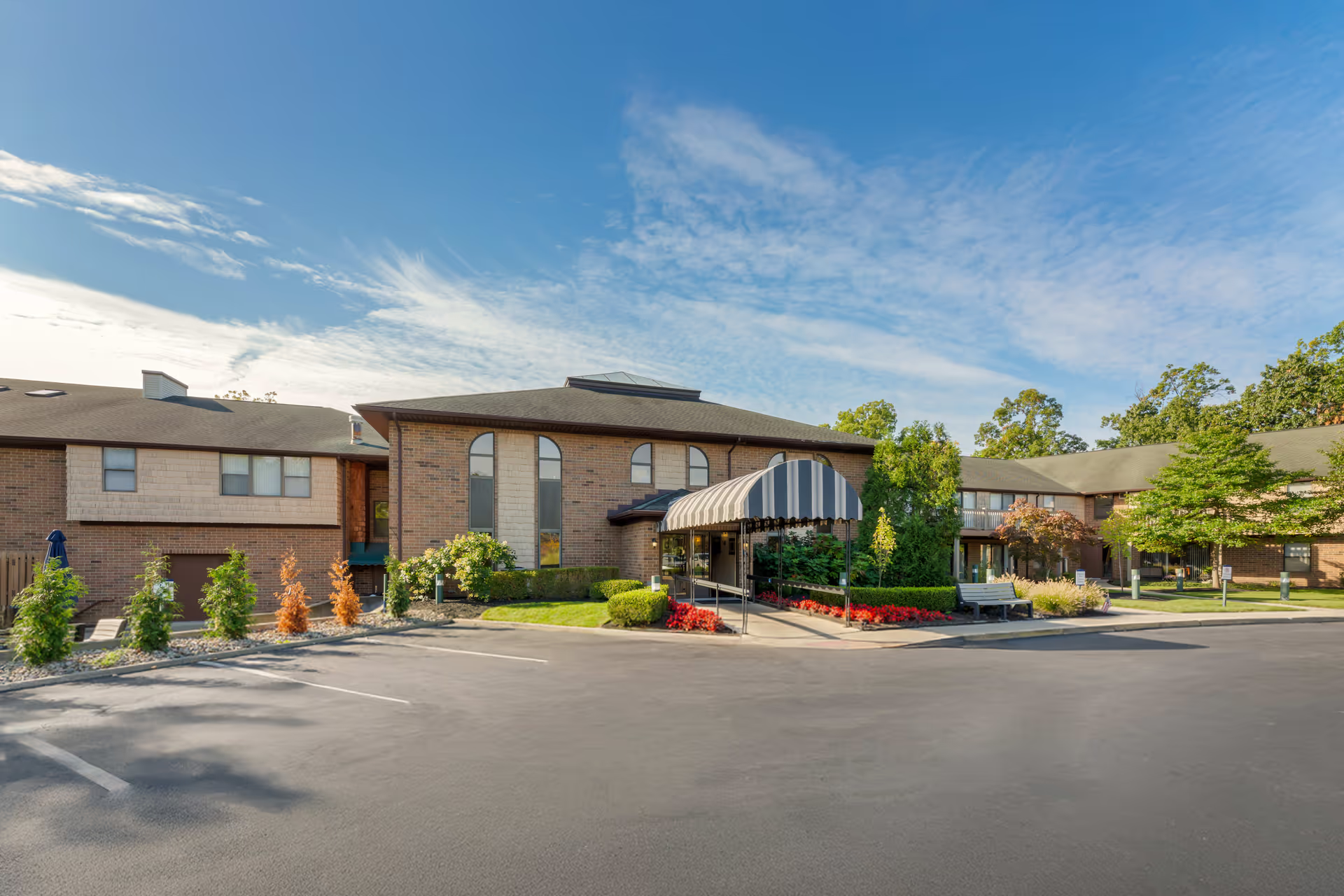
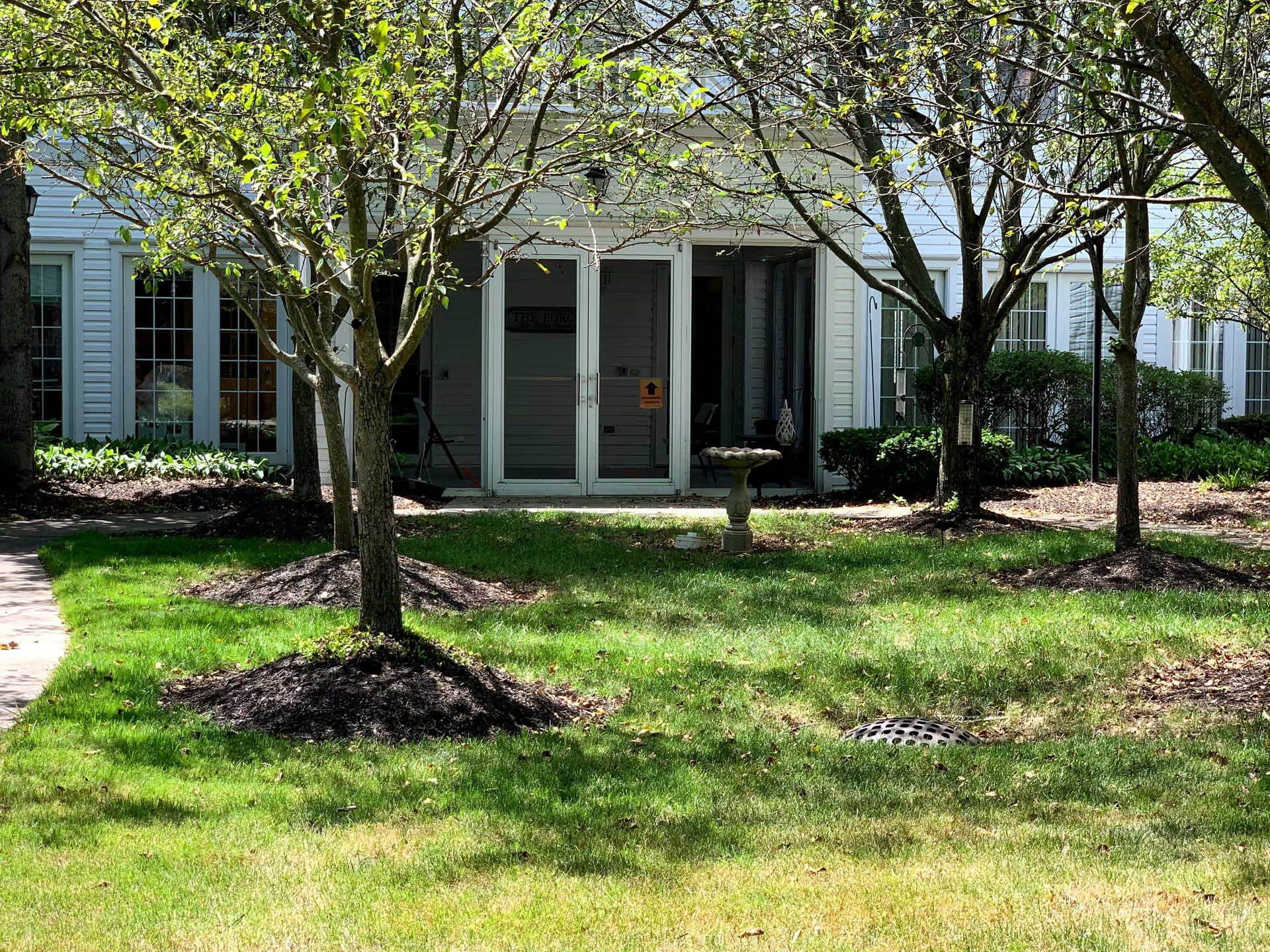
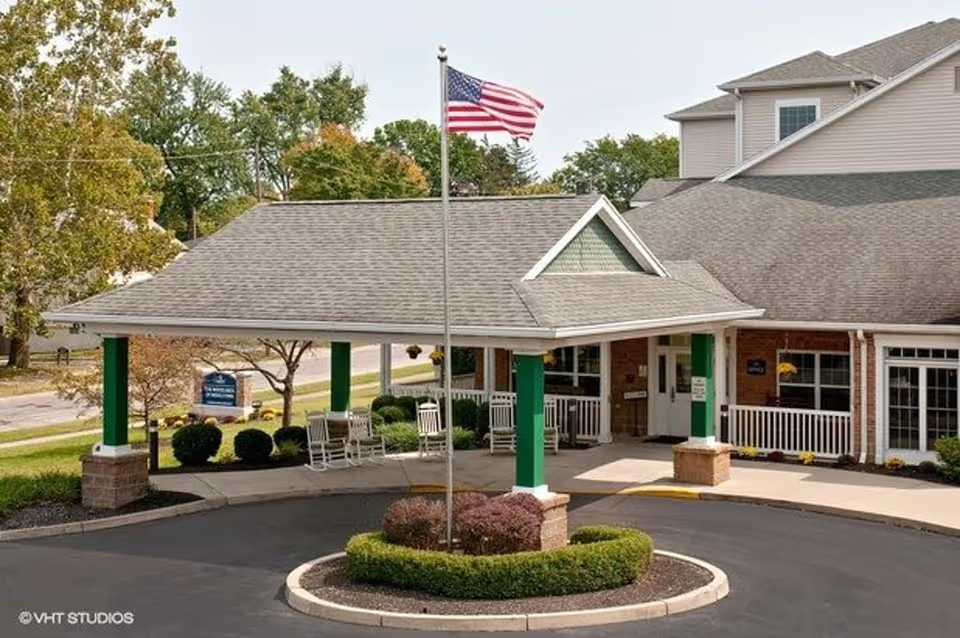
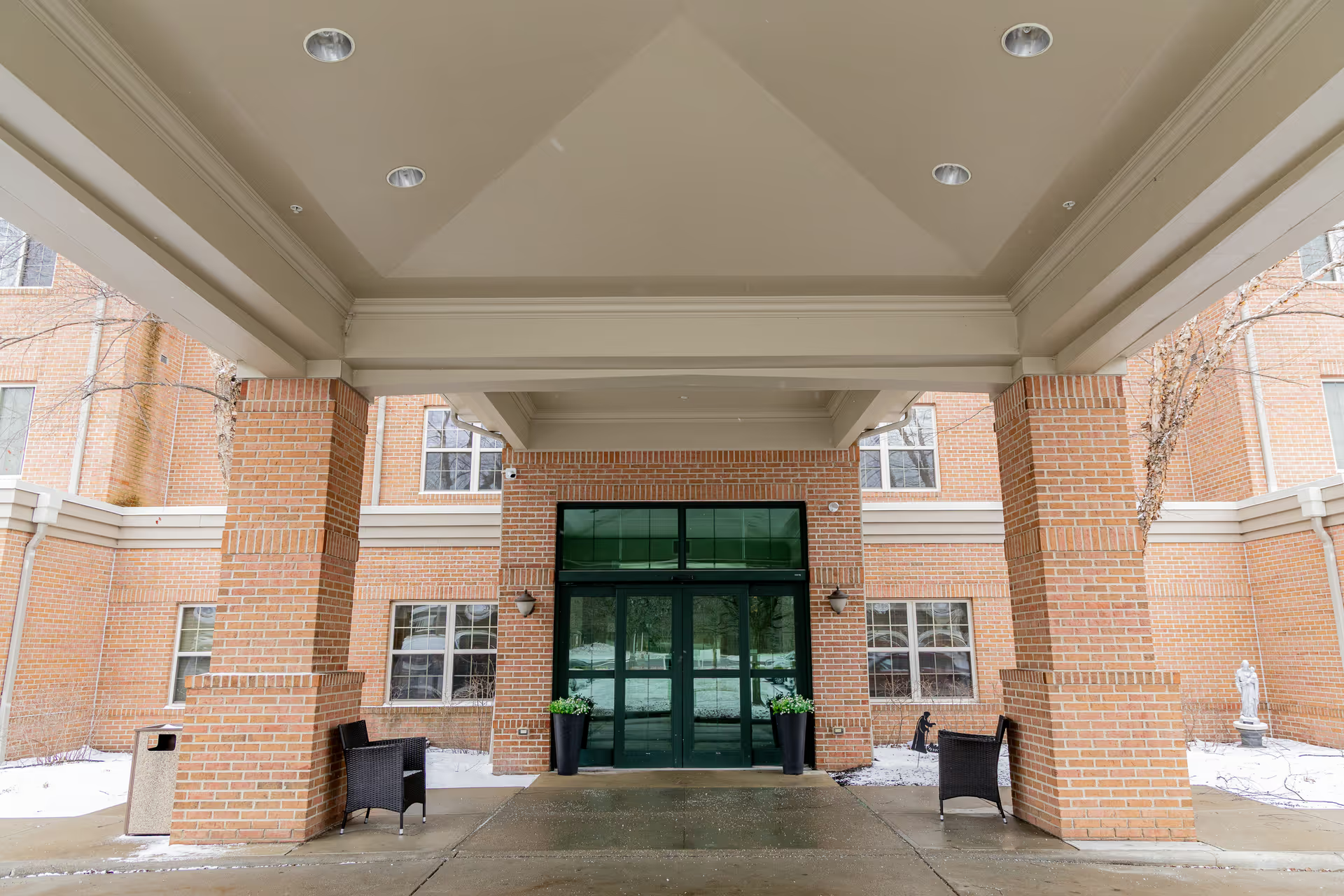
Facilities and logistics generally score well on physical upkeep: many reviewers describe the building as clean, serene, and well-appointed, with private-room options and accessible outdoor patios. Some limitations appear in shared-room sizing, noise in certain areas, and constrained shower scheduling. Taken together, the pattern suggests the Welsh Home can offer excellent short-term rehabilitation and strong interpersonal caregiving in many cases, but prospective residents — especially those seeking long-term memory care — should carefully verify day-to-day operational practices.
Recommended due diligence for families: ask about current staffing ratios and turnover, daily schedules for bathing and personal care, specific dental and denture-maintenance protocols, laundry handling procedures and safeguards, medication administration timing and contingency plans for shortages, dementia-programming details, pest-control measures, and written billing/coverage policies for pharmacy and therapy services. Visiting the unit during different shifts and speaking directly with therapy staff, nursing leadership, and families of long-term residents will help clarify whether the facility is a fit for the individual’s needs.