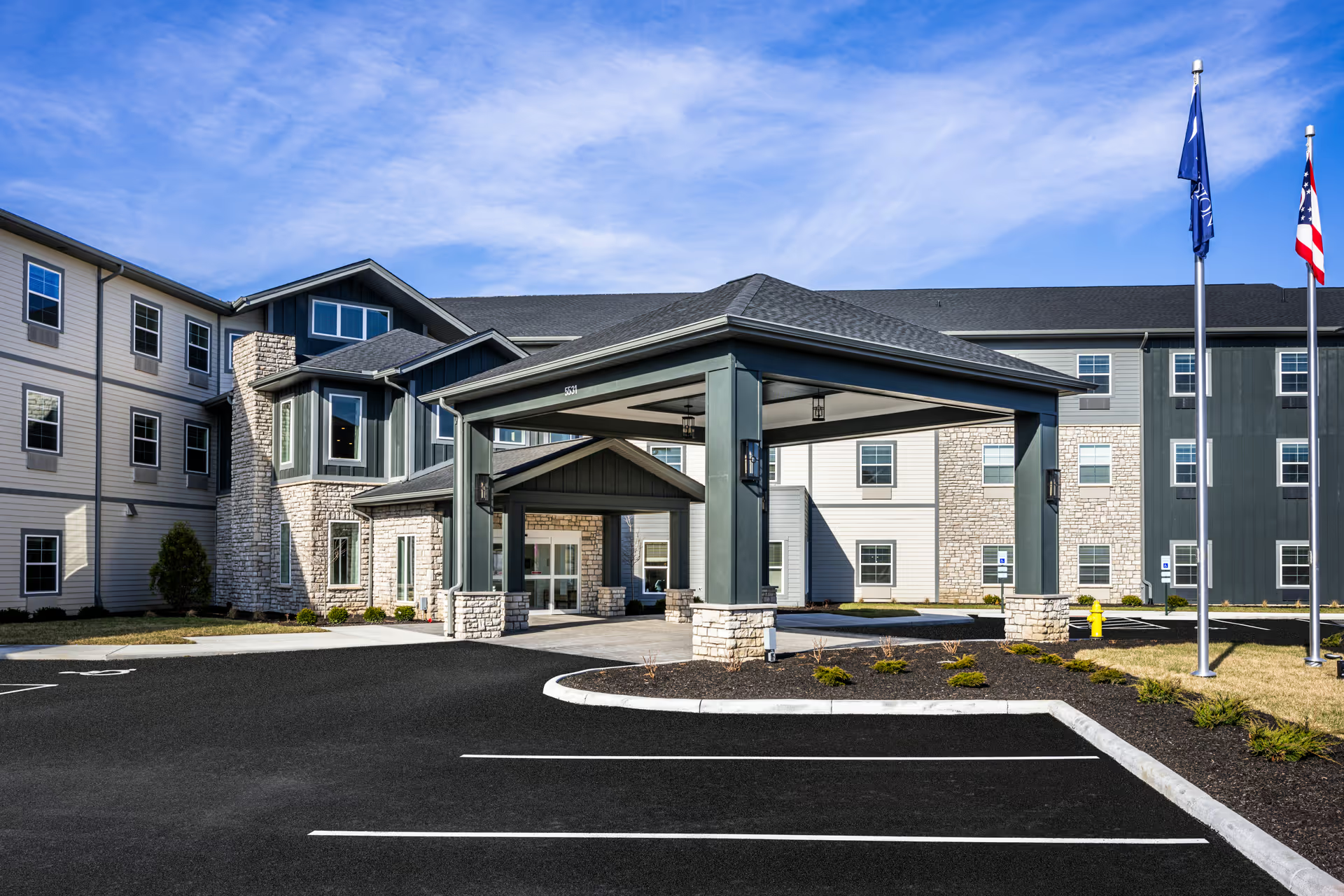
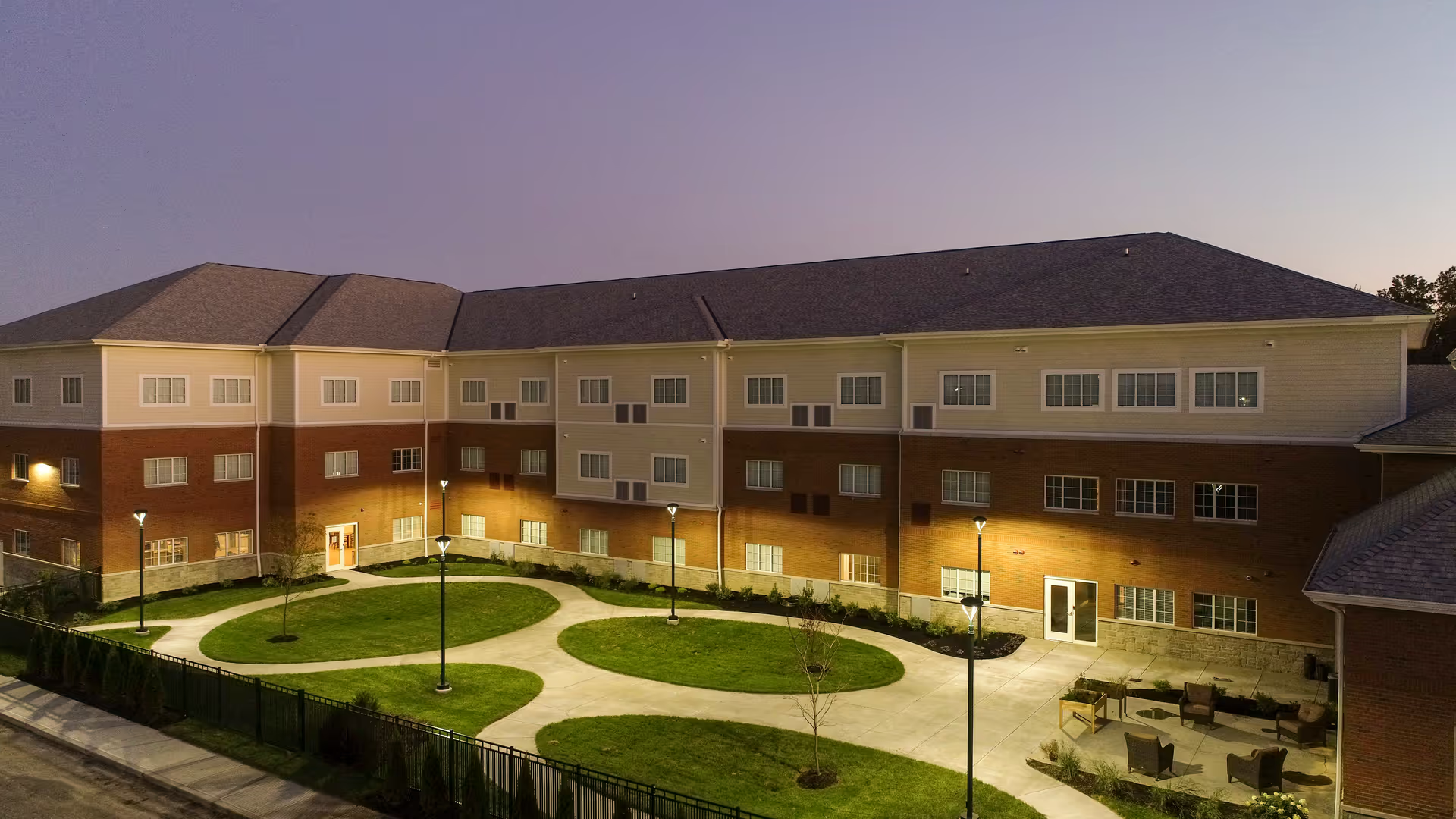
Mallard Cove Senior Living presents a mixed but clear profile: many reviews emphasize strong interpersonal strengths and on-site clinical resources, while a meaningful subset identifies operational weaknesses that affect safety perception and continuity of care. The community offers a full continuum of services—independent living, assisted living, memory care, and an on-campus nursing/rehab resource—with 24/7 nursing coverage, on-site therapy, and a medical director. Apartment offerings with full kitchens, secure outdoor spaces overlooking a pond or lake, and campus amenities (salon, theater, gym, meeting rooms) are consistently cited as positives.
Care and staff: Numerous families describe caring, attentive caregivers and management who communicate proactively during move-in and care transitions. Staff responsiveness, individualized attention to residents, and successful health improvements for some residents are recurring positives. However, a recurring operational concern is staff turnover and inconsistent staffing levels, which reviewers link to slower response times, uneven assistance with activities of daily living, and gaps in supervision of direct-care aides. Several accounts point to medication-management problems (timing errors, missing or unsecured medications) and broader concerns about staff conduct and oversight; these suggest the need for strengthened clinical controls and supervisory practices.
Dining and activities: Dining is often highlighted as a strength—restaurant-style service, a welcoming dining room, and chef-driven menus receive frequent praise. Meals are typically included in the all-inclusive pricing, and many residents and families cite menu variety and social dining as quality-of-life enhancers. That said, reviewers also describe variability in food quality and occasional service interruptions; the kitchen has been described as working to improve consistency. The activities program is broad (exercise classes, bingo, concerts, field trips, themed events) and generally well regarded, but there is variability in scheduling and resident engagement across different times and wings.
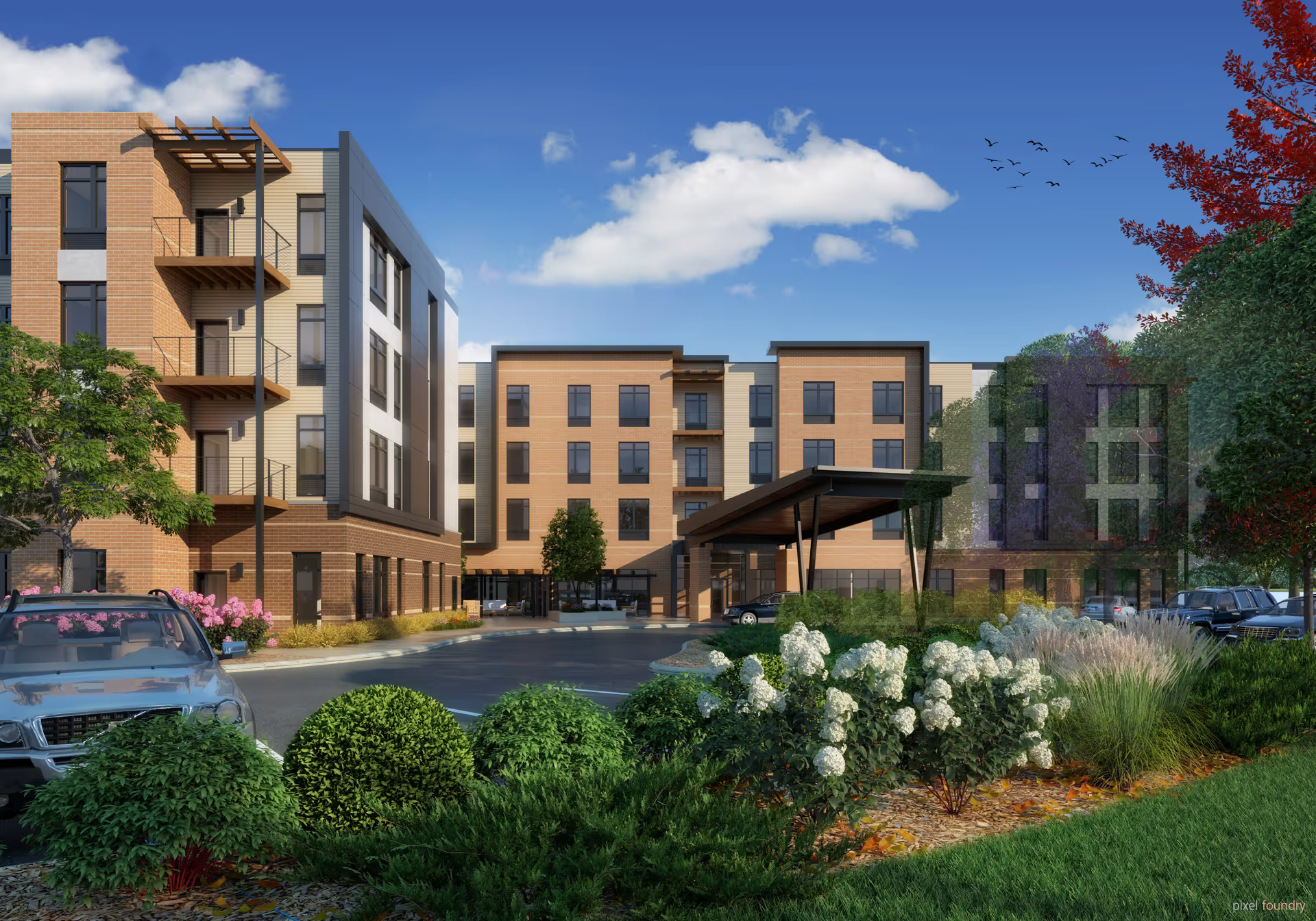
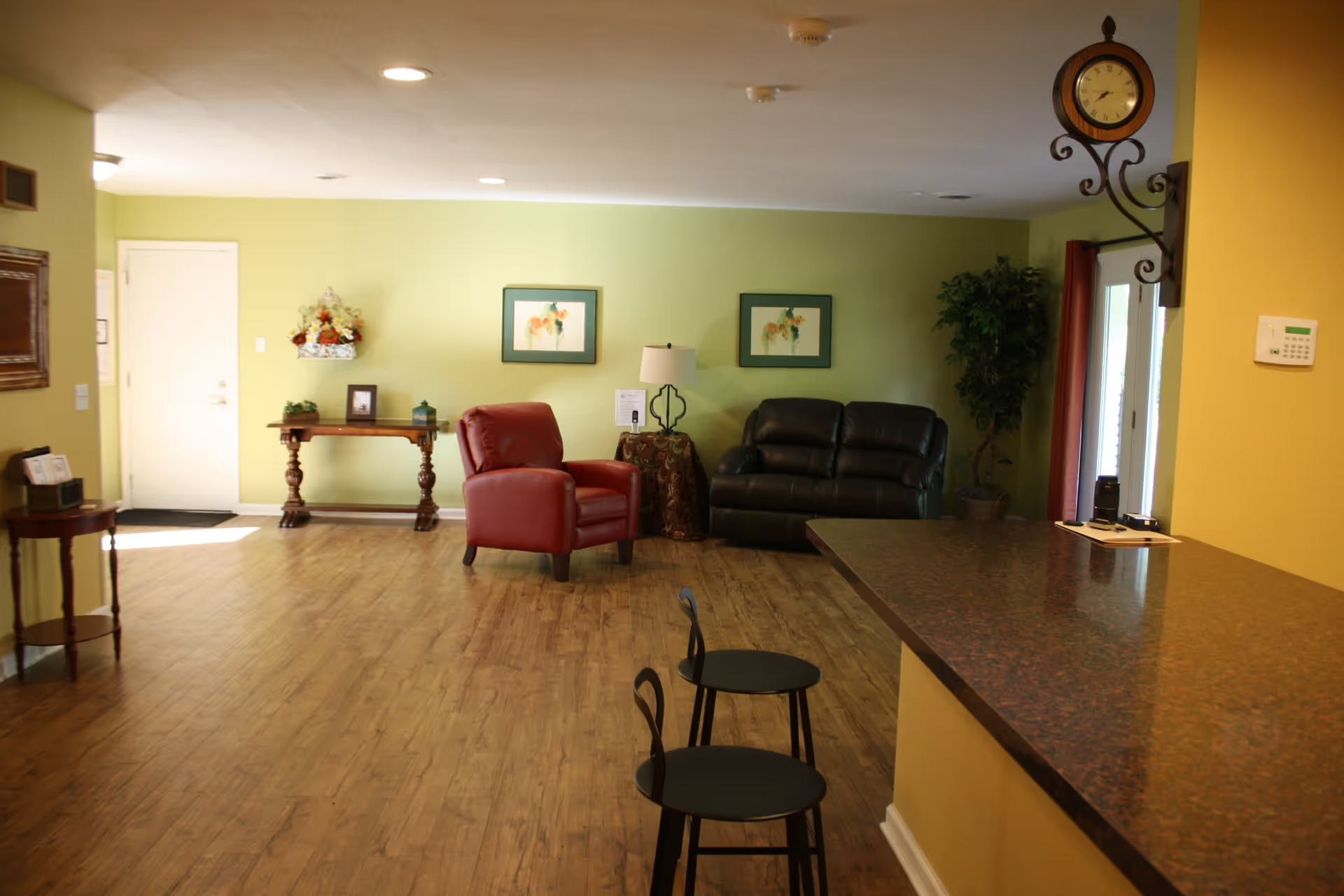
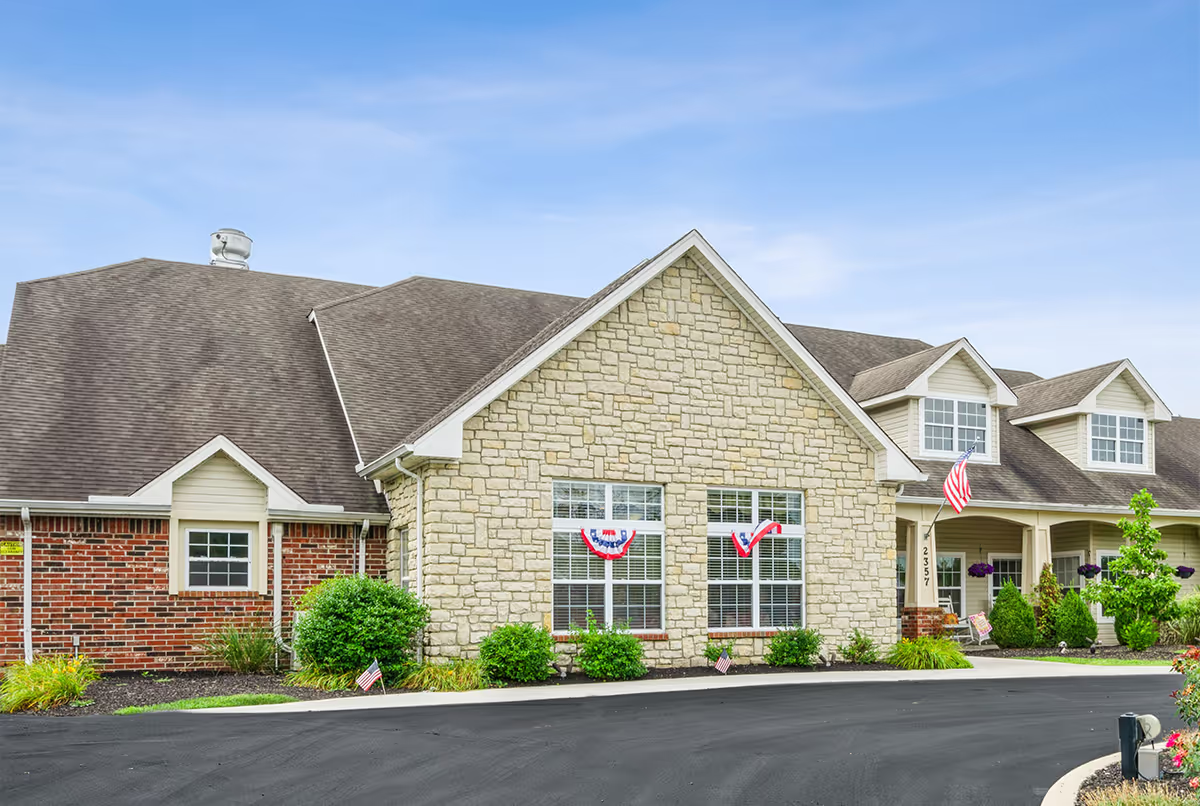
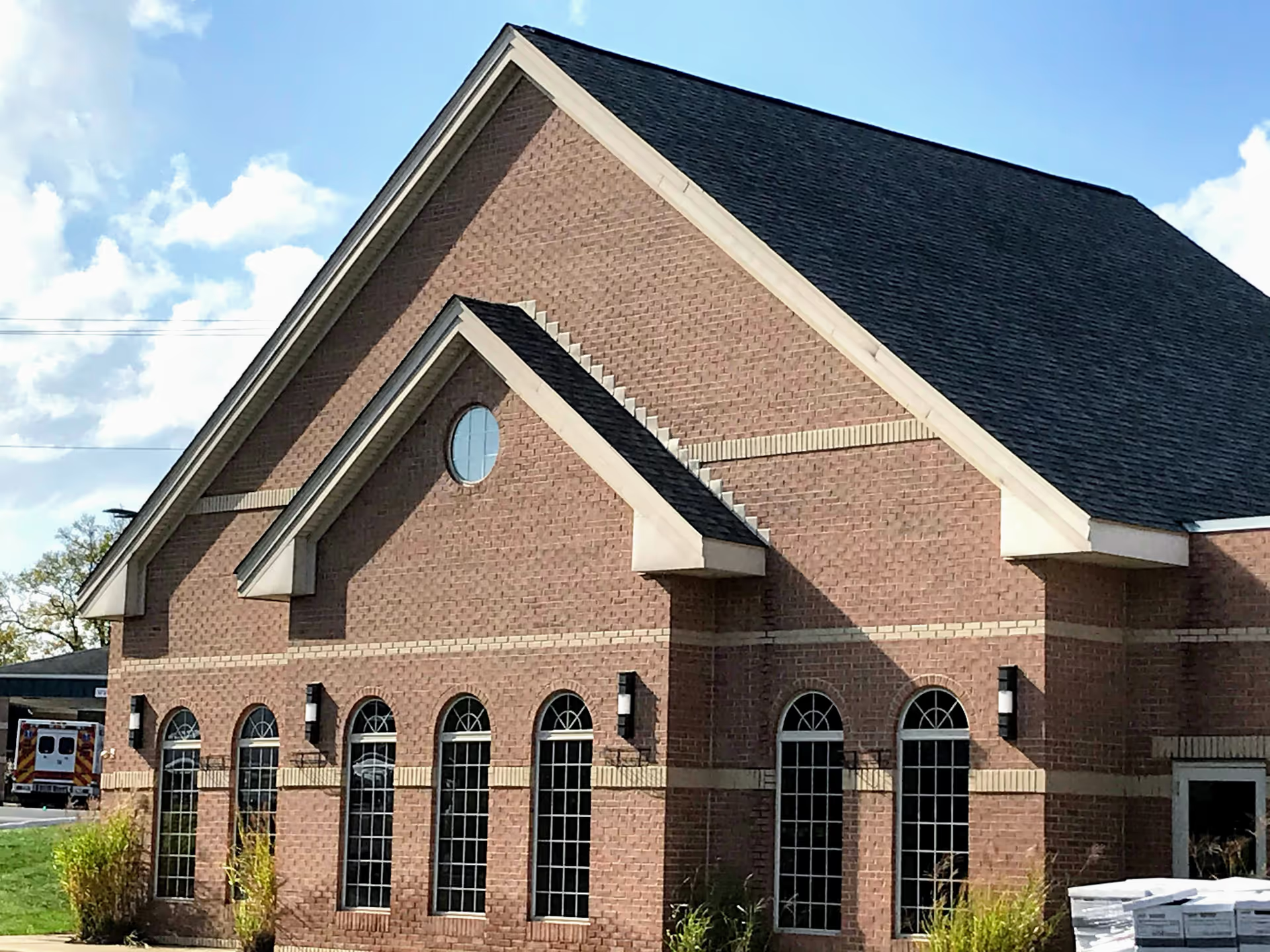
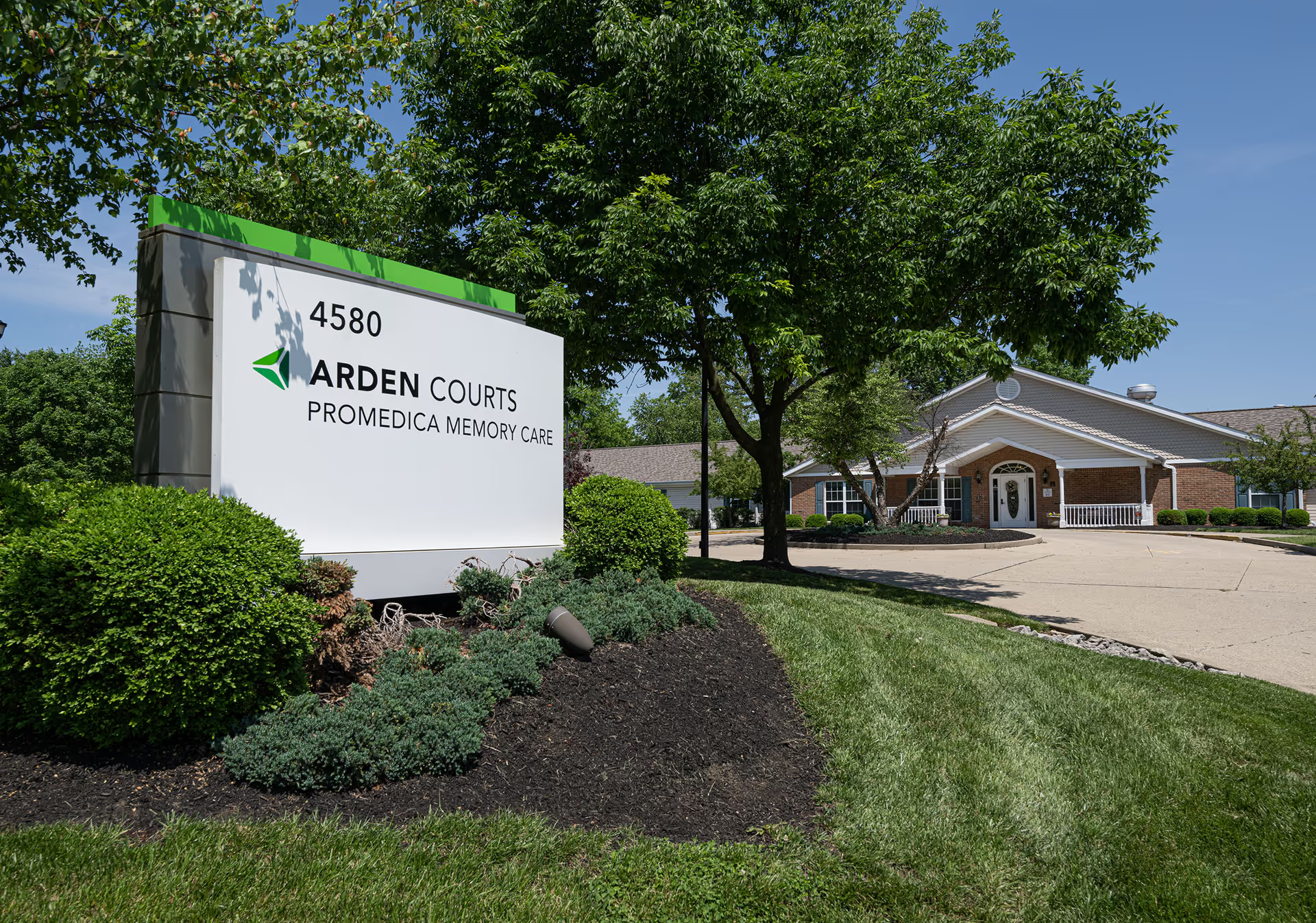
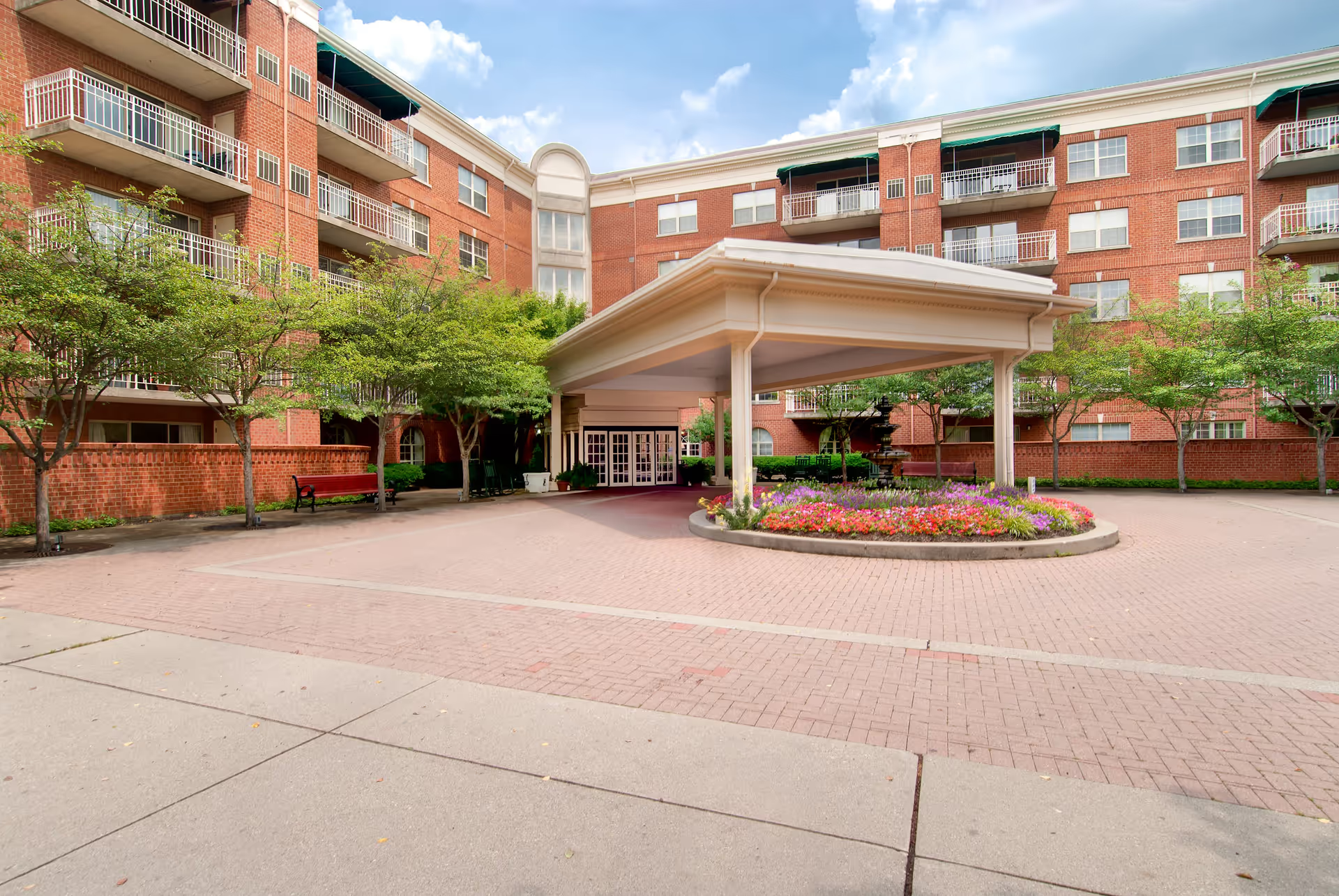
Facilities and maintenance: The campus includes attractive common areas, natural light, walking paths, and secure outdoor courtyards. Several reviewers appreciate recent renovations and newer wings, while others describe ‘‘growing pains’’ in those areas: delayed repairs, unfinished construction issues, plumbing and hot-water lag in some units, and variable housekeeping standards. These maintenance and sanitation inconsistencies have contributed to uneven impressions of the physical environment and require attention to preventive maintenance and housekeeping protocols.
Management and notable patterns: Management strengths include transparent all-inclusive pricing for many residents, willingness to accommodate move-in needs, and family-oriented communication during transitions. Conversely, there are operational weaknesses in billing, deposit resolution, and dispute handling that have led to protracted family interactions in some cases. A small number of serious claims—including allegations of improper resident relocations, restricted access during transitions, and financial disputes—have prompted families to pursue external remedies; such allegations indicate areas where policy clarity, documentation, and grievance processes should be reinforced. COVID-era visitation limits and infection-control precautions were implemented and appreciated by many, but they also contributed to reduced group activities and temporary visitation policies that some families found restrictive.
Bottom line: Mallard Cove offers many of the amenities and clinical resources families look for—compassionate staff, on-site nursing and therapy, a robust activities calendar, and appealing dining and campus features. Prospective residents and family members should weigh those strengths against patterns of operational inconsistency: staffing stability, medication controls, housekeeping and maintenance follow-through, and the facility’s handling of billing and transitions. For higher-acuity or memory-care needs, visitors should ask for specific policies, supervision ratios, medication-safety protocols, and documented examples of how the community addresses past incidents and grievance resolution before making a placement decision.