Reviews of Arbors at Streetsboro present a polarized picture: many families and patients praise the facility’s therapy services, warm caregiving staff, and community programming, while others describe operational and clinical concerns that affected their experience. Positive accounts emphasize strong rehabilitation outcomes, dedicated aides and nurses, effective coordination with hospice and hospitals, and a welcoming admissions experience. Several reviewers specifically noted measurable therapy progress (improved mobility, regained self-care) and frequent community events that contribute to a home-like atmosphere.
Care quality is described as inconsistent. The therapy department receives frequent commendations for intensity and results, but nursing and daily-care performance is variable across shifts and units. Reviews raise concerns about medication administration timeliness, delays in responding to call lights and shower or dressing requests, and lapses in dressing-change and wound-care follow-up. There are also specific accounts of injuries or handling incidents during care transitions; these underscore a pattern of transfer-safety and clinical-incident response gaps rather than an isolated administrative issue.
Staffing and workplace culture are recurring themes. Many families praise individual caregivers and note compassionate, family-oriented interactions. At the same time, reviewers report staffing shortages, inconsistent staff presence on the floor, slow emergency responses at off hours, and low morale. Criticisms of management practices include perceived favoritism, limited support for frontline staff, and camera-based monitoring; some reviews describe administrative inaccessibility and difficulty obtaining timely answers after hours.
Dining and amenities are mixed. Several reviewers describe engaging dining experiences and satisfactory meals, while others cite limited menu choices, repetitive or high-sodium offerings, and inconsistent meal quality. Activities, events, and outings are commonly praised—bus trips, holiday dinners, birthday celebrations, and block parties were highlighted as strengths that support resident engagement.
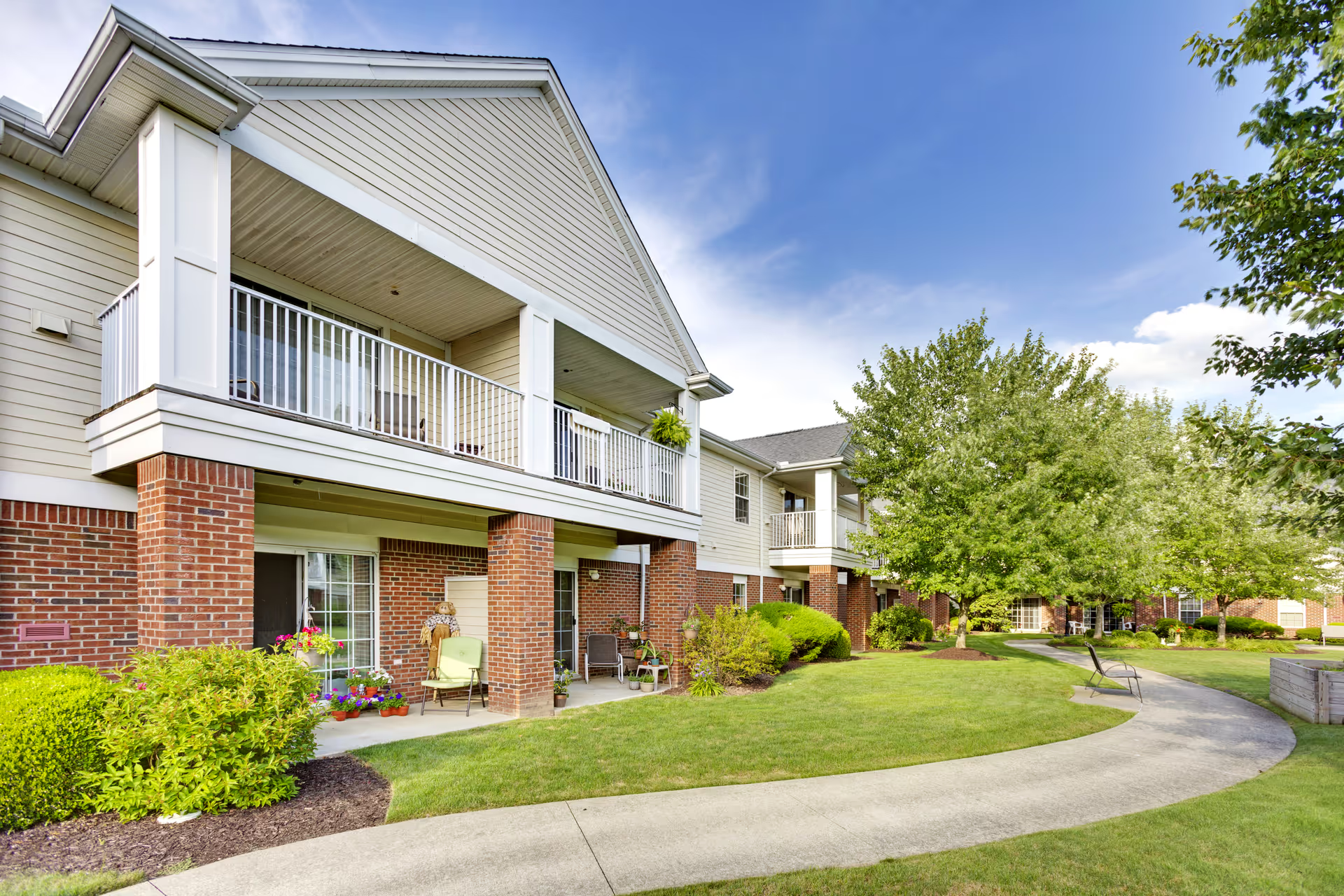
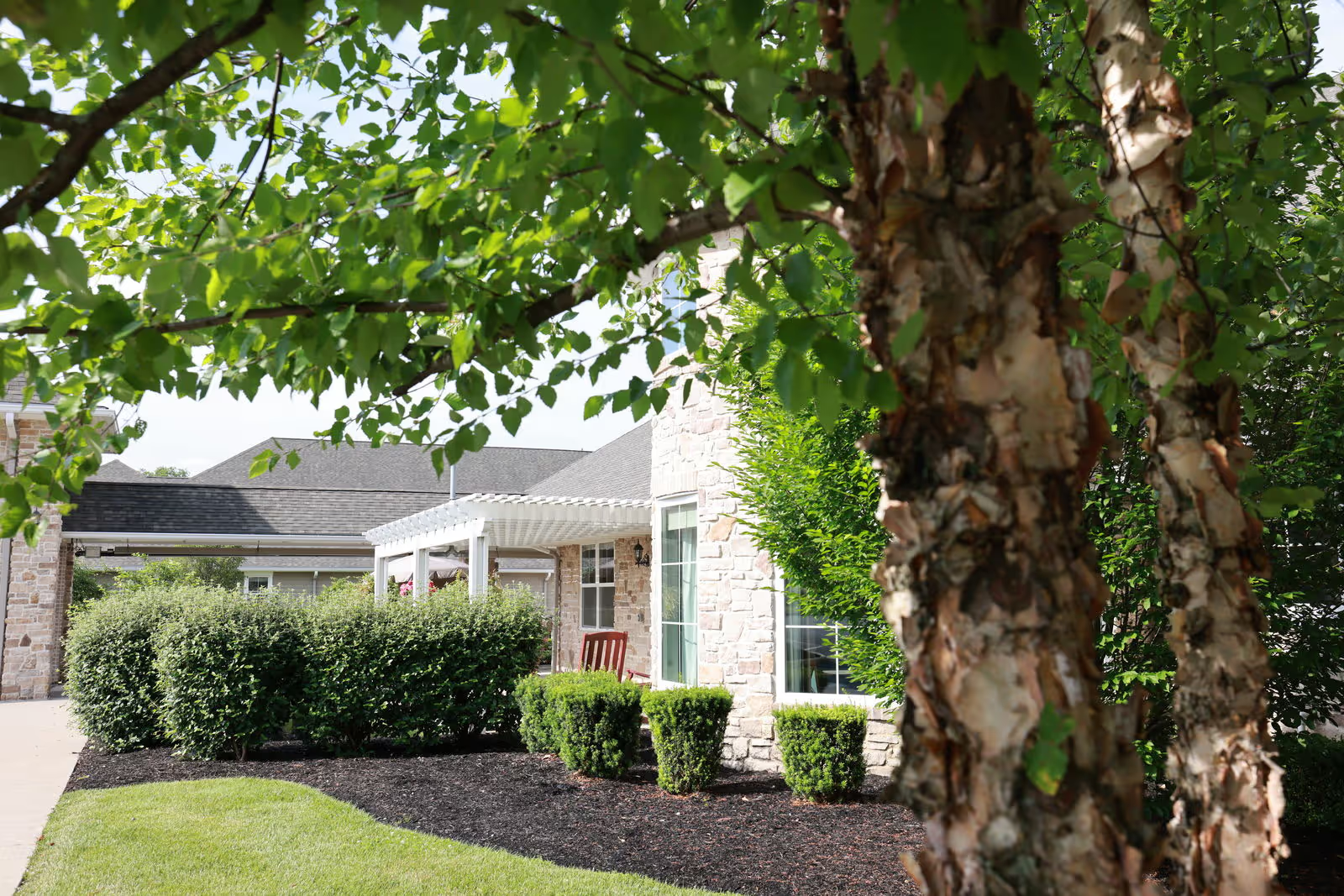
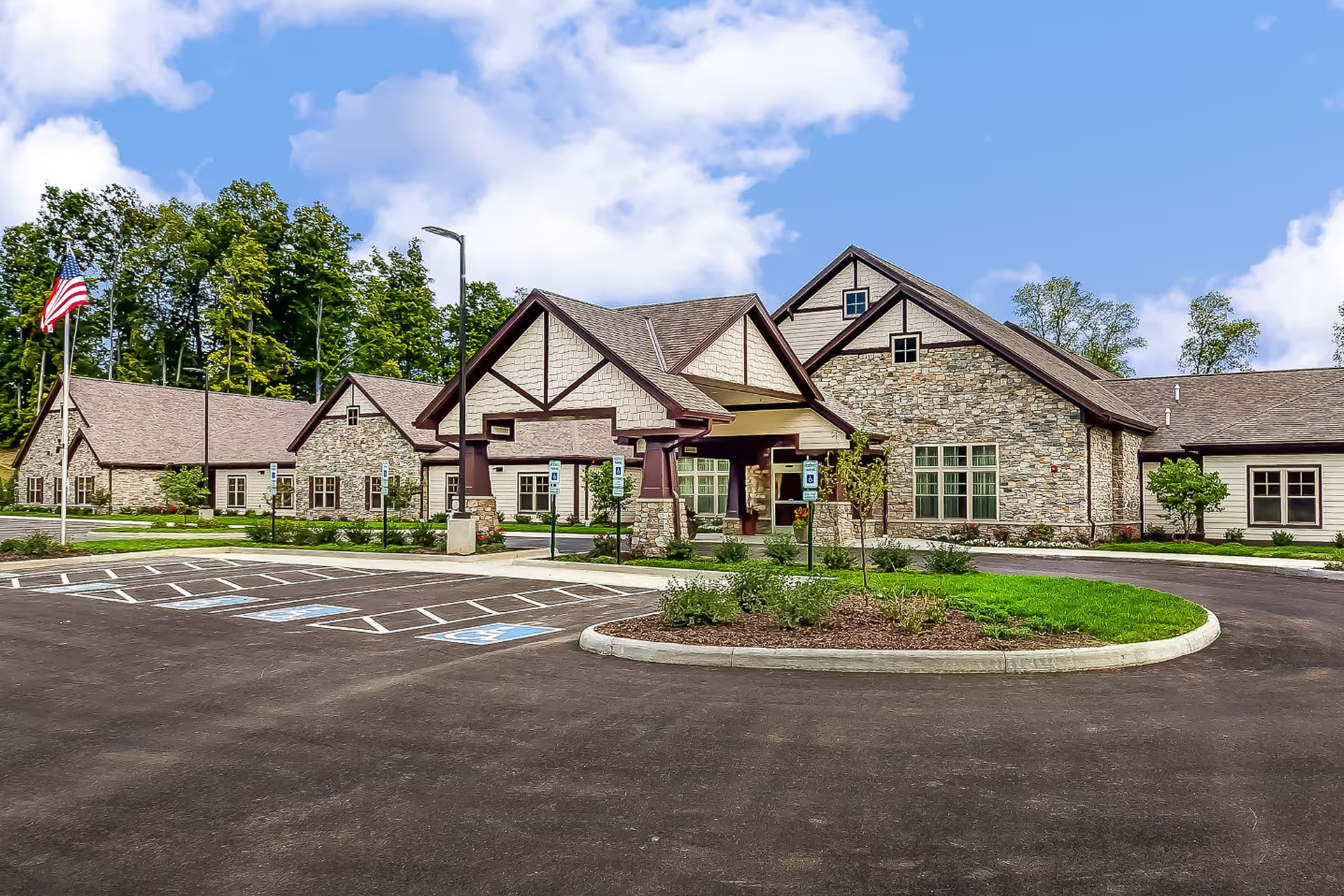
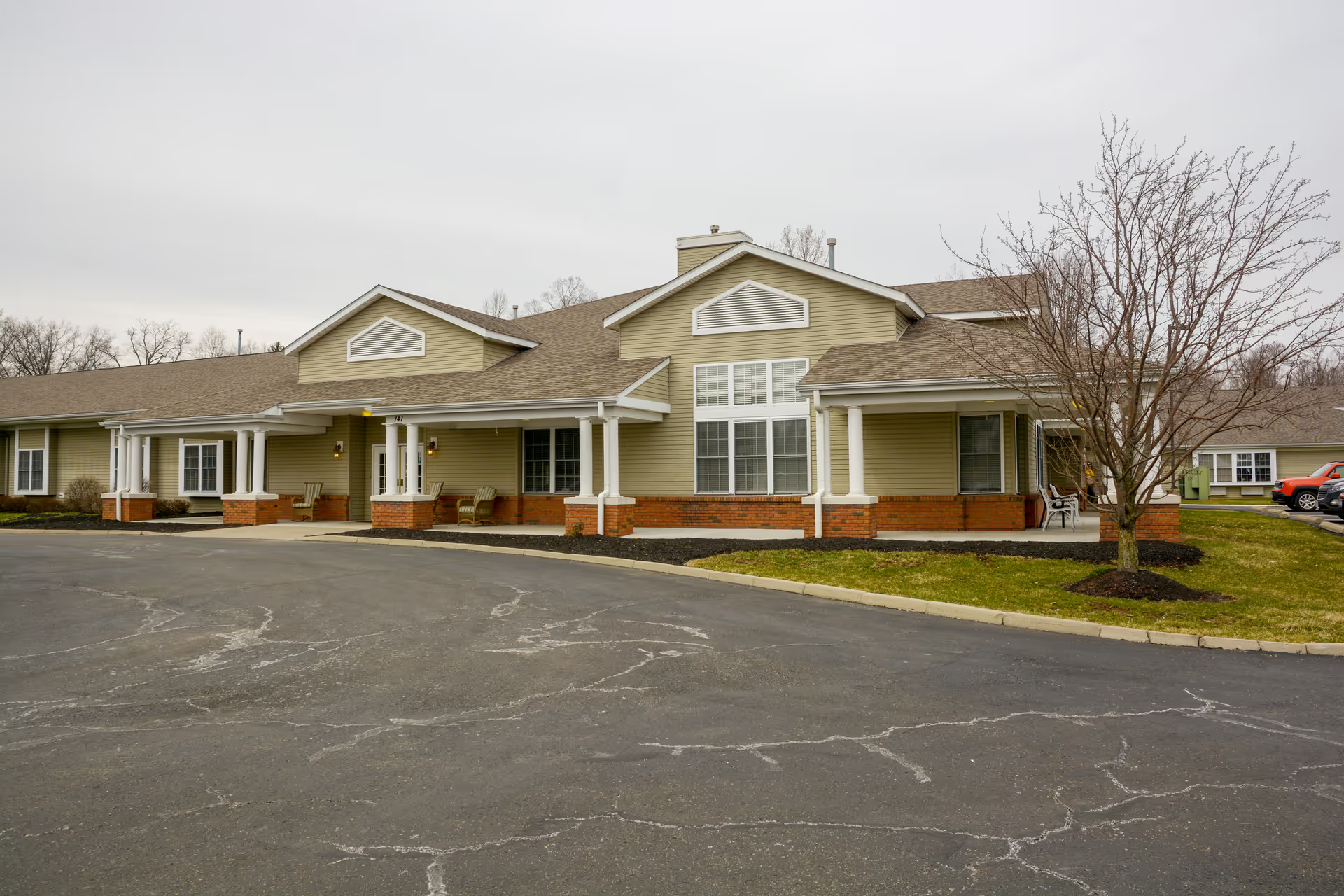
Facility condition and operations show variability. Positive notes include clean common areas, a pleasant courtyard, and an efficient check-in process. Conversely, other reviewers cite sanitation and cleanliness inconsistencies, odor concerns in certain areas, maintenance shortcomings, and pest-control issues. Storage and room features were also mentioned as limited (for example, closet/storage constraints and fewer amenities in some rooms).
Communication and property-management concerns appear in multiple reviews. Families described inconsistent updates, gaps in off-hours accessibility, and at least a few allegations of missing personal items. Where administrative staff engaged proactively—coordinating with hospitals, arranging EMS when needed, or maintaining clear therapy plans—those experiences were rated highly.
Overall, the pattern in the reviews suggests a facility with notable strengths in rehabilitation, individualized therapy, and community programming, supported by many caring staff members. However, those strengths are accompanied by operational weaknesses: inconsistent nursing coverage, variable cleanliness and sanitation, medication- and incident-management gaps, and management challenges that affect staff morale and family communication. Prospective residents and families would benefit from in-person tours, direct questions about staffing levels, medication and wound-care protocols, infection-control and pest-control practices, and policies for handling personal belongings and off-hours communication to evaluate how current operations align with their priorities.