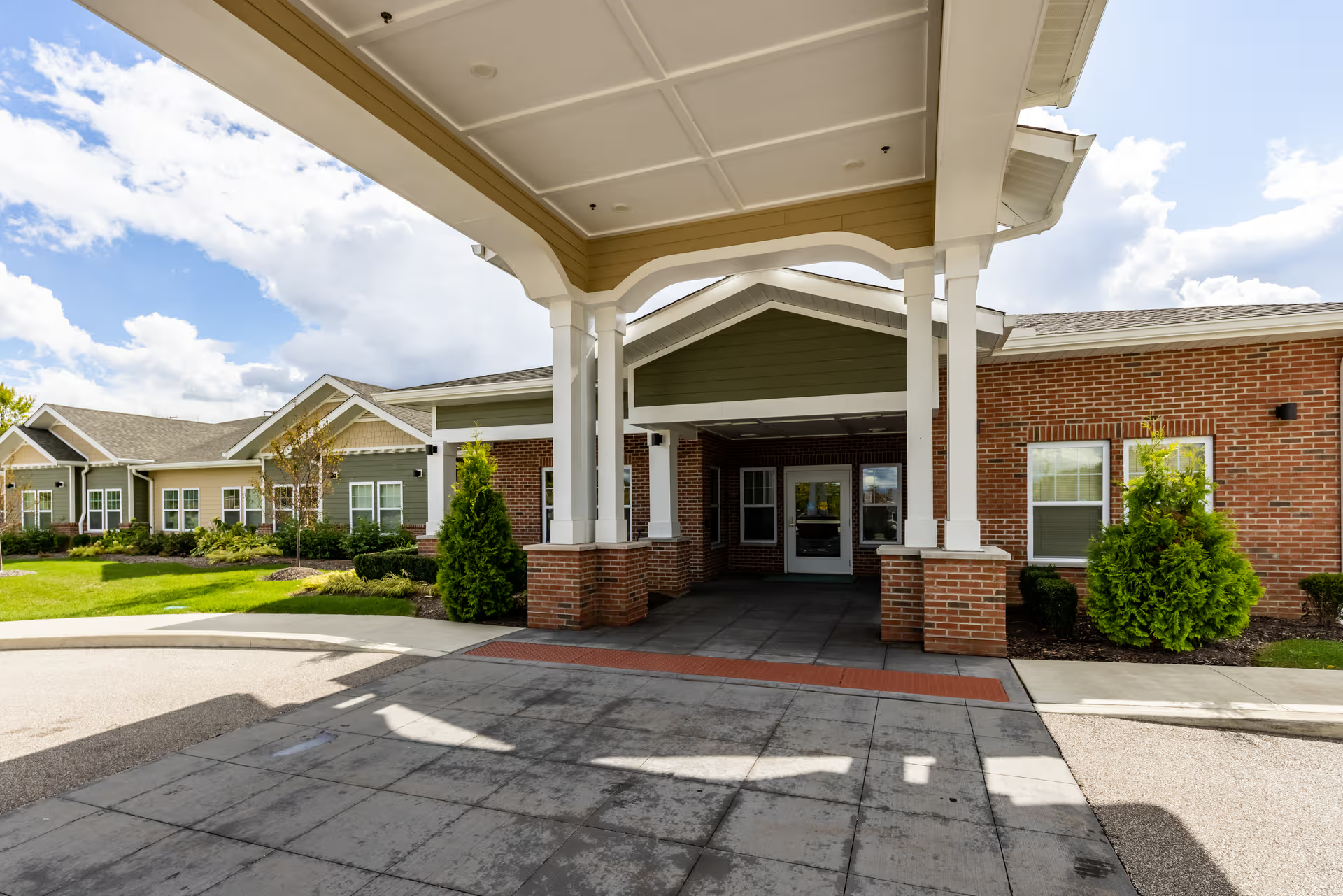
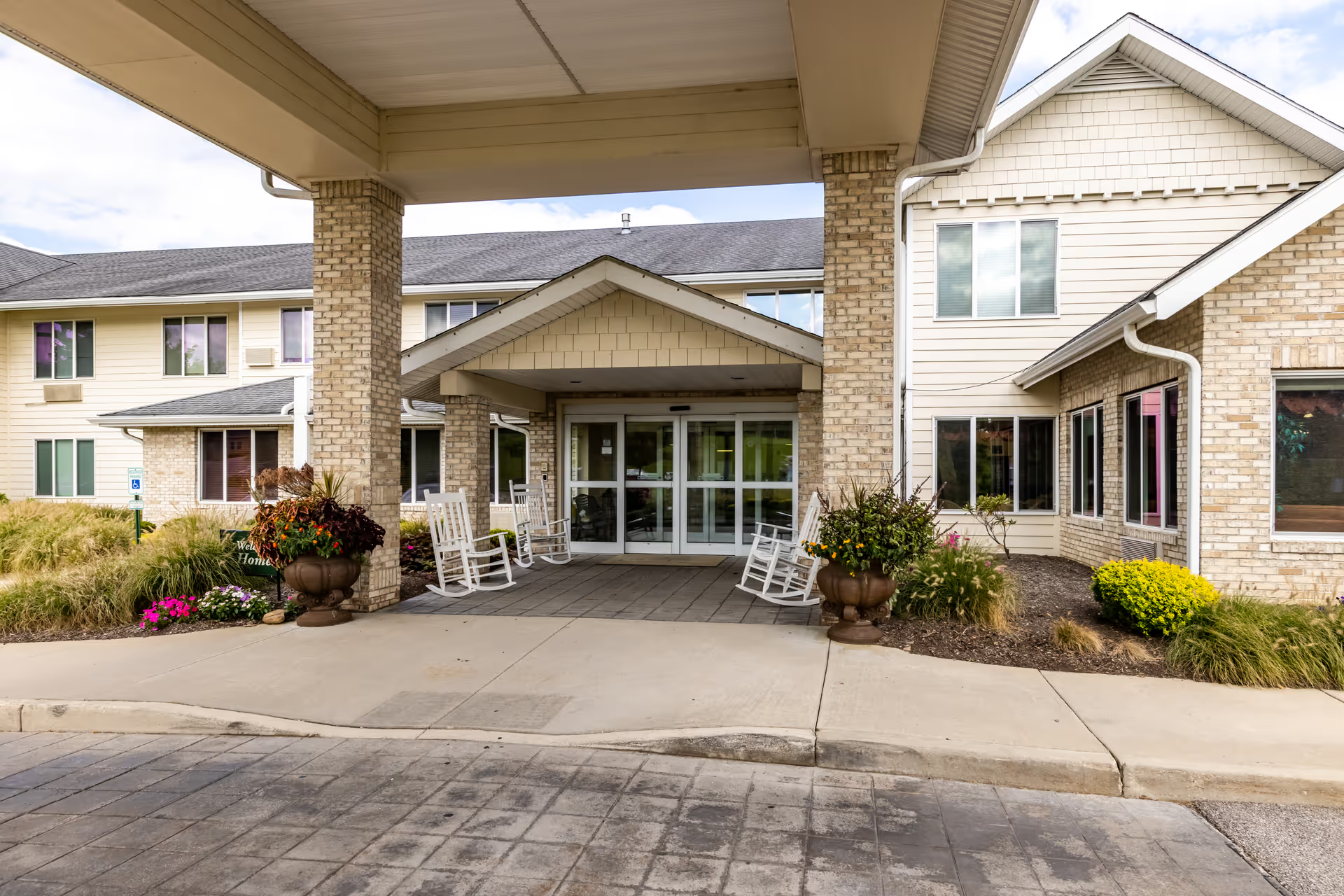
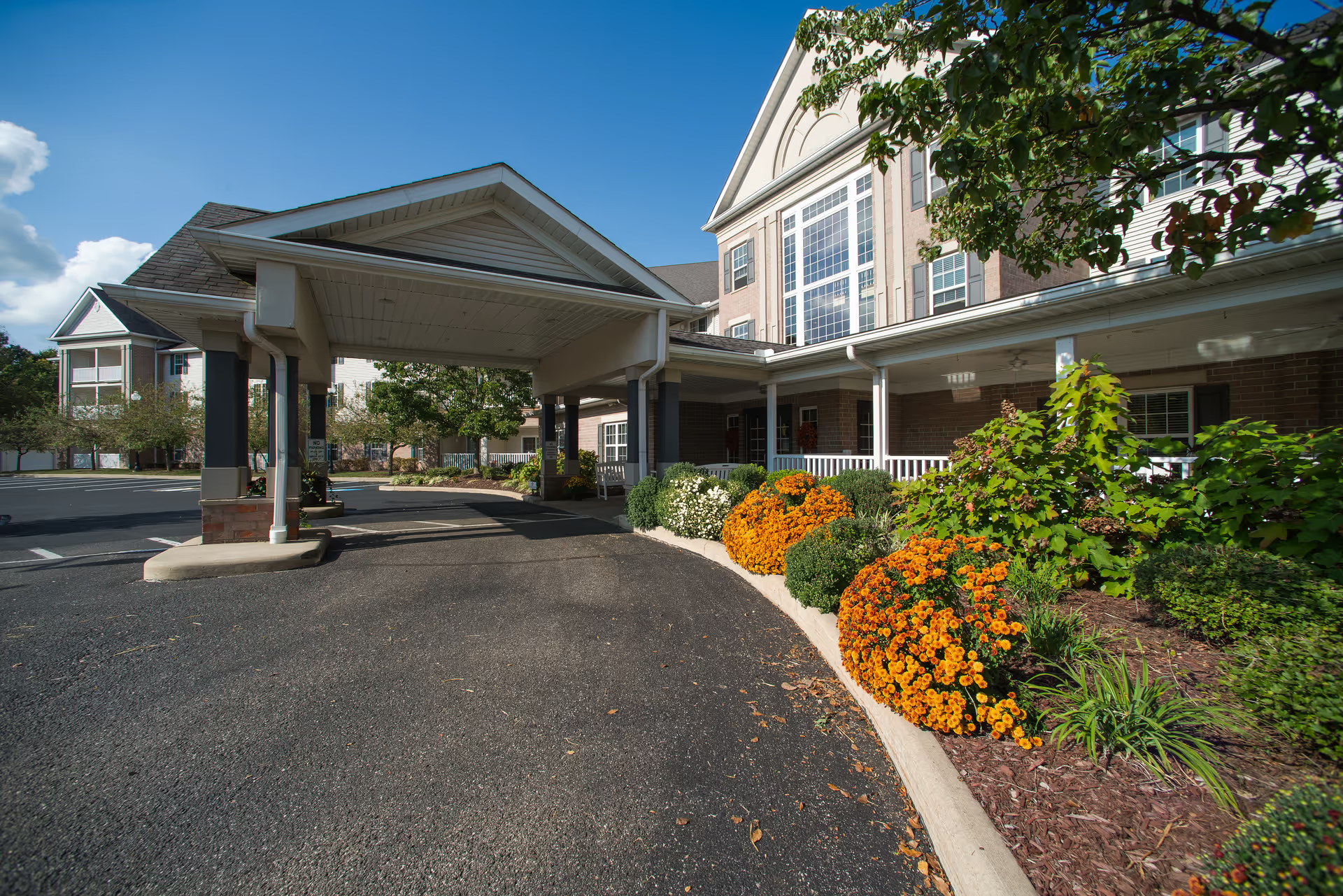
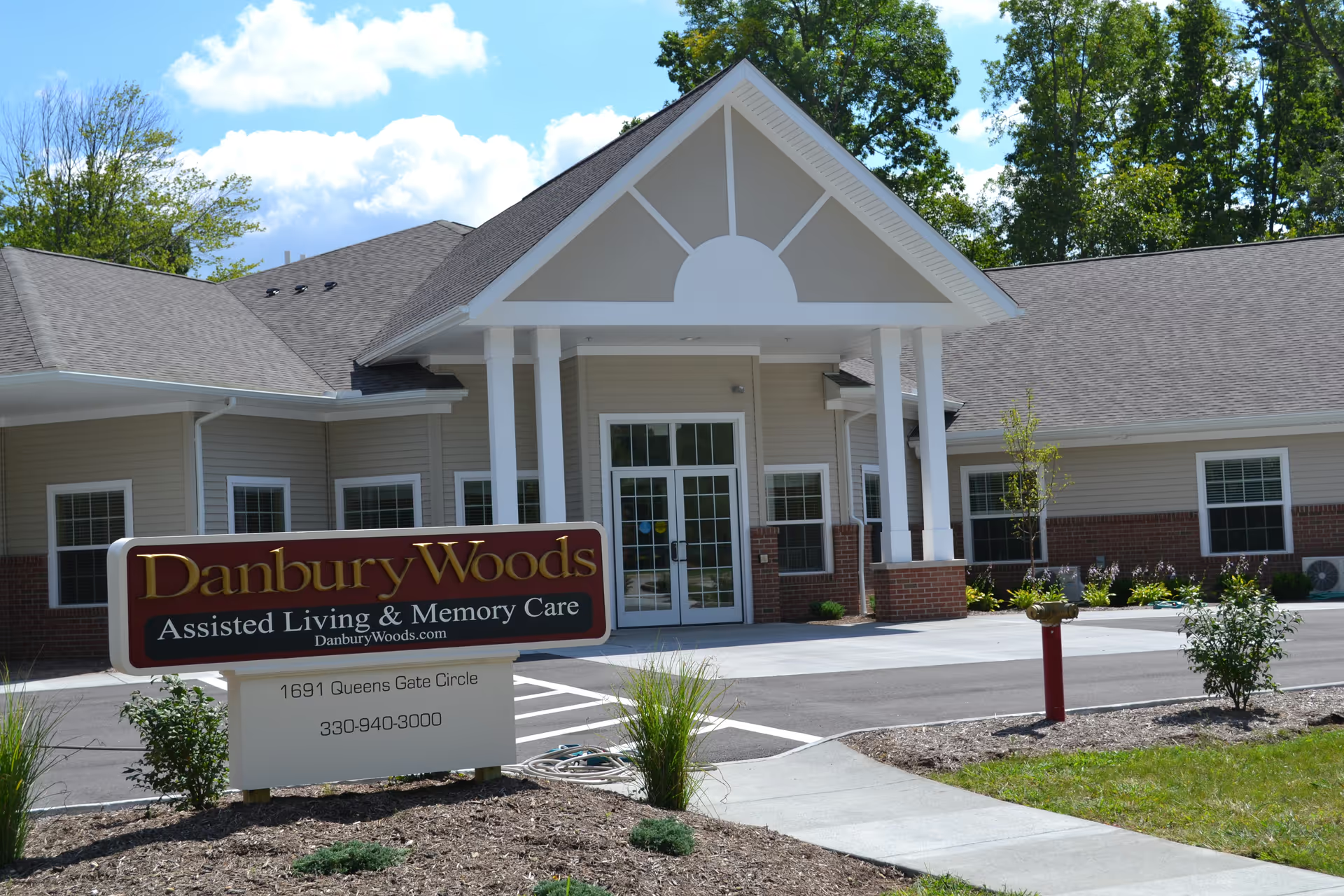
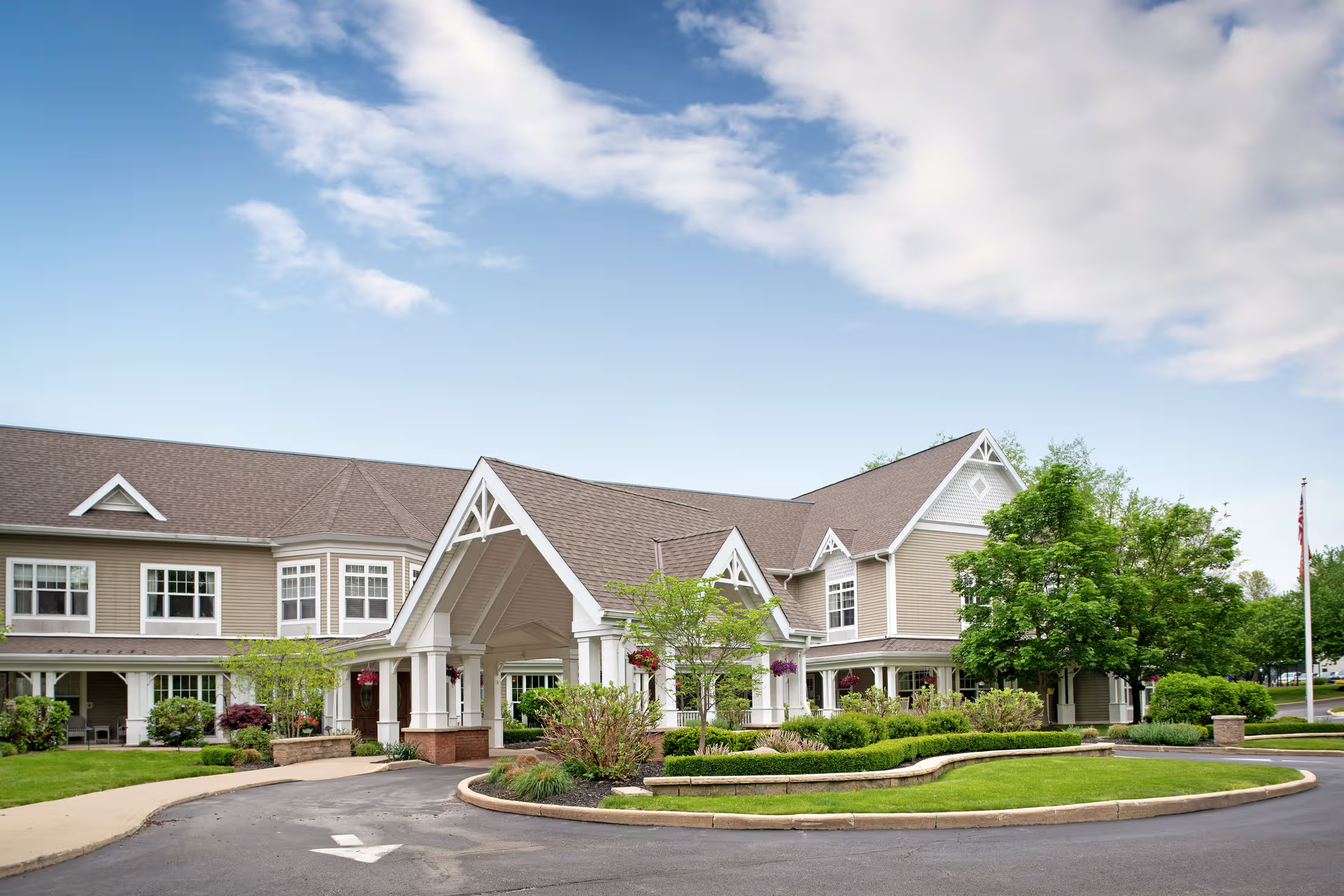
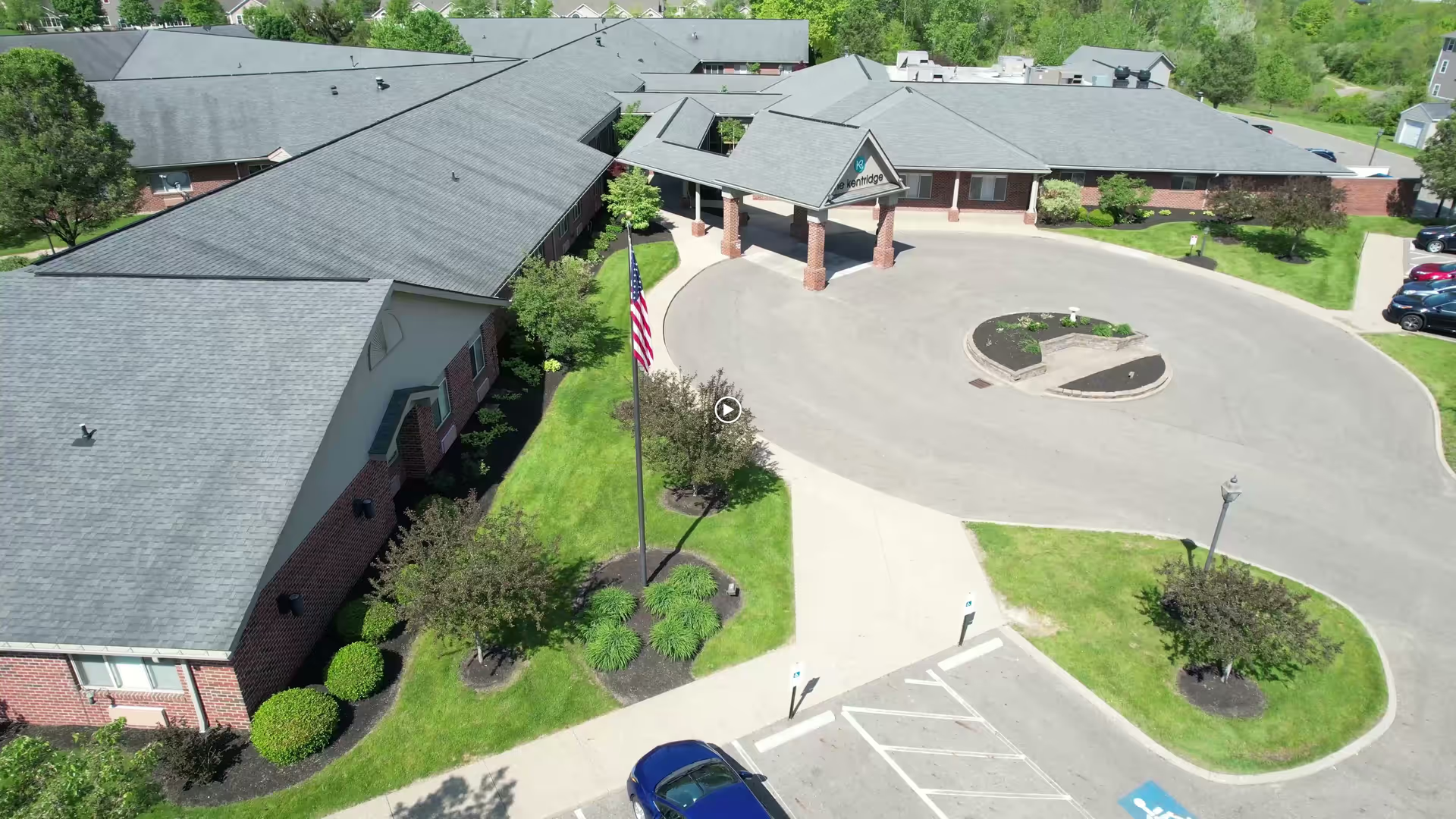
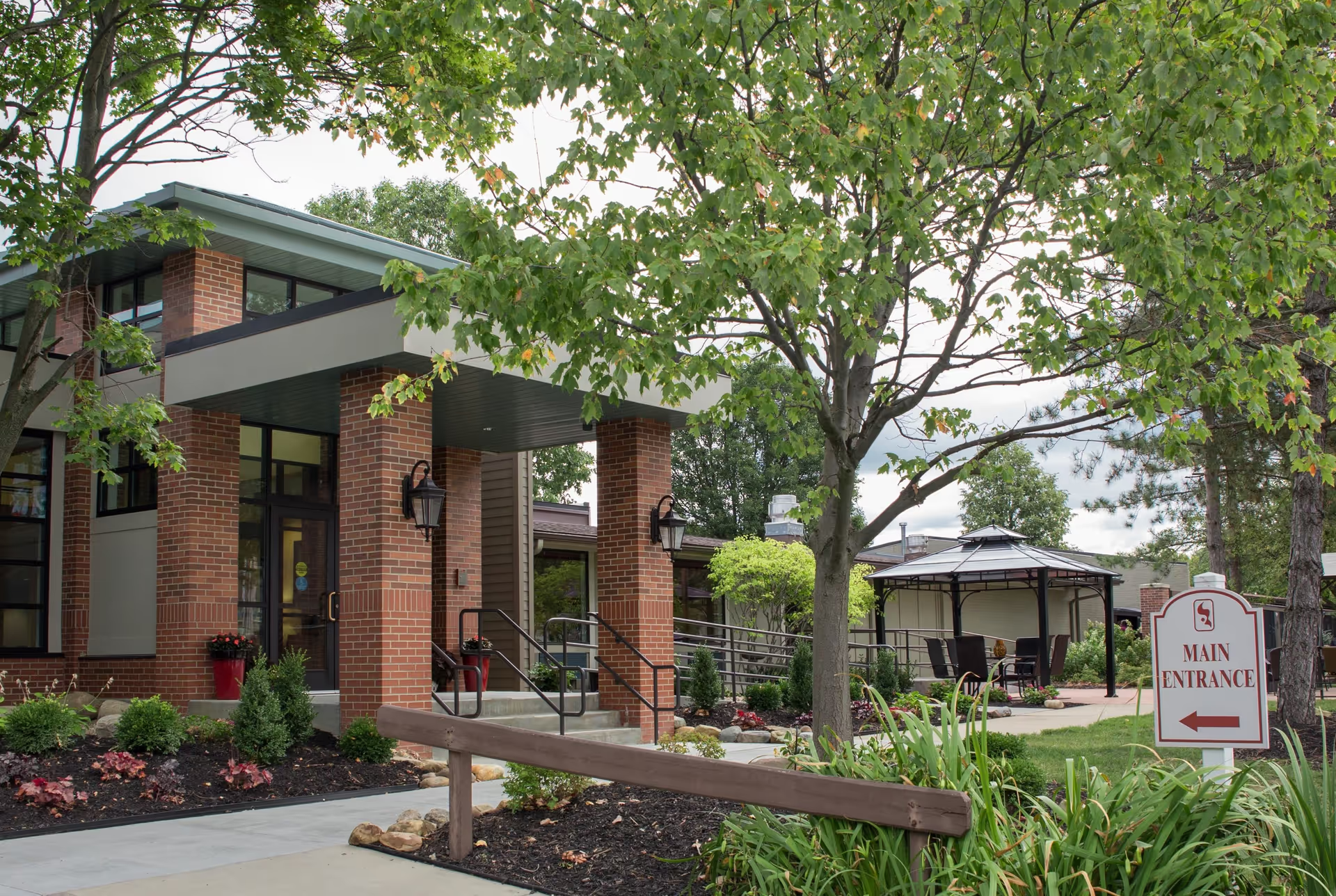
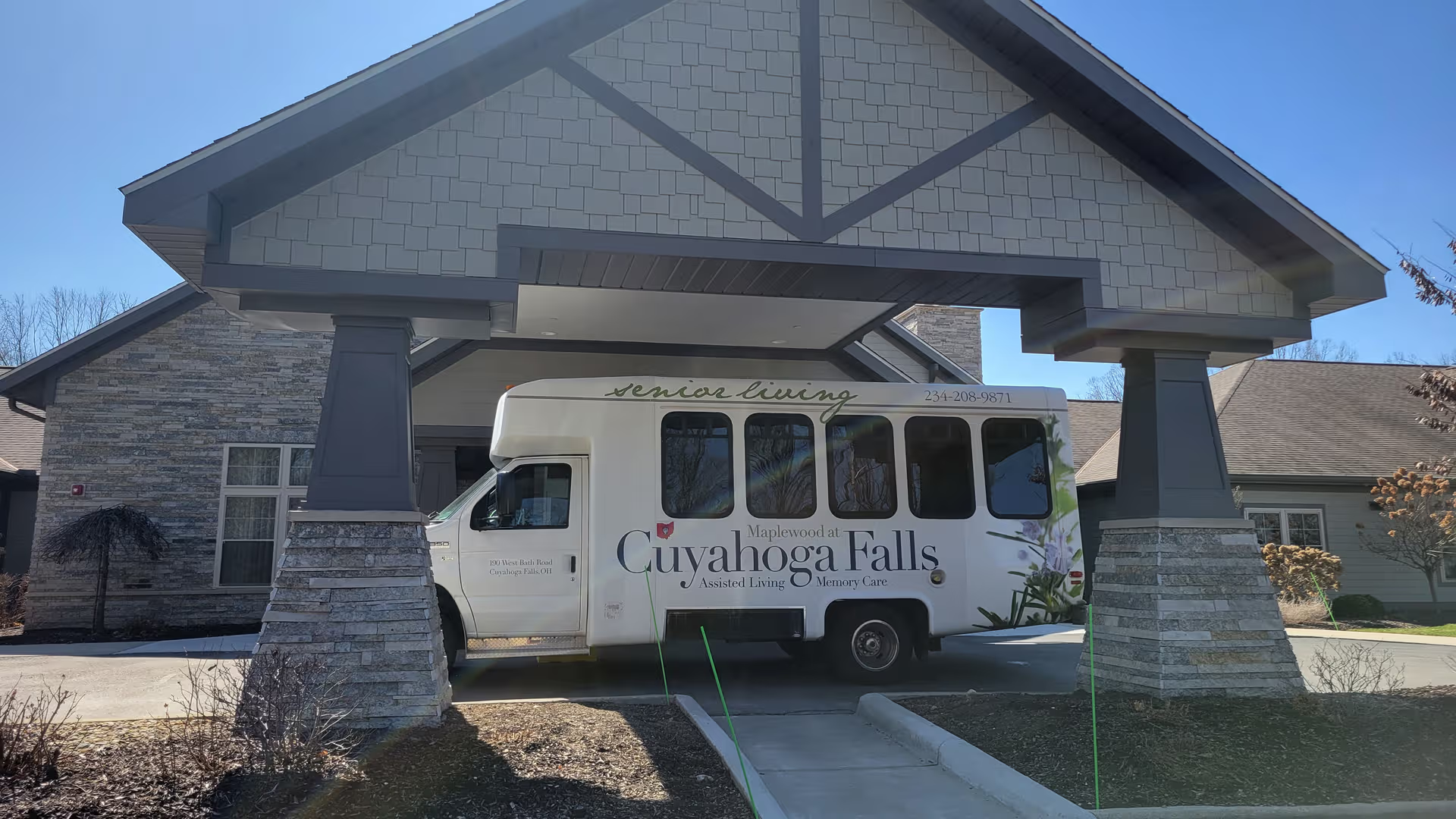
Danbury Tallmadge presents as a modern, amenity‑rich senior living community with many features families value: a strong calendar of life‑enrichment activities, regular transportation and outings, a broad and well‑reviewed dining program, numerous common‑area amenities (bistro, pub, theater, art studio, fitness room, spa), and a variety of apartment sizes including units with kitchenettes and patios. Multiple reviews highlight a warm, home‑like atmosphere, thoughtful holiday and event programming, and outdoor seating and courtyards that contribute to a pleasant communal environment. The facility’s physical plant and cleanliness are frequently praised, and many families describe routine housekeeping, laundry services, and an array of in‑room conveniences such as climate control and broadband service.
Care and direct caregiving receive mixed but detailed feedback. A large number of families describe compassionate, personable aides and nurses who know residents by name and provide meaningful engagement. The memory‑care program has dedicated staff, private rooms, and tailored activities that some families consider exemplary. However, an important and recurring operational theme is staffing instability: reviewers describe chronic understaffing and high turnover that lead to inconsistent caregiver continuity and gaps in clinical responsiveness. Consequences described include delays in assistance with dining and toileting, variable follow‑through on nursing plans, and families hiring private support in some cases. These patterns suggest the facility can deliver high‑quality, engaged care when staffing is stable, but that outcomes are sensitive to current staffing levels and personnel changes.
Dining, activities, and social life are clear strengths. The food program draws repeated praise for variety, made‑to‑order options, and special menus; several staff in the kitchen and dining room are singled out positively. The activities department is also a strong selling point — daily programming, music and exercise classes across ability levels, crafts, and frequent family‑friendly events are common themes. For prospective residents who prioritize social engagement, recreation, and culinary variety, these elements are a notable advantage.
Management, billing, and operational reliability are the most commonly cited areas of concern. Reviews describe opacity in fee structures, unexpected or contested charges around transitions and end‑of‑stay periods, and significant frustration with billing adjustments and rate increases. Some families reported unresolved billing disputes and difficulties getting satisfactory follow‑up from administration. In addition, comments indicate periods of management turnover and ownership changes that coincide with declines in responsiveness or unmet promises, suggesting that leadership stability and the clarity of administrative policies warrant careful review by prospective families.
Taken together, the pattern in the reviews is polarized: many families report excellent experiences driven by engaging programming, strong dining, attractive facilities, and compassionate staff, while a substantial subset describe operational weaknesses that affect clinical consistency, dignity of care, and financial transparency. Prospective residents and family members would benefit from direct, specific inquiries during touring and contracting: ask for current staffing ratios (especially in memory care), examples of how the community handles shift coverage and turnover, written explanations of all fees and end‑of‑stay billing policies, the process for escalating clinical concerns, and how hospice and post‑acute transitions are coordinated. A trial or respite stay, verification of nurse‑to‑resident coverage, and confirmation of laundry and personal‑item procedures can help evaluate whether the community’s current operational state aligns with a prospective resident’s care needs and expectations.