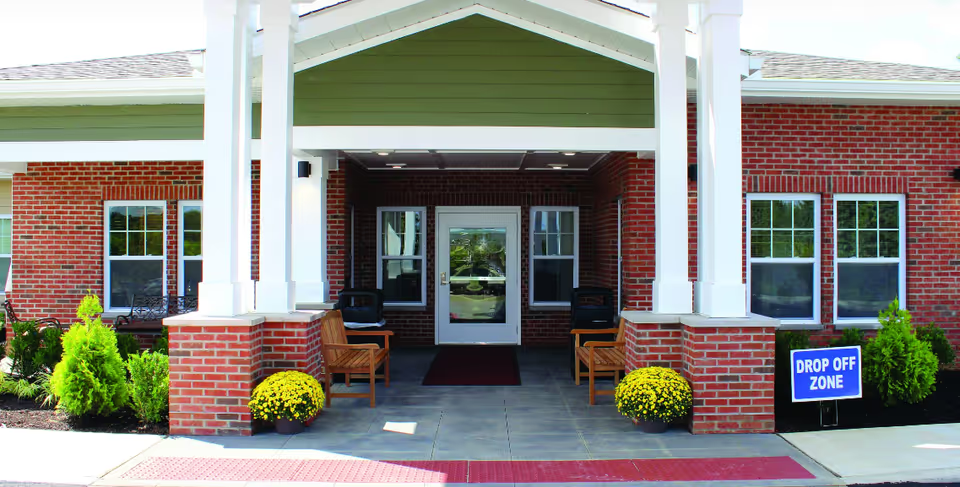
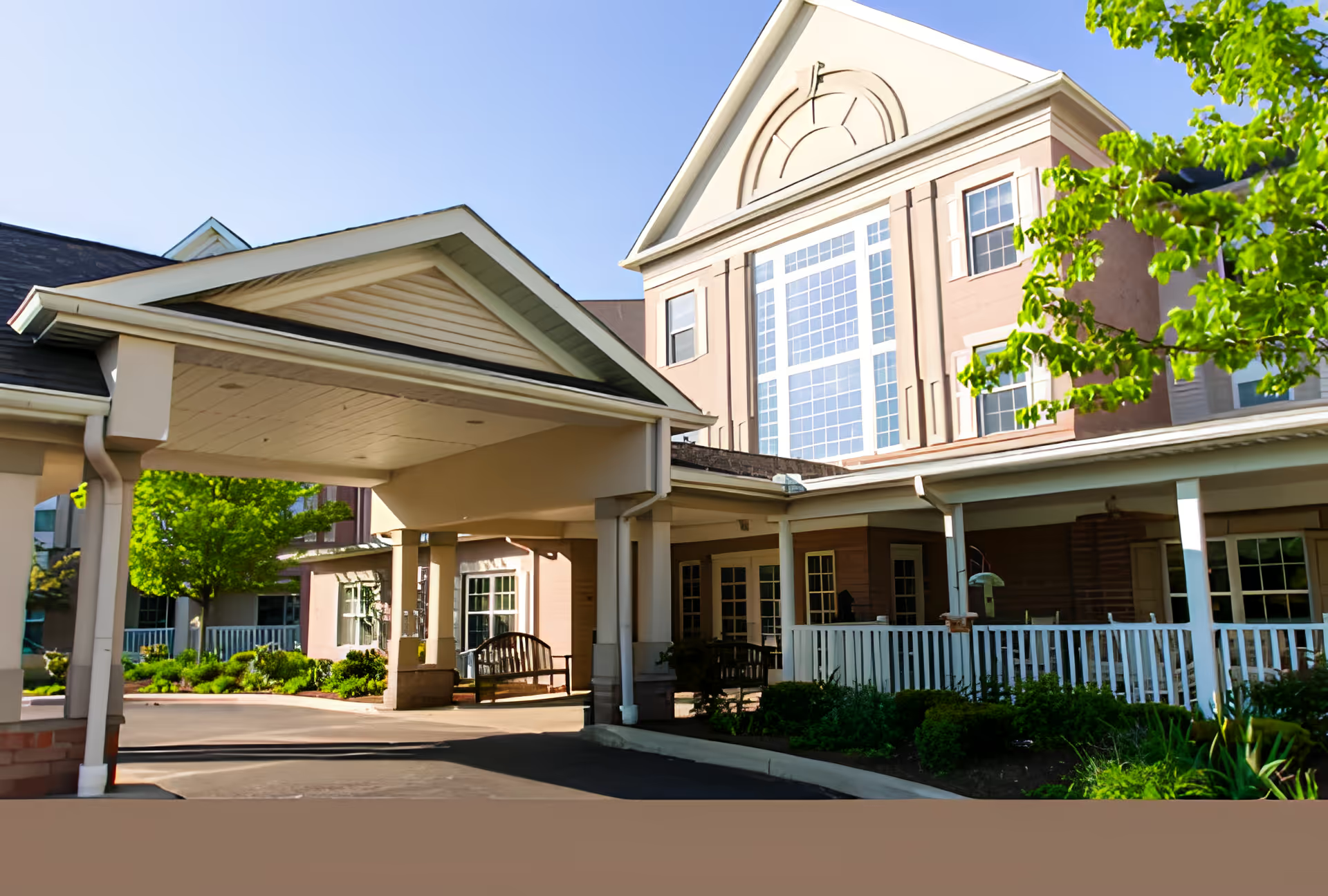
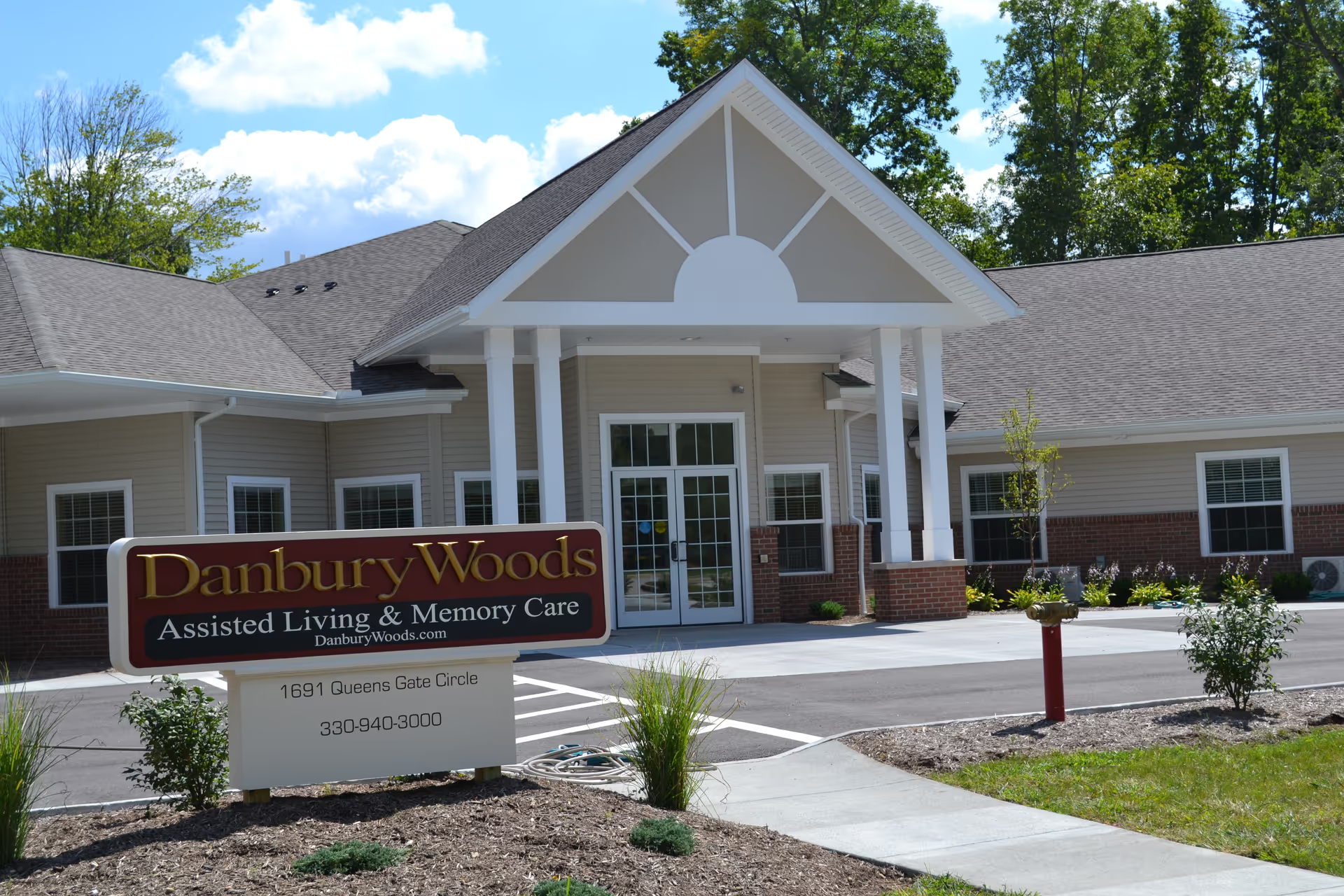
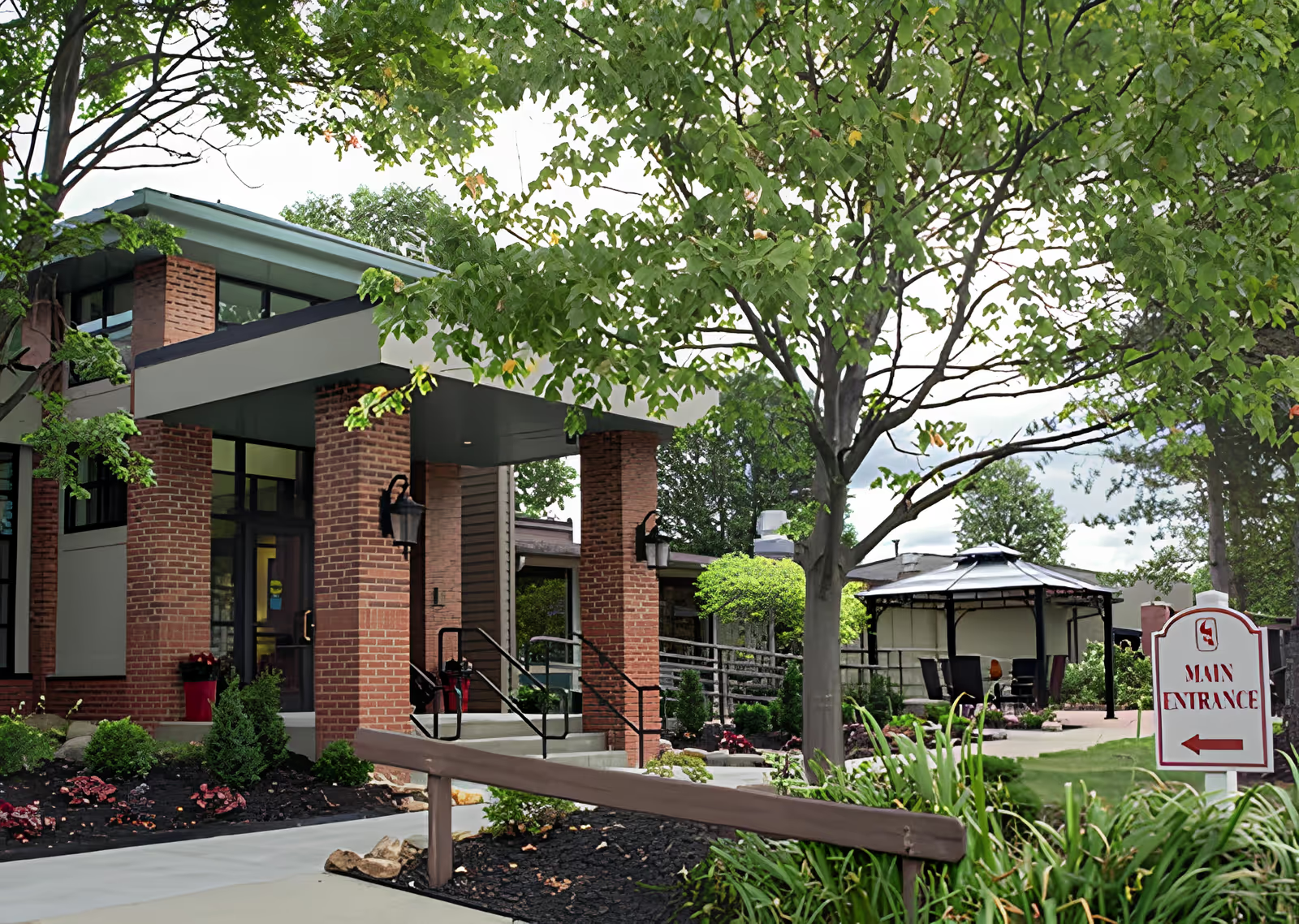
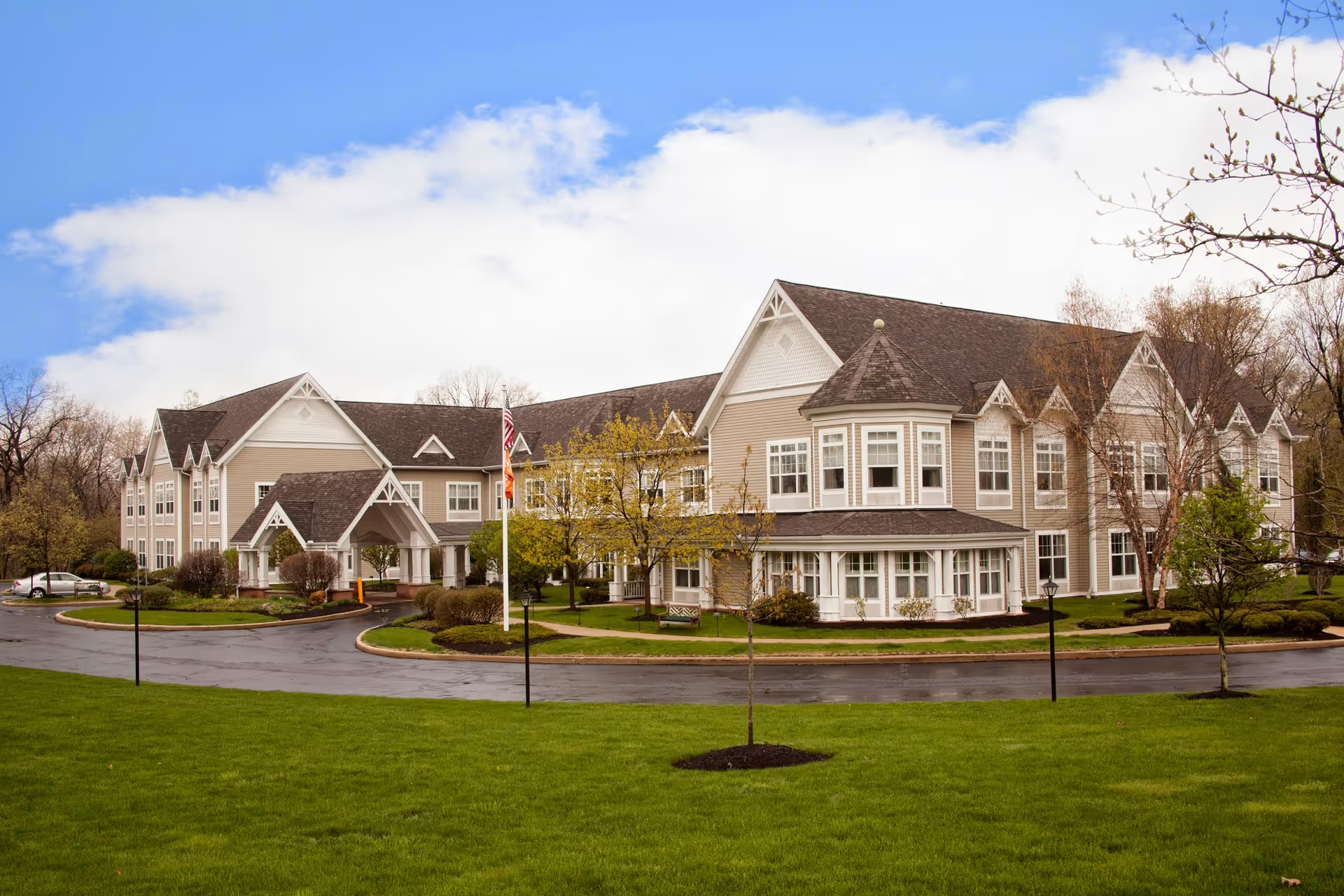
Reviewer feedback for Sprenger Health Care Heather Knoll Nursing and Rehabilitation describes a facility with important strengths alongside persistent operational weaknesses. The therapy department and rehabilitation services are a clear area of strength: many families praised physical and occupational therapy staff for producing meaningful functional gains and helping residents return home. Multiple reviewers also highlighted compassionate, attentive caregivers and nurses, positive social-services engagement or family conferences, accessible outdoor spaces and attractive grounds, private rooms with views, and a generally clean and welcoming physical environment.
At the same time, a consistent theme across reviews is variability in clinical and custodial care. Staffing shortages and frequent use of agency staff were commonly cited; reviewers linked these staffing patterns to long call-light waits, delayed assistance with toileting and repositioning, inconsistent bathing schedules, and uneven medication administration. Several families described delays in clinical monitoring and escalation (including delayed diagnostic imaging and delays in communicating results), which they felt affected the timeliness of medical interventions.
Cleanliness and sanitation were noted positively by many, but others raised concerns about specific areas or shifts with odor or housekeeping lapses. Food service and dining receive mixed feedback: some families appreciated alternative meal options and outreach from kitchen leadership, while others reported cold meals or variable food quality. Activities programming and transportation services were generally reported as engaging and well organized.
Safety and facility operations surfaced as additional areas of concern. Reviewers reported falls, incident-reporting issues, and at least one allegation of missing personal property; these point to the need for stronger property-handling and transfer-safety practices. Discharge planning and coordination with home health services were also described as inconsistent, imposing extra burden on families in some cases.
Management and communication present a mixed picture. Some families experienced clear, regular updates, weekly care conferences, and administrative responsiveness; others described poor communication from admissions or leadership, perceived deficiencies in leadership conduct, and high staff turnover. A subset of reviewers referenced regulatory complaints or investigations and described serious clinical lapses, including delayed recognition of infection; these reports indicate that care quality can vary significantly depending on staffing, timing, and the particular unit or shift.
For prospective residents and families: Heather Knoll appears capable of delivering strong rehabilitative outcomes and offers many comforts (grounds, activities, therapy). However, reviewers indicate operational risks related to staffing, responsiveness, clinical monitoring, and consistency of housekeeping and dining. Families considering this facility should ask direct questions about current staffing levels, therapy availability, incident-reporting processes, discharge coordination, and how the facility addresses clinical escalation and family communication. Visiting at different times of day and speaking with therapy staff and social services can help assess whether the facility’s strengths align with an individual resident’s needs.